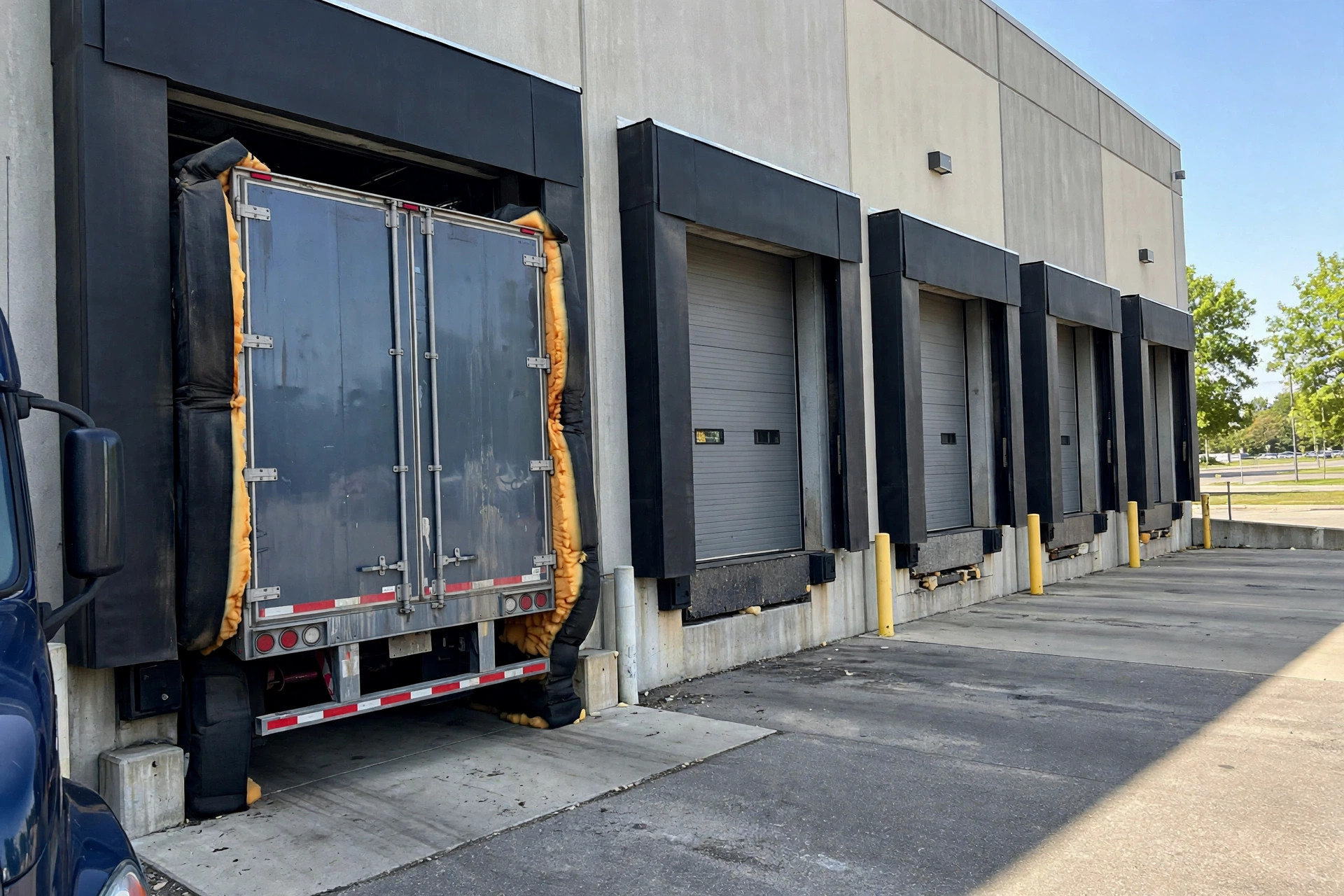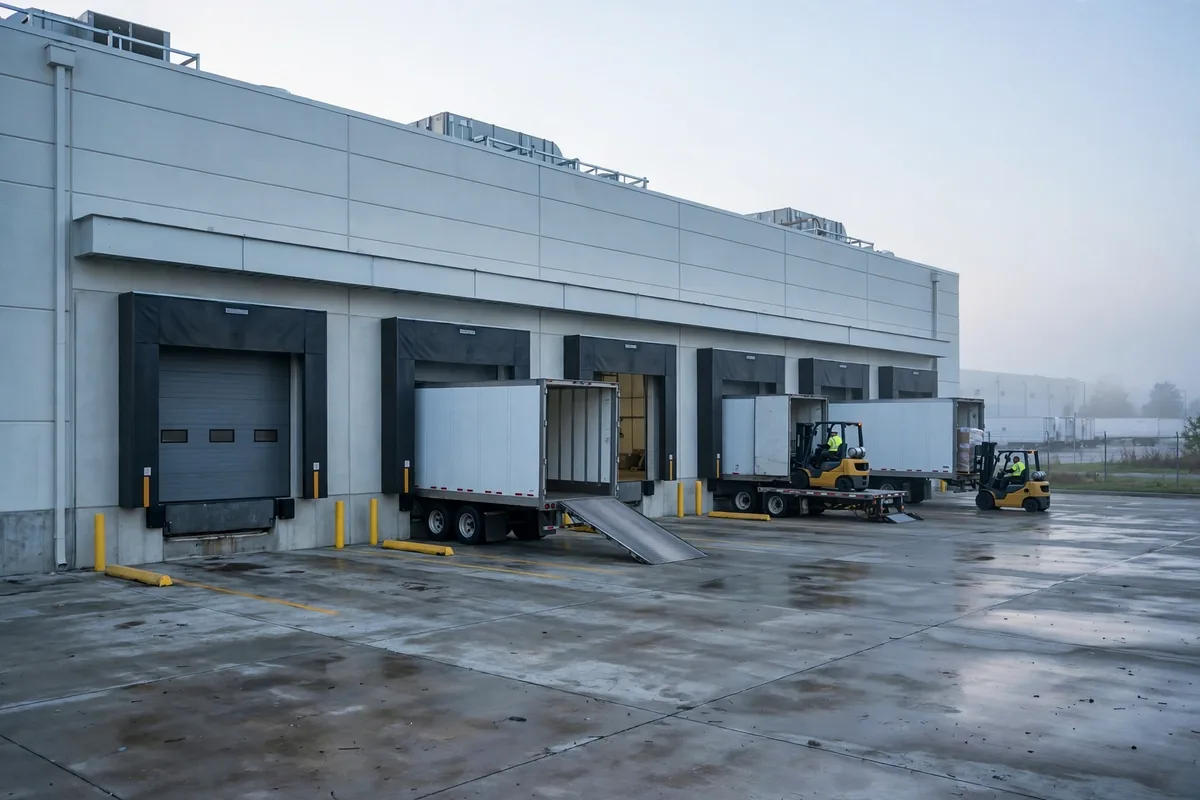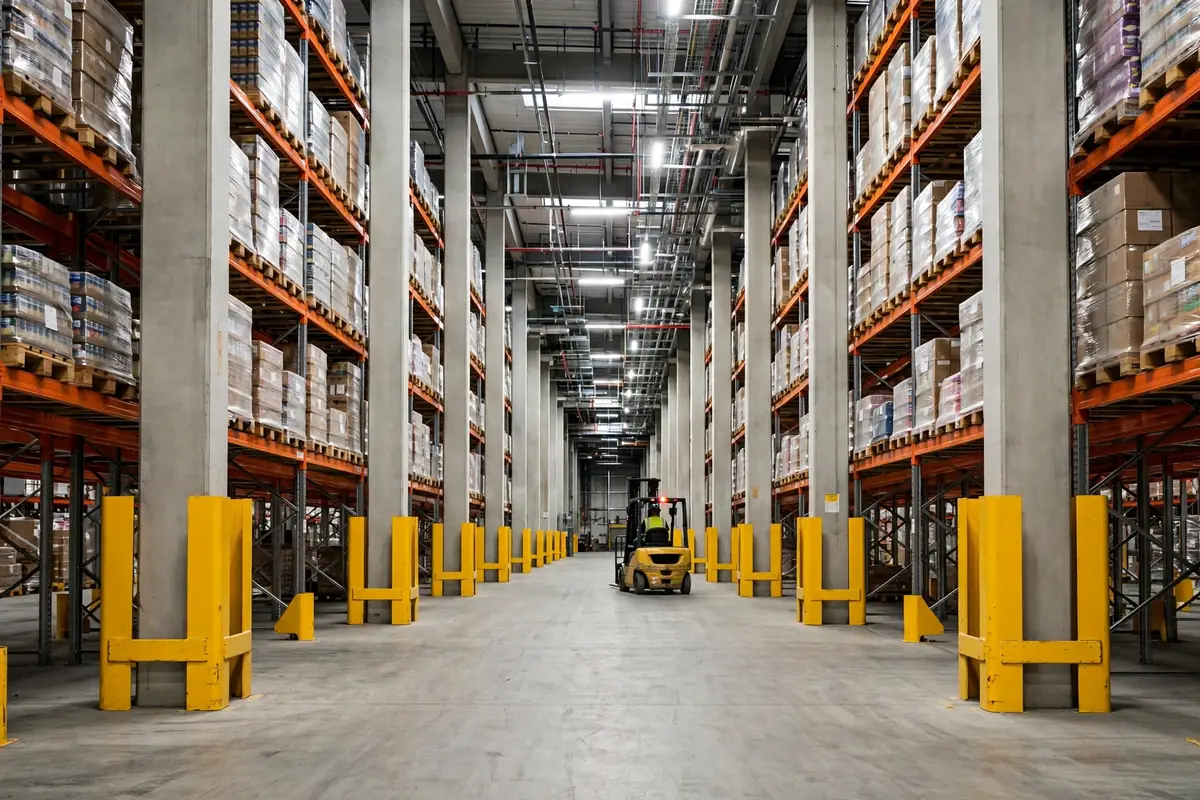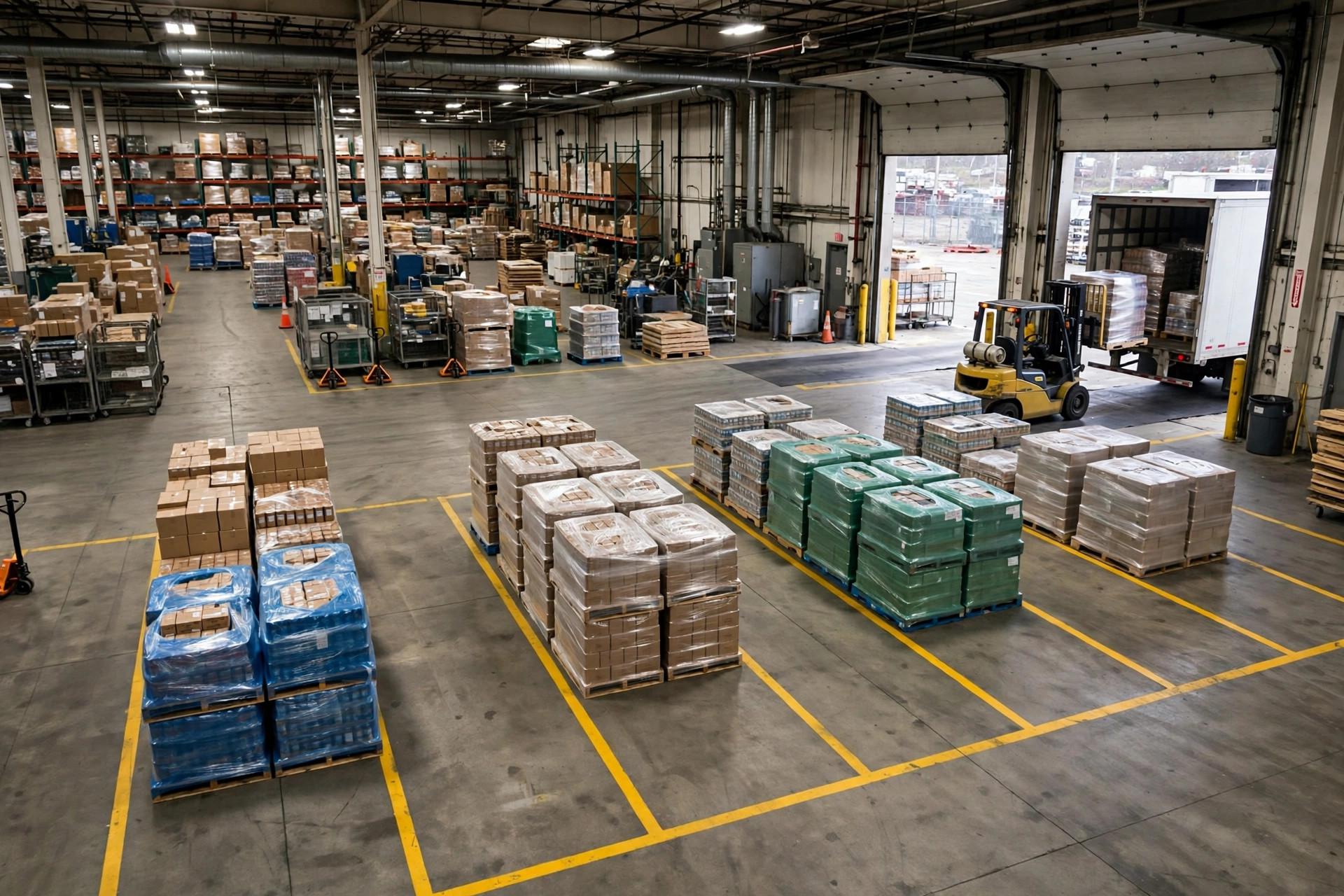
At half past six in the morning, the night shift was handing over and the first trucks were already reversing into the docks. I walked the floor and saw the same old scene in the outbound staging lane: pallets for three different routes squeezed into one corner, a forklift waiting because the aisle was blocked, and a loader shouting across the yard for a missing order. Nobody was being lazy. The work itself had nowhere sensible to go, so everyone improvised, and improvisation is where loading mistakes are born.
Let me tell you how the problem actually showed up. We had a warehouse that shipped about forty orders a day, split across six routes. In the morning, pickers brought goods down as soon as they finished each order, and loaders grabbed whatever was closest when a truck arrived. It looked efficient, because nothing sat idle. Then one Tuesday in the spring, two routes left at almost the same time, and a pallet for Route 3 ended up on the truck for Route 5. The driver found it two hours later, and the whole afternoon turned into phone calls, a return trip, and a second delivery. The error did not come from one careless person. It came from a floor where goods for different routes were allowed to mix.
Outbound Staging Lane Design Starts With Flow, Not Paint
Our first attempt was to paint more lines on the floor. We drew eight narrow lanes and labelled them by route, thinking more lanes meant more order. Within a week it was worse. Narrow lanes filled up fast, pallets spilled over the lines, and pickers started stacking goods in the aisle because the lane for their route was already full. Say it plainly: a lane that is too small is not a lane, it is a bottleneck with a label on it. We learned that the number of lanes matters far less than the order in which goods move through them.
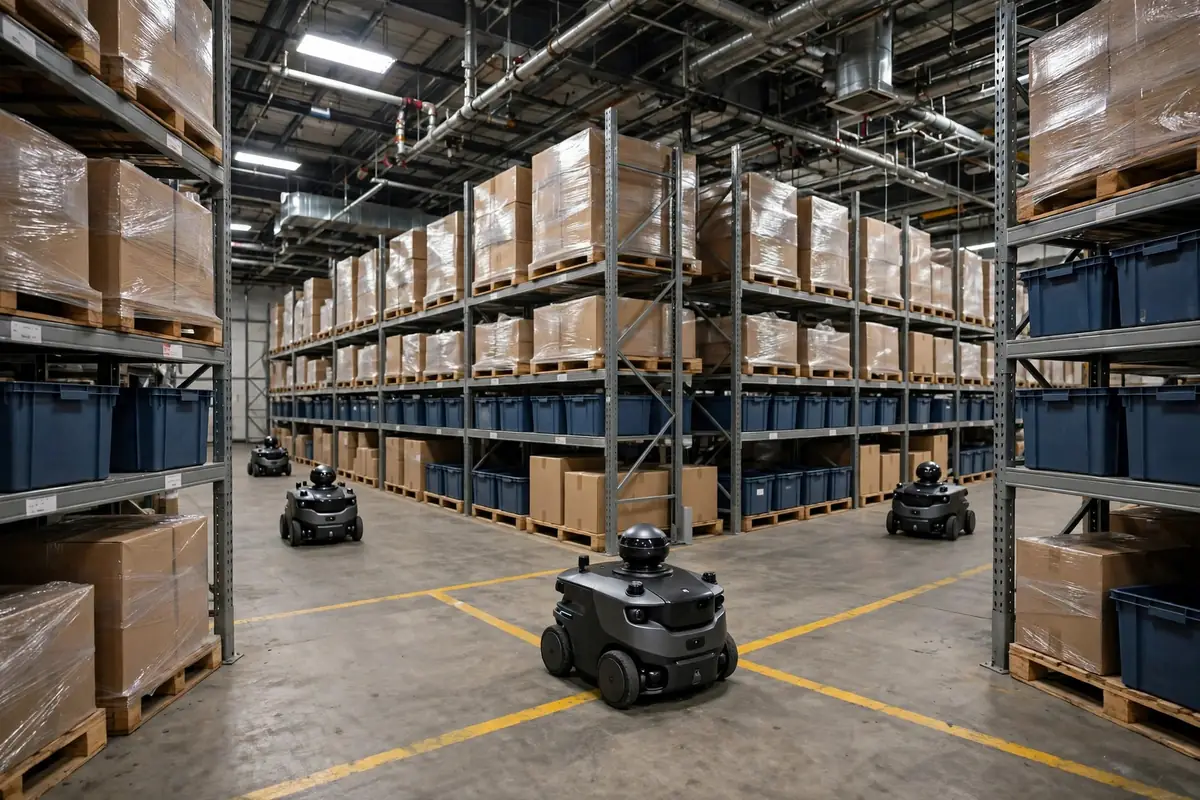
So we changed the question. Instead of asking how many lanes we could fit, we asked how goods should flow from picking to loading without crossing each other. We split the floor into three simple streams: urgent same-day orders, normal next-day orders, and bulky or special-handling orders. Each stream got its own area, and within each area we kept lanes only for the routes leaving that day. Orders that were not leaving that day were not allowed to sit in the loading area at all. That one rule cleared more floor than any new paint ever did.
Outbound Staging Lane Design: Width, Order, and Handoff
Next we fixed width and order inside each lane. A lane must fit the largest load it will actually hold, plus room for a forklift to enter and leave without shuffling other pallets. We measured our biggest pallets, added turning room, and set the width from that, not from what looked neat on a drawing. Inside a lane, goods go in loading order: the pallet that goes on the truck last goes in first, and the pallet that comes off first goes in last. It sounds backwards until you load a truck and realise you never have to move a pallet twice. We also put a simple board at the head of each lane with route, truck number, and departure time, so a new loader can see the job without asking around.
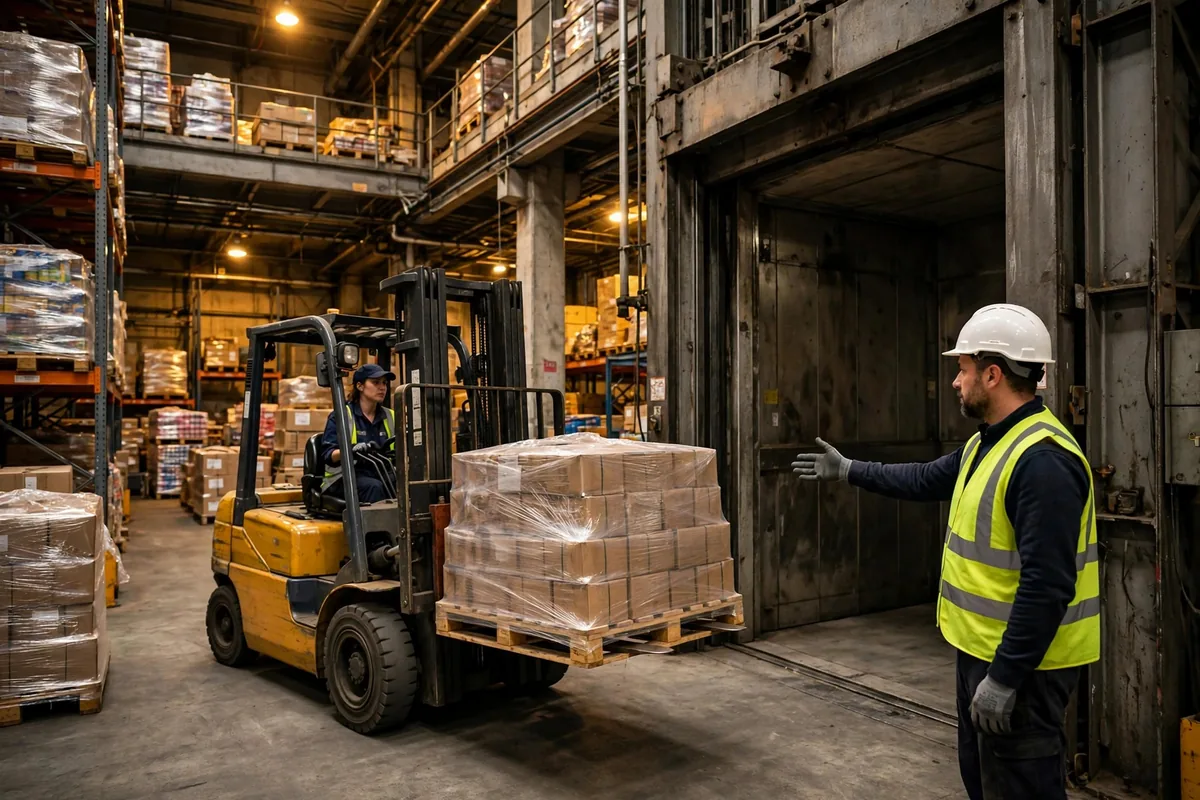
People and shifts are where this either sticks or falls apart. We made one person per shift responsible for the lanes, not for loading, but for keeping the lanes honest. When a picker brought goods to the wrong lane, that person moved it at once and told the picker why. We also changed handover: the outgoing shift lead walked the lanes with the incoming lead and pointed out what was ready, what was short, and what was waiting on a late pick. It took ten minutes and saved far more than ten minutes of searching later. A lane system without a named owner becomes decoration within a month. I have seen it happen twice.
Here is the framework we now use when a lane feels wrong. First, check flow: are goods for different routes or days mixed in one place? Second, check size: is the lane too narrow for its biggest load? Third, check order: is anything inside the lane going to force a second move? Fourth, check ownership: does someone on this shift own the answer? Most problems fail at step one or step four, not at the painting stage. The table below shows how we split the work on a normal day.
| Stream | What goes here | Lane rule | Shift check | | Same-day urgent | Orders leaving within four hours | One lane per departing truck, nothing else | Lead confirms truck number and departure time | | Normal next-day | Orders picked today, leaving tomorrow | Grouped by route, kept away from the docks | Evening lead clears anything not leaving tomorrow | | Bulky or special | Oversized, fragile, or cold-chain goods | Wider lanes, extra clearance, labelled handling notes | Handler signs off before loading |
And here is the counterintuitive part. Leaving a lane deliberately empty feels wasteful, but it is often the fastest thing you can do. We keep one spare lane near the docks for late arrivals and split loads. On paper it looks like wasted space. In practice it stops the whole floor from jamming when one order runs late, because the late goods have somewhere to go that is not someone else's lane. A floor with no slack has no room to absorb a delay, so one late order delays every order behind it. Empty space, used on purpose, is not waste. It is insurance.
We tested this the hard way. During a peak week last autumn, order volume rose by about a third and two trucks arrived early. In the old layout that would have meant chaos. With the new lanes, the early trucks took the spare lane, the loaders worked in order, and every truck left within its window. There was still pressure, still shouting, still a long day, but no wrong-route pallet and no second trip. That week convinced the team more than any meeting ever could.
So if your floor looks messy at seven in the morning, do not start by buying more racks or painting more lines. Start by watching one order from picking to truck and writing down every time it is moved, waited on, or searched for. Then fix the flow, fix the width, fix the order, and name an owner for each shift. A tidy floor is not the goal. A floor where the next loader can find the right goods, in the right order, without asking, is the goal. That is what keeps trucks leaving on time.
A reminder to fellow managers: check your lanes at the start of the shift, not at the end of the day when the damage is already loaded onto a truck.
By Chen Feng, Warehouse Operations Manager