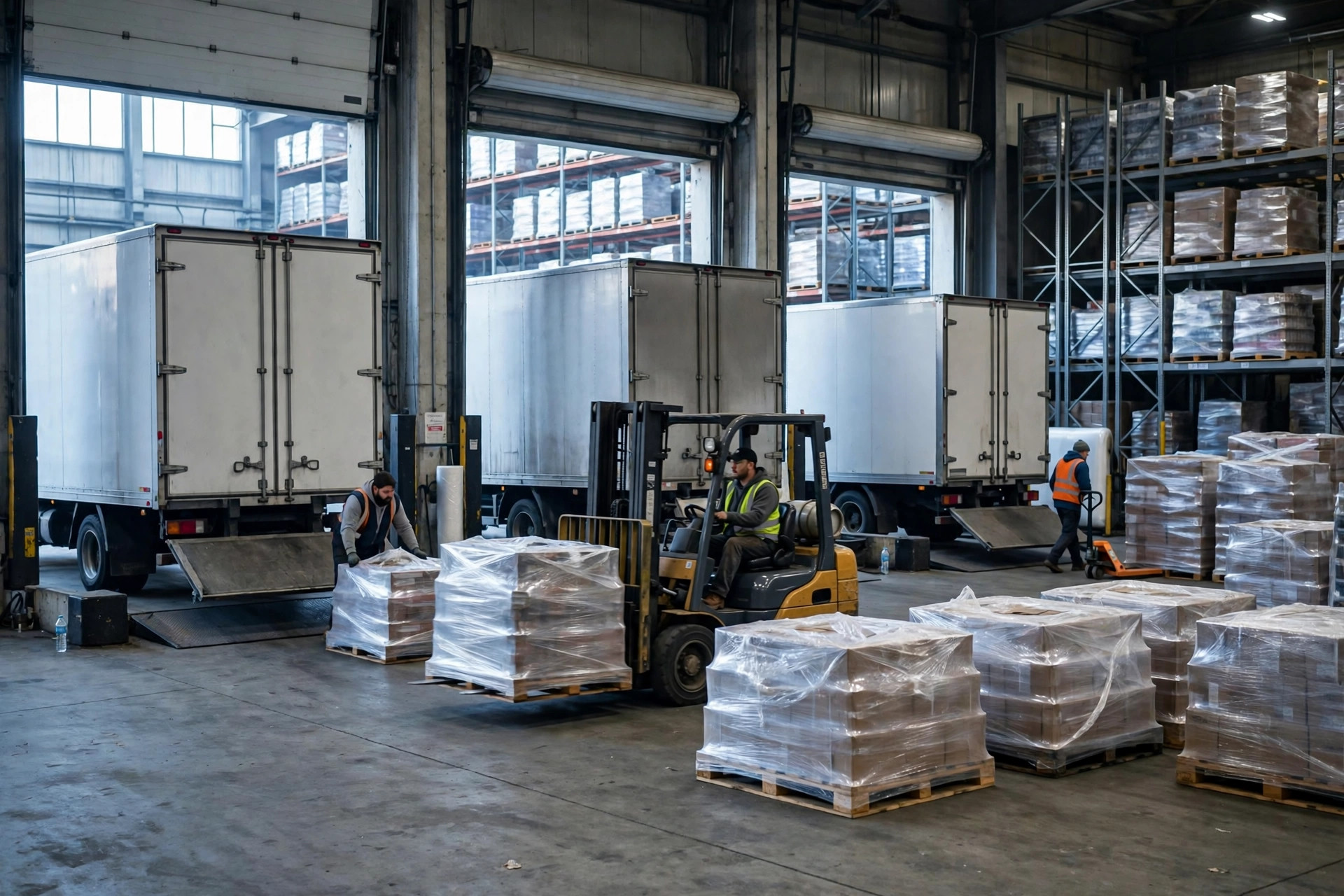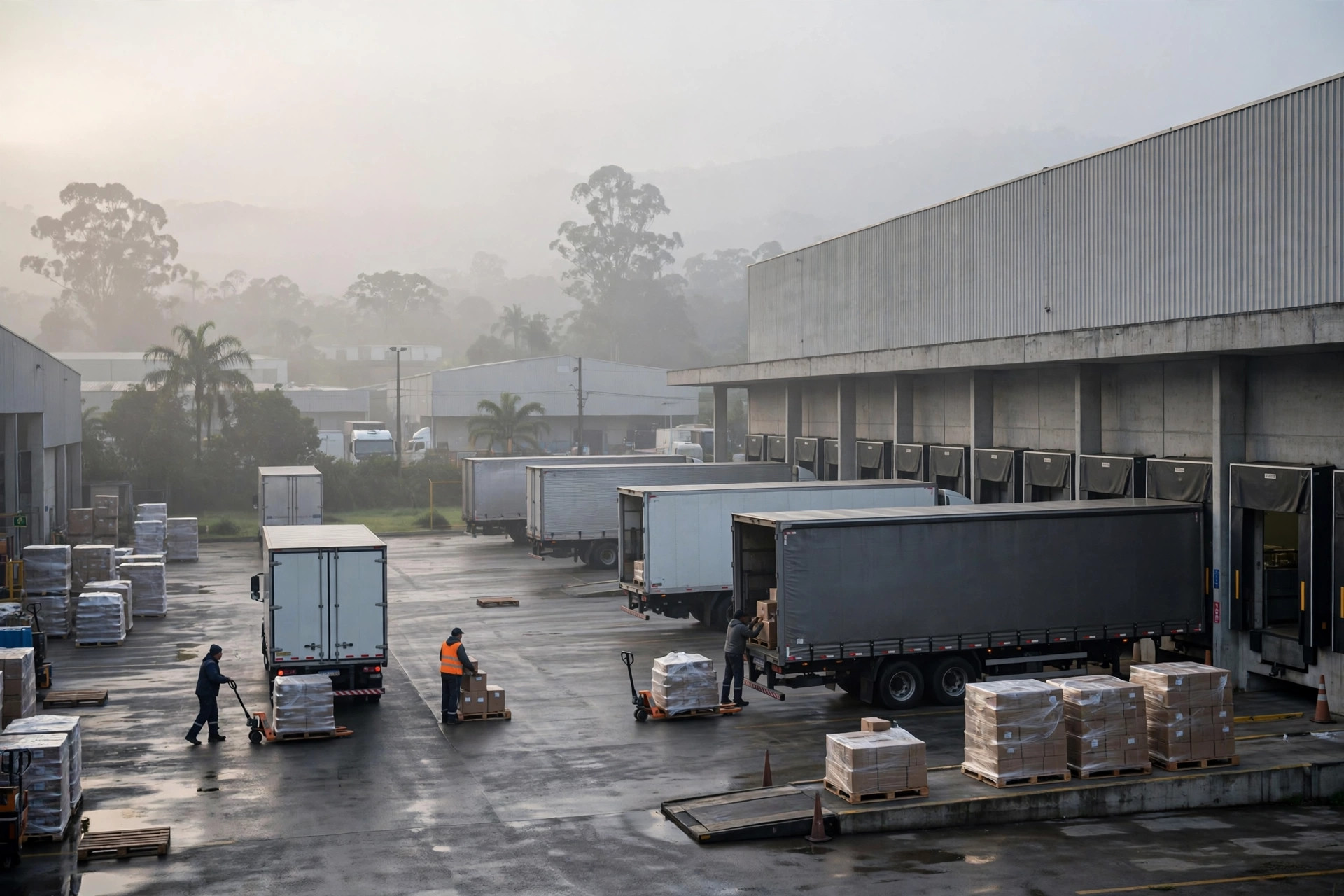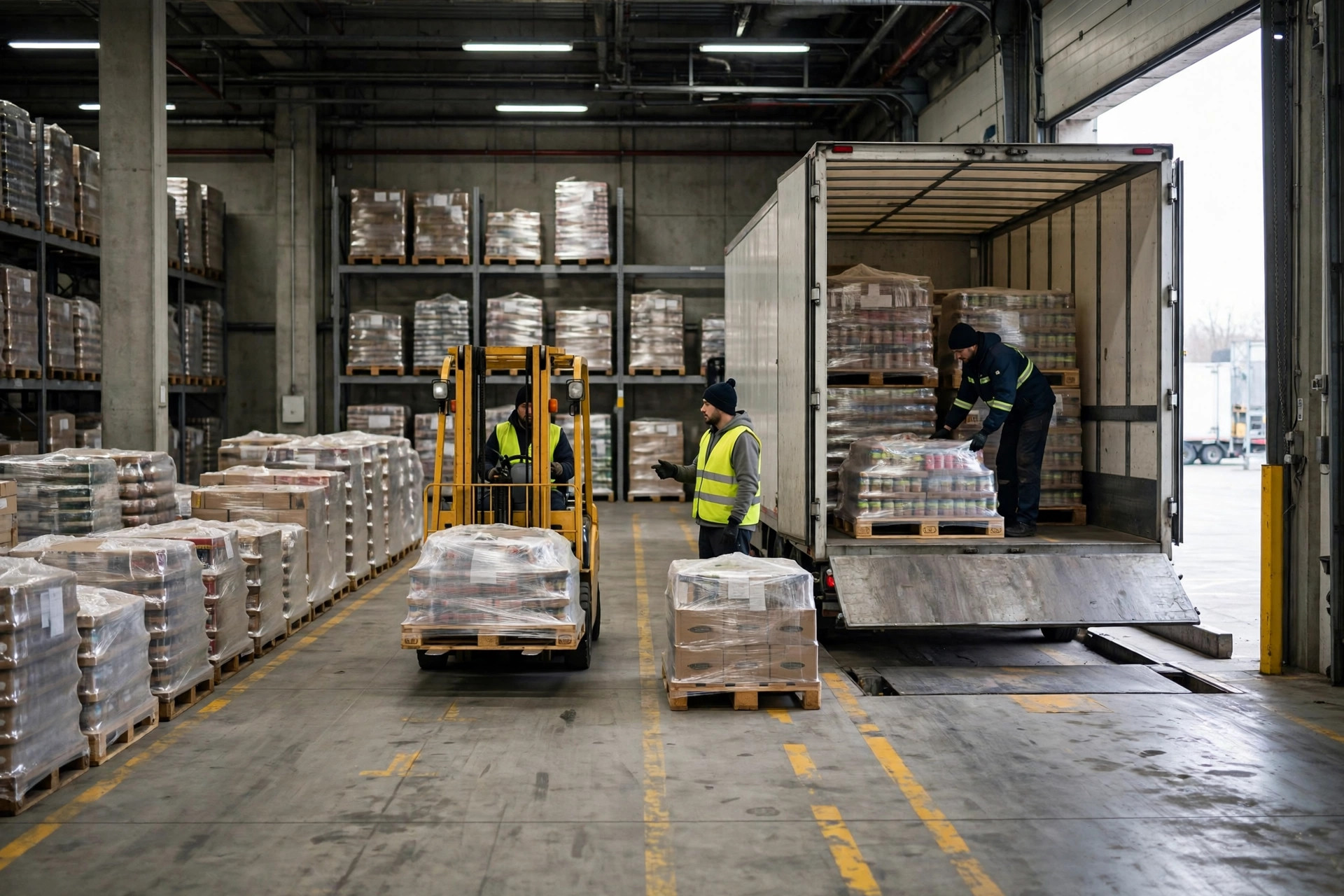
Let me tell you something after all these years on the road: what I dread most is not traffic. It is pulling up to a dock and finding the trailer loaded backwards. Warehouse outbound load planning sounds like a warehouse job, but the people who pay for it are the driver on the road and the receiver waiting at the dock. Load it right, and the driver backs in and unloads. Load it wrong, and every stop turns into unloading somebody else's freight just to reach your own.
One thing before the stories: the two loads below are illustrative examples drawn from runs I have worked, not published industry statistics. The numbers are there to show the mechanics, not to quote as market data.
I still remember one load from October 2019. I picked up 26 pallets at a warehouse in Ontario, California, for three stops: Los Angeles with 2 pallets, Las Vegas with 8, and Phoenix with 16. The warehouse loaded in the order freight arrived at the dock, so the 16 Phoenix pallets went deep into the nose of the trailer, and the 2 Los Angeles pallets ended up buried behind them. At Los Angeles, the receiver only needed those 2 pallets, but I had to pull more than 20 pallets out onto the dock, dig out the 2, and reload everything I had just moved. That one stop ate two and a half hours of dock labor, forklift time, and restacking. Every stop after that went the same way. I had planned to finish all three stops that day and only made two. The third stop slipped to the next morning, and the receiver's line was waiting on material while the phone kept ringing.
A load out of Dallas in the spring of 2023 was the mirror image. The warehouse there loaded 28 pallets for a multi-stop run, but first they asked me for my delivery sequence. The farthest stop went into the nose, and the nearest stop sat right by the doors. When the doors opened, the first stop's freight was right there, and the forklift had it off in a couple of moves. I averaged about 20 minutes per stop, never broke the load down once, and finished the whole route before dark. Same kind of truck, same kind of road. The only difference was whether anybody had planned the load in reverse delivery order before the forklift started moving.
Warehouse outbound load planning is not only about sequence. You also have to respect what the freight is. Freight that cannot take weight on top should never sit at the bottom of a stack. Fragile freight belongs where it will not be handled twice. Cold freight makes you think about how many times those doors will open. A delivery map that only lists pallet counts is half a plan. Mark the do-not-stack pallets and the temperature-sensitive ones on the same sheet, so the loader and the driver are working from the same picture.
The thing that wrecks a good sequence most often is the last-minute add-on. The trailer is half loaded when dispatch calls about one more stop, and somebody tucks the new freight by the doors to save time. Then it turns out that new stop is a far stop for tomorrow, and it sits in the doorway blocking the first stop's freight. My rule is simple: a late add-on is fine, but check the map first. Put the new freight where its stop belongs in the sequence. If it genuinely does not fit there, run it separately rather than scrambling the whole trailer to save one trip.
Warehouse Outbound Load Planning Starts With a Delivery Map
The rule fits in one sentence: load in reverse delivery order. The farthest stop goes deepest, the nearest stop goes by the doors. Before anyone touches a pallet, draw the map: each stop, its pallet count, its arrival window, and any freight that cannot be stacked. Without that map, loaders can only load in the order freight shows up, and the faster they load, the more breakdown work they hand the driver down the road.
| Approach | First stop | Mid-route breakdowns | Damage exposure | Stops a driver can finish |
|---|---|---|---|---|
| Loaded in arrival order | Dig for buried freight | Nearly every stop | Every extra touch adds risk | Fewer than planned |
| Loaded in reverse delivery order | Doors open on that stop's freight | Rarely needed | Freight is handled once | The full route |
Good Warehouse Outbound Load Planning Pays for Itself in Unloading Time
Most people cost only the half hour of loading and call fast loading cheap. That math is wrong, because it stops at the dock door. Every breakdown costs time, and every extra touch raises the chance of a scuffed pallet, a mixed-up pallet, or a missing piece. Receivers start calling, drivers miss stops, and the warehouse has to send help to sort it out. None of that shows up on the loading sheet, but all of it is real money. Spending an extra 15 minutes getting the sequence right can save hours on the road, and freight that gets broken down and restacked on a dock often comes back off-square and needs straightening again at the next stop. One job ends up done twice.
Here is the counterintuitive part: a trailer with a little breathing room by the doors can beat a trailer packed wall to wall. People treat a completely full trailer as a job well done, but if the doors are jammed tight, the forklift cannot reach the first stop's freight without moving somebody else's. Leaving half a pallet position of working room by the doors makes the first stop faster, and a faster first stop sets up the whole day. A full trailer is not the skill. A trailer that unloads in sequence is the skill. Weight works the same way: everyone wants heavy freight up front for stability, but if the heavy freight belongs to the first stop, sequence has to win, and the middle freight does the balancing. When sequence and balance fight, protect the sequence first and adjust the balance around it, following the carrier's and the latest local rules.
Three Field-Tested Habits for Shippers and Warehouses
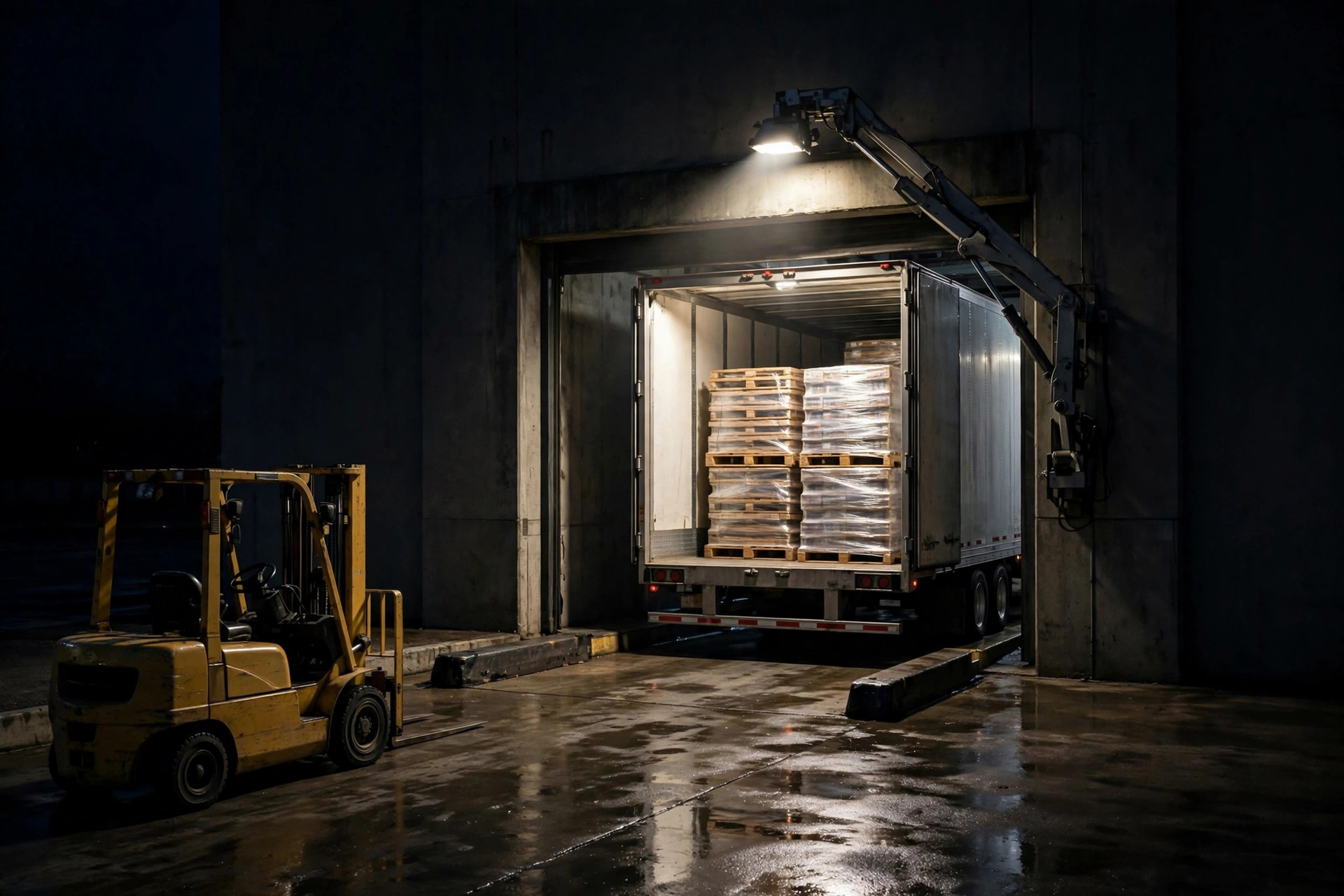
Shippers should hand the warehouse a delivery sequence sheet before loading starts: stop names, pallet counts, and arrival windows, not just a total pallet count. That sheet is the working core of warehouse outbound load planning on a multi-stop run. The warehouse loads in reverse from that sheet, takes a photo at the doors when the load is done, and the driver checks before signing: is the freight by the doors really the first stop's freight? If it is not, say so on the spot, not after the seal is on. If the sequence changes on the road, say because a receiver moves an appointment, call the warehouse at once. Changing the sequence before loading is a one-sentence fix. Changing it after loading is half a day of labor.
The last chance to catch a mistake is after loading and before the seal goes on. My habit, built over fifteen years, is to walk to the doors before I sign, count the pallets by the doors against the first stop, and take a photo for my own record. It takes two minutes and stops most loading mistakes cold. Warehouses can do the same by having a second person check the door freight against the sequence sheet before sealing. Two pairs of eyes before the seal beats one person loading and sealing alone. If something does go wrong, the photo and the sequence sheet settle the argument without anyone having to argue from memory.
An old saying fits this work well: sharpen the axe before you cut the wood. The half hour spent on the load is worth it, because it decides how the whole day on the road goes.
By Shifu Zhao, Trucking Veteran (15 yrs)