Our warehouse office space started as two folding tables
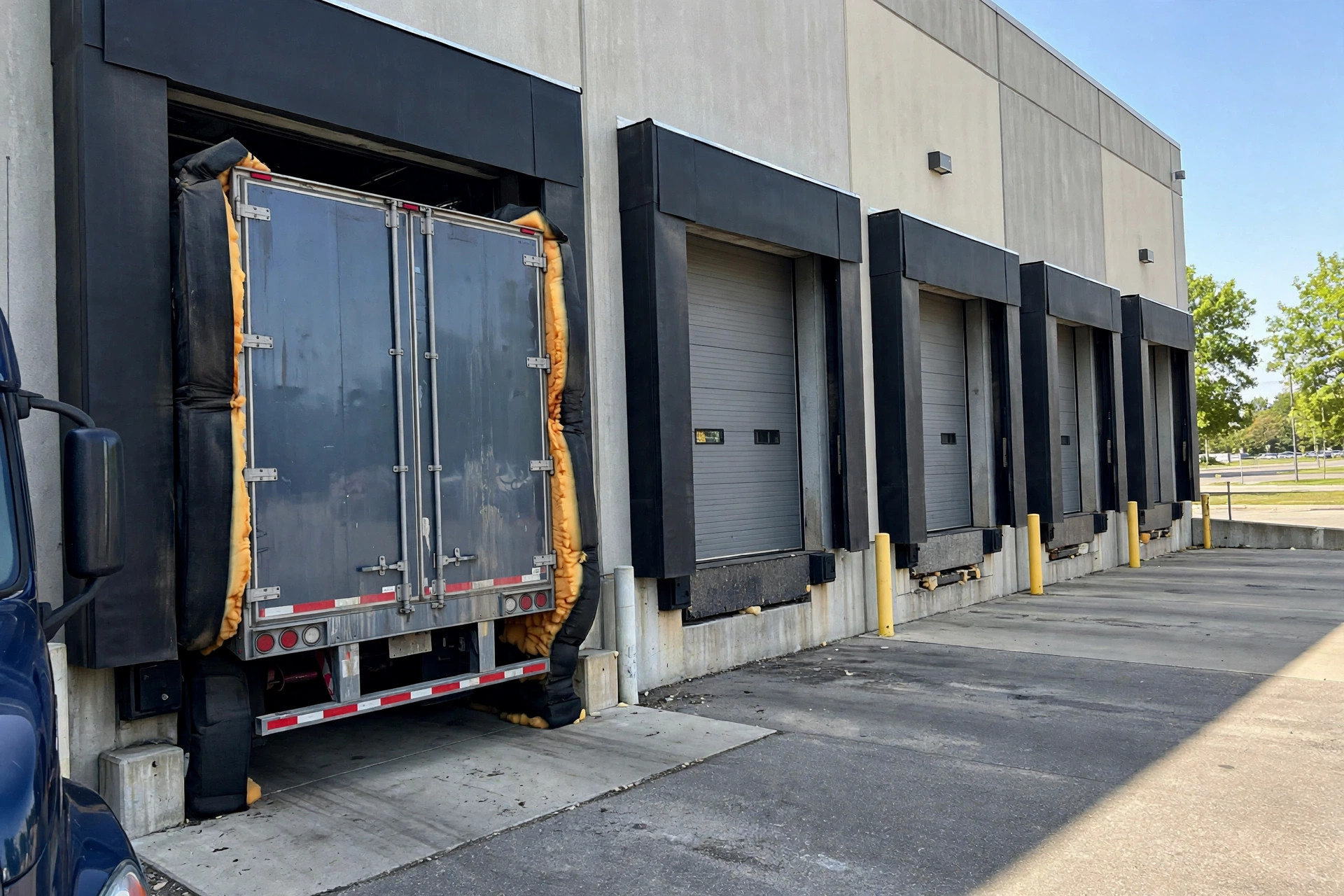
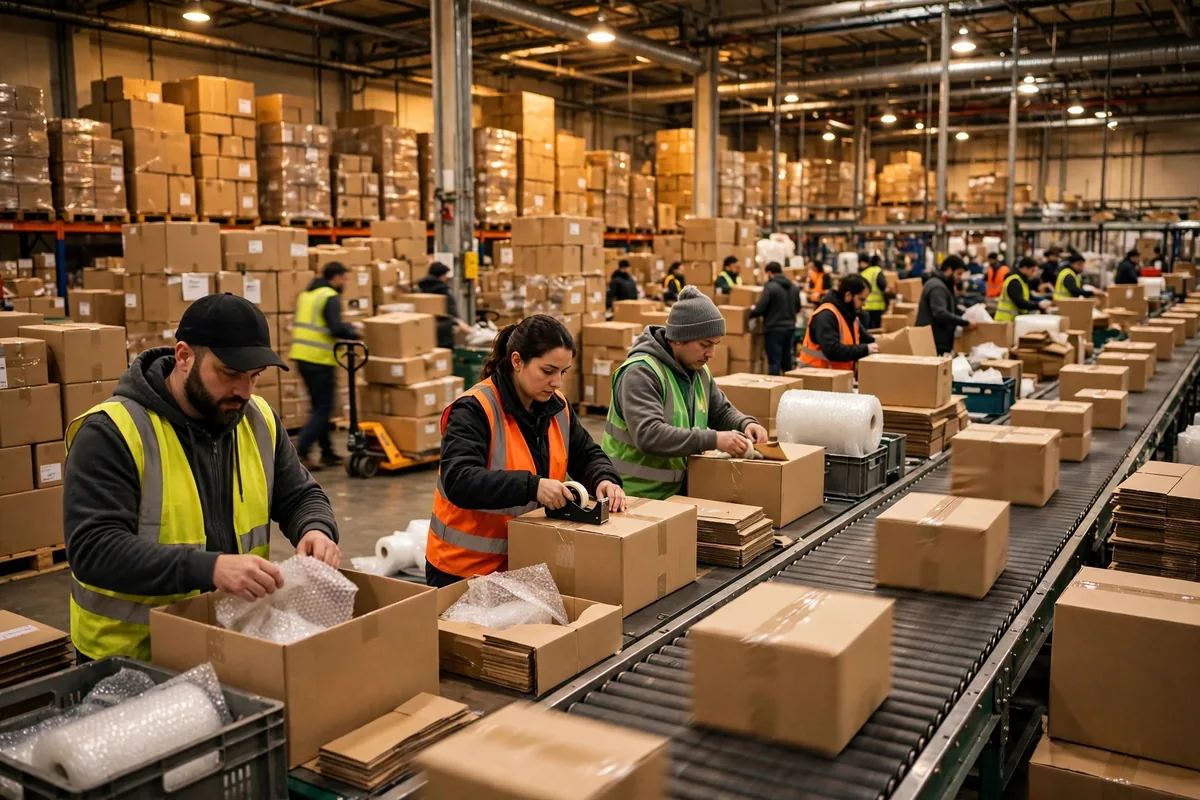
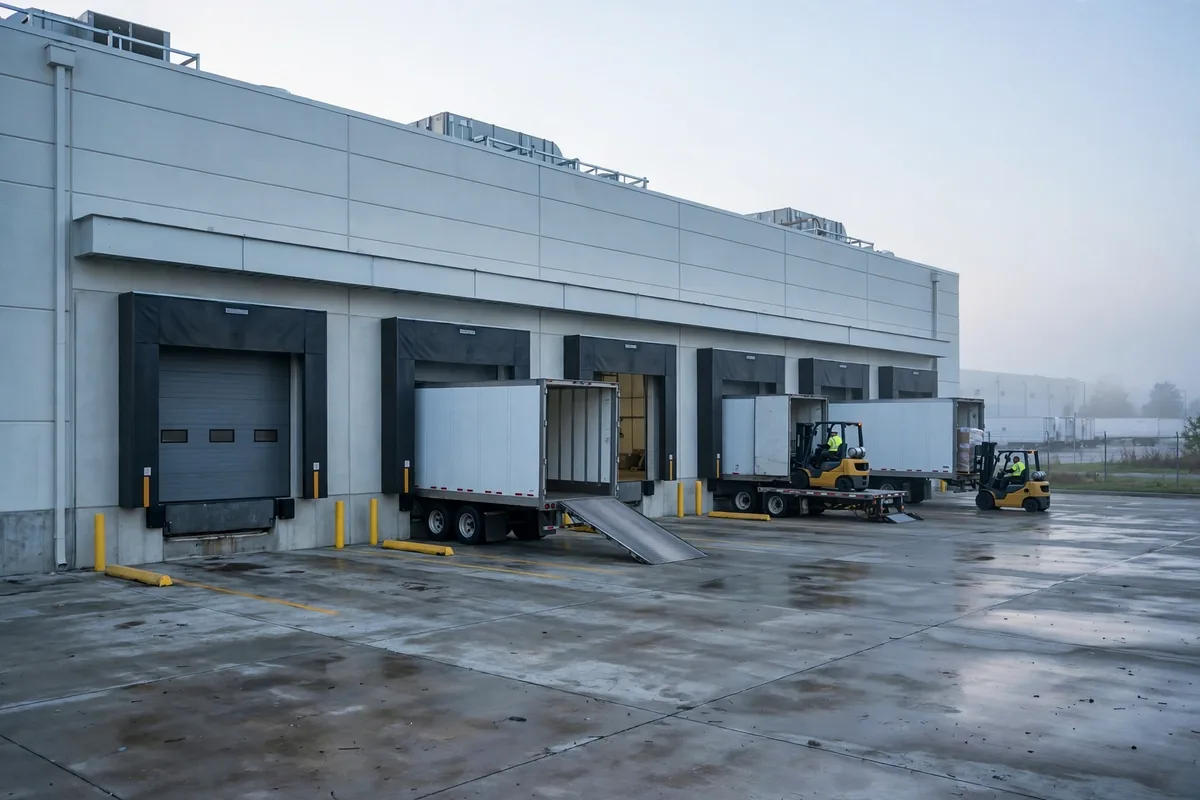
We moved into our 3,000-square-meter warehouse in October 2023. Five people, one printer, one landline phone, and two folding tables parked next to the packing benches. That was our office space inside the warehouse. Our customer service rep had to shout over the sound of tape guns to take a call, and more than once a customer asked whether we were doing renovation work in the background. She could only laugh it off.
Winter made it worse. Every time the dock door opened, a draft swept across the folding tables and sent printed shipping labels flying. We spent mornings crawling on the floor looking for the one label that mattered. In late November 2023 we mis-shipped 3 orders, and one of them happened because a wind-blown label got stuck onto the wrong carton. We paid the return freight, and we lost something harder to buy back: an old customer's trust. That was the week I accepted that an office is not vanity spending. It is error prevention, and even a small warehouse has to find room for it.
Our neighbor gave me the cautionary tale. In March 2024 I visited an auto-parts warehouse next door whose owner had built his office at the far end of the building, with proper walls and two air conditioners. It looked great. It also meant his service team sat a full warehouse away from receiving, drivers waited half an hour for someone to meet them at the dock, and the owner walked the length of the building twice a day just to check on things. Big-company style, small-warehouse bill. We could not afford that money, and we definitely could not afford that time.
Three quotes for office space inside a warehouse, and the one we picked
In May 2024 I decided to partition off about 60 square meters near the main door, close to receiving but not pressed against the sorting line. Three contractors gave me three quotes, and I still keep them in a drawer:
| Option | Quote at the time | Build time | Biggest drawback in practice |
|---|---|---|---|
| Steel stud and gypsum board, floor to ceiling | RMB 48,000 | About 12 days | Air conditioning and smoke extraction had to be reworked, with open-ended extra cost |
| Prefab color-steel panel room | RMB 19,000 | About 4 days | No sound insulation; every phone call echoed across the warehouse |
| Steel stud and gypsum board, up to 2.4 meters, open at the top | RMB 26,000 | About 7 days | Some dust and noise leak over the top |
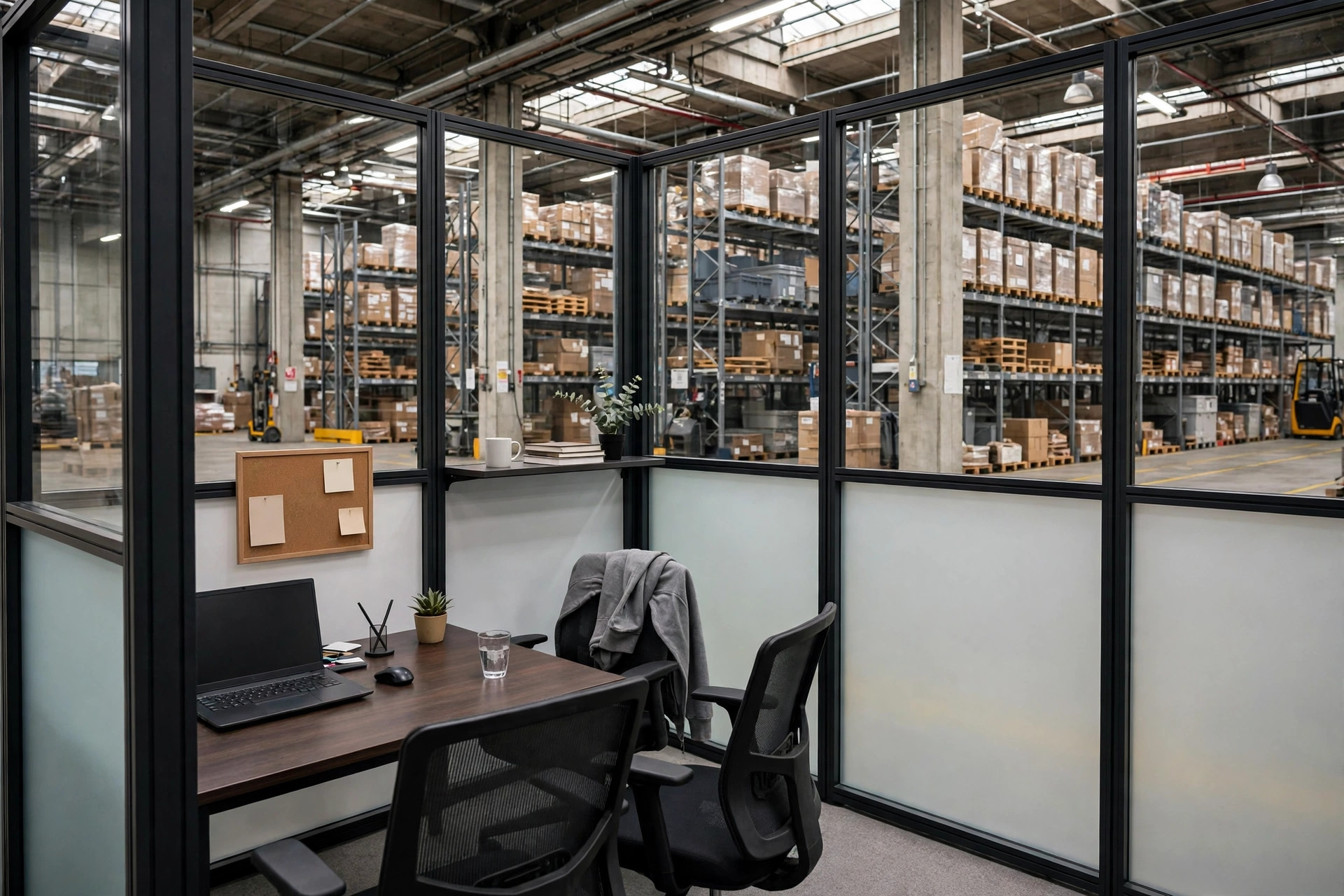
We picked the third option, for a deeply unglamorous reason: it was cheap, and because the partition did not reach the ceiling, we did not have to rebuild the air conditioning or smoke extraction, and the warehouse never stopped working. Sound insulation took a hit, so we bought noise-cancelling headsets for the service team and hung a sliding door around the phone corner. Calls became perfectly workable. Here is the counterintuitive part most people get wrong: the most sealed-off office is not the best office for a small warehouse. The tighter you seal it, the more the retrofit costs, and the less you can see of your own floor. Our half-open partition lets anyone inside look up and see whether the sorting line has jammed, and shout to stop it. That is worth more than a handsome glass door, and it is the main reason this office space inside a warehouse works for a five-person team.
Do not overbuild the size, either. Sixty square meters holds five workstations and a small meeting corner, and that is exactly right for us. The auto-parts neighbor partitioned 120 square meters, and half of it ended up holding samples and old cartons. He paid partition money for a storage closet. Every extra 10 square meters of office is 10 square meters of rent and overhead every month. Build for the headcount you have, leave room for one more desk, and add a table when the hire actually arrives, not before.
Traffic and fire rules: the parts you cannot cheap out on
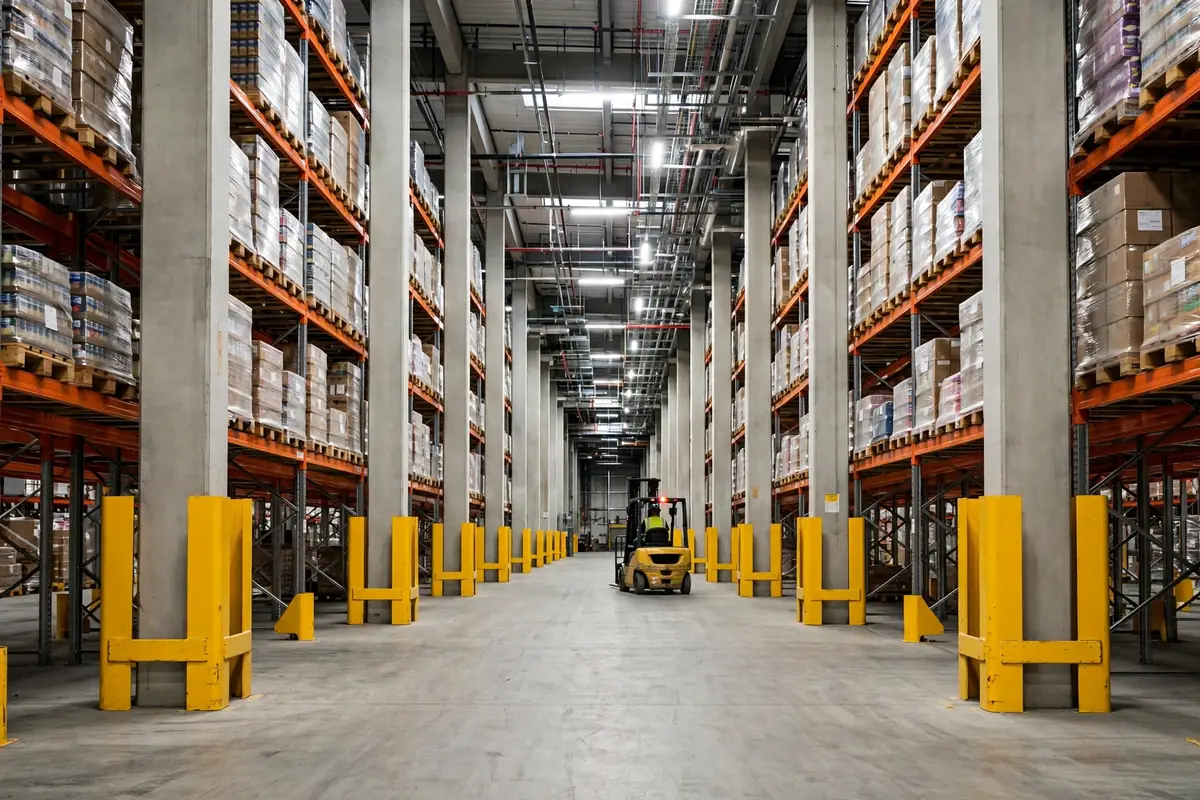
Traffic flow has one rule in our warehouse: visitors never cross a forklift lane on their own. The office sits by the main door, so customers and drivers turn left into the office, talk samples and paperwork there, and only enter the floor with one of our people guiding them along the marked pedestrian path. In June 2024 a customer wandered in unescorted and nearly walked into a reversing forklift. Since then there is a sign at the office door and a visitor log: register first, then someone walks you in. It looks old-fashioned. It costs nothing. It beats paying for an accident.
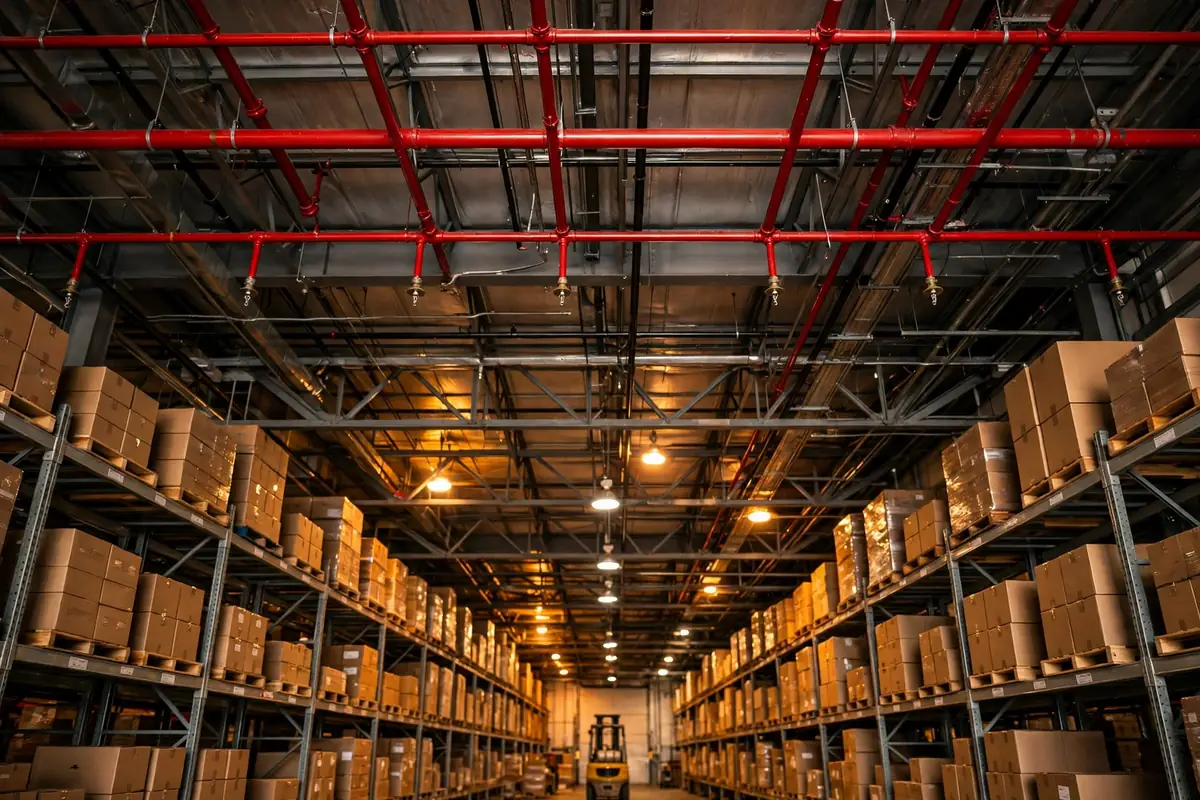
Fire safety is the one place where I tell every small warehouse owner not to improvise. Our partition material is non-combustible, confirmed with both the contractor and the property manager. Nothing in the office blocks a hydrant or an extinguisher. The evacuation route stays clear at all times, and wiring runs in surface trunking rather than being stuffed inside the partition cavity. Local requirements differ from place to place, so check the latest official rules and the fire authority's position for your own site before you build; a layout that passed somewhere else does not guarantee a pass at yours. We asked the property manager and a fire consultant before starting work. Two extra phone calls saved us one full rework.
Living with the office taught us the small stuff nobody puts in a quote. Warehouse dust is far heavier than office dust, so our printer's paper feed needed cleaning monthly until we added a doormat and shoe covers at the office door. We also left 6 spare power outlets and 2 spare network ports during construction, and the crew laughed at me for it; within six months every one of them was in use by the printer, the label printer, a spare computer, scanner chargers, and a small screen showing inventory. Adding outlets after the walls are up means opening the walls, at double the labor cost.
The results, in plain numbers: RMB 26,000 for the partition, 7 days of work, zero downtime. In June 2024, the first full month after the office opened, mis-shipments fell from 3 the previous month to zero, and no customer ever again asked whether we were renovating. The partition performed no magic. People could finally check an order without being interrupted. Add the headsets, doormat, and extra outlets at roughly RMB 4,000, and the one-time total comes to just over RMB 30,000. A 40-square-meter office we had priced near the warehouse was renting at RMB 3,500 a month, or RMB 42,000 a year before utilities and commuting time. The partition paid for itself in under a year of avoided rent, and every year after that is pure saving.
If you run a warehouse like ours, three rules cover most of it: put the office by the door, not deep in the building; build good enough rather than impressive, and an open-topped partition is often the cheaper call; ask about traffic flow and fire safety before you build, because rework costs far more than questions do. Carving office space inside a warehouse is mostly about those three calls, not about square meters. Small warehouses have their own way of surviving. An office does not need to be big or impressive. If five people can sit in it and get orders right, it is a good office.
By Xiao Ma, Small Warehouse Owner