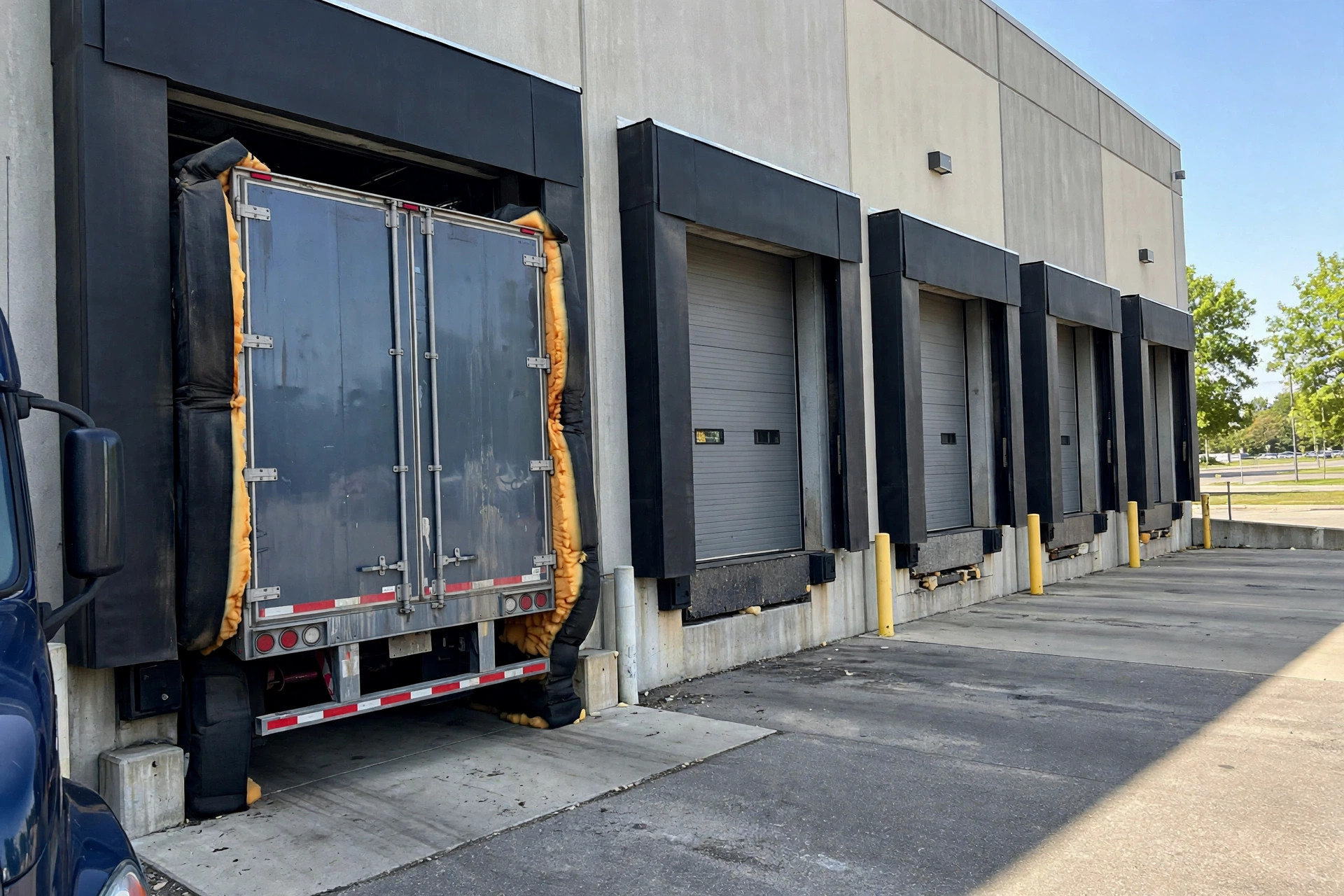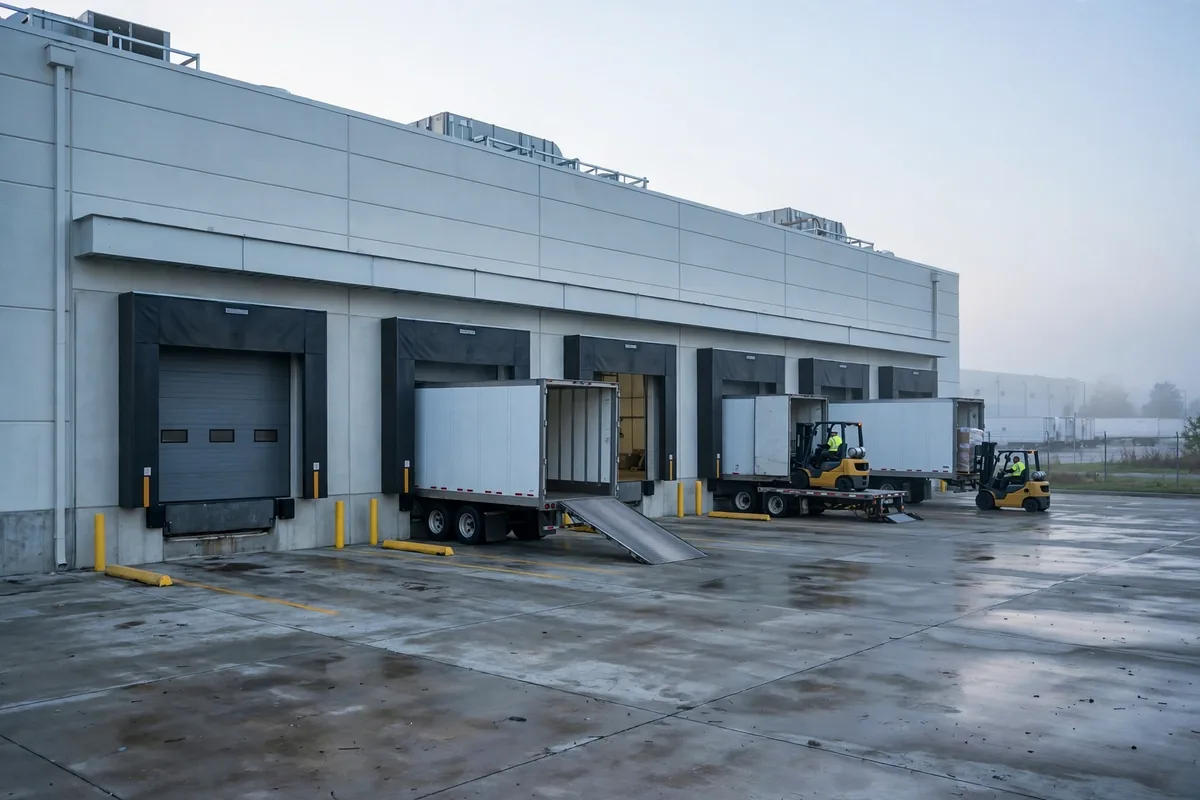
Let me tell you something after fifteen years on the road: the worst part of a warehouse stop is never the unloading. It is the waiting, and that gate taught me most of what I know about warehouse hazmat storage area separation requirements. Last summer I hauled a load of industrial cleaner from Houston to a warehouse in Ontario, California. Paperwork clean, seal intact, appointment on time. I get to the gate and the receiving clerk shakes his head at the manifest. My bay was not ready. The pallets next door held oxidizers, and my load could not sit beside them. I sat at that gate for three hours while the warehouse scrambled two forklifts to move those pallets to the far end before they would take mine. That run cost me fuel, time, and nearly my next pickup.
I had a word with that clerk afterward, and one line stuck with me: if your load leaks in here, the stuff next door is the accomplice. Rough words, true words. Warehouse hazmat storage area separation requirements boil down to one idea: goods that do not get along should not be neighbors. It sounds simple. Doing it right is all in the details.
Why Warehouse Hazmat Storage Area Separation Requirements Treat Some Neighbors as Enemies
Take the most common bad pairing: flammables and oxidizers. One likes to catch fire. The other helps fire burn hotter. Stored apart, each minds its own business. Put them side by side, and one leaking drum plus one spark turns into something bigger than one drum. Then there are acids and bases. Apart, they are ordinary industrial stock. Mixed, they smoke, heat up, and leave you guessing which side to deal with first. And there is a fussier crowd still: goods that react with water. Park them near a water line or a door where rain blows in, and a mop bucket can start trouble.
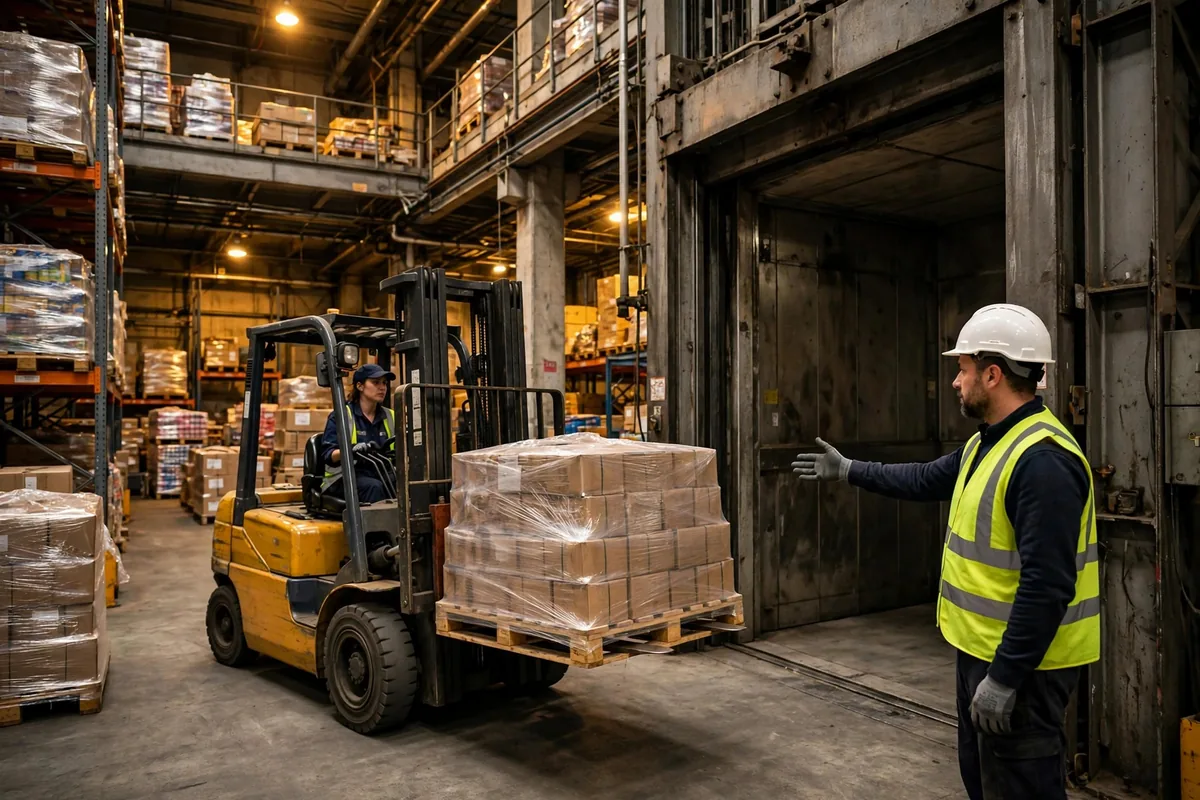
An old running buddy of mine, Lao Zhang, told me about a warehouse in Ohio a couple of autumns back. A drum of acid tipped over, ran across the floor, and pooled under a pallet of bases. The two met, smoked, heated up, and the whole zone was shut down for most of the day while every pallet came back out for recounting. Nobody got hurt, which was pure luck, and that day's outbound orders went sideways. After that, the warehouse made a rule: acids and bases each get their own zone with an aisle between them, and nobody stacks them on one pallet to save a trip.
Here is the plain version of the rule I have picked up from receivers and warehouse managers over the years:
| Pair that cannot share space | Why not | How to keep them apart |
|---|---|---|
| Flammables × oxidizers | One starts fire, the other feeds it | Separate zones or cabinets with an aisle between |
| Acids × bases | Mixed, they react, smoke, and heat up | Their own zones, with separate spill pallets |
| Water-reactives × damp spots | Water sets them off, even from mopping | Dry ground, away from pipes and doors |
The test is not whether the product names sound like family. It is whether their temperaments clash. When you are unsure, check the storage section of the safety data sheet for that load, then ask the person who runs that part of the warehouse. Never guess and stack them together. One more thing up front: exact distances, limits, and penalties vary by site and by state, so check the latest guidance on the OSHA, DOT, and NFPA websites. I do not quote numbers here, because a number I quote would be wrong somewhere.
Wall, Cabinet, or Distance? Picking a Separation Method That Meets the Requirements
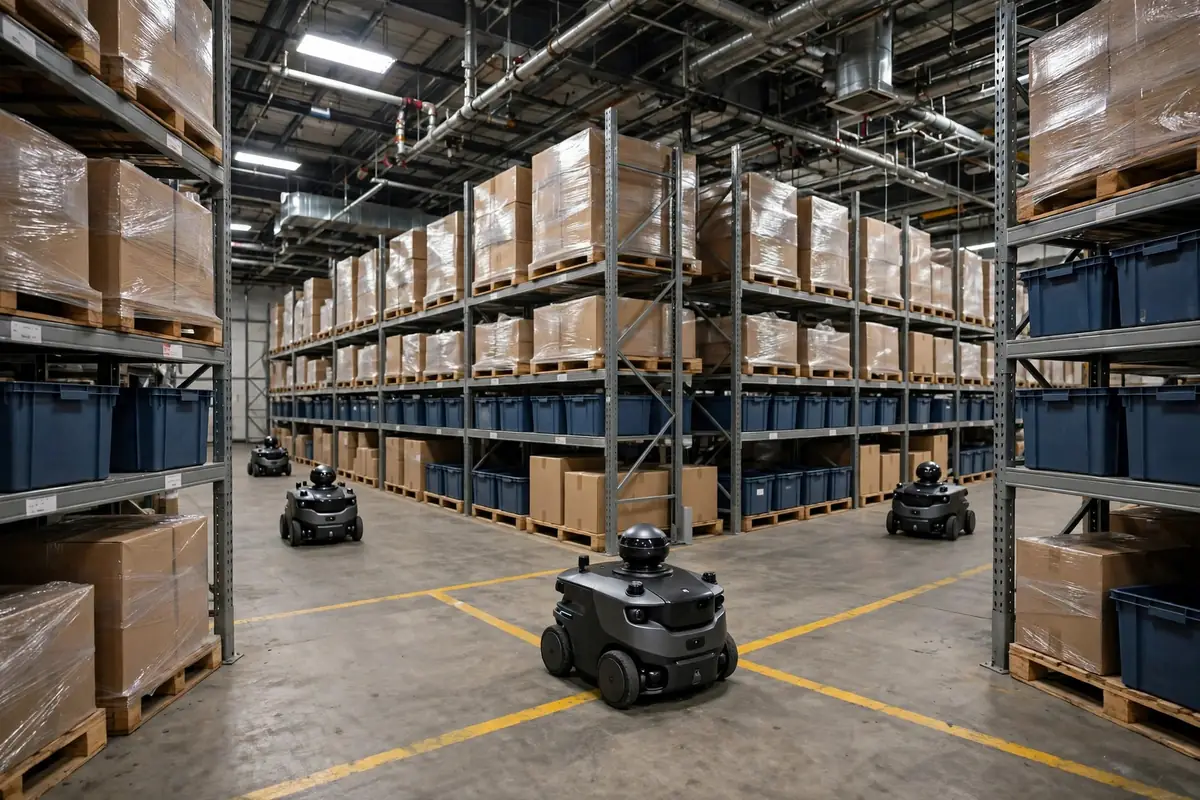
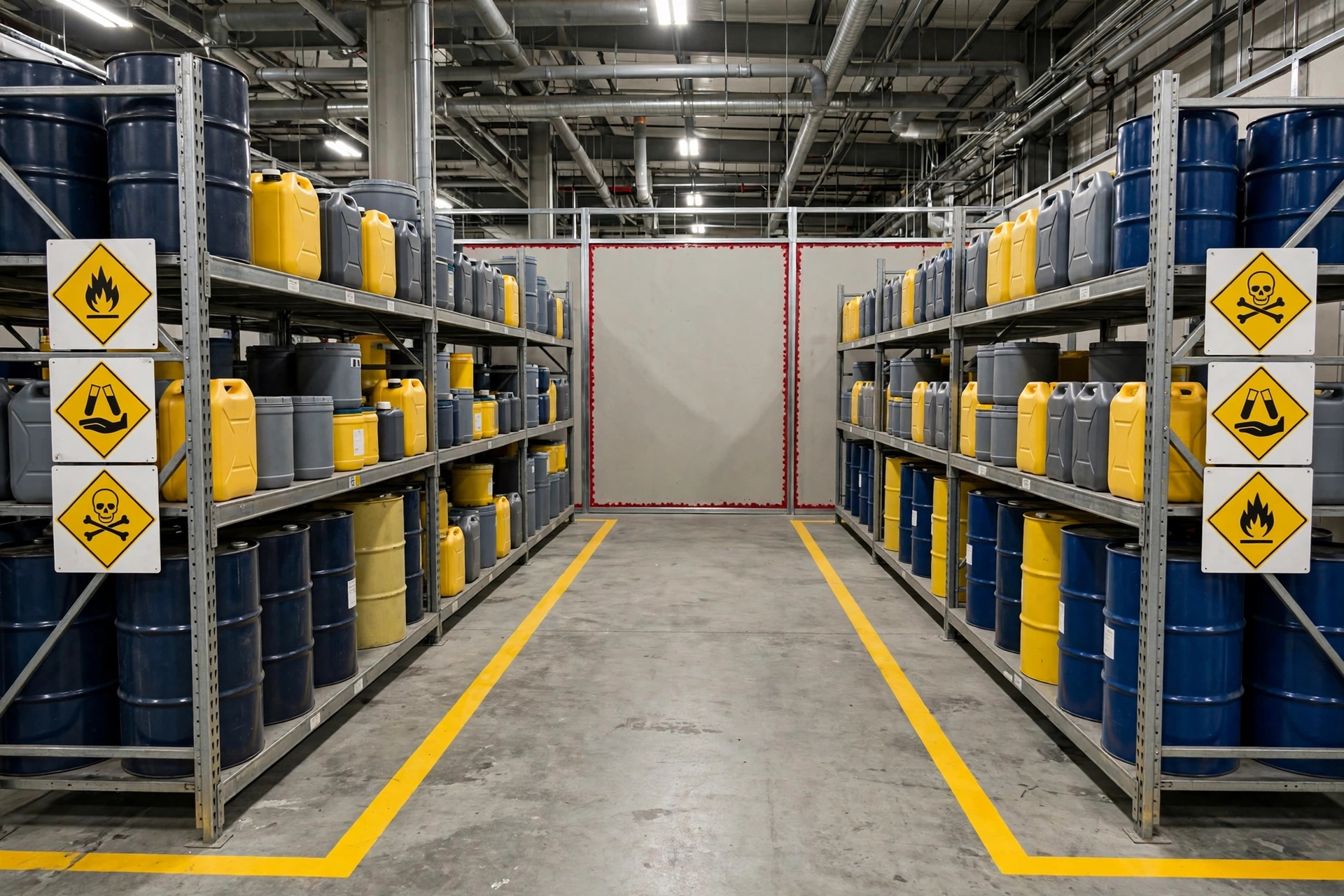
In practice there are three ways to separate hazmat, and I have seen all three in real warehouses. Build a wall or a fire-rated compartment, which is like giving each class of goods its own room. Use a dedicated cabinet, where the cabinet itself is the wall, best for small quantities. Or keep distance and paint lines on the floor, the cheapest option and the one that depends most on people behaving.
| Method | Upfront cost | Floor space | Strong point | Weak point |
|---|---|---|---|---|
| Wall or fire-rated compartment | High, paid once | Takes the most room | The steadiest option for large, long-term stock | Hard to change, and a wall in the wrong place is painful to move |
| Dedicated cabinet | Medium, one cabinet per class | Modest | Flexible, and it moves with you | Fill it up and you need another cabinet |
| Distance plus floor lines | Lowest | Depends on people leaving gaps | Fast to set up, lines go down today | Lines on concrete get ignored once the floor fills up |
Do not judge the cost by the price of the wall alone. A wall costs once. Sloppy storage costs every day. I have watched a warehouse fail a check on separation and spend the whole night moving stock, forklifts and hand jacks everywhere, people on overtime. One night of that chaos costs more effort than three months of ten-minute checks at receiving. Here is the counterintuitive part: more walls are not always better. Pile on the walls and the aisles go narrow first. If something really goes wrong, the fire crew cannot get in and the people inside cannot get out. Separation exists to shrink the chance of trouble, not to turn the warehouse into a maze. A wall drawn right saves money. A wall drawn wrong burns it.
What Gets a Driver Stuck at Receiving
Back to us drivers. When a hazmat load reaches the dock, what gets you stuck is usually not the freight. It is the paperwork not matching the freight. Once I hauled a load where the manifest named one product and the drum labels named another. One sentence from the receiver: does not match, not taking it. I waited over an hour while the shipper fixed the paperwork. Another time the safety data sheet never made it into the cab, the warehouse asked for it, and I had nothing to hand them. The truck sat to one side until it turned up. Damaged packaging, a leaking drum, a seal that does not match the papers, every one of those is a reason a receiver can hold you at the gate.
So before any hazmat run now, I walk through five things myself: the product name and class on the papers match what is actually on the truck; the safety data sheet is in the cab and I can produce it the moment someone asks; the packaging is sound, no damage, no leaks; seals and pallets are solid; and I call the warehouse before I leave to ask which zone this load goes to and whether they want a set arrival time. A five-minute phone call can save three hours at the gate.
For the warehouse side, here is a fix list I have collected from places that learned the hard way. Tick through it as it stands:
- Every class of goods has a fixed zone, with a real barrier or a marked gap between zones, lines on the floor and signs on the wall
- Acids and bases kept apart from each other, oxidizers kept away from flammables, never stacked on one pallet for convenience
- Emergency aisles kept clear every day, no stock, no parked equipment
- Papers checked before the first pallet comes off the truck, and a mismatch means stop and call, not unload and hope
- Each zone marked at the entrance with what goes there and what never does, so a new hire understands it at a glance
- A self-check on a regular schedule, before an inspector ever walks in
Better to wait half an hour at the gate than to spend a whole night cleaning up afterward.
By Shifu Zhao, Trucking Veteran (15 yrs)