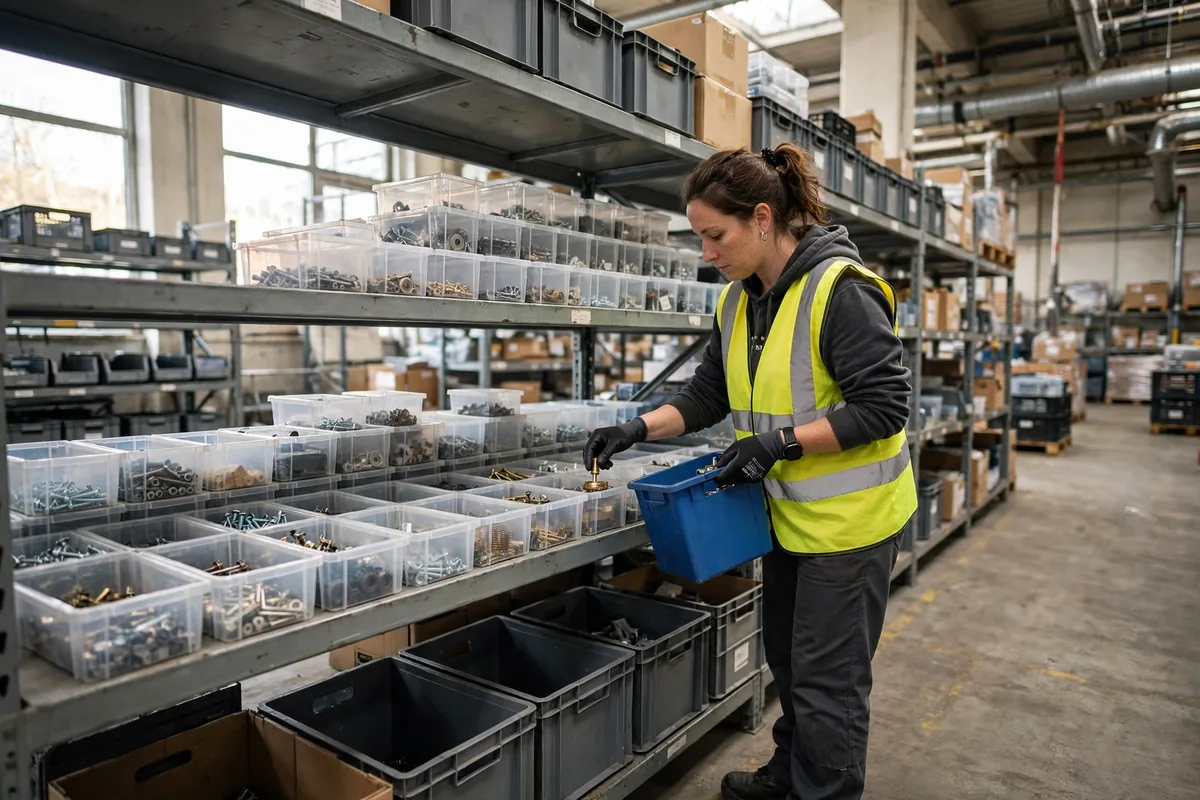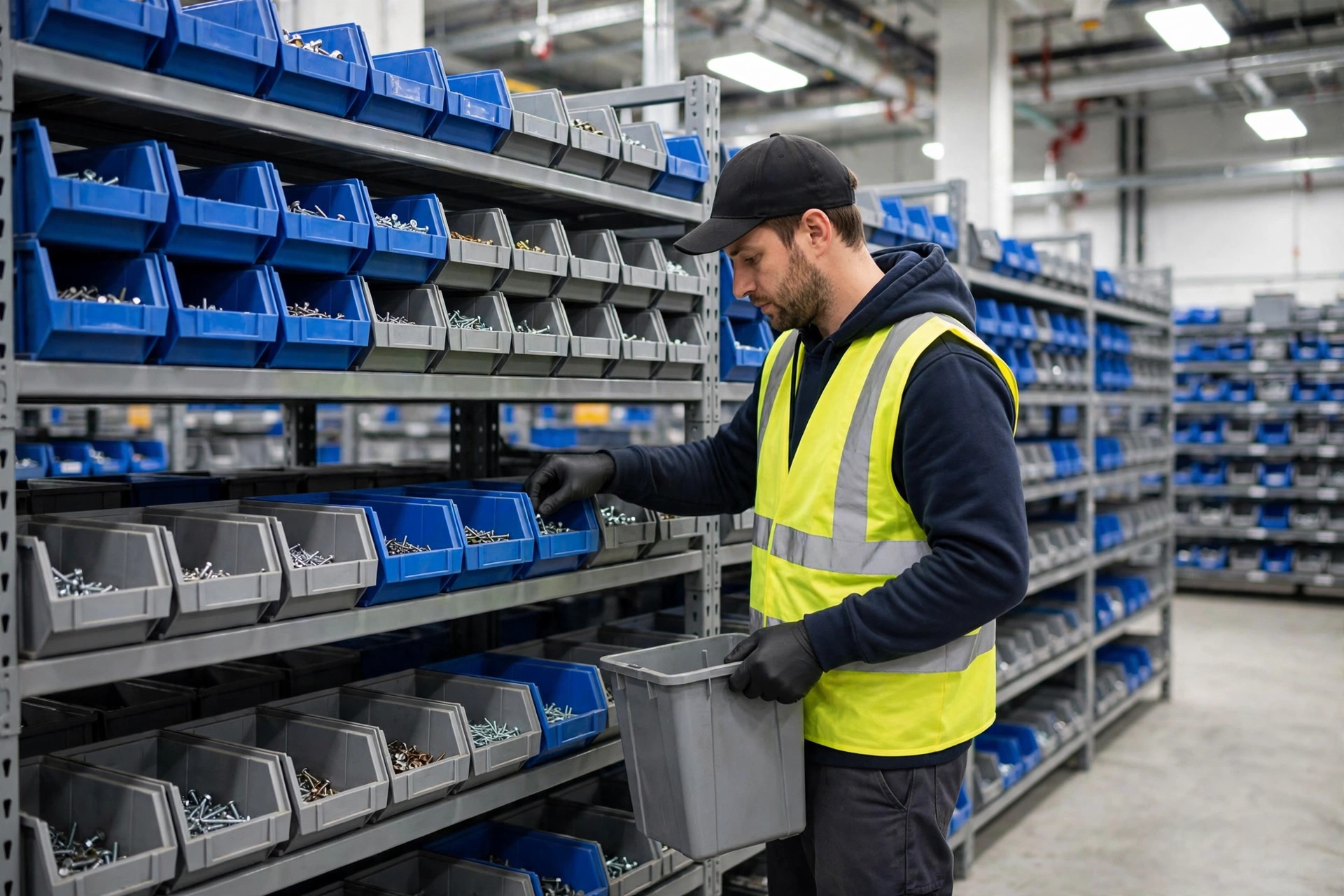
In the autumn of 2024, I stood in a 3C accessories warehouse outside Suzhou watching a picker named Chen work through a stack of orders. He handled more than 800 orders a day, bending down once or twice per order — over a thousand bends before clocking out. His back gave out first, then his speed did. The warehouse moved its fast-moving stock onto the racking at waist height, and his daily output went up without overtime, while the painkillers stopped being part of his shift. That is the whole story of the warehouse golden zone: the band of shelving between waist and shoulder where a picker's hands land naturally, eyes see clearly, and the body stays out of trouble. Put the right stock there and you buy speed and accuracy in one move.
This is not an ergonomics lecture. It is three calculations: why this band of racking pays, how to draw its boundaries, and where people usually go wrong.
Why Waist Height Pays for Itself
Picking costs you in motion, not in walking. Every order runs through four moves: reach, grab, check, drop. With stock at waist height, the four flow into one smooth motion — no reaching above the shoulder, no bending to the floor, and the product name is right there at eye level for a quick check. Stock on the bottom shelf means squatting down and standing back up again; a few extra seconds per order, hundreds of orders a day, and you have burned an hour of a worker's energy on nothing. Stock on the top shelf means stretching, standing on tiptoe, and grabbing the wrong item from the shelf next door.
Think of it like the steering wheel in a car. Hands in the natural position and you can drive all day without noticing; hands held up high and your arms ache within half an hour. A picker's hands and back work the same way. Get the position right and speed follows on its own. Get it wrong and no amount of pep talks or picking contests will hold the pace — people just get tired and start looking for another job.
There is a second, quieter bill: errors. Bending to pick from a low shelf means looking down at an angle, and the bottom shelves are always the darkest. Grabbing the neighbouring SKU is far more likely than when the product sits at eye level. One wrong pick means re-checking, returns, and re-shipping — the cost of fixing it buys dozens of correct picks. Putting fast movers at eye level cuts errors before it cuts seconds, and that is worth more than the speed gain alone.
Drawing the Golden Zone: Three Lines That Decide Everything
This zone is not just a slogan about waist height. On the floor it comes down to three bands, and the stock in each band gets very different treatment.
| Zone | Shelf height | What goes there | The picking motion |
|---|---|---|---|
| Golden zone | Waist to shoulder | The top 20% of SKUs by daily picks | Arm reaches straight out, no bending, no stretching |
| Secondary zone | Knee to waist, shoulder to head height | Medium movers, slightly bulky items | A small bend or a short reach |
| Cold zone | Floor level and top shelves | Slow movers, full-pallet stock | Squatting, stepping up, or machine assistance |
The only thing that decides the boundary is pick frequency — not product value, not size, and definitely not which category a manager happens to like. In the spring of 2025, a cosmetics warehouse in Guangzhou asked me to review their layout. Their waist-height shelves were full of expensive serums, on the logic that "valuable stock belongs within easy reach." Those serums shipped a few times a week, while the makeup remover and face masks that moved hundreds of units a day were buried on the bottom shelves, and pickers bent down hundreds of extra times per shift. We re-slotted everything by the previous three months of daily pick volume — remover, masks, and the bestselling lipsticks into that band — and the average time per order dropped visibly within the week. Pickers walked out standing straight.
One more rule on the boundaries: this band should not be too big. If every shelf counts as golden, none of them is. My working rule is to rank SKUs by outbound volume, give the top 20% the golden band, the next 30% or so the secondary zone, and push the rest to cold storage. Re-run the numbers monthly. A product that takes off moves in; one that fades moves out. It is a revolving door, not a lifetime appointment.
Fix the Golden Zone Racking Before You Buy the Robots
The moment anyone mentions picking efficiency, somebody wants to buy equipment: conveyors, AMRs, robotic arms, a quote in the millions. Here is my unfashionable take: until the zone is drawn correctly, half of any automation spend is wasted. Machines speed up the travel between picks; the golden zone saves the seconds a human spends bending and reaching, and no machine helps with that. Slot the racking wrong and the fastest AMR in the world just delivers your picker to a spot where they still have to bend down.
It is like upgrading a car's engine before checking the tyre pressure. Re-slotting costs a crew and half a day of downtime — a rounding error next to an automation project — and the payback arrives first. The Guangzhou cosmetics warehouse re-slotted over a single weekend and saw the result in the next week's daily volume. Another warehouse in the same period bought picking carts while its slotting was still a mess; utilisation stayed low for months, and the manager told me privately that the money was spent but the bending never stopped.
That said, the golden zone has a ceiling. A warehouse with too many SKUs and too much volume will eventually outgrow re-slotting, and automation becomes necessary. The dividing line is one number: after the zone is set up properly, if the average time per order stops falling, the bottleneck has genuinely moved to the equipment — and that is the moment to spend on automation, with every dollar aimed at a real bottleneck.
The maintenance trap deserves a mention too. This zone's worst enemy is "set it and forget it." New products get shoved into any empty golden slot, and three months later the zone is full of slow movers again. The fix is simple: any change to a golden-zone location needs a sign-off backed by pick data, and the ABC analysis runs every month without exception. Slotting does not fail for lack of a standard; it fails because nobody enforces the one that exists.
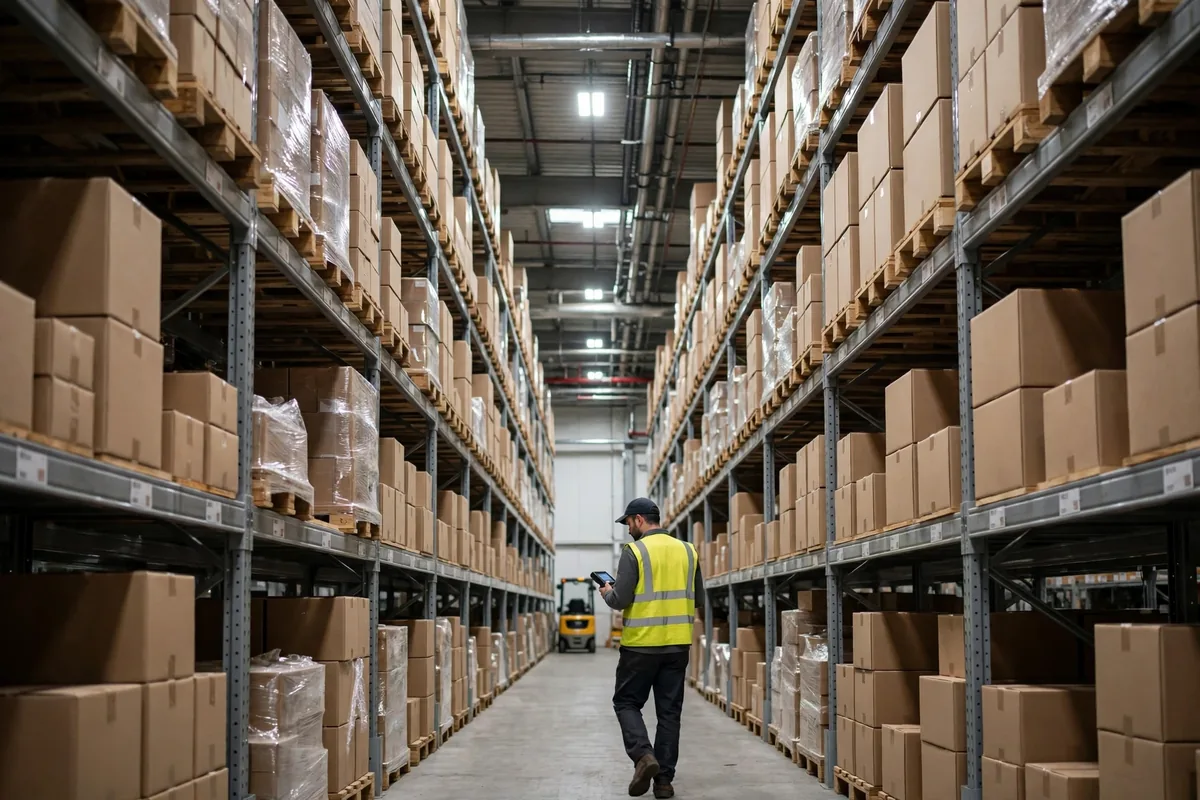
The zone also needs a sensible pick path, or the stock is right and the walking is still wrong. My habit is to place products that are ordered together in neighbouring locations, so a picker walks one pass along the rack and completes the order without backtracking. A U-shaped route beats an S-shaped one for steps saved, and the check station sits at the end of the route so the finished order is handed over in passing. This costs nothing — it is pure placement — yet many warehouses tune the shelf height and never touch the sequence, which is like putting good stock on a road that goes the long way round.
So is the money worth it? Look at one number: the seconds saved per order after re-slotting, multiplied by daily order volume, multiplied by a month — then set that against the half day of downtime the re-slot cost. The Guangzhou warehouse broke even in two weeks. Backs stopped bending, orders went up, wrong picks went down. That is the economics of waist-height picking, and it turns out to be very simple arithmetic.
By Da Liu, Automation Engineer