Excerpt: Golden zone waist height picking is where picking speed and labor cost split: the band around waist height picks fastest and cheapest, and every pick outside it quietly costs more. This article explains how to draw the zone, what belongs in it, and what the math looks like, through two warehouses and one comparison table.
Think of every shelf height in a warehouse as real estate with a different rent. The band around waist height is the prime location: within arm's reach, no bending, no climbing, the picker works standing in place. The economics of golden zone waist height picking come down to one sentence: the most expensive locations must hold the most profitable goods, meaning the products with the highest pick frequency and the most pick lines.
Why Golden Zone Waist Height Picking Is the Dividing Line
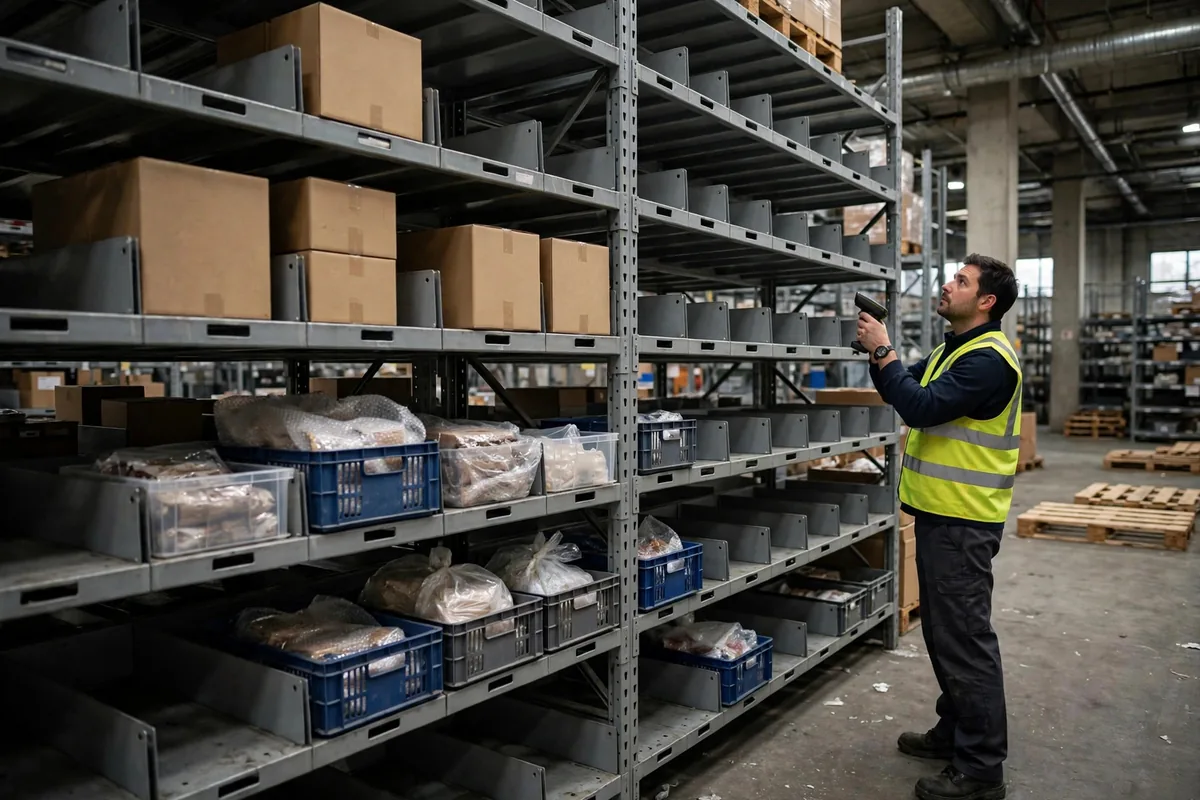
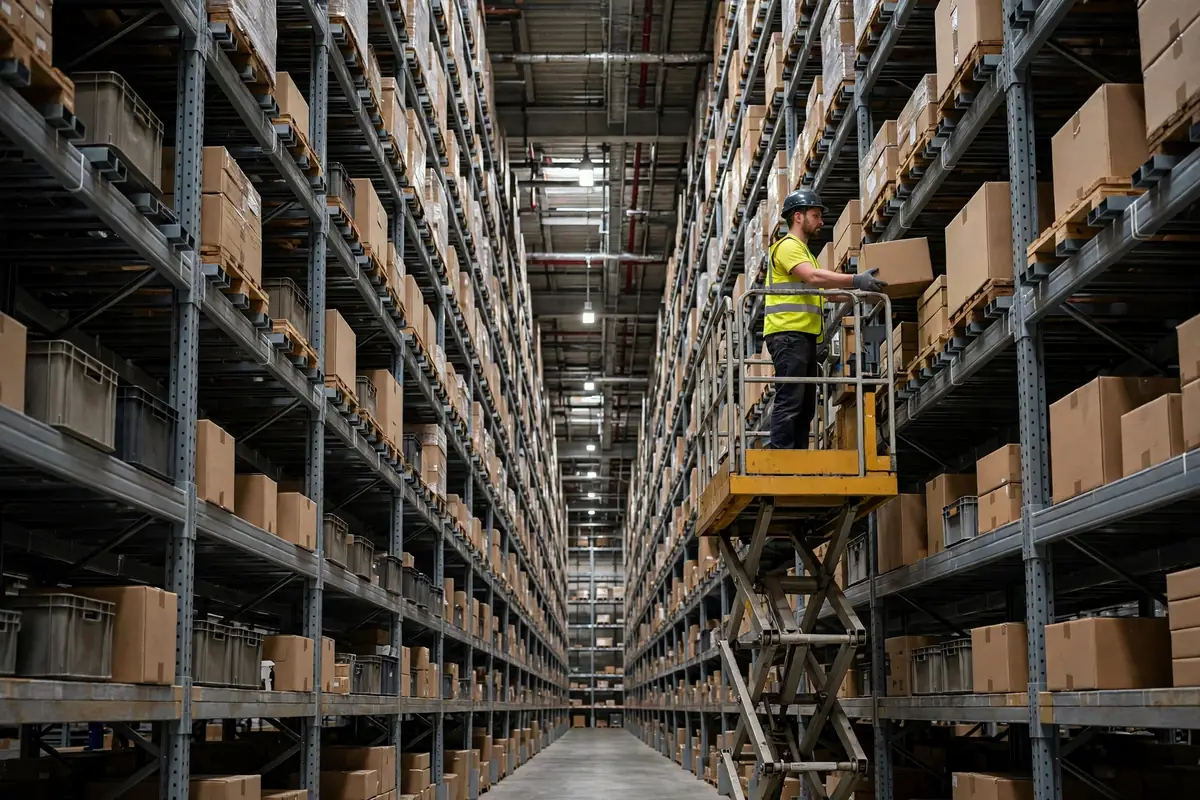
The logic is obvious once stated, but few warehouses actually run the numbers. In a picker's day, the two most expensive motions are bending down to the bottom shelves and climbing to the top ones: bending wears out backs, and climbing means step stools or forklifts, with the motion itself slower. The waist-height band has the shortest pick motion: reach, grab, drop into the tote, done. A few extra seconds per pick outside that band, multiplied by hundreds or thousands of lines a day, becomes real labor hours.
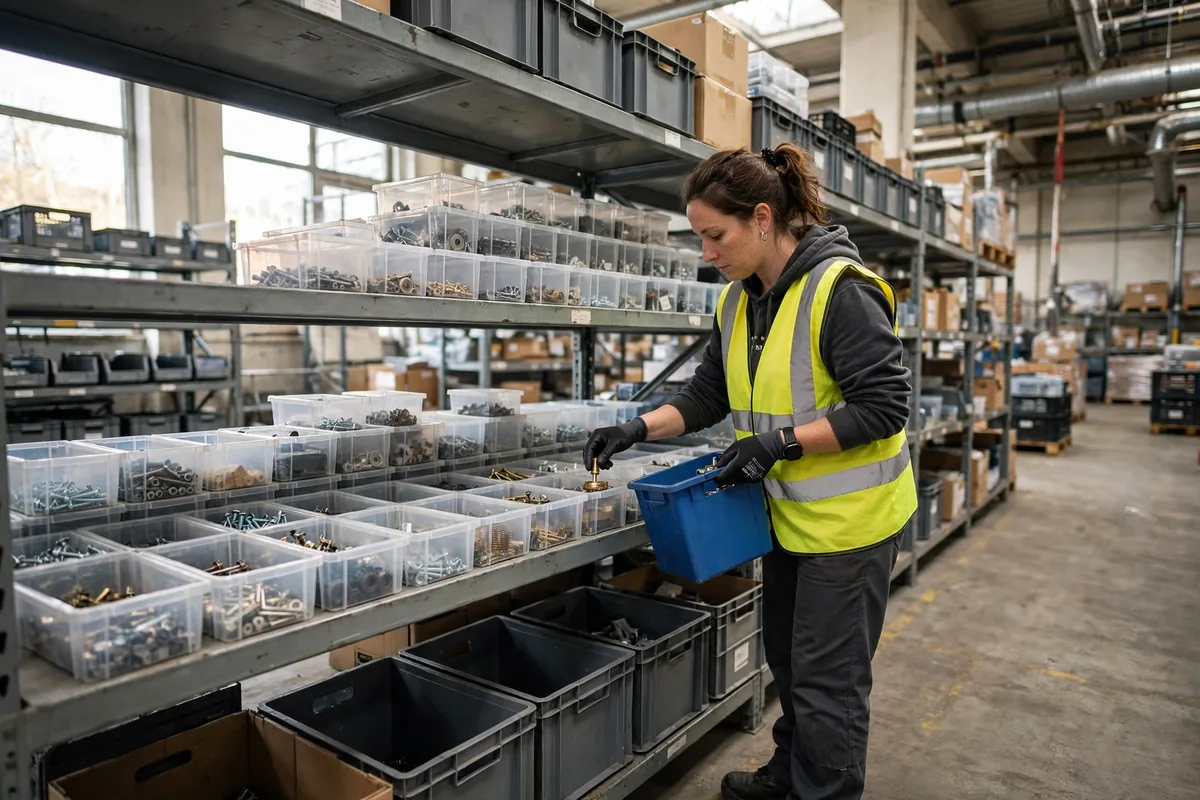
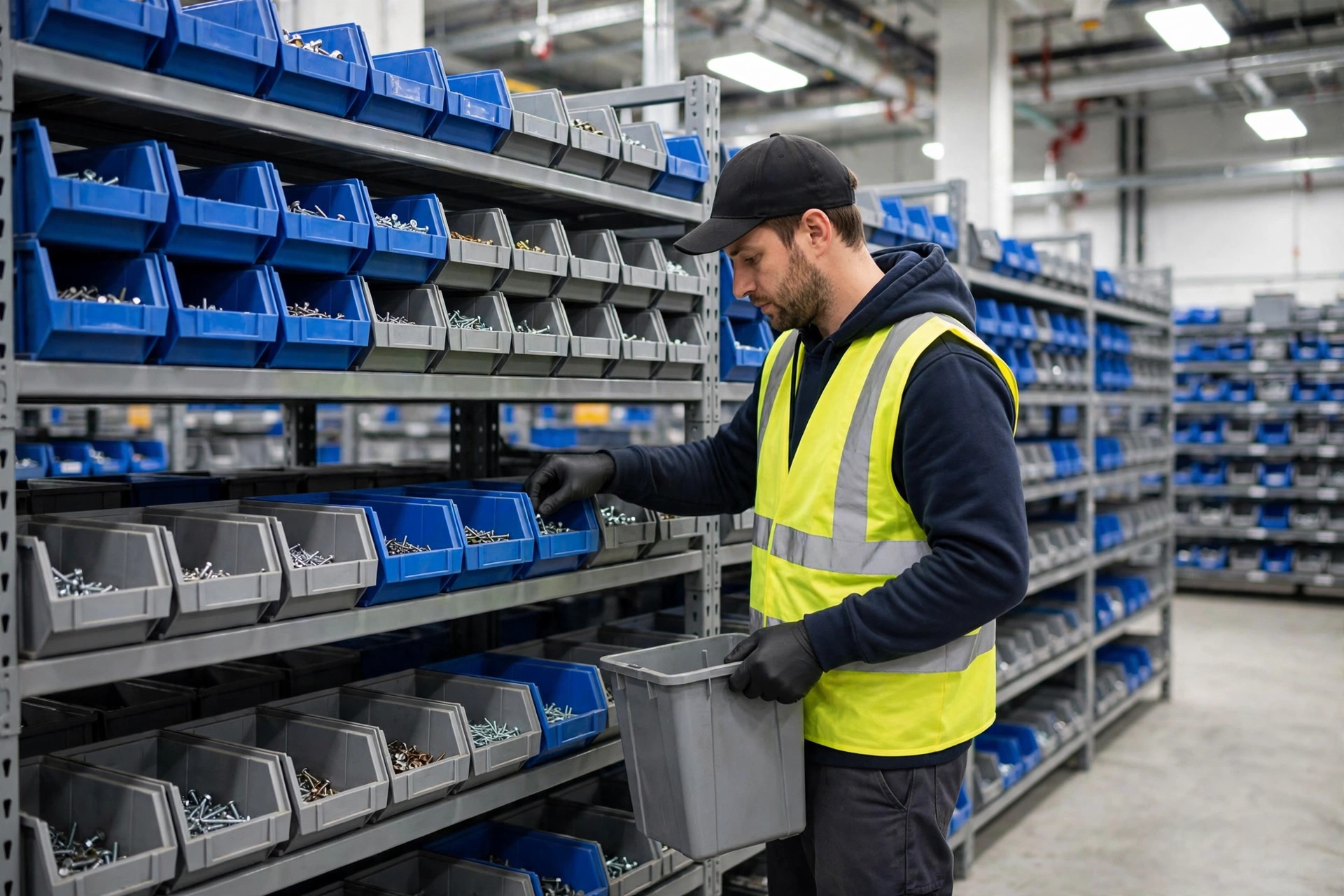
A small auto parts distributor learned this by accident. The warehouse originally slotted shelves by arrival order: new stock went wherever space was open, so fast-moving small parts ended up scattered across the bottom and top shelves. Pickers spent half their day bending and fetching ladders, and when peak season arrived, sore backs and sick days rose together. The fix was small: the parts with the most pick lines all moved into the waist-height band, while the bottom and top shelves kept only slow movers. No new equipment, no new headcount, and daily picks per person jumped a level. The lesson is that the golden zone is not an ergonomics decoration; it is a cost line item written directly on the labor sheet.
What Belongs in the Zone: Three Admission Tests
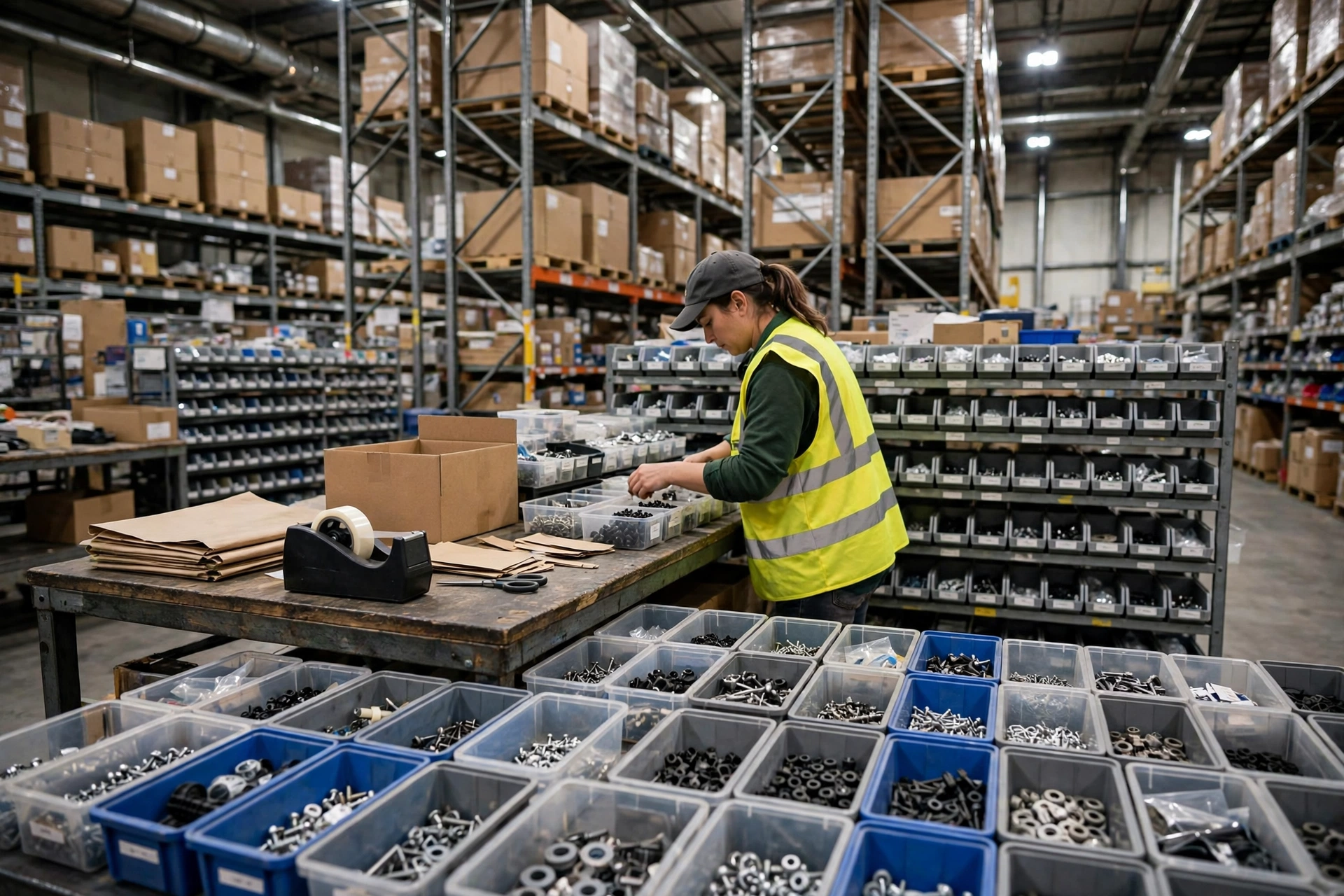
Golden zone space is scarce, so admission needs a test. Mine has three parts, and a product must pass all three. The first is frequency: the products with the most daily pick lines get in first. The second is weight: the lighter the piece, the better it fits a reach zone, because heavy goods at waist height still punish wrists and backs, so heavy goods belong one level lower with a cart for transport. The third is size: small parts that fit standard totes are ideal, while oversized odd shapes waste precious pick faces.
An e-commerce fulfillment warehouse showed the flip side during a promotion: two or three best sellers moved straight into the golden zone, replenishment arrived by the full pallet, and pickers worked standing beside the shipping doors. Daily pick lines in the zone multiplied, while the slow movers evicted to the upper shelves drew almost no complaints, because hardly anyone had been touching them anyway. The zone is not a "good location" in the abstract; it is a traffic location. Whoever generates the most pick lines lives in the golden zone, and when traffic shifts, the tenants have to shift with it.
In practice, golden zone waist height picking can be set up in four steps. First, pull the data: export last quarter's pick lines per SKU from the WMS and rank them, because rank is the first admission criterion. Second, set the quota: count the actual pick faces in the waist-height band, and that number is the quota, one face per product, no exceptions. Third, slot by rank: place products into the zone in rank order until the faces run out, and everything else goes above or below. Fourth, review monthly: check whose rank fell out of the quota and evict them, and invite the newcomers in. This needs no new system, since the data already sits in the WMS. The hard part is not technology; it is being willing to reshuffle once a month.
One Table: How the Golden Zone and the Other Levels Divide the Work
| Location | Holds | Pick motion | Cost |
|---|---|---|---|
| Waist-height golden zone | High-frequency small parts, best sellers | Reach and grab, fastest and cheapest | Fewest faces, admission must be earned |
| Below waist | Heavy goods, slow movers, bulky items | Bending or cart-assisted, slower | Easy to neglect, counts need watching |
| Above waist | Slow movers, reserve stock, seasonal goods | Ladder or forklift, slowest | Extra labor for both picking and replenishment |
One worked example, with its assumptions stated openly rather than presented as anyone's real data: a small-parts zone running over a thousand pick lines a day, with half of those lines happening at bending or climbing heights, loses several labor hours a day to a few extra seconds per line. Moving those lines into the golden zone saves enough hours within months to pay for a full reslotting exercise. Flip the numbers — a few dozen lines a day — and the golden zone barely saves anything, in which case getting ABC classification right matters more than fine-tuning heights. Every warehouse's labor rate differs, so rerun the math with your own numbers, but the direction does not change: weigh picker hours and physical strain against reslotting cost, not against how tidy the shelves look. Golden zone waist height picking is ultimately a calculation about human motion, not about shelves: shorter motions mean fewer hours and less wear on backs and wrists, and what you save is not only money but also staff stability.
The Counterintuitive Part: A Bigger Golden Zone Means No Golden Zone
The most common mistake is expanding the golden zone until everyone gets a share. That is a pseudo-requirement dressed as generosity. Once the zone grows large enough to hold everything, it stops being a dividing line: fast and slow movers mix again, pickers go back to searching, and replenishment staff go back to running the whole floor. The zone's value comes precisely from its scarcity. The fewer the faces, the harder the admission test, the more concentrated the traffic, and the higher the efficiency.
Even more counterintuitive: the zone's tenants must rotate. Best sellers go stale, new ones emerge from the long tail, and last quarter's golden zone residents may be this quarter's slow movers. Re-ranking SKUs by shipment data every quarter, and letting the zone move with the order profile, is what keeps the layout honest. The golden zone is not a territory granted once and held forever; it is a table where seats go to whoever generates the most lines.
So is the money worth it? One number settles it: how many of your daily pick lines happen outside waist height. The larger that number, the sooner the golden zone deserves action. If it is small, your problem is not height but classification. When in doubt, run a two-week pilot on half the zone: the same SKUs, half in the golden zone and half where they were, tracking pick lines and time per day, then let the data decide. Until the data speaks, do not let anyone's taste in tidy shelves make the decision for you.
By Da Liu, Automation Engineer