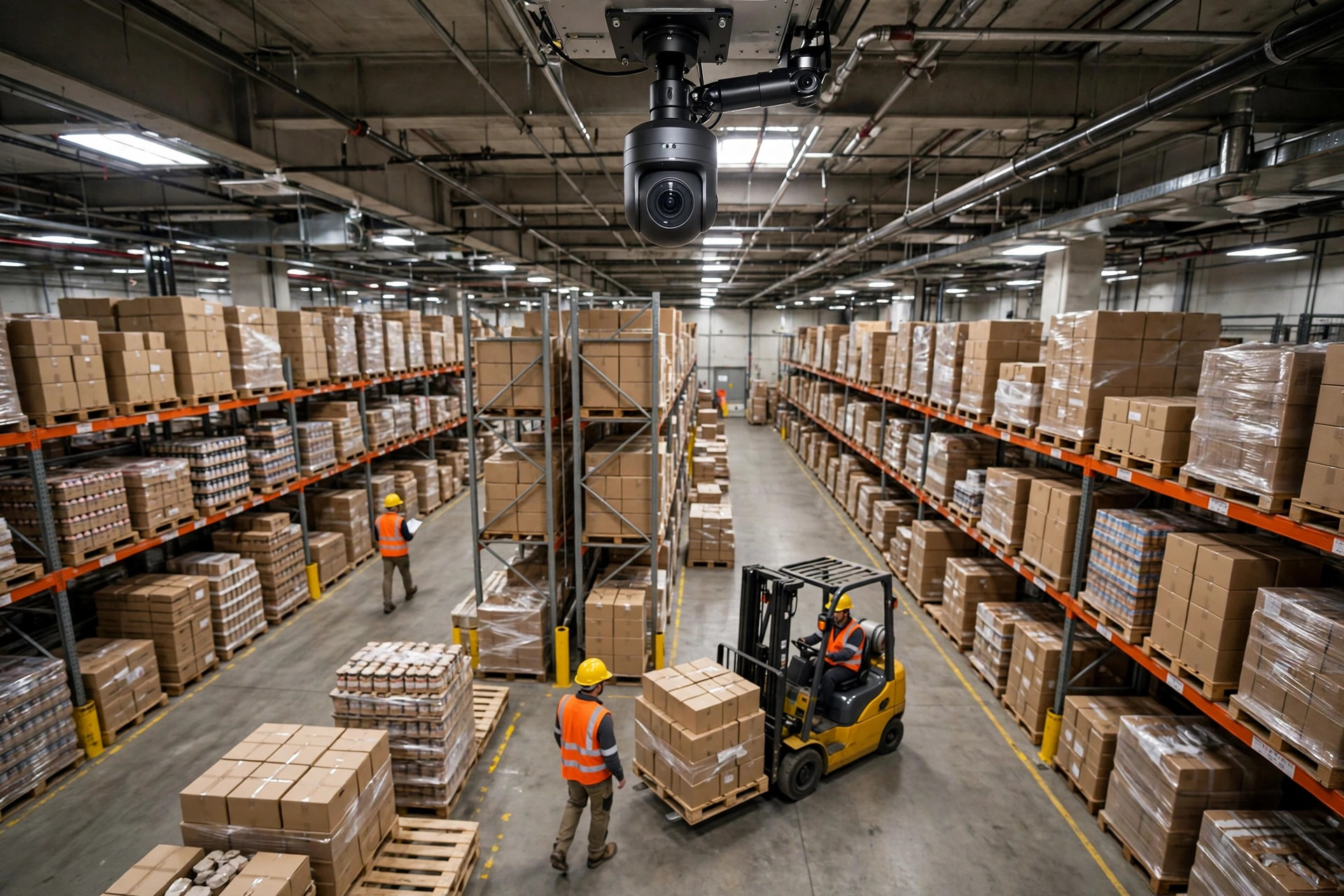
Let me tell you something. After all these years on the road, the thing I dread most isn't traffic. It's pulling up to a warehouse gate and not being able to unload. Truck's there, driver's there, freight's there — and the gate stays shut because the warehouse failed its fire inspection over sprinkler coverage blind spots. Everybody's freight sits.
Fall of 2024, I was hauling into a 3PL warehouse outside Ontario, California — a 120,000-square-foot building that normally moves a hundred trucks a day. That morning there were a dozen rigs lined up at the gate, all waiting. I asked the guard what was going on. Fire inspection, he said. They'd failed the day before. My load sat at that gate for two days. Rescheduling, detention, rebooking — a few thousand dollars gone, just like that. Later I got talking to folks inside, and the problem turned out to be something nobody had taken seriously: sprinkler coverage blind spots.
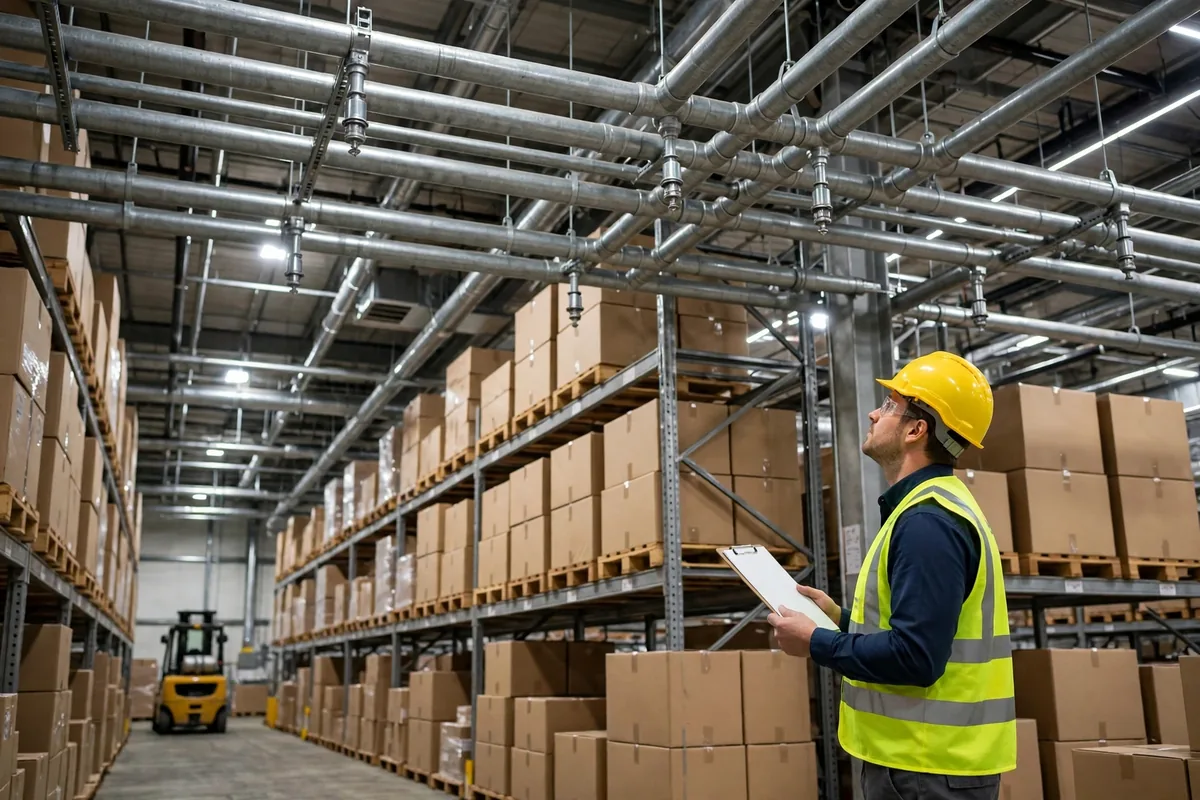
Here's the thing. The sprinkler heads weren't broken. Water pressure was fine. But the water couldn't reach a fire if there was one. Before peak season the warehouse had added an extra layer of cartons on the top rack level, stacked high, right under the sprinkler heads. If a fire started, the heads would open and the water would land on that top layer of boxes while the fire underneath kept burning. The inspector compared the layout against the drawings and failed them on the spot.
What makes this so aggravating is that a warehouse fire sprinkler coverage blind spot usually isn't broken equipment. It's a layout that changed while the sprinklers stayed put. Add a rack level, swap in a new product category, throw up a partition — and a blind spot quietly grows. You only find out on inspection day, and by then it's too late.
Three Places Blind Spots Love to Hide
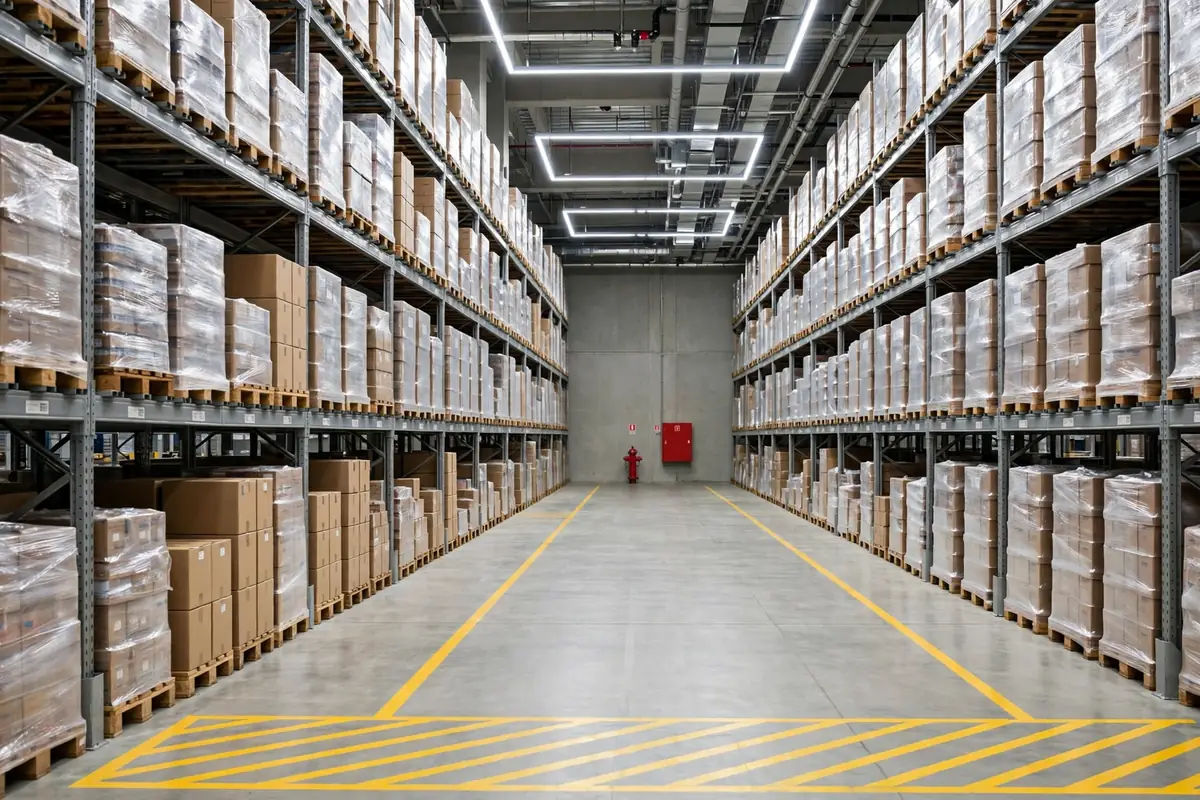
The first is the top rack level. A lot of warehouses keep stacking higher to squeeze in more product, and the top cartons end up closer and closer to the sprinkler heads. A sprinkler sprays in a pattern, like an umbrella, and when freight blocks the umbrella, everything underneath is a blind spot. The worst one I saw had top-level cartons within an arm's length of the heads. The inspector just stood there shaking his head.
The second is any corner where the layout changed. Warehouses never stay the same. This zone holds consumer goods today, battery products tomorrow. A cold room becomes ambient storage, an ambient area gets a small partitioned room — and every change rewrites the sprinkler coverage logic. In 2023 I ran into this at a warehouse near Dallas, Texas. They'd converted a cold room to ambient, but the heads were still spaced for the old layout. The inspector measured the coverage and it came up well short. The fix cost close to twenty thousand dollars, plus four days of shutdown.
The third is whatever sits permanently under a sprinkler head. Some warehouses treat the space below a head as a handy spot for pallets, empty boxes, or equipment waiting for repair — parked there for months. Nobody notices until inspection day, when the inspector points up and asks: if a fire starts down here, how does the water get through?
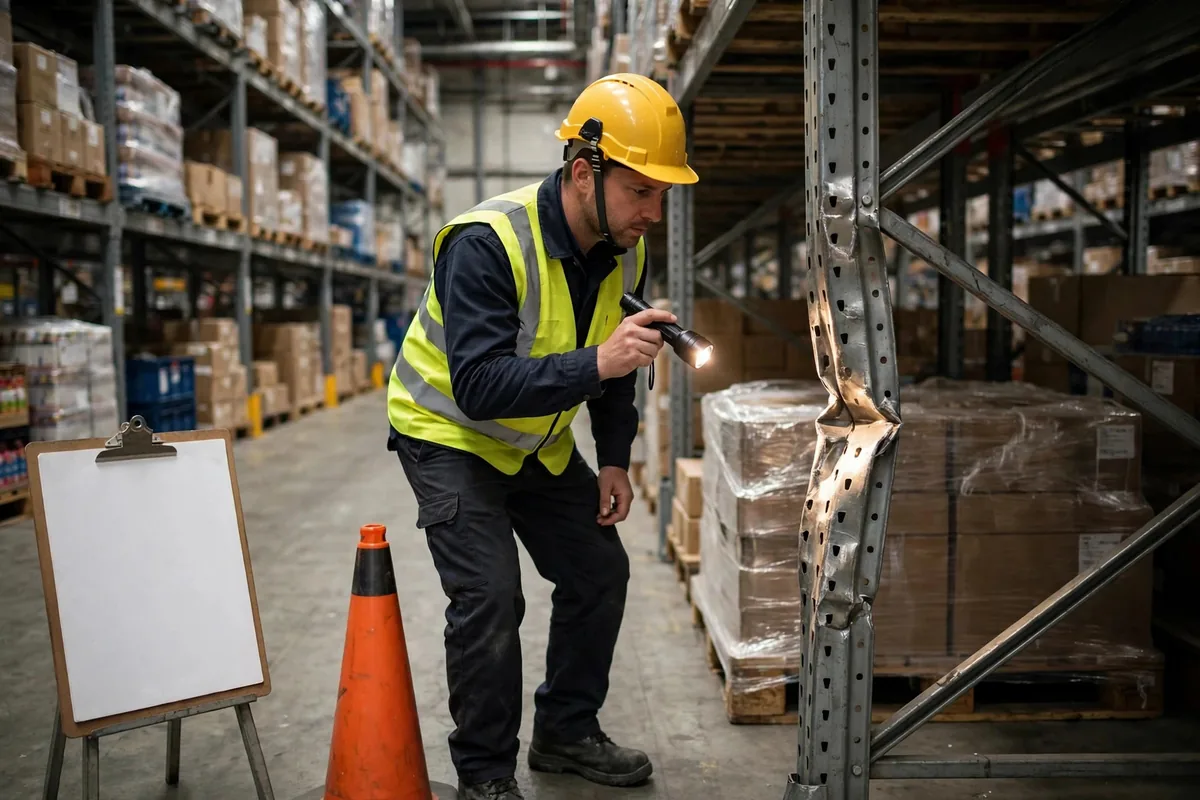
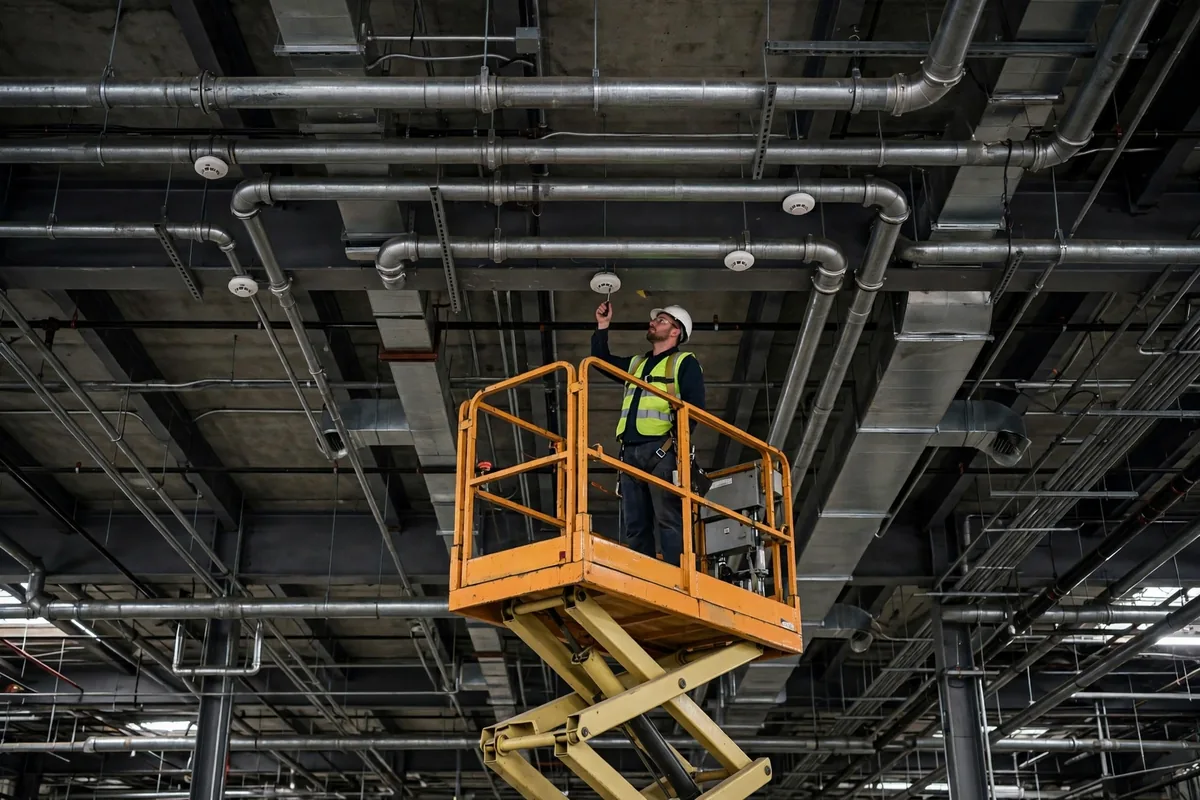
There's a simple way to hunt for blind spots. I call it the "three looks." First, look between the top rack level and the heads — anything in the way? Second, look at every spot where the layout changed this year, and check exactly those places. Third, look directly under every head, and move anything that's been sitting there long-term. Half a day, one person, one ladder, and you can walk the whole building.
| Blind spot location | What it usually looks like | Check first |
|---|---|---|
| Top rack level raised | Cartons too close to the heads, blocking the spray | Distance between top cartons and heads |
| Reconfigured zones | Product or layout changed, heads never adjusted | Every area modified this year |
| Storage under heads | Pallets and empty boxes parked under sprinklers | Anything sitting long-term below a head |
| New partitions and mezzanines | Partitions block spray, space under mezzanines goes dead | Above and below every new partition or mezzanine |
What the Inspector Looks at First: Sprinkler Coverage
I later asked a friend who does fire inspections what he looks at first when he walks in. He said he doesn't start with the drawings. He looks up, then he looks down. Up at the heads — are any blocked, removed, or painted over? Down at what's sitting under the heads, and whether the fire lanes are blocked by pallets. Two laps around the building and he already has a sense of the place.
There's another detail most people don't know: what inspectors love to check most is where the drawings and the actual building disagree. The drawing says this zone is open floor; in reality there are two new rack rows. The drawing shows the heads laid out one way; the layout changed and nobody updated the drawing. The moment they spot a mismatch, they know the fire protection was a last-minute scramble, and they look harder. That's exactly what happened to the Ontario warehouse — the extra rack level added before peak season wasn't on any drawing.
So my advice is to reconcile the drawings with the building twice a year. It doesn't take long. Layout changes, drawing changes with it. Don't wait until inspection day to discover the two don't match. It's the same as driving a truck: if you never check the dashcam until after an accident, it's already too late.
Half a Day of Self-Checks, or Three Days Shut Down
The math here is simple. Checking yourself costs half a day of labor and a ladder — practically nothing. Failing inspection costs three days of shutdown at minimum, with trucks backed up at the gate, outbound freight stuck, and drivers to reschedule. Every one of those costs real money. At Ontario, my single truck lost a few thousand dollars. Multiply that across a whole building that can't receive for three days and you get the picture. And the fix itself isn't cheap either — moving heads, adjusting layouts, rebooking the inspection — it all takes time and money.
Here's a counterintuitive one: passing inspection doesn't mean your warehouse is safe. An inspection only certifies the layout as it stood that day. Add a rack level next week, swap in a new product category, and the blind spot can come straight back. What actually works isn't a last-minute scramble before inspection day. It's having someone look at the sprinklers every time the layout changes. A lot of warehouses get this backwards — nobody checks anything all year, they gamble on inspection day, and if they pass they figure everything's fine.
One more thing. Fire requirements vary by state and city, and the specific numbers for head spacing and coverage should always follow your local fire department's latest requirements. Don't copy another warehouse's standard onto your own building. In the US, sprinkler installation generally follows industry standards like NFPA 13, but what applies to your building is ultimately what your local fire department says.
I'm a truck driver. Fire inspection isn't my job, strictly speaking. But after all these years on the road, I've learned that everything in a warehouse is connected. One layer of cartons blocking a sprinkler head, and suddenly there are a dozen trucks waiting at the gate. Fire protection is like brakes: check them when nothing's wrong, so they work when it matters.
By Shifu Zhao, Trucking Veteran (15 yrs)