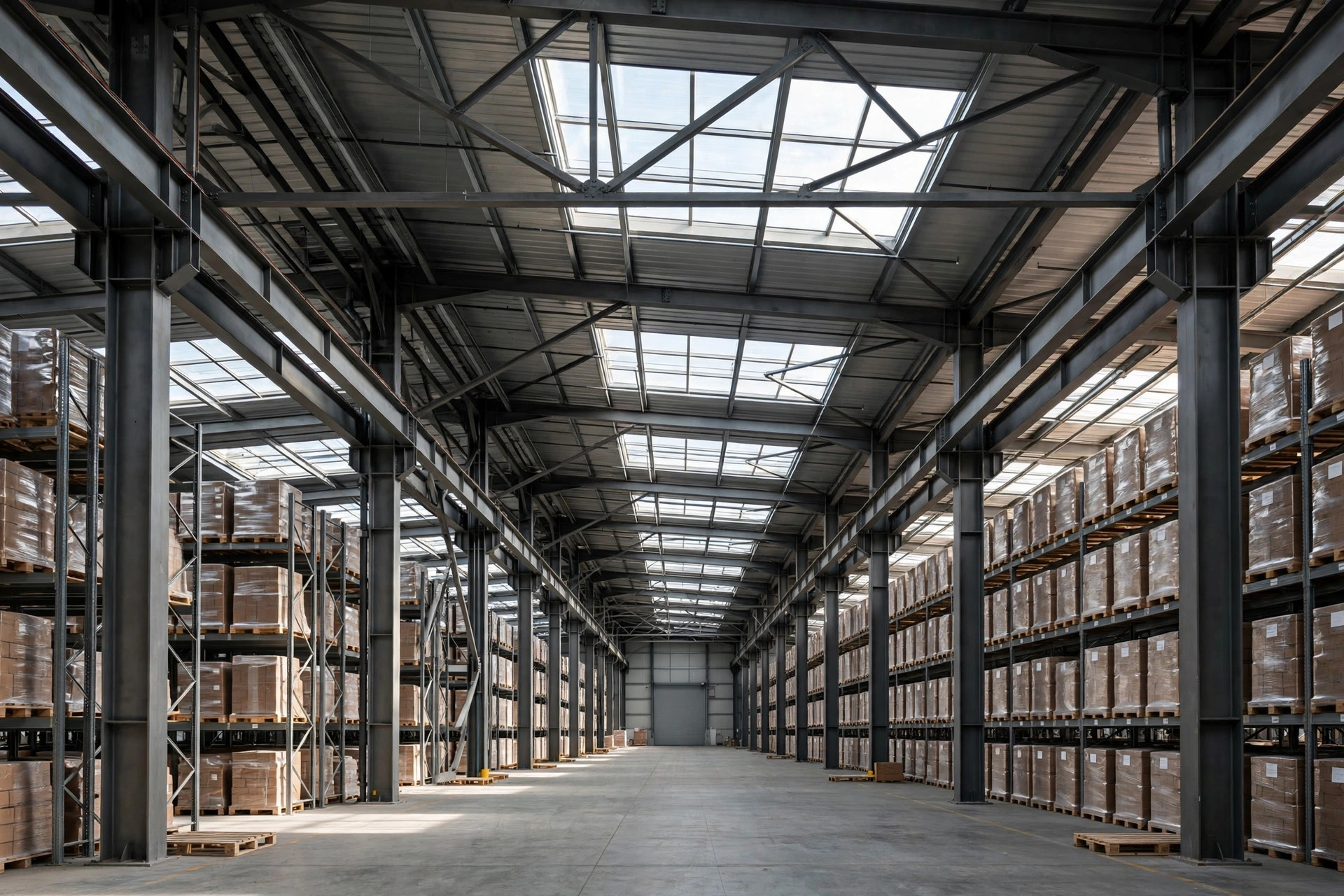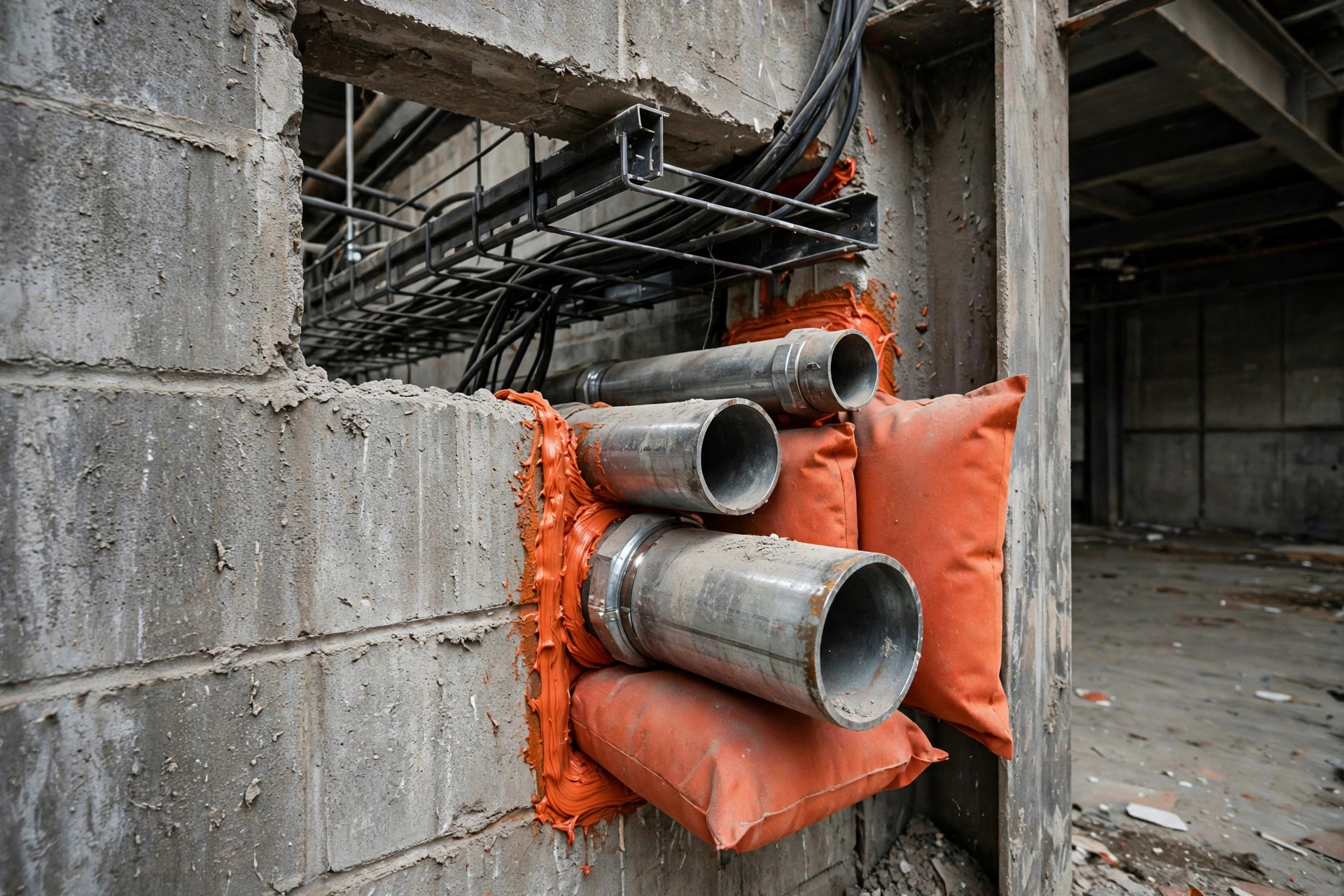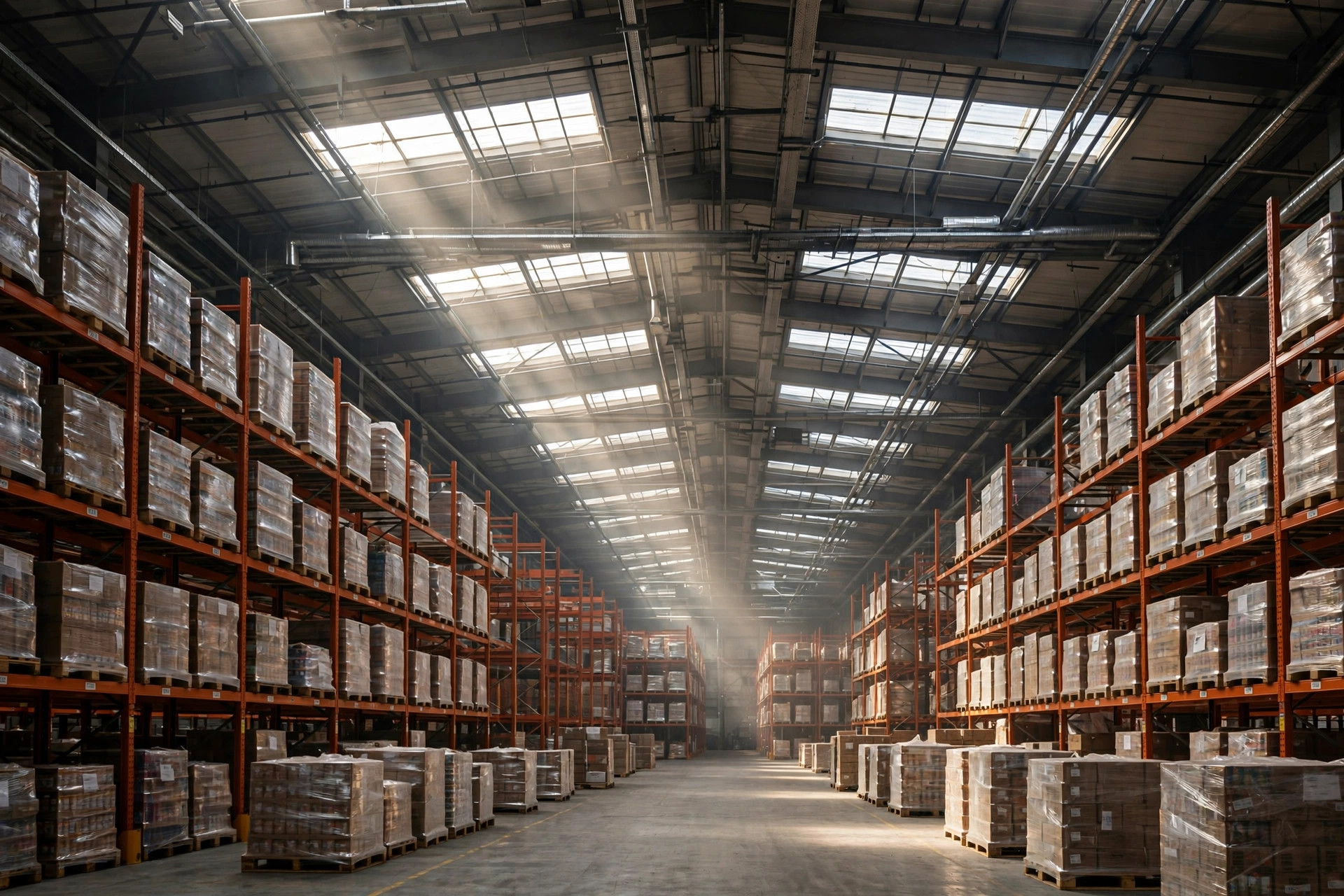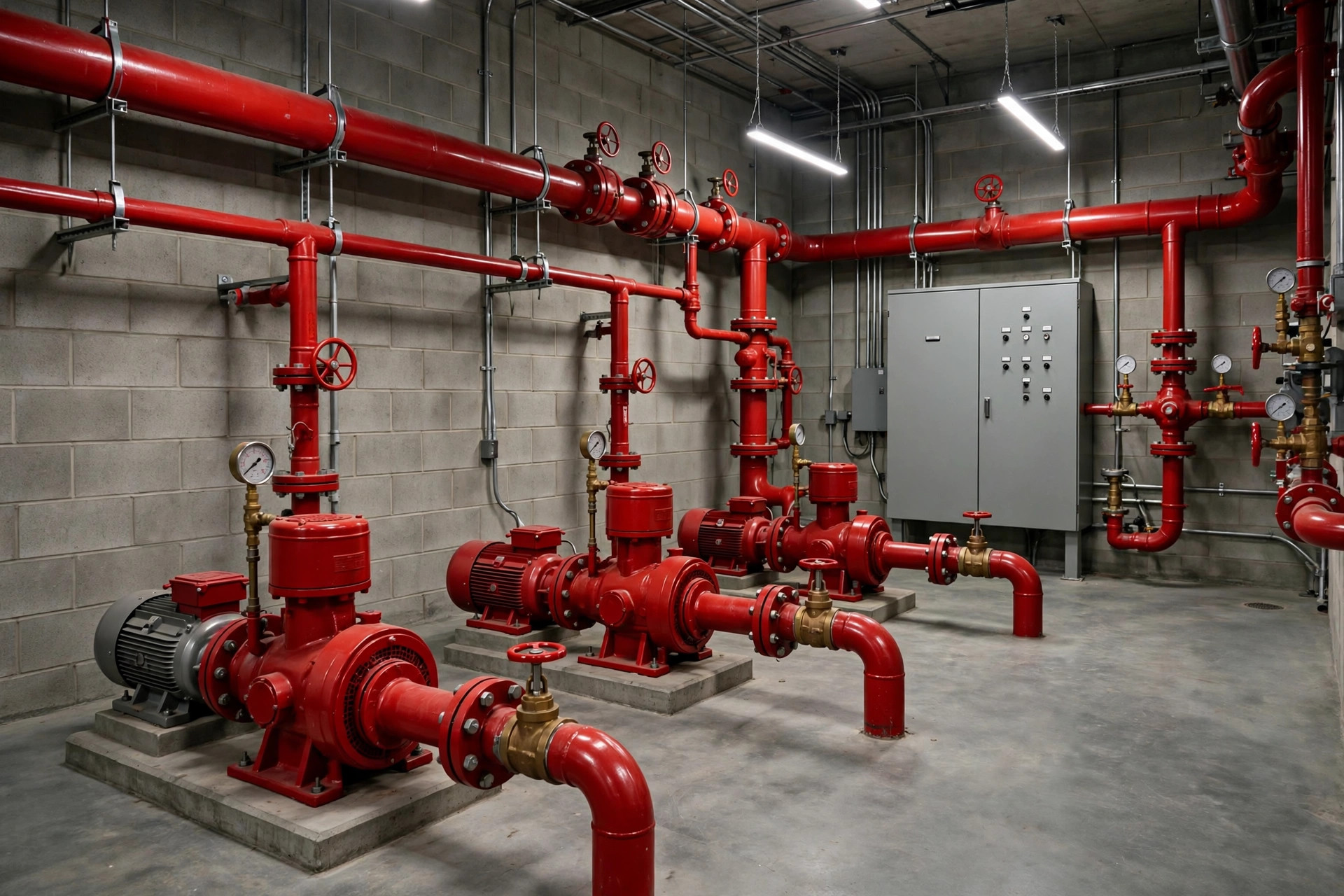
I'll tell you something. Two winters ago, around 3 a.m., I was in line outside a 3PL warehouse near Ontario, waiting to pick up a container. Cold night, heater running, half asleep in the cab. The night-shift manager knocked on my window, handed me a hot coffee, and we got to talking. He told me about the fire department's annual inspection the month before. They opened up the fire pump room and found the pressure gauge next to the jockey pump had been dead for who knows how long — the needle frozen in place, looking perfectly fine, while the pipe network behind it had basically no pressure. In plain English: if a fire had broken out, every sprinkler head in that warehouse would have done nothing. Decorations.
They got a correction order on the spot and the warehouse shut down for two days. My container happened to be sitting inside. One extra day burned — fuel, lost time, all on me. Had nothing to do with me, but truckers like me paid part of the price anyway.
Fifteen years on the road, I've seen plenty of warehouse fire pump rooms. Honestly, eight out of ten have a pump room door nobody opens all year. You push it open and the smell hits first — damp, rust, dust an inch thick on the floor. The worst one I ever saw, they'd turned the pump room into a storage closet: brooms, mops, broken pallets piled right in front of the valves. If a fire had started, nobody could even have reached the valves.
Here's what that tells me. A fire pump room isn't like any other equipment in the warehouse.
A Fire Pump Room That Looks Fine Might Be Lying to You
When a forklift breaks, the driver knows right away — it won't lift. When a conveyor jams, the whole warehouse sees it. But the fire pump room is different. It just sits there, unused. It might go a decade without a single alarm. Whether it's broken or not, you'll never know unless you go look.
The scary thing isn't "the pump is broken." The scary thing is "it looks fine." A pressure gauge with a stuck needle, always pointing at a pretty number. A jockey pump motor gone damp and rusted solid. A fire water tank losing level to evaporation and seepage, month after month, nobody noticing. Then one day there's a fire and the sprinklers go "pfft" — nothing, or a sad little trickle. That's when it's too late.
What's a jockey pump, in plain words? It's the little pump that keeps the pipes "holding their breath." The network has to stay pressurized so a sprinkler head can discharge the instant it trips. And the fire water tank is the big reserve: when city water pressure isn't enough or the supply gets cut, that's all you've got. One keeps up the muscle, the other holds the water. Lose either one, and your sprinklers are decorations.
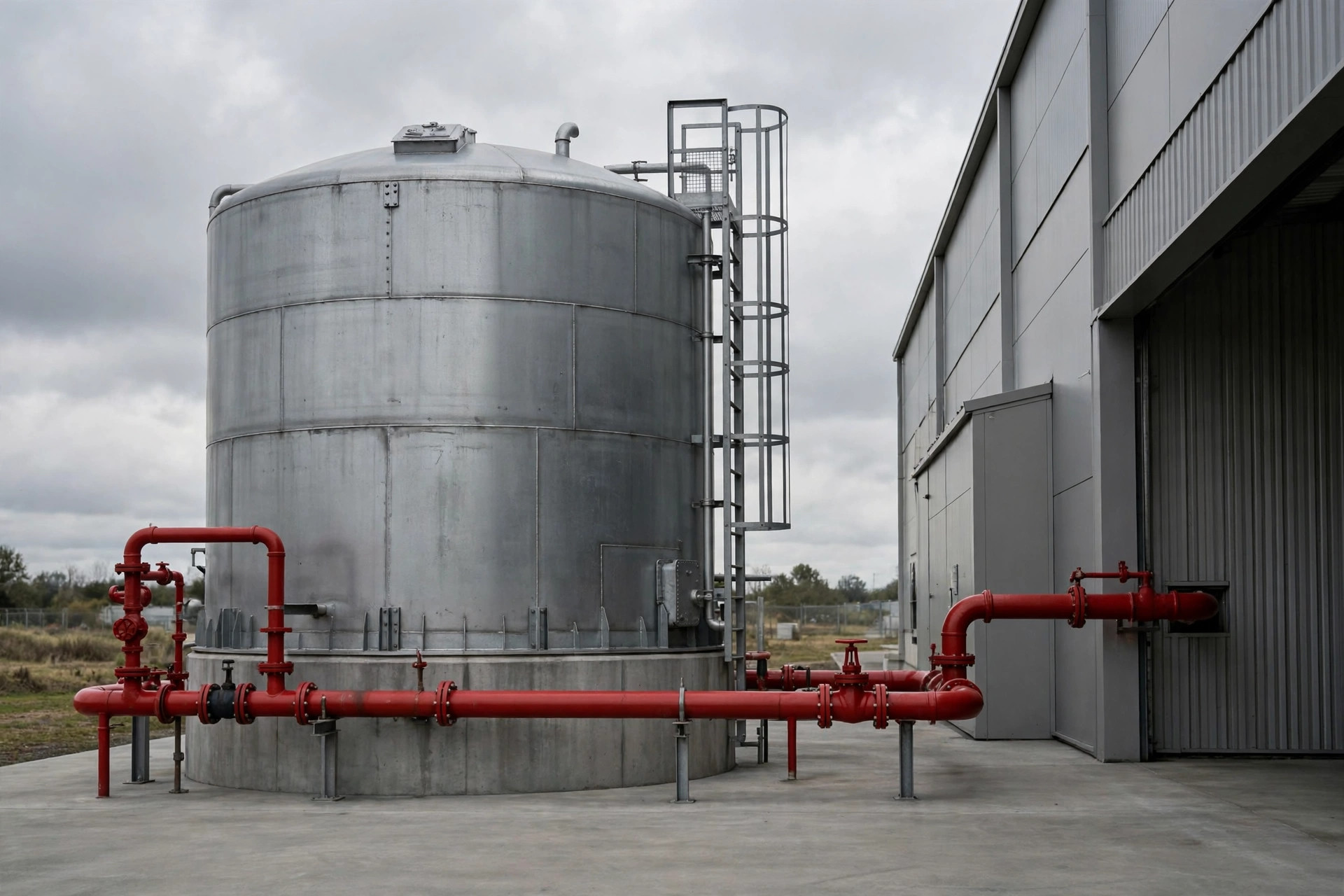
Jockey Pump and Fire Water Tank: The Monthly Ten-Minute Check
Don't let the word "inspection" scare you. You don't need to be an engineer. Once a month, ten minutes, push the door open and look at these things.
Start with the pressure gauge. Is the needle in the normal range? Tap the dial lightly with your finger — does the needle move? A needle that doesn't move is probably a dead gauge. Replace it. A gauge costs next to nothing, but it's the pump room's eyes. Blind eyes, and everything downstream is guesswork.
Then listen to the jockey pump. Put your ear close — any grinding, any sticking? Turn the coupling by hand and feel whether it spins freely. A pump that sits still for months gets rusted bearings. When you actually need it, it won't turn.
Then check the fire water tank. Is the water at the marked line? Is there a film of oil or debris floating on top? Is the inlet valve open? Tanks quietly lose water to evaporation and seepage. Ignore it, and it'll steal enough to scare you.
Check the valves too. Main valve, discharge valves — are they all fully open? The most common screw-up I've heard of: after the last maintenance visit, somebody forgot to open the valve back up. The whole system, switched off by your own people. Plenty of folks have made that mistake.
Then look at the pump room door and the space inside. Don't pile stuff in there! The path has to be clear for a person to get in. Brooms, mops, broken pallets — move them all out. When there's a fire and the crew arrives in minutes, a blocked door means nobody can do a thing.
Finally, the control panel. Are the indicator lights on? Any alarm light flashing? What each light means should be on the cabinet door — if the manual's gone missing, ask whoever installed the system.
Ten minutes. That's really all it takes. Write it down on a sheet of paper: date, who checked, anything odd. Don't think it's fussy — that sheet proves you did your part if it ever matters. As for what counts as normal pressure or a compliant water level, every jurisdiction has its own rules — go by your local fire department's latest requirements, don't make up your own numbers.
This Math, Any Trucker Can Do
Some warehouse owners figure fire protection is something you use once a decade, so why bother. Let me run the numbers:
| Ten minutes a month, your own eyes | Roll the dice, wait for inspection or a fire | |
|---|---|---|
| Money | Almost nothing — one person, ten minutes | Corrections, shutdowns, fines are the small end; a real fire, and the goods are gone, the building's gone, and insurance may not cover it all |
| Time | Ten minutes a month, two hours a year | One correction shuts you down a day or two; shippers' containers stuck inside, drivers outside burning fuel |
| Sleep | Sound | Gambling |
Fifteen years driving, and here's what I've learned: every piece of equipment in a warehouse is "the more you use it, the more you maintain it" — except fire protection, which runs the other way. The more it sits unused, the more you need to worry about it. A forklift that runs every day gets fixed when it breaks. A pump room that's been silent for a decade breaks and nobody knows. That's the trade-off: you save ten minutes a month, and you bet the whole warehouse on it.
One more thing from behind the wheel: when you're at a warehouse picking up, glance at the fire lanes — are they blocked by pallets? Can the pump room door even open? If it's blocked, mention it quietly to the warehouse folks. They might not thank you, but your freight is inside. A word costs nothing.
And a word for you shippers: when you're picking a 3PL warehouse, don't just chase a rate that's two cents cheaper. If you get a chance to walk the floor, push open the fire pump room door and take a look. Clean inside, logbook with an entry every month — that warehouse is run right. Musty smell, dust three layers thick — switch warehouses. Your goods are in there. When there's a fire, nobody's going to care about them as much as you do.
There's an old saying: raise soldiers for a thousand days, use them for one morning. The fire pump room is the warehouse's standing army — invisible on ordinary days, and it's got to hold the line when it counts. Ten minutes a month. Push the door open and look. It's not hard.
By Shifu Zhao, Trucking Veteran (15 yrs)