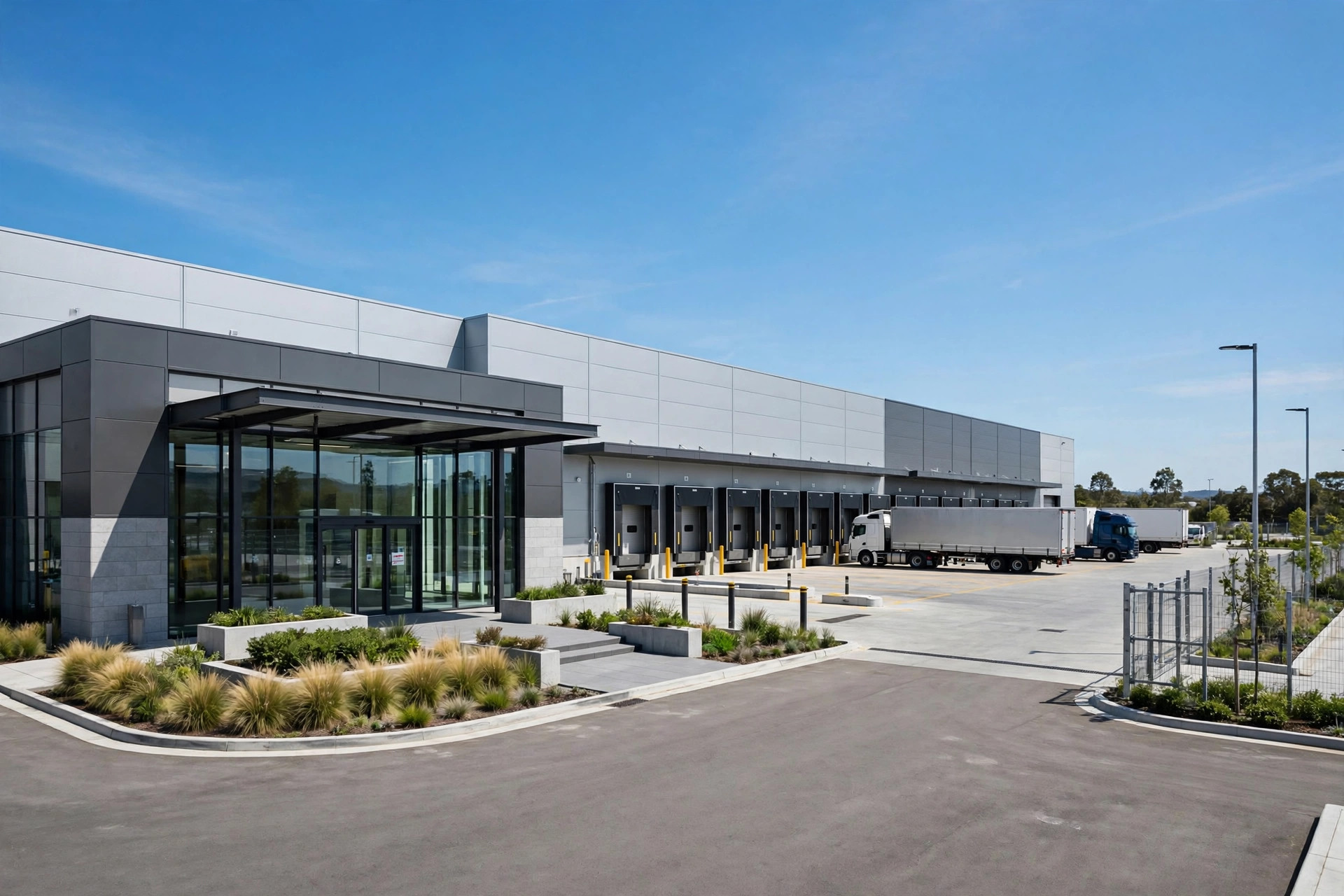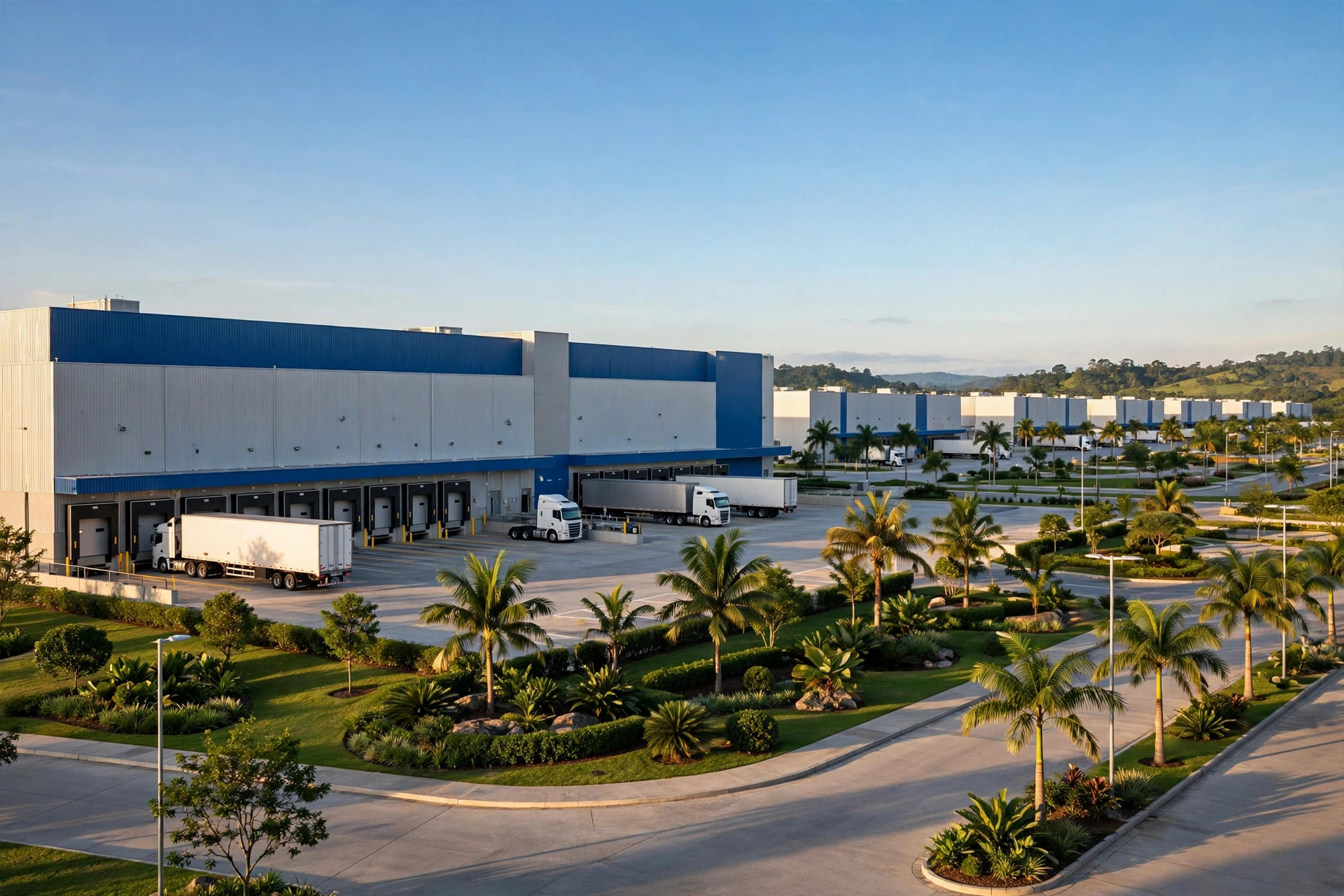
In the spring of 2023, a friend of mine who runs an e-commerce 3PL in Riverside, California, signed a lease on a new building: 120,000 square feet, 32-foot clear height, plenty of dock doors, and rent that looked like a steal for the Inland Empire. The plan was a conveyor line, 30 AMRs, and a shared charging area for forklifts and robots. During the site visits he asked about square footage, clear height, sprinklers, and the dock-to-door ratio. He never once asked the one question that mattered: does this building have enough power?
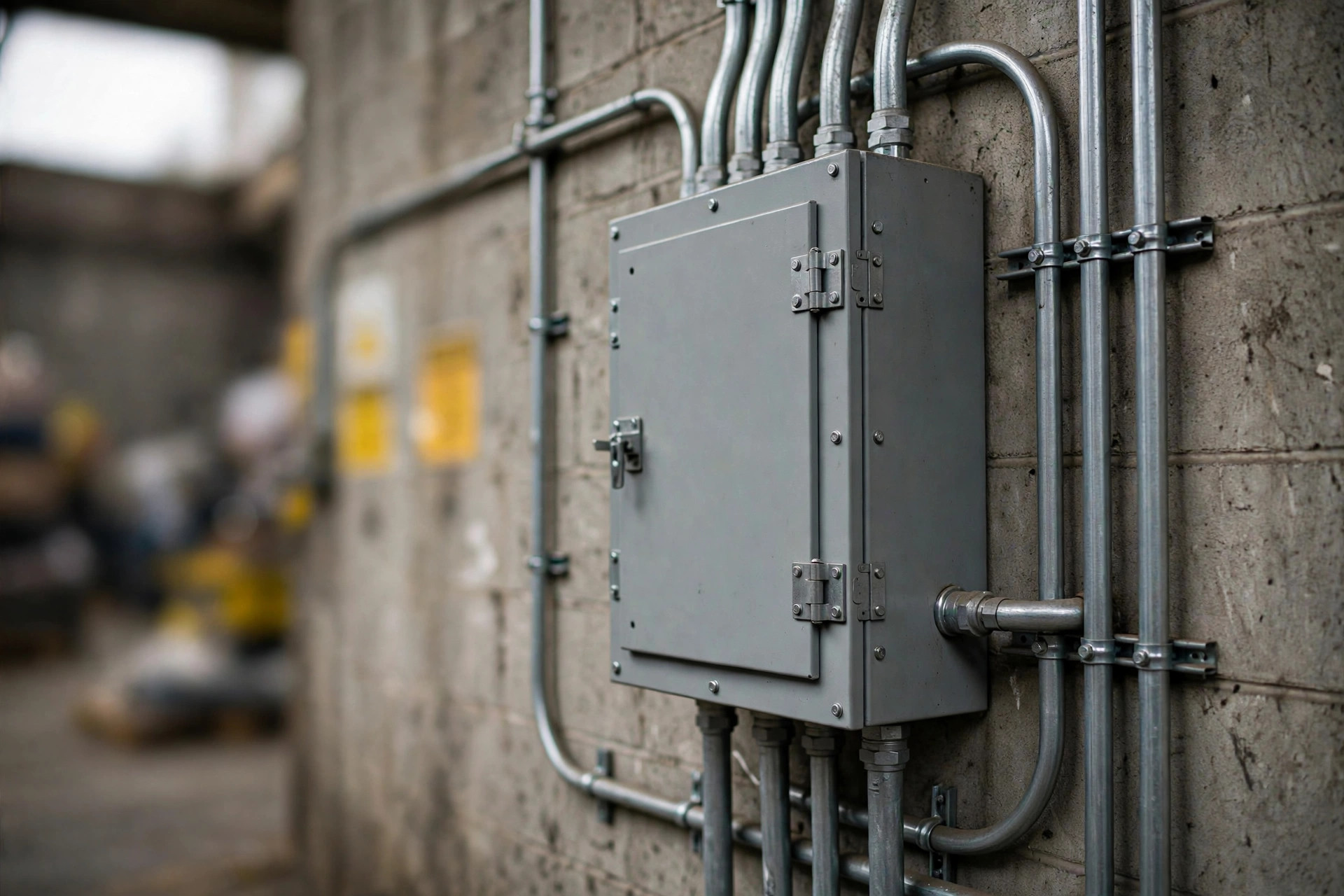
During the first week of commissioning, the main breaker tripped three times. On the third trip, the conveyors were running loaded, every AMR charger was drawing at once, and the whole warehouse went dark for the better part of an hour. The electrician opened the electrical room, took one look, and shook his head. Yes, the service was 480V three-phase — but the main breaker was sized for "lighting plus a little charging," and the transformer was something the landlord had installed twenty years earlier for a plain storage warehouse. There was essentially zero headroom.
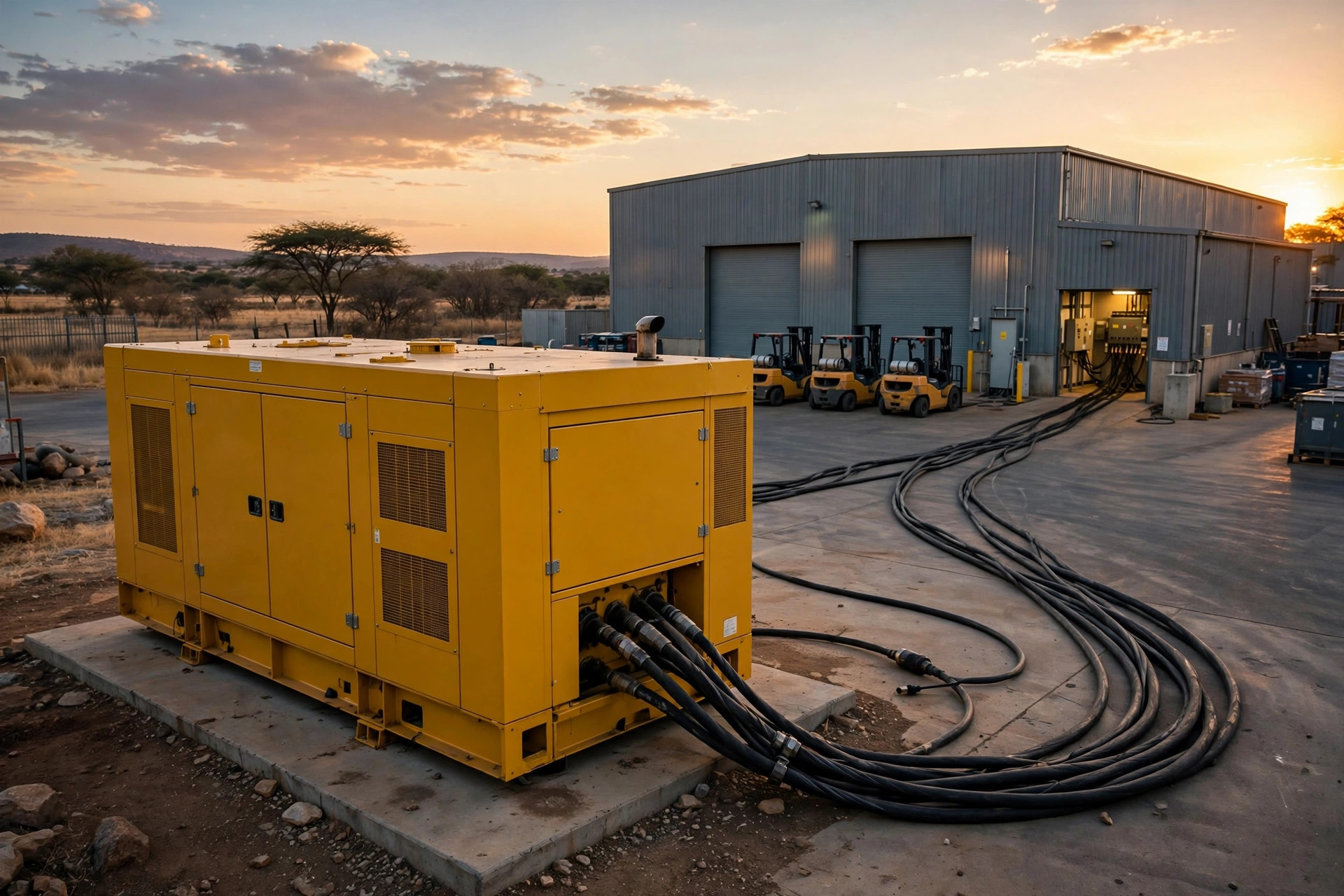
What followed was the nightmare sequence. A capacity upgrade meant going to the utility: a new transformer, a new service run, fresh permits — a process measured in months, not weeks, and a bill in the tens to low hundreds of thousands of dollars, with the final number entirely up to the utility's quote. The landlord's position was equally blunt: the building had adequate power when I handed it over; you're the one adding automation, so this is your bill. The equipment sat in the yard for nearly three months. Rent kept coming due. Peak season came and went without them.
I have watched some version of this story play out more than once over the years. People shopping for warehouse space obsess over square footage, clear height, location, and rent — and treat power as something that is just there. In the automation era, power is no longer a line item on the utility bill. It is a hard constraint, every bit as binding as square footage.
So who pays when the power runs short?
The landlord's logic is straightforward enough: I delivered a building with power adequate for normal warehousing. You want conveyors, AMRs, and a big charging farm — that multiplies consumption several times over, and that increment is your business decision. Why should I pay for it?
The tenant's frustration is just as real: I leased a working warehouse, not an empty shell. If you had told me the power was short, I would have leased somewhere else. Now the equipment is already on site — where am I supposed to take this complaint?
Both sides are right, and that is exactly the problem: nobody put the issue on the table before the lease was signed. In US industrial leases, the power clause is often a throwaway line — "delivered as-is" — and done. When upgrade day arrives, the default payer is the tenant, because the equipment is yours and the utility recognizes you as the applicant.
So here is my verdict, plainly stated: as a principle, the tenant pays for the increment and the landlord stands behind the baseline — but that principle is worthless unless it is negotiated into the lease before signing. I have seen workable versions of this: the landlord covers the base-capacity portion while the tenant pays for anything above it; or the tenant pays the whole bill but the landlord is contractually obligated to cooperate — drawings, utility site access, permit signatures, no stalling. The strongest clause of all: if the utility denies the upgrade, the tenant can walk away from the lease. Put that in writing and the landlord will suddenly take the utility's answer very seriously, instead of waving it off with a verbal "should be fine."
Power belongs to the building, not the tenant
You cannot take the transformer with you when you move out, and you cannot take the switchgear either. That is why power deserves the same scrutiny as square footage during site selection — and the scrutiny has to go all the way down to the roots.
First, figure out who owns the transformer. In the US it may be utility property, or it may be landlord-owned. The former means going through the utility's process — slow but by the book. The latter means the landlord calls the shots, and the timeline depends entirely on the person. Ask the landlord's broker point-blank during the tour. If they cannot answer, they probably never looked into it themselves.
Then get the main breaker and panel specs, photograph the nameplates, and send them to an electrician. A typical US warehouse on 480V three-phase with a main breaker in the low hundreds of amps is the common case; roughly a megawatt of load corresponds to something on the order of 1,200 amps at 480V — treat that as a rule of thumb, and let your electrician do the real math. A serious automation build-out — conveyor motors, AMR chargers, AS/RS cranes, forklift charging, HVAC, lighting, all running at once — can reach or exceed that peak without much effort. Older buildings deserve extra caution: some aging small warehouses only have 208V service, while most automation equipment wants 480V three-phase. At that point you are not talking about an upgrade anymore; you are talking about rebuilding the entire distribution.
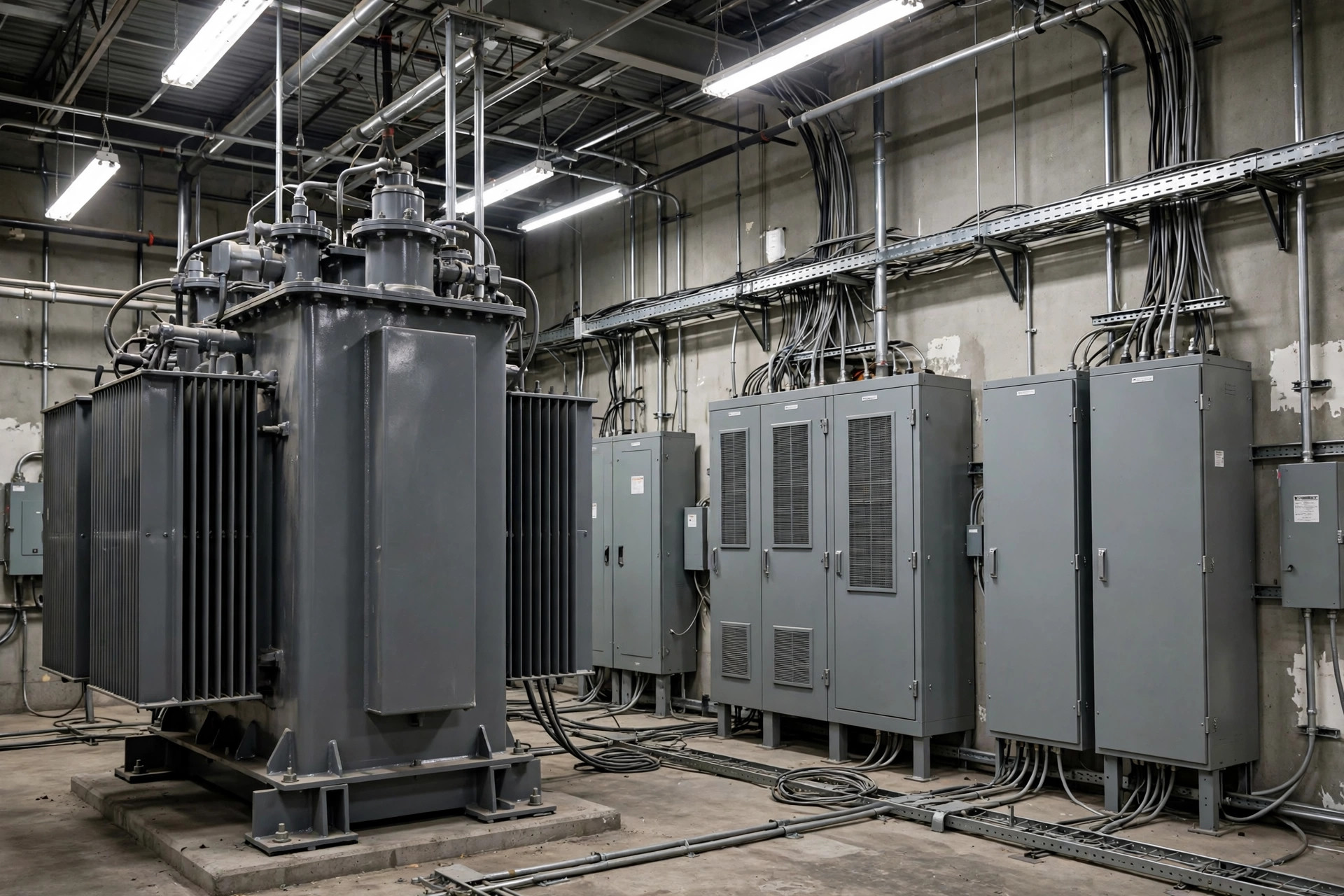
The most overlooked factor is the charging strategy. Thirty AMRs charging simultaneously versus charging in three staggered shifts can produce dramatically different peak loads. Forklifts that moved from lead-acid to lithium changed charging behavior too, and fast chargers pull serious instantaneous power. The equipment vendor's proposal will not do this math for you. List every device's nameplate rating yourself, have the electrician run a proper load calculation, and compare it against existing capacity. Do not trust "I think we're fine" — power does not negotiate, and a breaker does not care about your schedule.
One more move that costs nothing: ask the landlord for the last twelve months of utility bills and look at the peak month. It is a free health report, and it beats any verbal assurance.
Check the panel before you sign the lease
Before the lease is signed, get answers to these questions and put them in a lease exhibit: how big is the main breaker, how big is the transformer, who owns it, and what is the actual available capacity today? What was this building's peak electrical demand over the past twelve months? Who pays for an upgrade, how far does the landlord's cooperation go, and can you terminate if the utility says no? And how long does a service upgrade typically take in this utility's territory — make that call yourself, do not let the broker paraphrase it.
One more piece of hard-won experience: never design your power budget right at the limit. Leave real headroom. Peak-season temp equipment and phase-two automation both need to fit in the plan. Power that is "just enough" today is not enough next year.
Here is the bottom line. The first budget line in an automation project should not be equipment — it should be electricity. Half a day with an electrician in the electrical room before you sign costs almost nothing; waiting months for a utility upgrade afterward, with a bill in the tens to low hundreds of thousands, costs everything. The same math, done before signing versus after, comes out to two completely different prices.