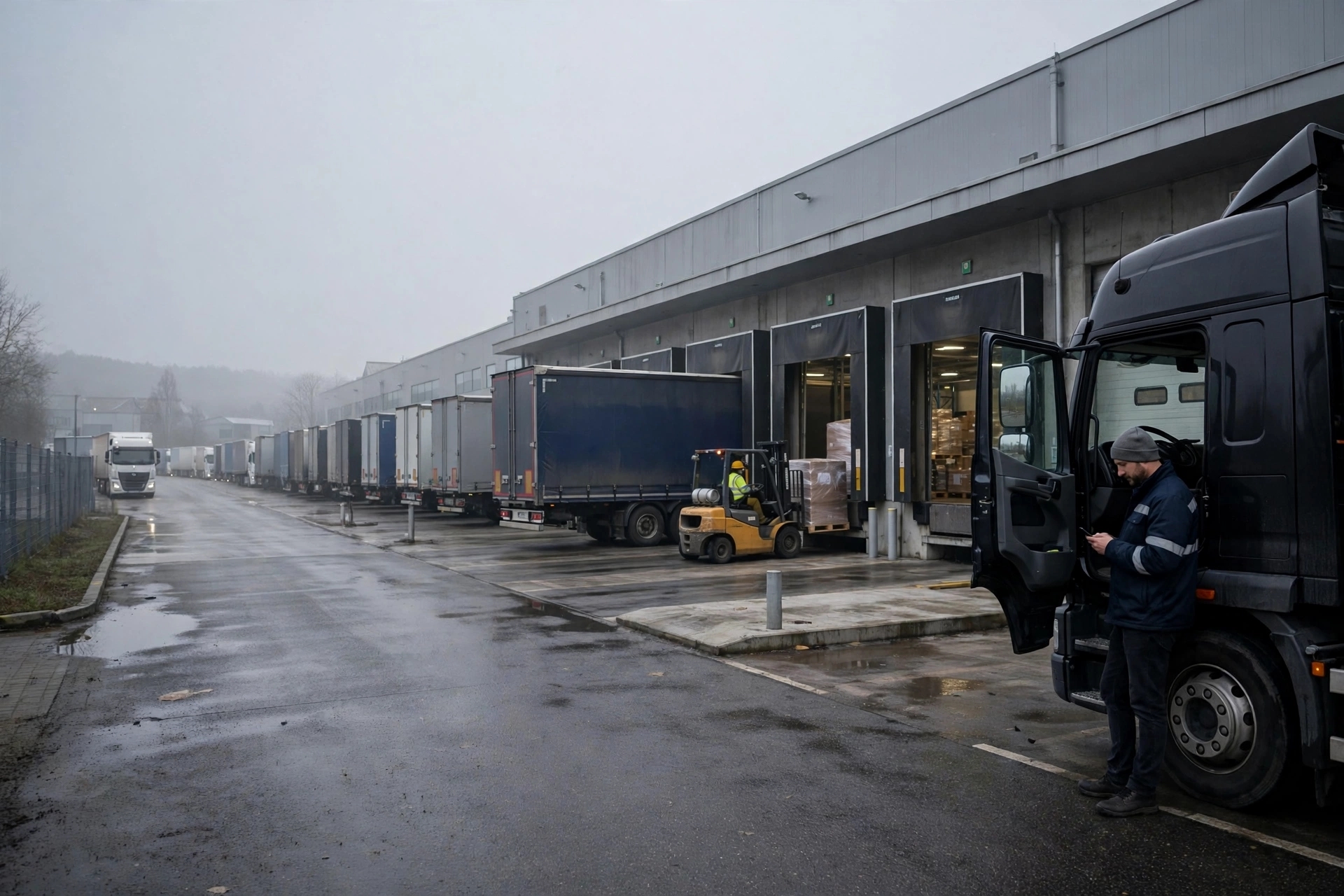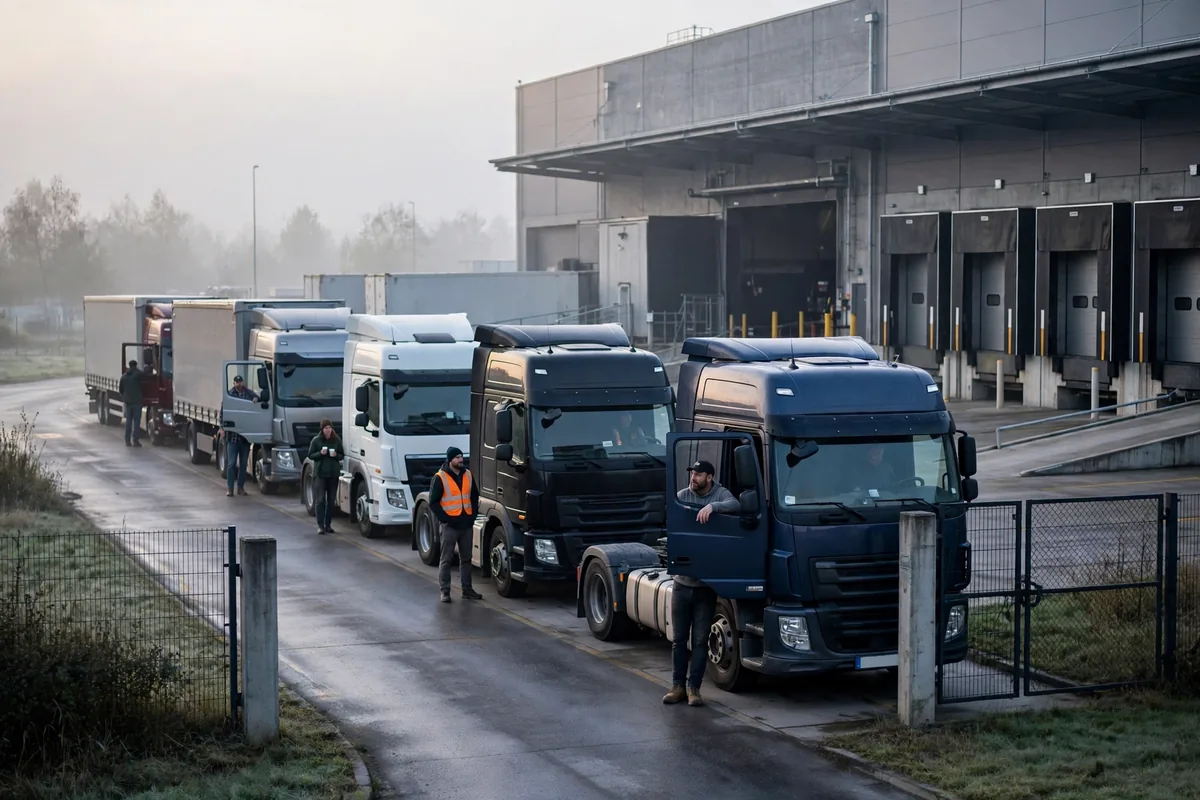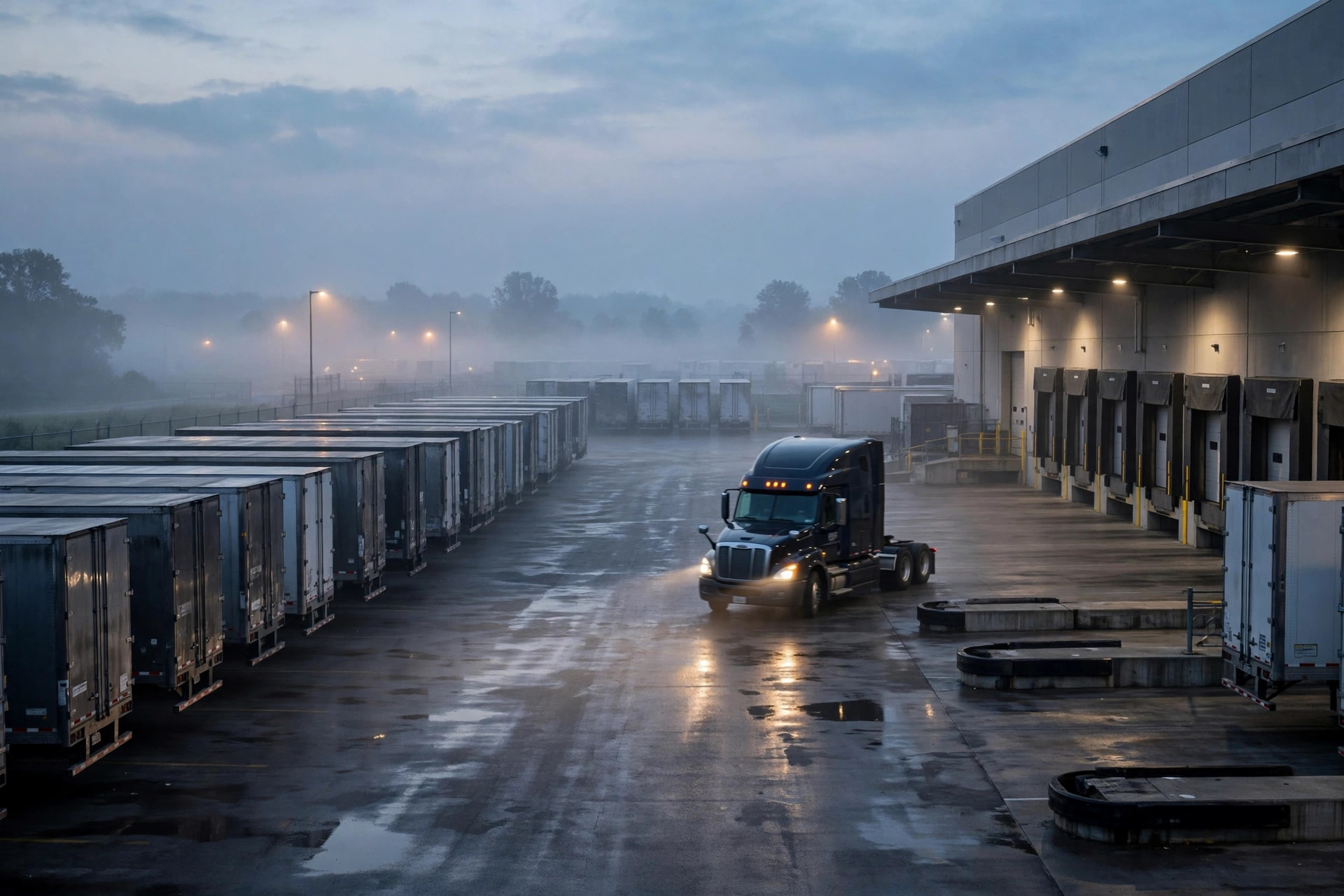
After years on the road, I will tell you straight: warehouse drop trailer pool management looks like a favor to drivers, but it really tests whether the shipper and the warehouse can count costs and keep rules. In November 2023, I arrived at a distribution center near Dallas, Texas, at around 3 a.m. More than a dozen trucks were already waiting outside, while only two dock crews were unloading. My load had arrived, my paperwork was complete, yet there was no dock and no crew. I waited until 10 a.m. Seven hours burned on the spot, fuel wasted, and the delivery window nearly missed.
The problem was not that drivers arrived too early. It was that the truck, the driver, and the freight were tied together. A driver had to wait for unloading before leaving, so when trucks piled up, the docks jammed, and everyone waited on everyone else. After that night, I started watching warehouses that did not make drivers wait: the driver drops a loaded trailer in a marked spot, hooks an empty one, and leaves. The warehouse unloads and loads on its own shift rhythm. Drivers do not wait, docks do not jam, and although drop-and-hook adds one visible step, it removes the most expensive wait of all.
What a Drop Trailer Pool Really Is: Separate People, Trailers, and Freight
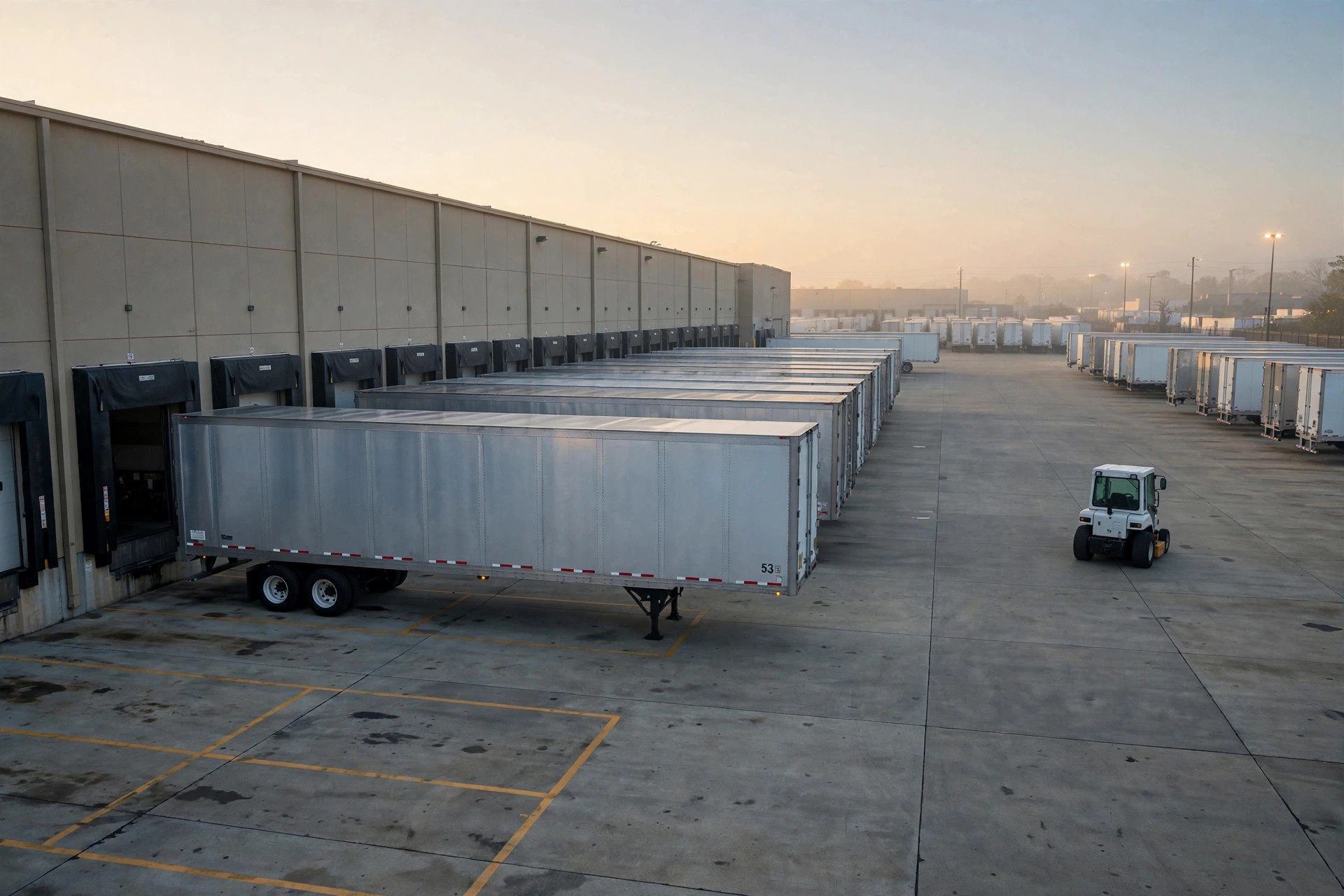
In plain terms, warehouse drop trailer pool management means the shipper or warehouse keeps a standing pool of trailers on site. Drivers only deliver trailers and pull trailers out. Unloading and loading follow the warehouse shift plan. Trucks and people are untied in time. The pool holds three kinds of trailers: loaded trailers waiting to unload, empty trailers waiting to load, and loaded trailers waiting for pickup. Mix those three in one area and every search, move, and paperwork check turns messy.
In spring 2024, a home-goods shipper in the Inland Empire of California told me their lesson. They started with only 12 trailers. When peak season arrived, daily arrivals more than doubled, drivers queued outside, and dock crews could not keep up even on overtime. They later expanded the pool to 40 trailers and marked three zones: loaded, empty, and ready-for-pickup, each with a sign showing trailer number ranges and traffic direction. That zoning alone cut driver search time from about 40 minutes to under 10 minutes, and the docks stopped getting blocked by a jammed queue.
Where Drop Trailer Pools Go Wrong: Three Common Traps
The first trap is managing arrivals but not departures. Loaded trailers keep coming in, while empty and ready trailers are not pulled out on time, so the yard fills until there is no room to turn around. The second trap is a mismatch between trailer numbers and paperwork. The driver drops and leaves, the warehouse searches from memory, and wrong-trailer, double-unload, and wrong-freight problems follow. The third trap is nobody owning the pool. The carrier manages tractors, the warehouse manages docks, and the trailer pool in between belongs to no one, so flat tires, brake issues, and broken doors are only found when the trailer is needed.
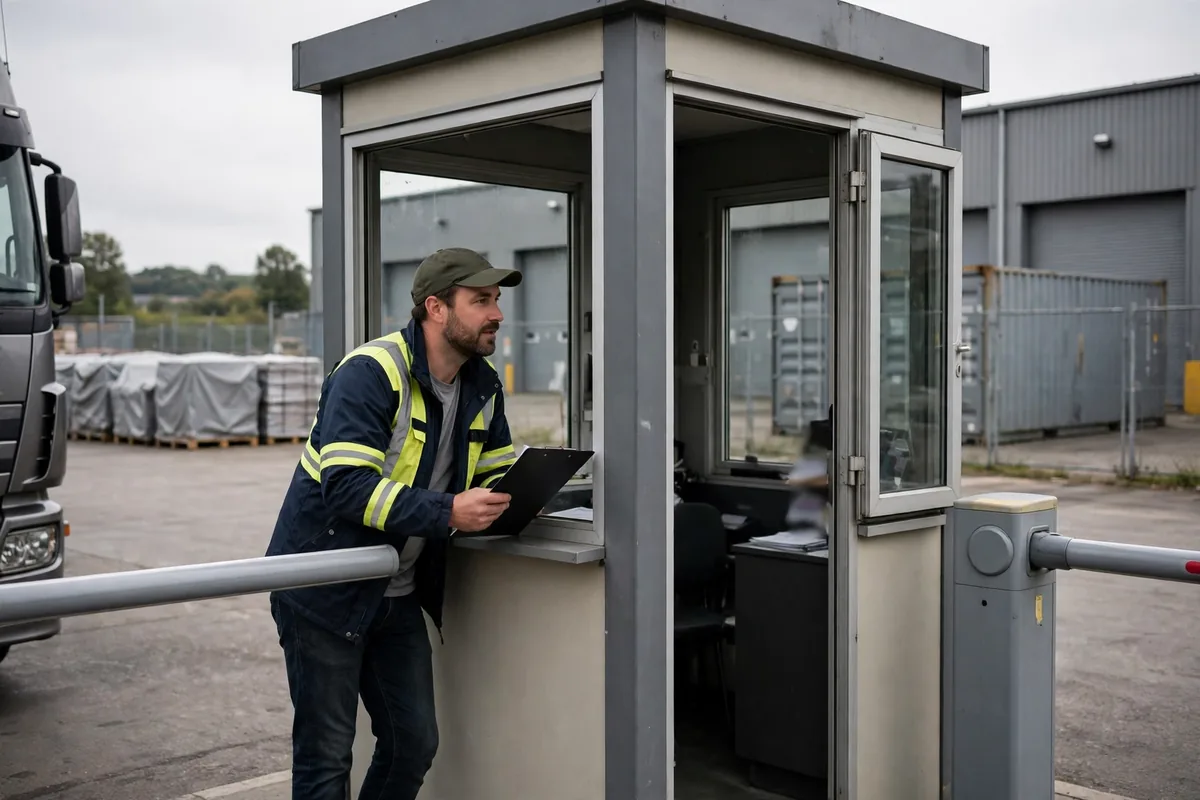
The messiest version I have seen was a handwritten list taped at a warehouse gate. Drivers added their own trailer numbers on arrival, handwriting blurred at night, and nobody could read it. An urgent load ended up parked deepest inside, six trailers blocked it, and moving them took more than two hours. The urgent freight still arrived half a day late. That was not driver non-cooperation. Management had never given drivers three clear actions: where to park, what to hook, and whom to confirm with.
Advice for Shippers and Warehouses: Rules First, Numbers Second
I will tell you straight: about seventy percent of pool success is rules, and thirty percent is quantity. First, make zoning a hard rule: loaded, empty, and ready zones physically separated, with painted lines, signs, and clear direction, readable at night. Second, leave a trace on every drop: photograph the trailer number, record the time, and hand over to a named window, even if it is only a slip plus a signature, which beats a verbal handoff. Third, count the pool at least once a day: at shift handover, count each of the three kinds, flag trailers parked over 48 hours, and flag trailers due for inspection. Fourth, agree on peak volume before peak season: the shipper gives the warehouse a peak arrival forecast two weeks ahead, and the warehouse staffs docks and crews to that forecast instead of adding people after the jam.
To shippers, one honest word: do not judge only the freight rate. Seven hours of driver waiting looks like driver time, but it comes back to your bill in the end, as rush fees, as a missed next booking, or as good drivers refusing your loads next time. Once waiting time is counted in total cost, the price of the pool becomes clear.
Counting the Cost: Where Waiting Really Hurts
| Item | Driver waits for unloading | Drop-and-hook model |
|---|---|---|
| Driver time on site | Often 4 to 7 hours per trip | Usually out within 1 hour after drop and hook |
| Dock use | Tractor blocks the dock until unloading ends | Warehouse pulls trailers to docks by shift plan, so docks turn faster |
| Search and moves | Queue at the gate, moving one trailer disturbs all | Zoned parking, fixed search areas, fewer moves |
| Hidden cost | Late delivery, rush fees, driver loss | Pool maintenance, yard space, counting labor |
This table does not say drop-and-hook is always cheaper. It puts the bill in the open. The model adds yard and maintenance cost, but removes the larger cost of waiting and lateness. For a warehouse with steady volume and more than 15 arrivals a day, the math usually works. For a small warehouse with only two or three arrivals a week, building a large pool is waste.
The Counterintuitive Part: A Bigger Pool Is Not Always Smoother
Many people assume warehouse drop trailer pool management gets safer as the pool gets bigger. In my experience, the opposite is true past a point. Beyond real turnover need, each extra trailer is not insurance, it is burden: one more unit to count, one more move, one more chance to pick the wrong trailer. The California shipper later found that in slow season only half of its 40 trailers were turning, while the rest sat so long that tires and brakes developed problems from standing still. Their fix was two seasonal numbers: 28 trailers in slow season and 40 in peak season, with surplus trailers returned to the carrier instead of occupying the yard.
So do not set pool size by gut feeling. Ask three questions first: how many arrivals per day on average, and what is the peak; how many trailers can one warehouse shift unload; and how long does a trailer stay on site on average, from drop to pickup. Divide those numbers, and a rough pool size appears, then add about twenty percent slack for fluctuation. That method is not fancy, but it beats guessing.
One Last Word
Trailers are steel, people are flesh, and rules are the line. When drivers can leave on arrival, warehouse unloading has rhythm, and someone counts the pool every day, docks naturally stay clear. Managing a pool is managing time: whoever saves time will want to work with you for the long run.
By Shifu Zhao, Trucking Veteran (15 yrs)