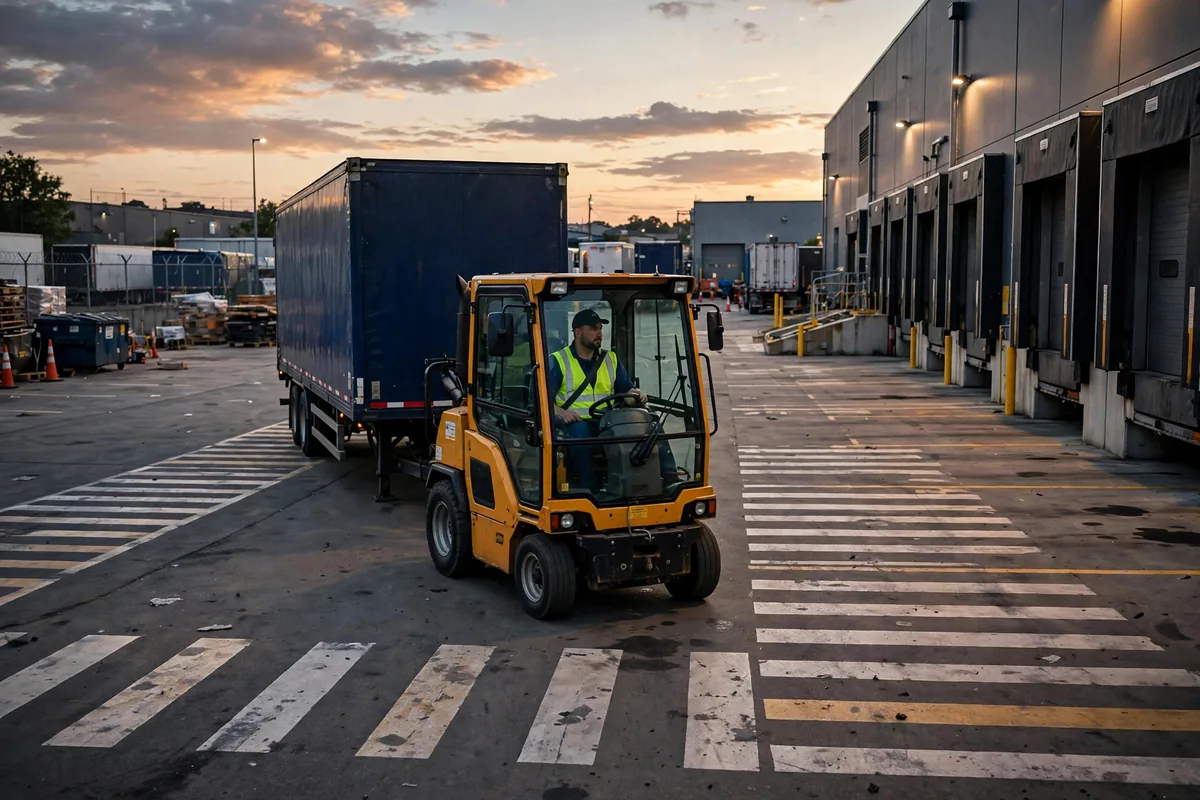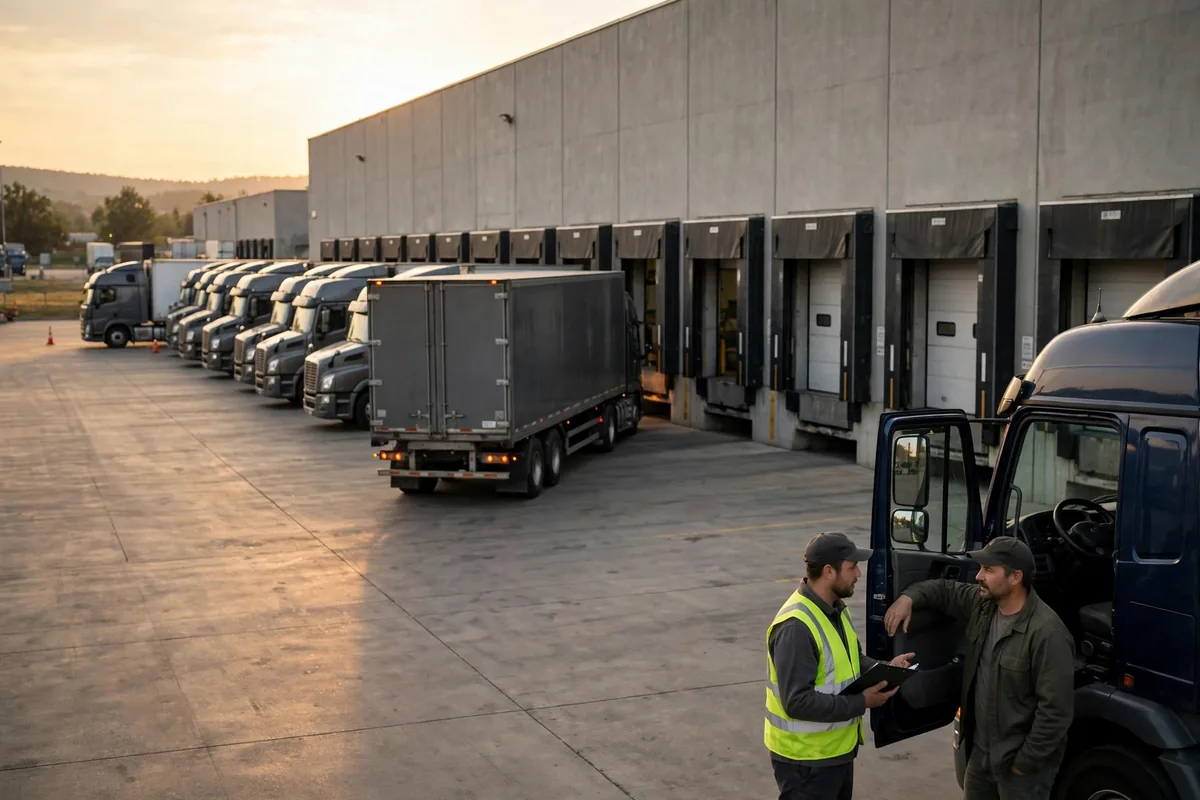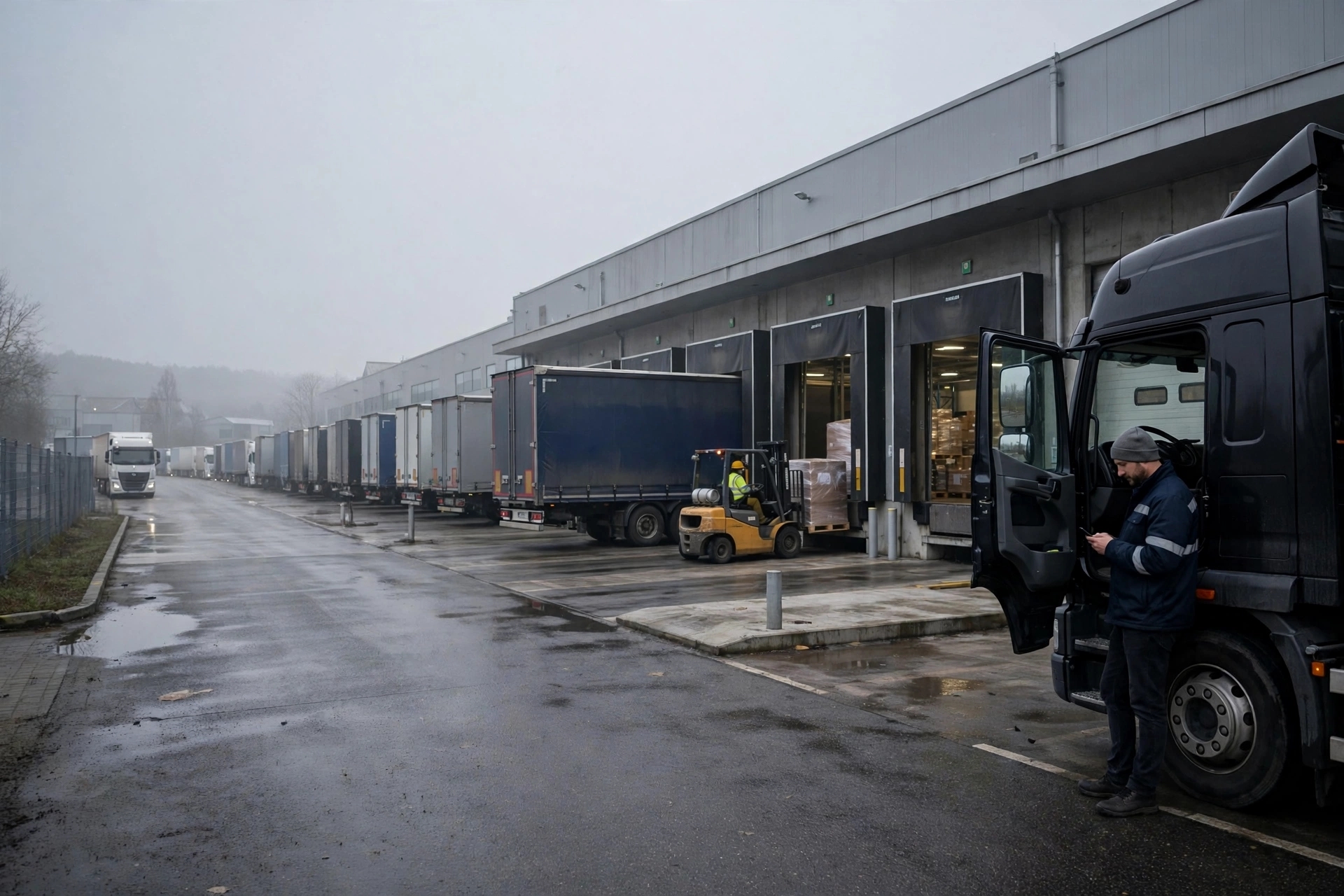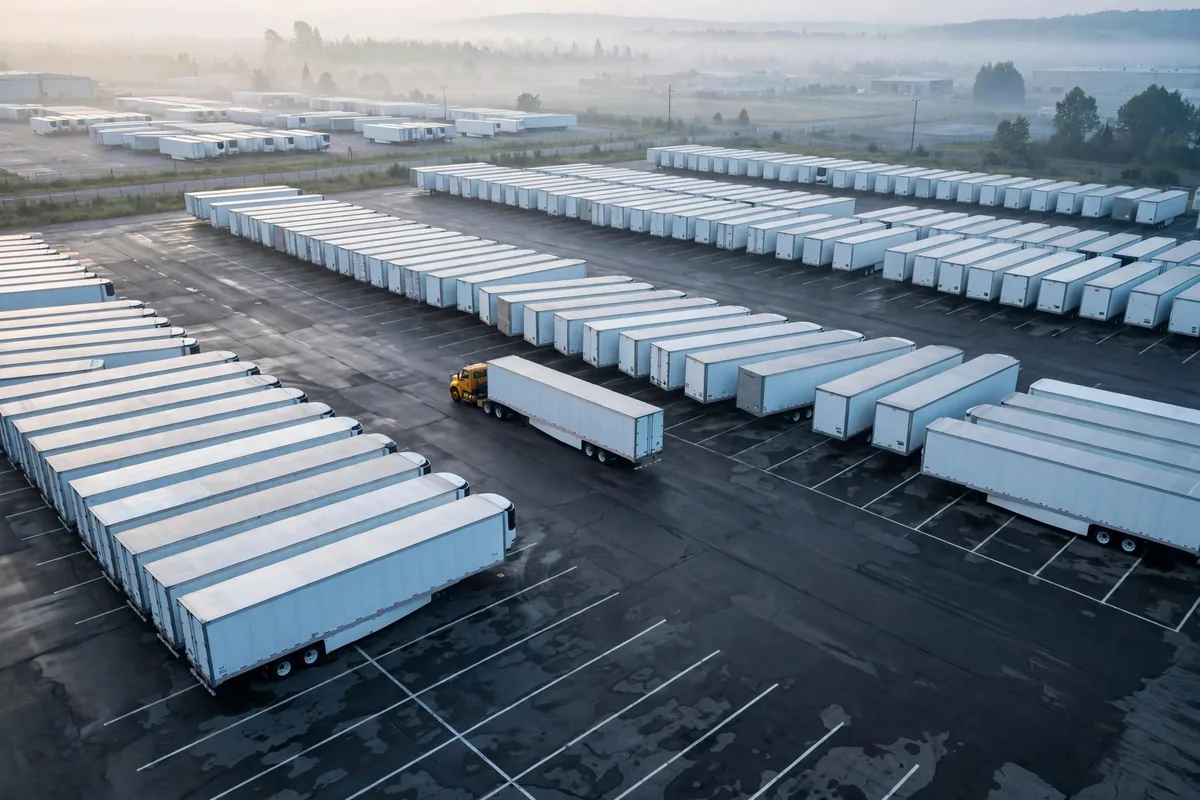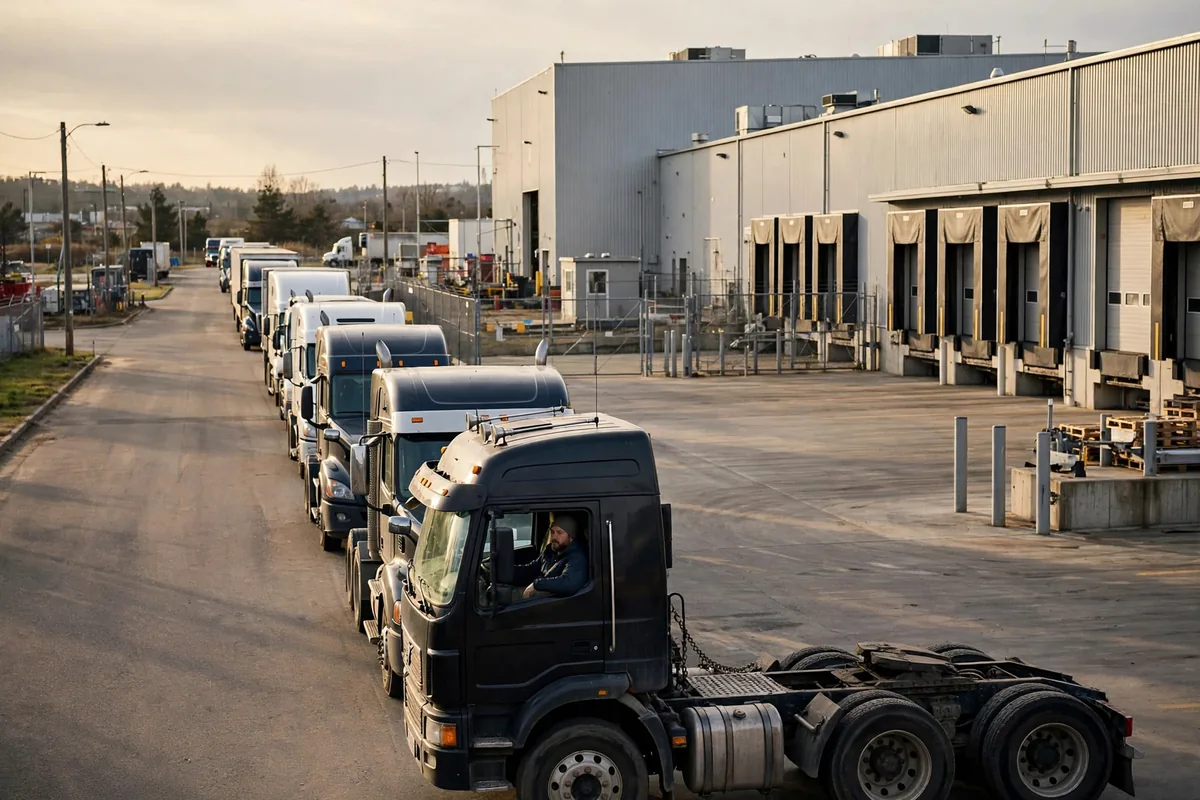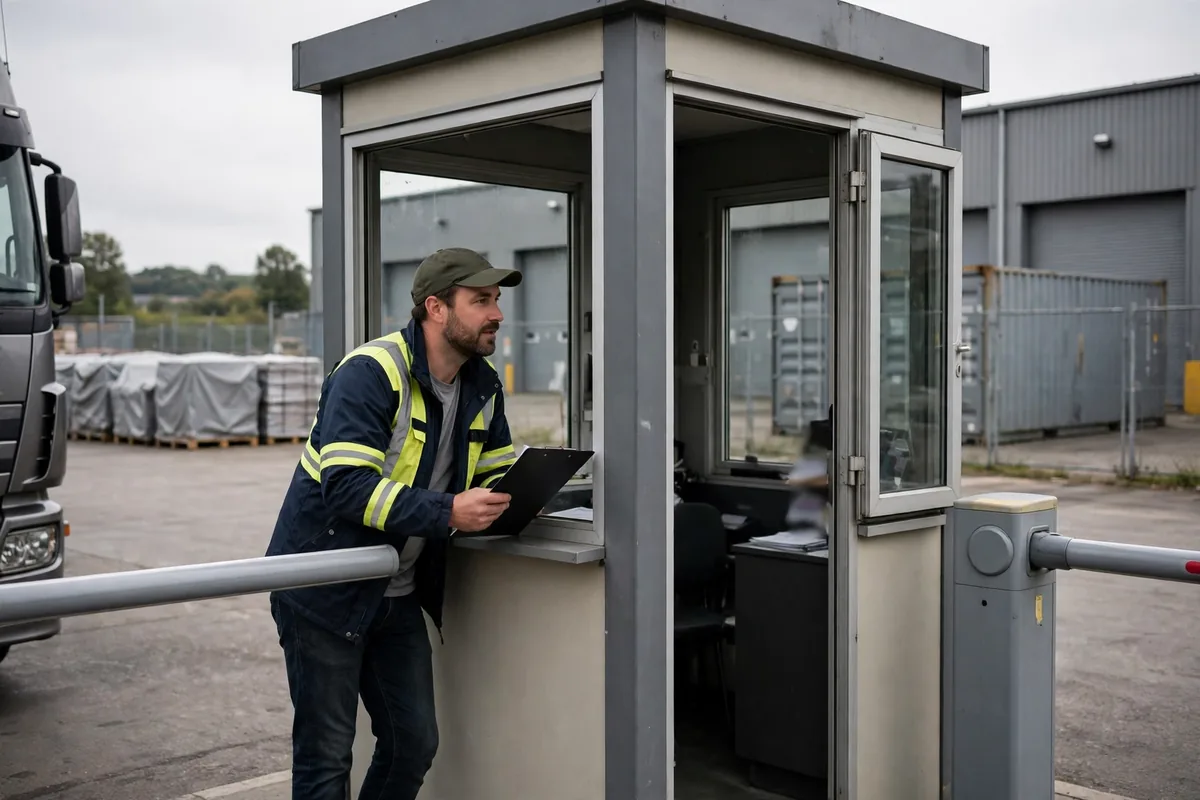
Let me tell you about a morning a couple of autumns back. I rolled up to a warehouse outside Shanghai at 5:30 in the morning, load of fast-moving consumer goods on the trailer, customer waiting on the stock. I did not get to a dock until ten. The road was fine. The freight was fine. What stopped me was the warehouse yard gate check-in process. One digit wrong on the license plate in the booking, the gate system had no record of my truck, and the guard waved me to the side to wait. The dispatcher would not pick up the phone. The warehouse said they never got my booking. I sat in the cab watching fuel and time burn, earning nothing.
After all these years on the road, I have learned this: the gate is a small step that can eat half your day. Plenty of drivers think check-in is just filling in a form and signing your name, something you sort out when you get there. But by the time you get there, it is already late. Check-in starts before you leave.
I learned my lesson that day. Now, before every run, I check three things against each other: the booking number, the plate number, and my ID number. Who made the booking, what time, which dock — screenshot it all and confirm it once with the shipper. It sounds fussy. That morning, one wrong digit meant the system had no truck by that plate, and no guard is going to wave you through on your word. They work from the list.
Once you reach the warehouse, the warehouse yard gate check-in process runs in six steps: booking, arrival registration, document check, dock assignment, loading or unloading, and exit sign-out. Simple on paper. Any one of them can stop you cold. Booking is where most trouble starts. Some warehouses want a booking a day ahead, some take two hours' notice, and some only let the shipper book through their own system, so the driver cannot book at all. I once ran to a warehouse in eastern China booked for eight in the morning. I arrived at 7:50 and the guard said bookings only counted on the hour, no entry before eight. Ten minutes of waiting, no real harm. Book the wrong day, though, and you have a real problem.
The Document Check Is Where the Warehouse Yard Gate Check-In Trips Most Drivers
The document check has caught me out twice. Once, the annual inspection stamp on my vehicle registration was too faint to read, and the guard spent ages squinting at it. Another time, the short name of the consignee on the delivery note did not match the full name in the system, and I was told to get the shipper to issue proof. After all these years on the road, I keep a folder in the cab now: ID card, driving license, vehicle registration, delivery note, booking screenshot. Five things, none optional. When the document check goes wrong, eight times out of ten the papers themselves are fine — the information just does not match. A digit off the plate, a replacement driver nobody updated, one wrong number on the delivery note. Two minutes checking before you leave can save two hours at the gate.
Dock assignment is about how the warehouse lines your truck up. After registration at the gate, you get a dock number, sometimes a small entry ticket with the dock and an estimated time. My habit now is to ask three questions before I drive in: is there still a truck unloading at that dock, which zone does my freight go to, and which gate do I leave by? Once I drove straight to dock three on the ticket's say-so, only to find the previous truck still unloading. I blocked the lane, the trucks behind me could not get in, and the warehouse staff had to come out and guide me reversing. Twenty minutes gone. These days I glance at the dock first, have a word with the forklift driver, and only then reverse in.
During loading or unloading, do not just sit in the cab. Watch the count. Flag damage on the spot. I have seen a driver unload and drive off, only for the warehouse to claim two cartons short a fortnight later, and the argument dragged on for a month. The exit sign-out is the step most drivers skip, because the freight is off and the job feels done. It is not done. Exit sign-out is the gate marking your truck out of the system, confirming you left empty. Drive off without it and the system still shows your truck occupying a dock. The next truck cannot get in, and if anything goes wrong with the freight, nobody can say cleanly who is responsible. I once left in a hurry without signing out, and the shipper's system showed my truck still on site. My freight payment was held up for a fortnight.
What One Stuck Warehouse Yard Gate Check-In Really Costs
So what does all this tell us? The gate is not the guard's problem alone. It belongs to the whole chain. The shipper books or does not book, the warehouse schedules or does not schedule, the driver brings the papers or does not. One weak link and trucks stack up at the gate. Let me put a number on it — this is a hypothetical example, just to show the shape of the cost. Say a truck makes two runs a day at 800 yuan a run. Lose two hours at the gate and miss one run, and that is 800 yuan gone, plus fuel, tolls, and a day's wages for the driver. A bad day can easily cost over a thousand yuan. Three or four such days a month adds up to tens of thousands over a year. Shippers never see that bill. Drivers pay it every day.
Here is the part that surprises people: the warehouses with the longest queues at the gate are often not the busiest ones. They are the ones with the messiest check-in. I ran to a small warehouse with modest volumes where trucks queued every day, because bookings ran entirely by phone, one dispatcher answering calls, and every missed call was a missed booking — and every missed booking became a truck stuck at the gate. Meanwhile a big warehouse with an online booking system let drivers book on their phones, scan a code at the gate, one truck per dock, and the gate never jammed. Volume is not the problem. Treating check-in as an afterthought is.
My advice to shippers on the warehouse yard gate check-in process comes in three parts. First, when you send the booking to the driver, send everything: booking number, time, dock, contact phone number. An address on its own is not enough. Second, if the driver or the truck changes, update the booking straight away. Do not wait until the truck is at the gate to mention it. Third, when you sign a warehouse contract, ask how gate check-in works — is there online booking, is there an arrival reminder? And for warehouses, here is the cheap fix: put a check-in flow chart on the gatehouse wall. Booking, documents, dock, sign-out, four steps, plain enough for a driver to read at a glance. It cuts the guard's explaining in half. And when the system has no record of a truck, do not just say "no booking." Tell the driver who to call and which number to ring. That alone would clear half the trucks blocking the gate.
Let me tell you, in this line of work you do not win by driving fastest. You win by tripping up least on the small steps. Get the gate right and you fit an extra run into the day. Over a month, that is real money. There is an old saying: sharpen the axe before you chop the wood. Two minutes checking the paperwork before you leave beats two hours sitting at the gate wondering what went wrong.
By Shifu Zhao, Trucking Veteran (15 yrs)