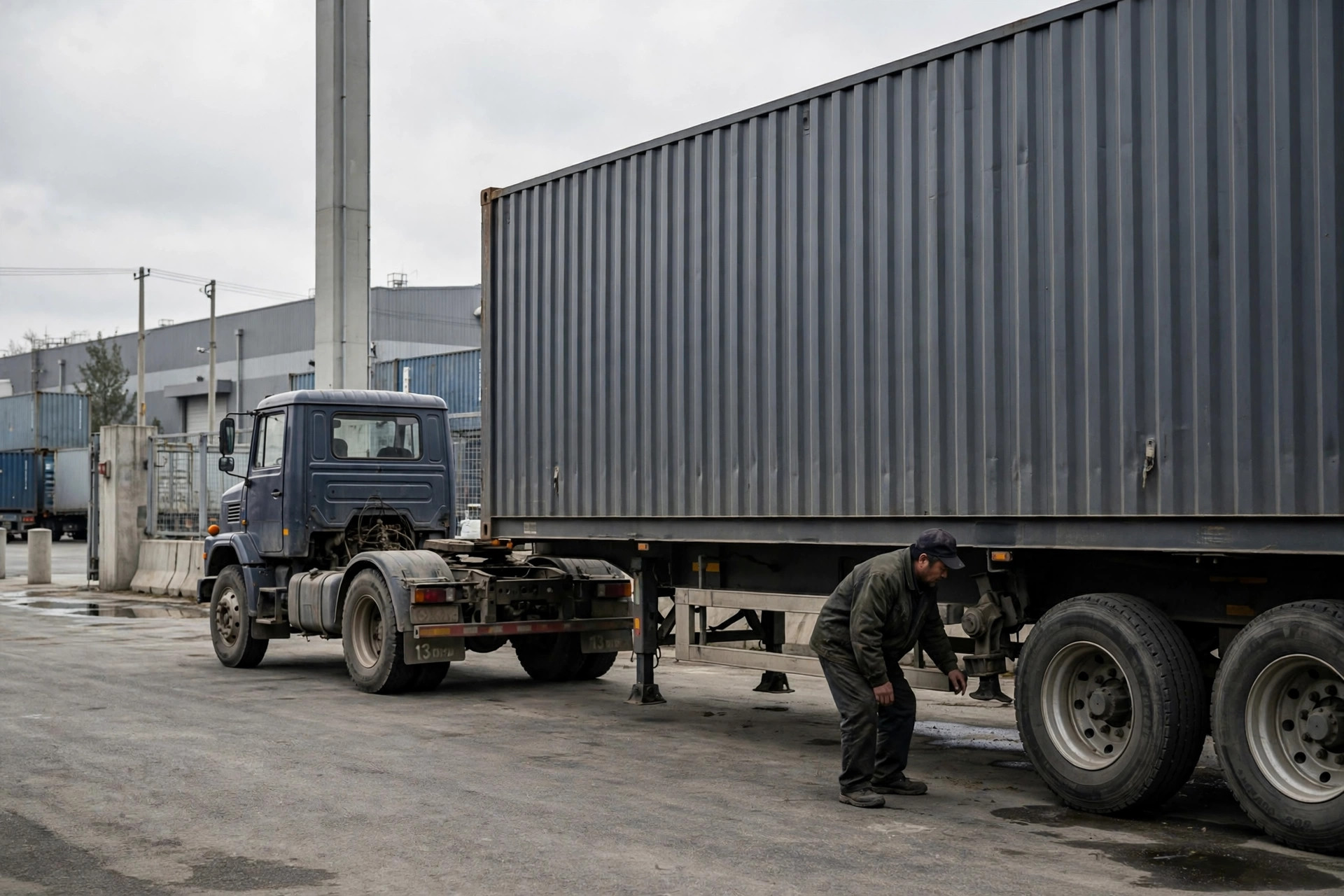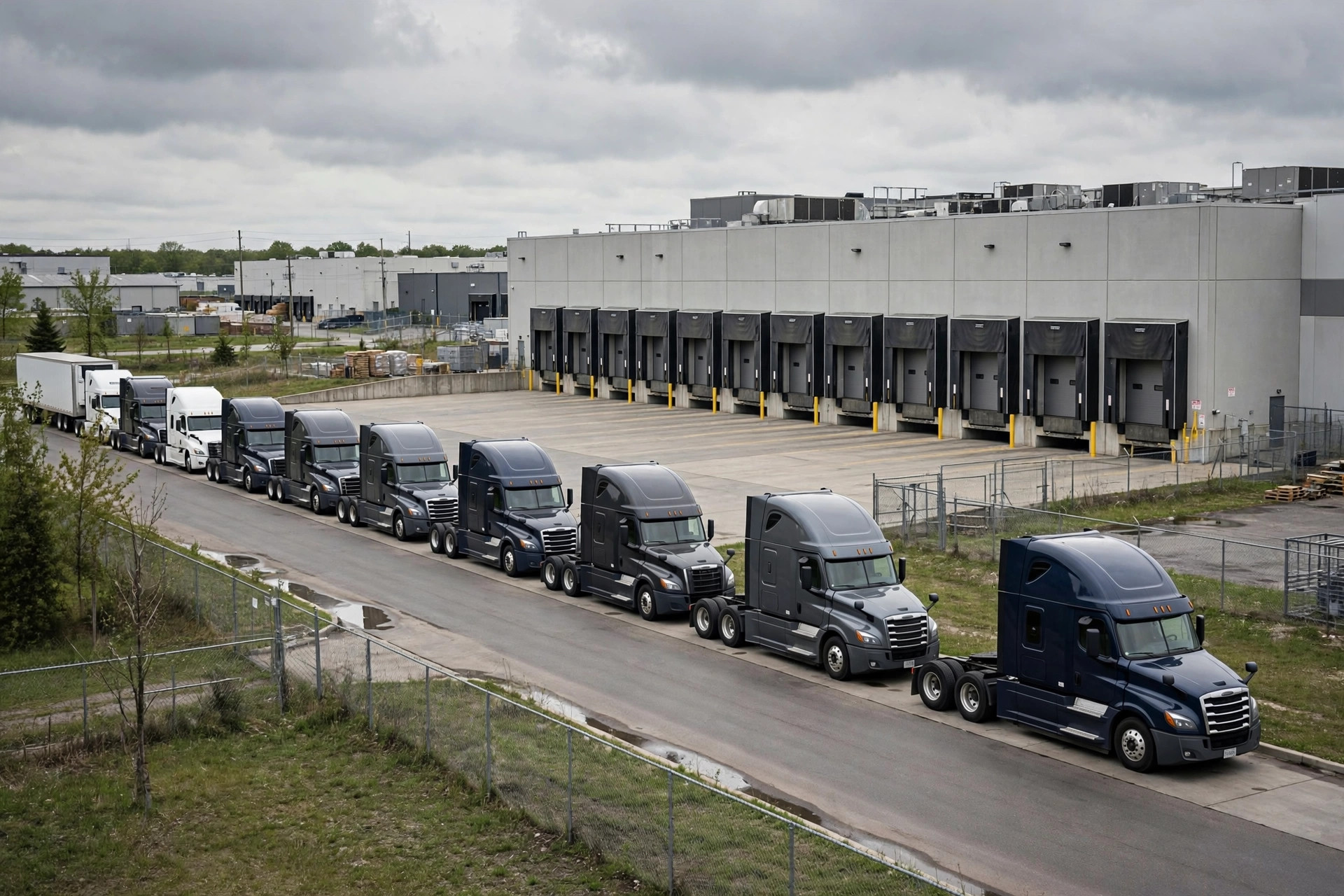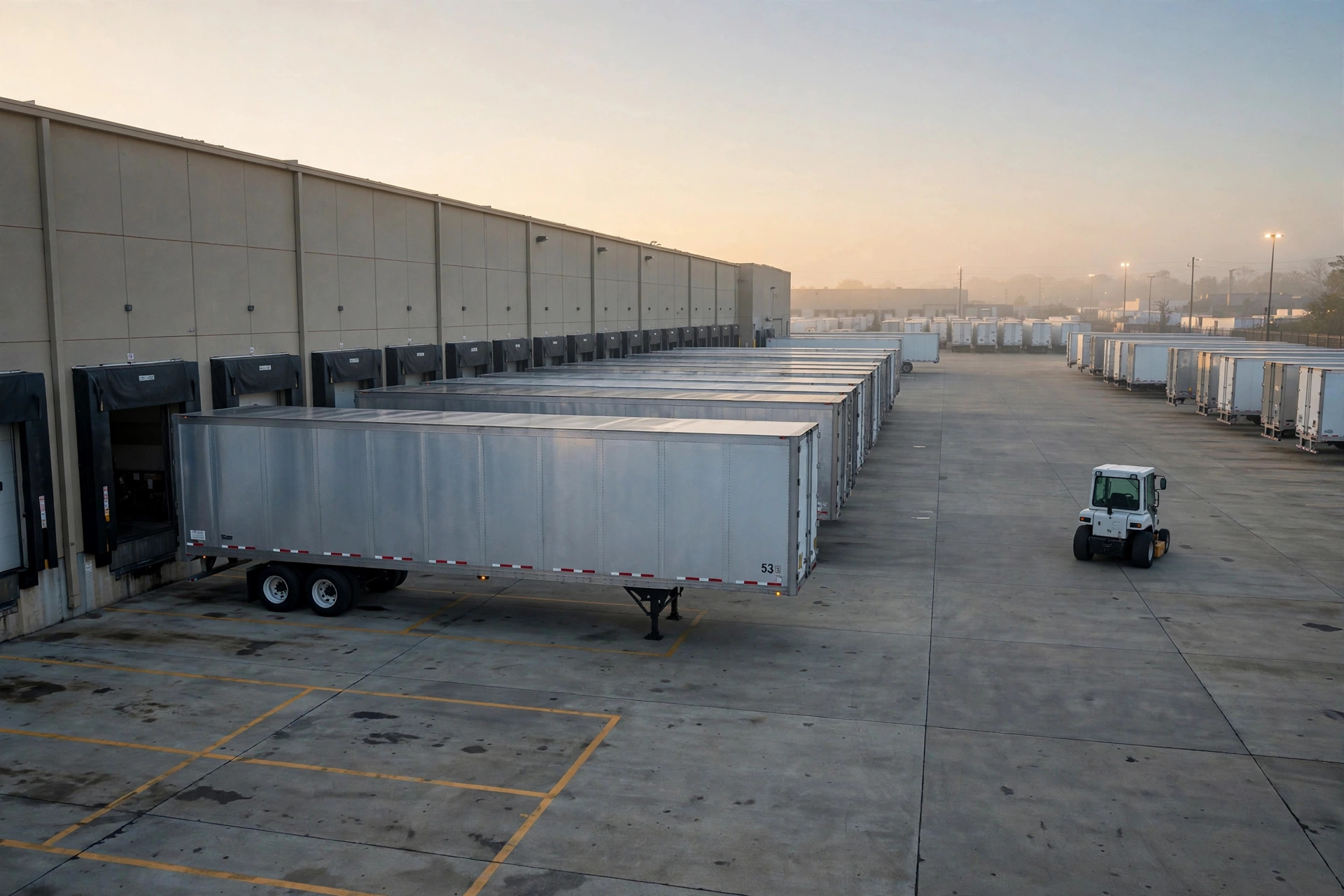
Here's the math that sells drop trailer to any CFO. A DC shipping ten loads a day, with each driver burning three hours at the dock: the going rate in the US is roughly two hours of free time, then $75 to $125 per hour of detention. Take the low-middle of that range — one billable hour at $75, ten loads a day, that's $750 a day, $16,500 over a 22-day month. Over a year, you're paying for a used forklift just so drivers can sit in your driveway. Drop and hook exists to kill that line item: the driver drops an empty, hooks a loaded trailer, and leaves. Loading happens on the warehouse's clock, not the driver's.
I watched this flip in real time in 2021, helping a 3PL in the Inland Empire stand up its YMS. They were 100% live load, drivers queued at the gate every afternoon like it was a drive-thru. First full month on drop trailer, their detention bill dropped by roughly 70%. Nothing else changed — same volume, same carriers, same dock crew.
Start with the uncomfortable question: is this even for you?
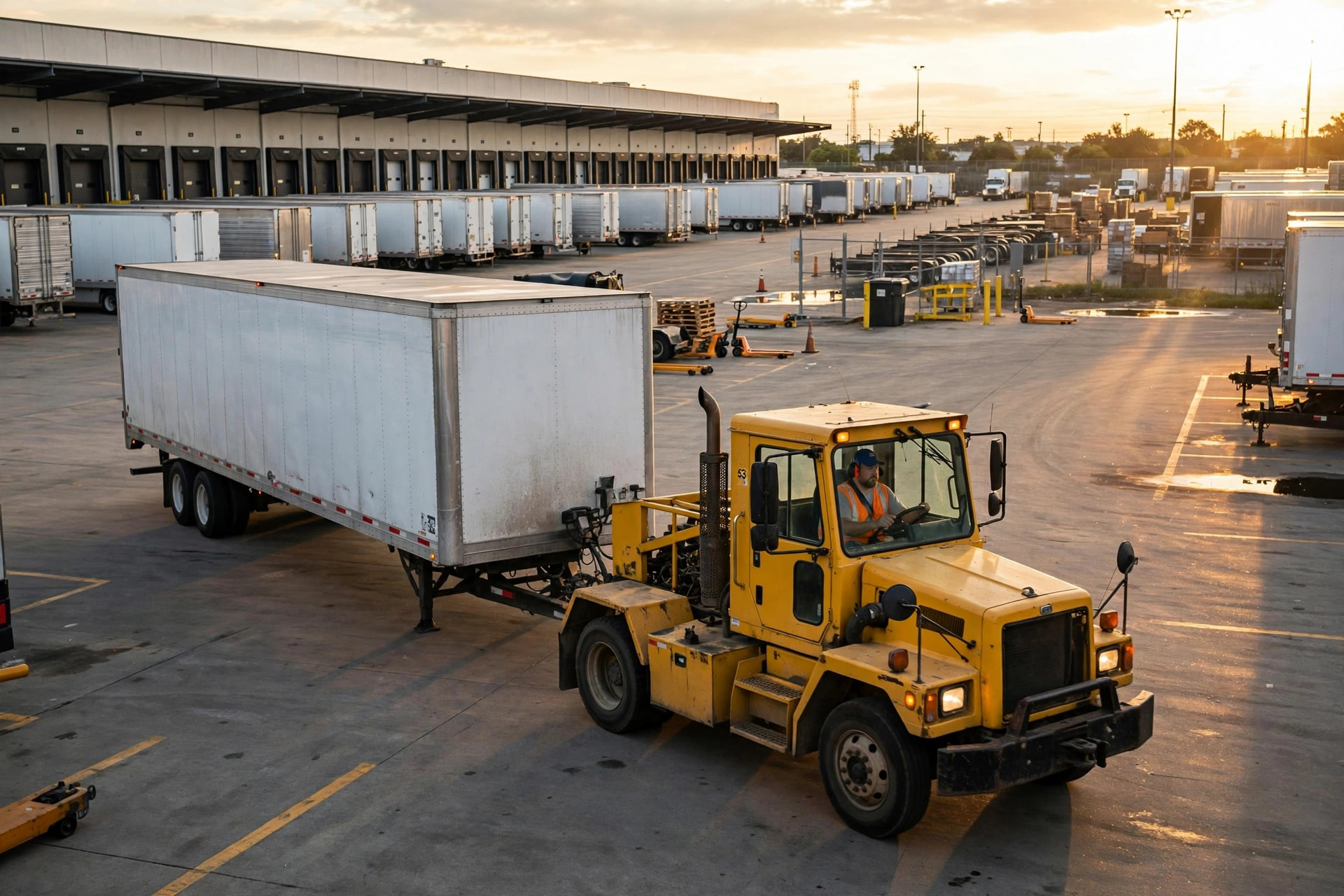
Drop trailer is not free. It has three fixed costs that never go away: the trailer pool itself (buy or long-term lease a fleet of 53-foot dry vans), the yard to park them in, and a yard tractor with a driver — the little Kalmar Ottawa-style spotter trucks you see shuttling trailers around every big DC. Those costs are fixed, which means low volume can't absorb them.
My rule of thumb is blunt: a steady eight to ten loads a day or more, drop trailer probably pays. Five or fewer, stick with live load and tighten up your dock appointment schedule instead — you'll get more for less. The five-to-eight range is where you actually do the math. Pull three months of detention invoices, add the loads your drivers dropped because they were stuck in your queue (a driver who runs one fewer turn a day costs you a full turn's revenue), and compare that against the monthly cost of the trailer pool.
One cost people leave out of the spreadsheet: driver churn. In Southern California, drivers talk. A facility known for three-hour waits stops getting the good drivers; they take loads to the DC down the road with a 30-minute turn. You can't put that in a cell in Excel, but it shows up in your tender acceptance rate within a quarter.
There's also a rhythm requirement. Drop trailer is a game of pre-staged trailers, which means your loading cadence needs to be reasonably stable. If your order waves swing wildly, the pool either sits idle or comes up short — and when it comes up short, the whole system breaks at once.
Sizing the pool: an ugly formula that works
Skip the fancy models. Trailer pool = daily loads × average trailer dwell days + safety buffer.
Dwell days is the number that matters: from the moment an empty trailer lands in your yard to the moment the loaded one gets pulled. It covers three phases — waiting to load, loading, waiting for pickup. A 53-foot van takes 20 to 26 pallets; two people and a forklift load it in two to three hours. But the waiting almost always exceeds the loading. Be conservative and call it two full days per trailer turn.
Example: ten loads a day, two-day dwell, that's twenty trailers baseline. Add two to three for safety — Monday surges and the inevitable unit sitting in the shop. Twenty-two to twenty-three total. Float it up 15 to 20% for peak season, shed a few long-term leases in the slow months. Which is why you lease trailers instead of buying them: flexibility is money.
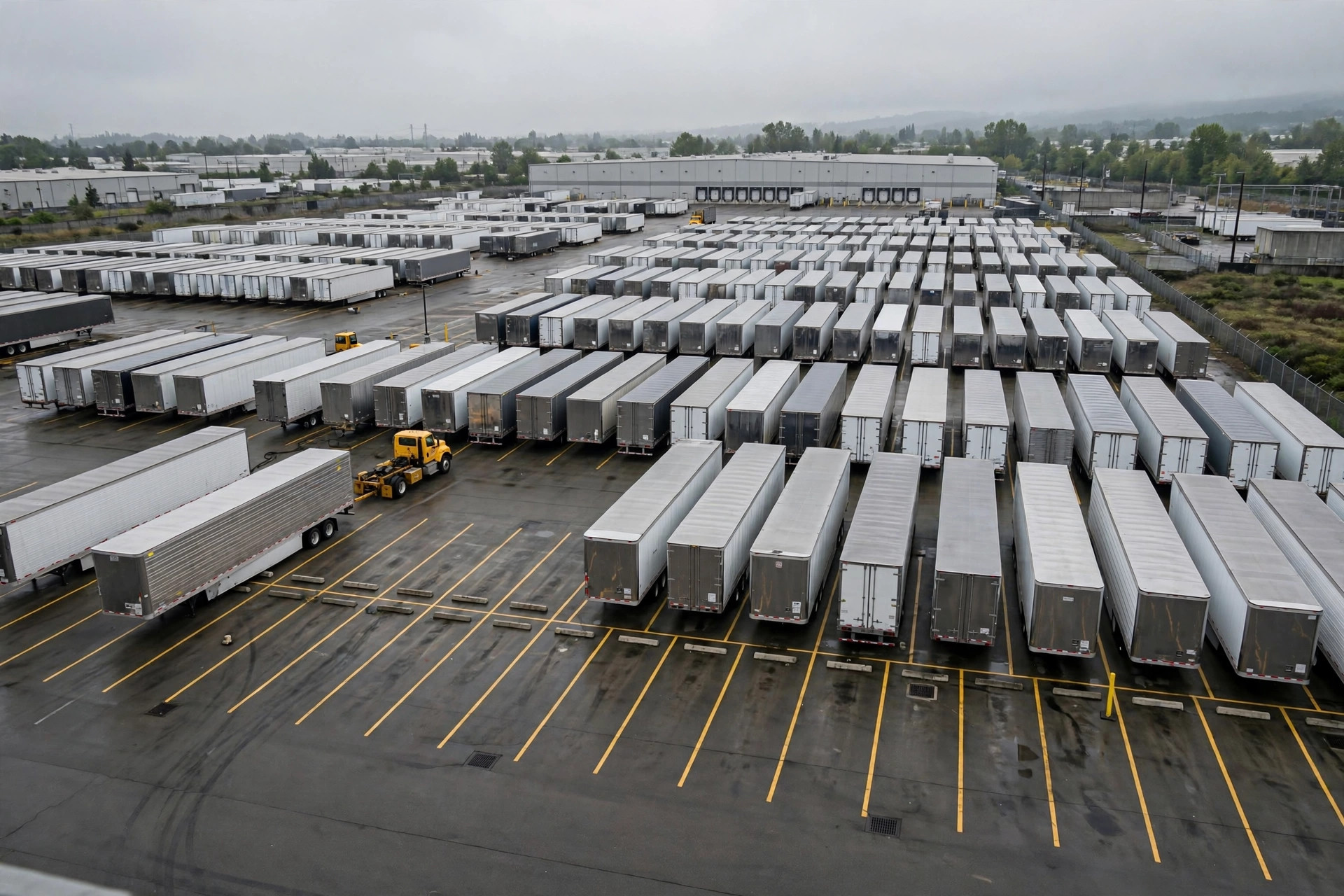
Here's the trade-off most people get backwards: err on the side of two trailers too many, never two too few. One trailer short means a driver arrives and there's nothing to hook — the rhythm breaks, and every detention dollar you saved comes right back. An extra trailer costs a few hundred a month. One broken cycle costs multiples of that.
Where YMS implementations actually rot: trailer status
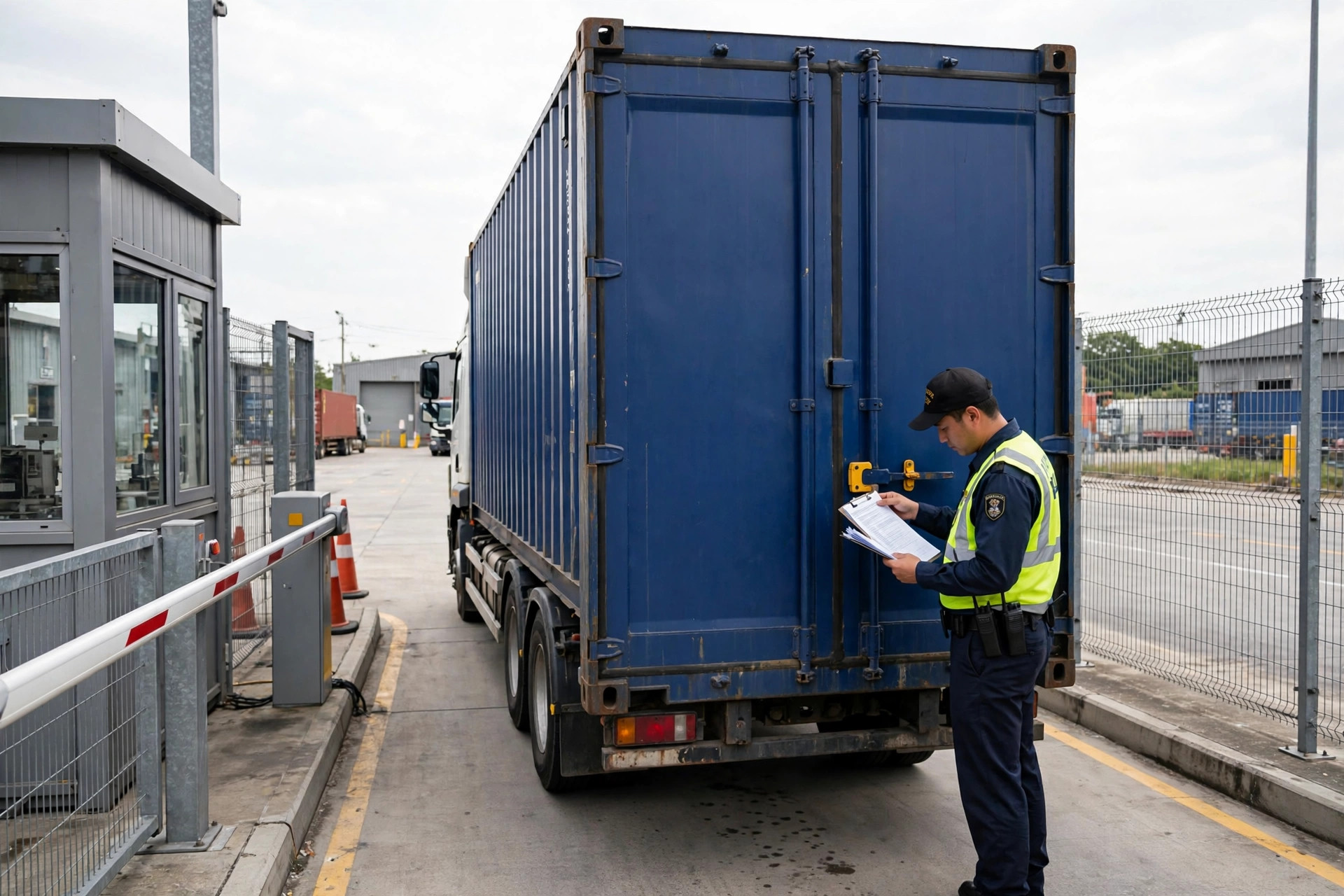
The driver workflow is simple — four steps: gate check-in, YMS assigns the move (which door, which trailer to hook, which stall to drop in), driver executes, gate confirms departure. The YMS's real job is knowing where every trailer is, what's in it, and whether it's usable.
I recognize exactly four trailer states: empty and available, loading in progress, loaded awaiting pickup, and locked for maintenance. Four. Not fourteen. The yard crew can't hold fourteen states in their heads, which means fourteen states equals zero states.
Three things rot first:
Empty trailers in the wrong spot. A driver drops an empty; the YMS still shows it "en route." The next driver follows the system's directions, finds nothing, calls dispatch, and somebody walks the yard trailer by trailer. That's the single most common twenty minutes wasted in a drop operation. Fix: the drop action must be confirmed in the YMS — driver taps "dropped + stall number" on a phone, or the gate scans it. One of the two, non-negotiable.
A deadlined trailer getting dispatched. A trailer with a flat sits unflagged, the YMS assigns it, the driver hooks up, drives two miles, and limps back. An hour gone, round trip. Rule: any maintenance report locks the trailer in the YMS first, and locked trailers are invisible to dispatch. Give that lock permission to the yard supervisor, not the drivers.
Loaded trailers nobody's watching. A loaded trailer sitting in the yard past 48 hours usually means the downstream pickup broke down — or everyone simply forgot it. Set one automatic alert: loaded-awaiting-pickup past 48 hours goes yellow, past 72 goes red and pages dispatch. I've seen a yard with three "missing" loaded trailers tucked in a back corner, customer freight inside, discovered only when the customer called asking where their product was.
One thing you can do this week, before leasing a single trailer: pull last month's detention invoices and your drivers' average dwell time. If you're genuinely burning over ten grand a month on waiting, drop trailer deserves a serious look. If it's two or three grand, tighten the dock appointment board first — faster payback, zero capital. Spend where the bleeding is, and the invoices will tell you exactly where that is.