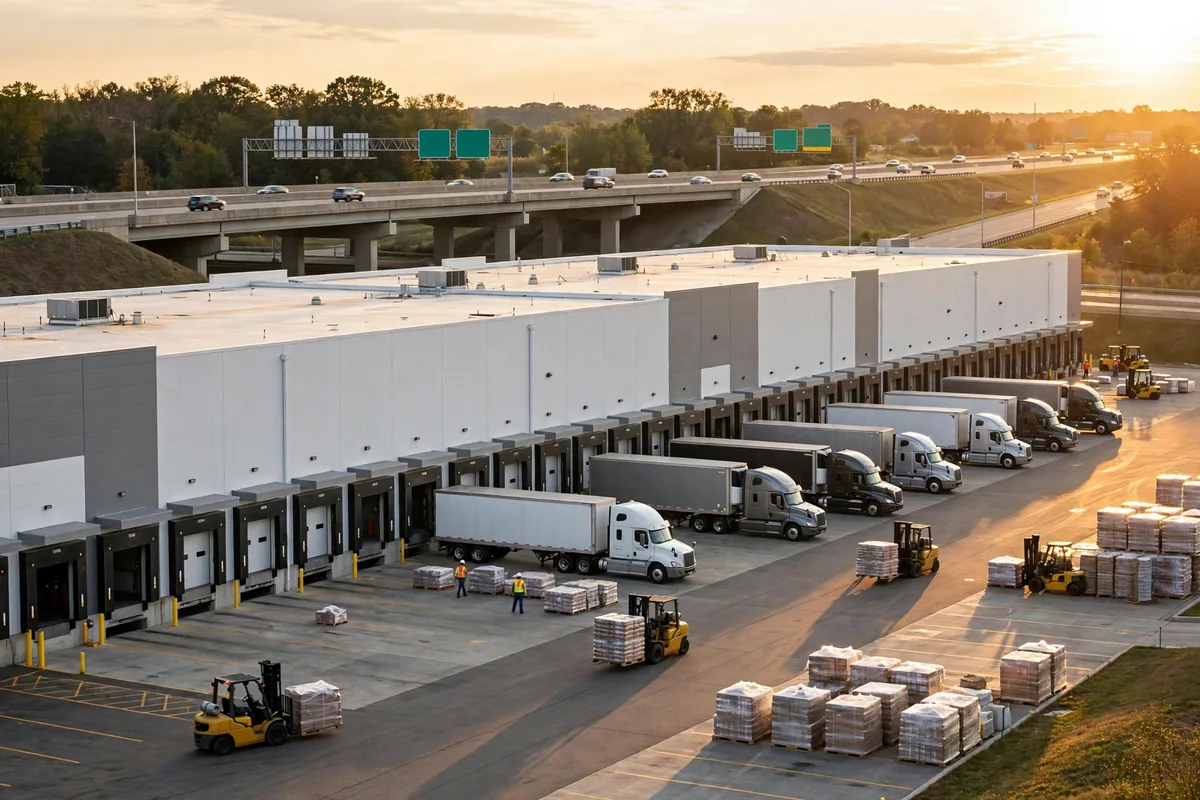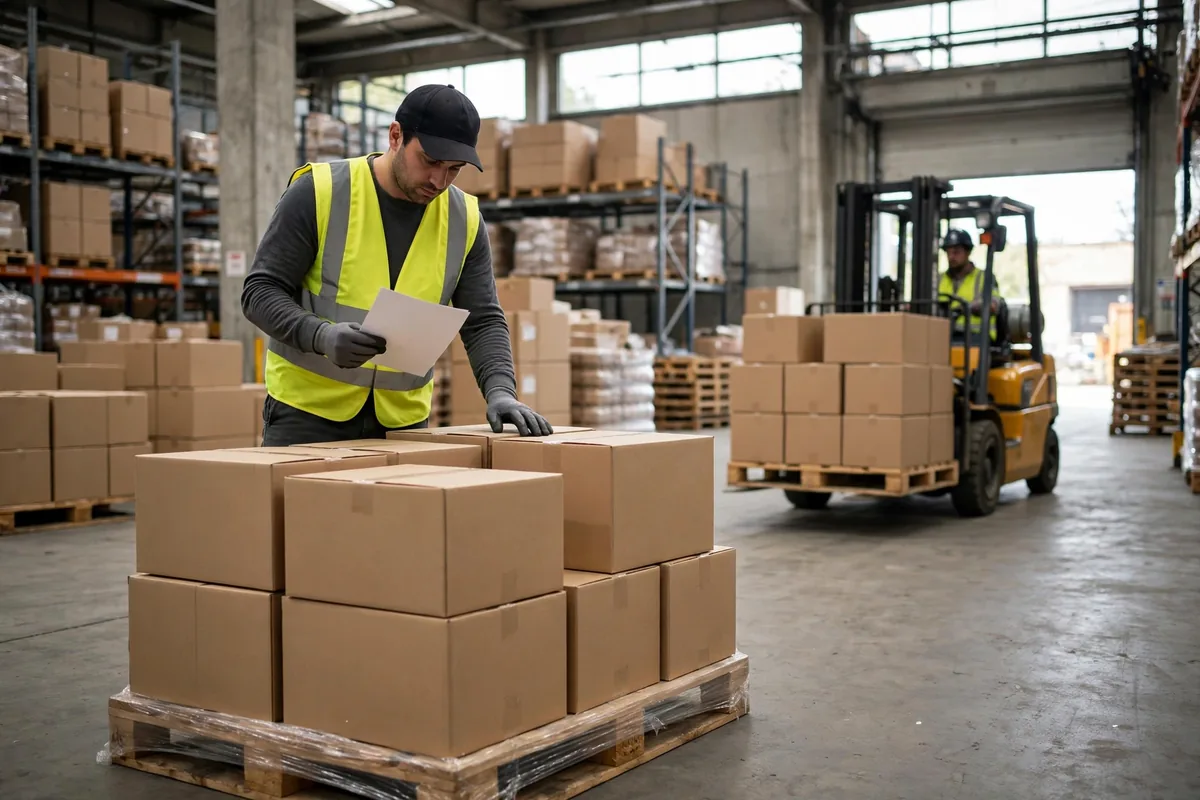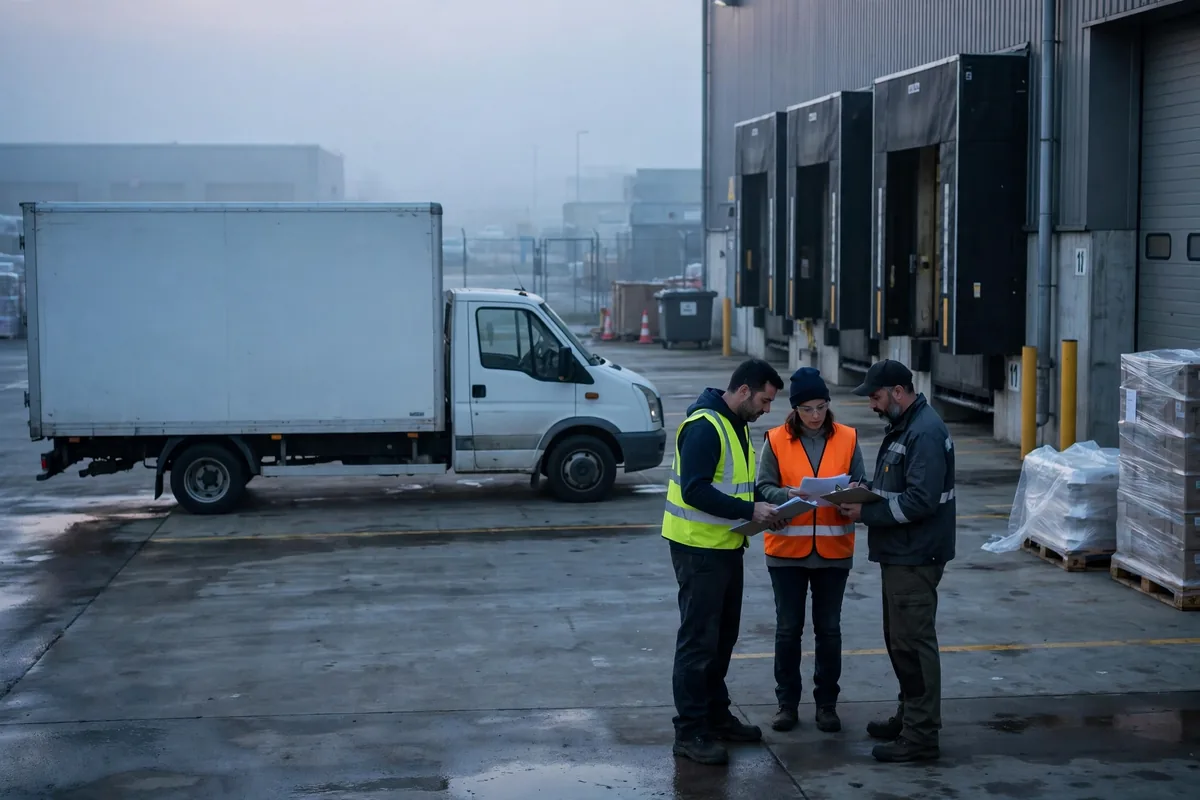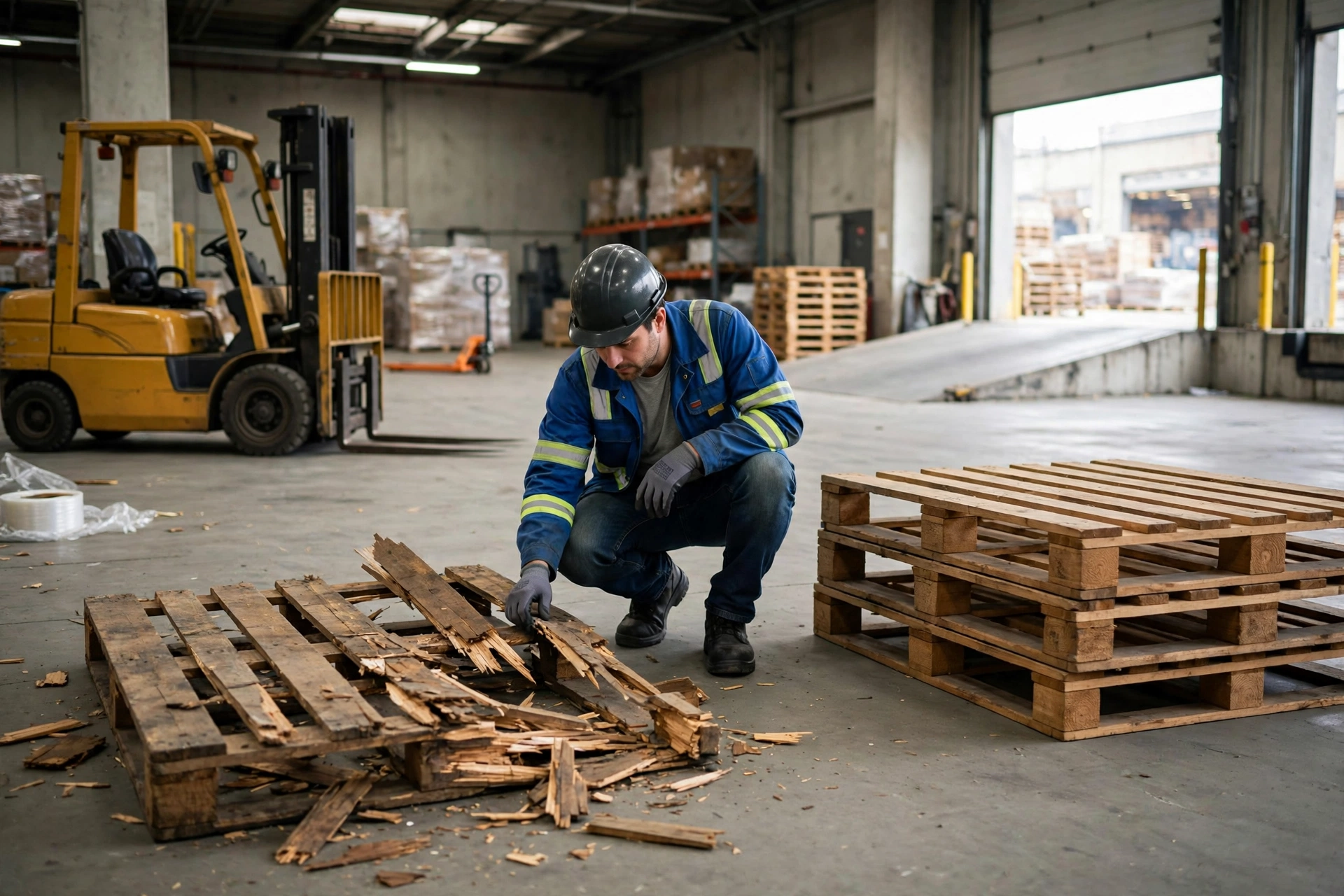
It was 6:40 on a Tuesday morning in peak season last November, still dark outside, when a truck carrying forty pallets of beverages backed into our dock. The driver was already stamping his feet, urging us to sign and unload. One look was enough for me to call a stop: the three pallets nearest the door had a broken bottom board each, and a forklift fork would have collapsed them on the spot. Damaged pallet receiving is exactly the kind of problem that punishes gut decisions. Sign too fast and you own the product damage; reject too hard and you own the return freight and the stockout.
To be honest, this is not really a pallet problem. It is a receiving judgment problem. We learned that the hard way. In an earlier rush, we put a cracked pallet straight into storage to save time, and the next day half a pallet of beverages collapsed on a high rack. It took two people two hours to clean up, and the pallet below was crushed as well. Since then, I have given the receiving team one hard rule: when the door opens, look at the pallet before you look at the goods, and take the photos before you talk about signing.
Damaged Pallet Receiving Starts With Three Checks: Boards, Nails, and Load
First, the boards. A broken bottom board, a split stringer, or a missing foot block means the pallet cannot go straight onto a forklift. Second, the nails. Protruding nails and splinters look minor, but they cut stretch film and cartons and they hurt people. Third, the load itself. A pallet that leans but has not fallen is not safe by default. Shake it gently, press it, and check whether cartons inside have shifted or started leaking.
Two deliveries still stick in my mind. The first was the beverage truck above: three broken pallets out of forty. We re-palletized on the spot, the driver waited an extra forty minutes, and not one carton was lost. The second looked far better. Only a corner was chipped, so the receiver signed without a second thought. Three days later, on the rack, that pallet slowly tilted because the damaged foot block carried weight unevenly, and by the time a patrol spotted it, cartons were already deformed. The lesson is counterintuitive: the pallet that looks worst is not always the most dangerous one. The hidden damage you fail to notice is the one that causes trouble at midnight.
A Decision Framework for Damaged Pallets: Three Levels, Three Actions
We now use a fixed framework, posted on the dock wall, so nobody has to argue the same case twice:
| Damage level | What you see | Fixed action |
|---|---|---|
| Minor | Chipped edge or light splinters, load-bearing structure intact | Sign with a written note, keep photos, put away normally |
| Moderate | One broken bottom board or a missing foot block, load still stable | Re-palletize on site, photograph the work, and record the cost for later cost-sharing discussion |
| Severe | Split stringer, several broken boards, load leaning or leaking | Reject that pallet, photograph and video the whole pallet, and write the rejection reason clearly on the document |
Every level needs evidence: one wide photo of the whole pallet, two close-ups of the damage, and one photo of the annotated document. A verbal claim without photos is worth nothing when the claim process starts.
Peak season and night shifts are when damaged pallets slip through. My fix is boring and practical: keep spare pallets, wrap, and tools right beside the dock, so the team knows exactly where they are and a re-palletizing job takes about ten minutes instead of a warehouse-wide search. At shift handover, any unresolved pallet must be handed over face to face, not left as a note on paper. Tired people make the worst judgment calls, so at night we treat every questionable pallet as moderate or worse: re-palletize first for safety, sort out the paperwork and cost in daylight. It sounds like extra work, but one overnight collapse costs ten times more in cleanup, recounting, and explaining to the customer.
Doing the Math: Re-palletizing, Rejecting, or Signing Through
Most people do this math wrong. Re-palletizing looks like trouble, but it is usually the cheapest option: two people for about ten minutes plus the cost of a sound pallet, against the loss of a collapsed pallet, is no contest. Rejecting looks tough, but return freight, a second delivery trip, and a store stockout often cost far more than re-palletizing. The worst option is signing through a damaged pallet: you save twenty minutes on the dock and pay for it several times over in collapse, claims, and rework.
So my order of preference is fixed: re-palletize if you can, rather than reject; sign with notes if you can, rather than re-palletize; reject only when the pallet truly cannot be put away safely. The same discipline applies to claims. Do not try to settle money with the driver at the dock door; the driver rarely has the authority to pay it, and winning the argument gets you nothing. Build a complete evidence chain and hand it to the carrier and shipper through the normal process. Exact rates and liability splits should follow the latest official policy and the contract, not a number invented on the dock.
Photos and notes also need a standard, or they are useless later. A useful set covers the whole chain: a wide shot showing which pallet and what goods, close-ups showing exactly where and how badly it broke, and a shot of the annotated document showing what was written at the time. Notes should state facts only: which pallet, what broke, and what was done, with date and time. Do not write blame or guesses, and do not worry if the driver will not sign; the photos and notes are the evidence. When reporting to the customer, lead with four answers: how many pallets are affected, how much can be put away normally, how much needs re-palletizing or rejection, and whether outbound timing is affected. That calms a customer far better than a single alarming photo. For claims, send the evidence the same day and chase once within three days if there is no reply. Many claims do not fail for lack of evidence; they fail because nobody followed up until month-end reconciliation.
What We Do Now, and a Reminder for Fellow Operators
Today our receiving flow has four fixed steps: inspect the pallet when the door opens, classify the damage and photograph it, decide on the spot between re-palletizing and rejecting, and write the note on the document before signing. No step may be skipped, however busy peak season gets. Night shifts deserve extra care. When people are tired, the most dangerous sentence is forget it, and that one sentence is often where the next day collapse begins.
My reminder to fellow operators is simple: when damaged pallet receiving shows up, do not sign in a hurry and do not reject on instinct. Classify first, do the math second, and keep the evidence third. Whether goods can be put away safely does not depend on how new the pallet looks. It depends on whether you have a judgment process that does not rely on luck. Once that process is in place, a hurried driver will not rush you, and a questioning customer will get a straight answer. By Chen Feng, Warehouse Operations Manager