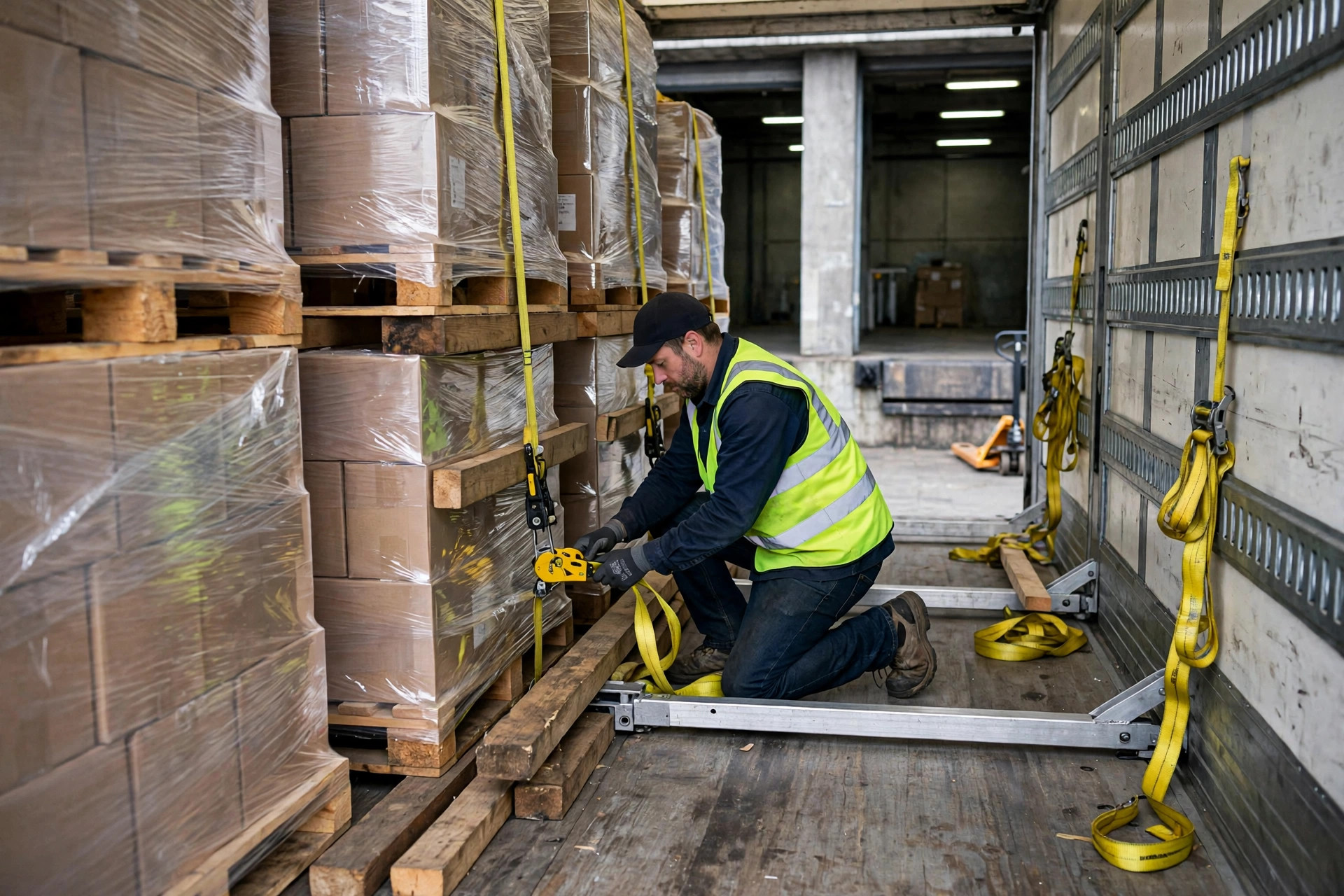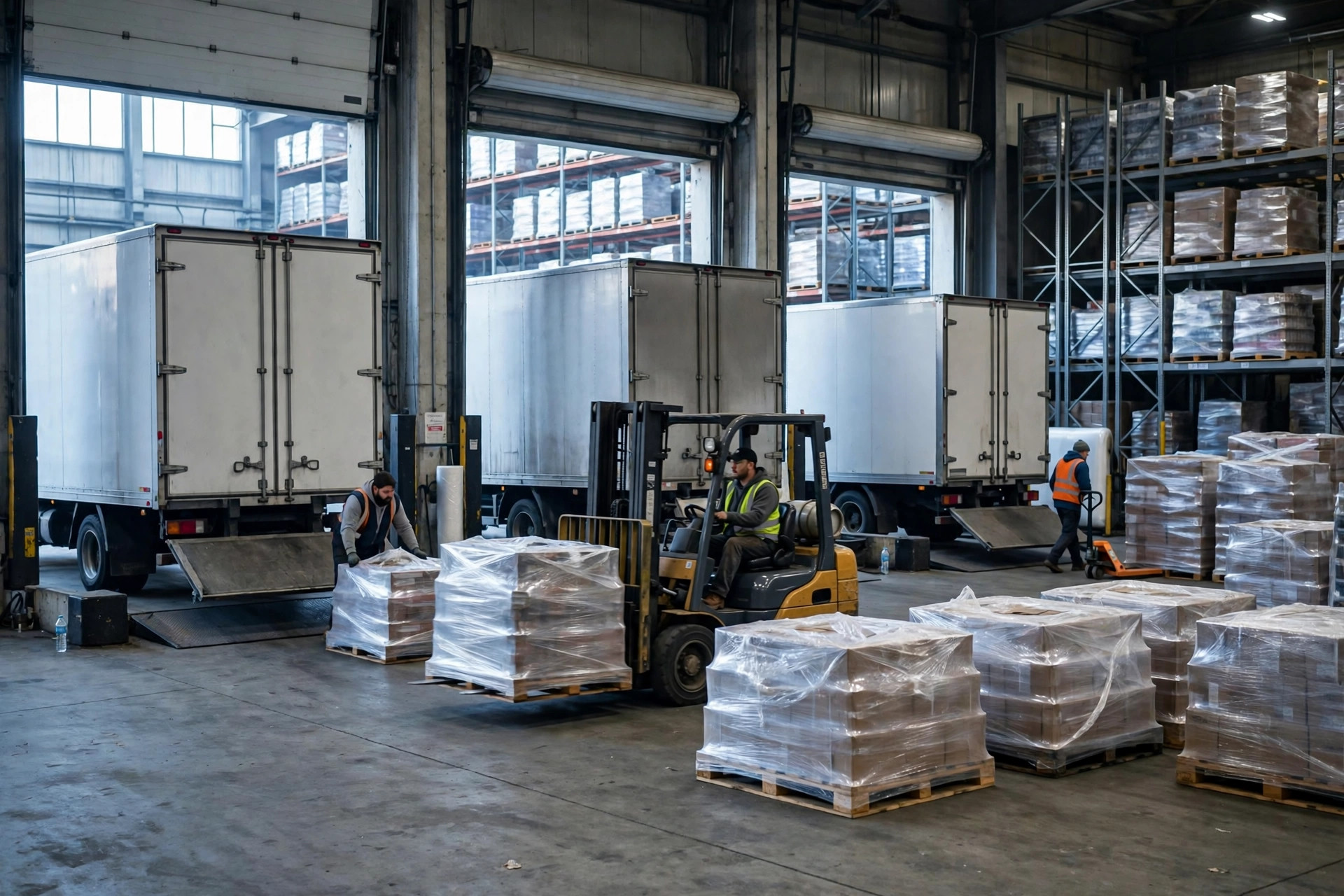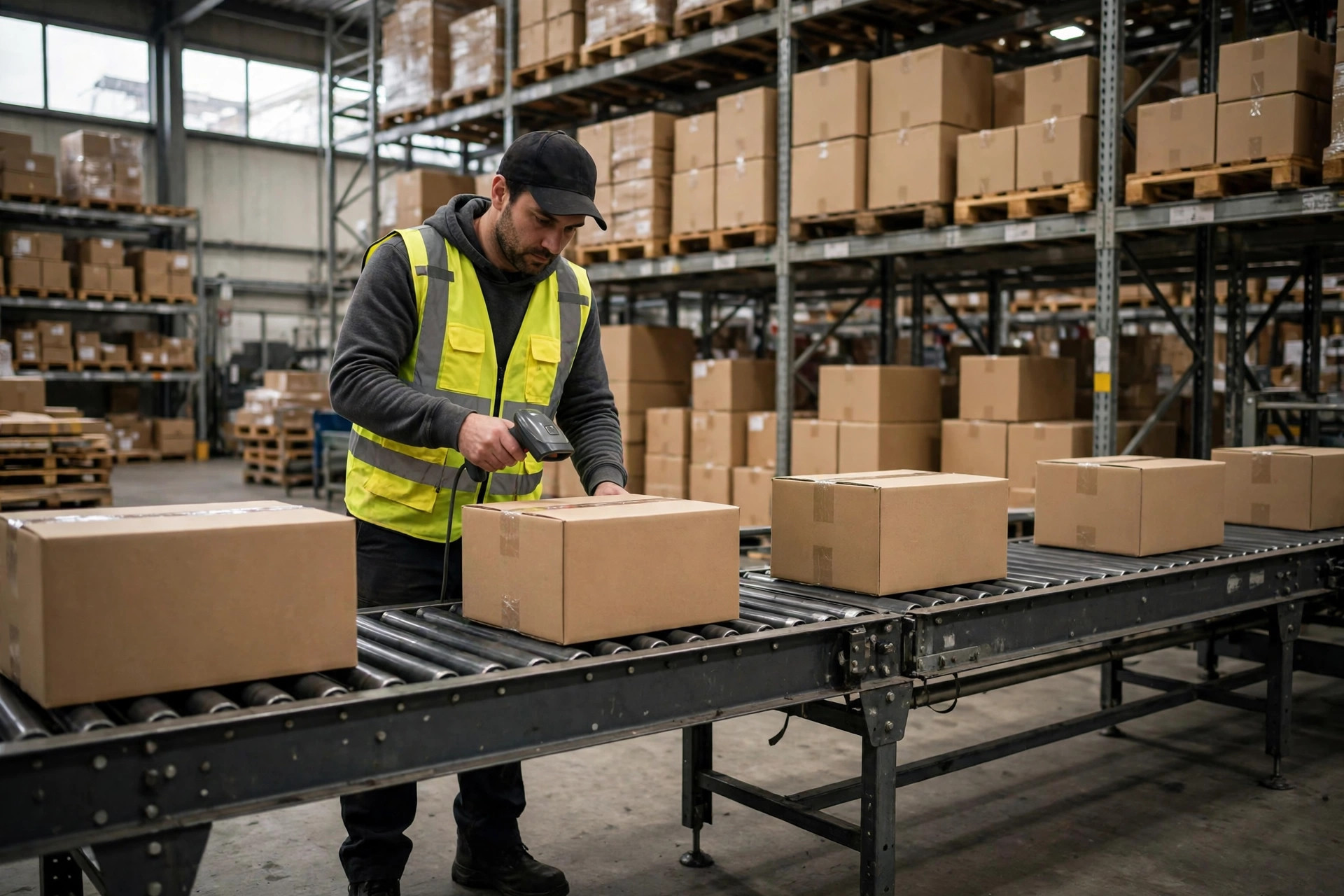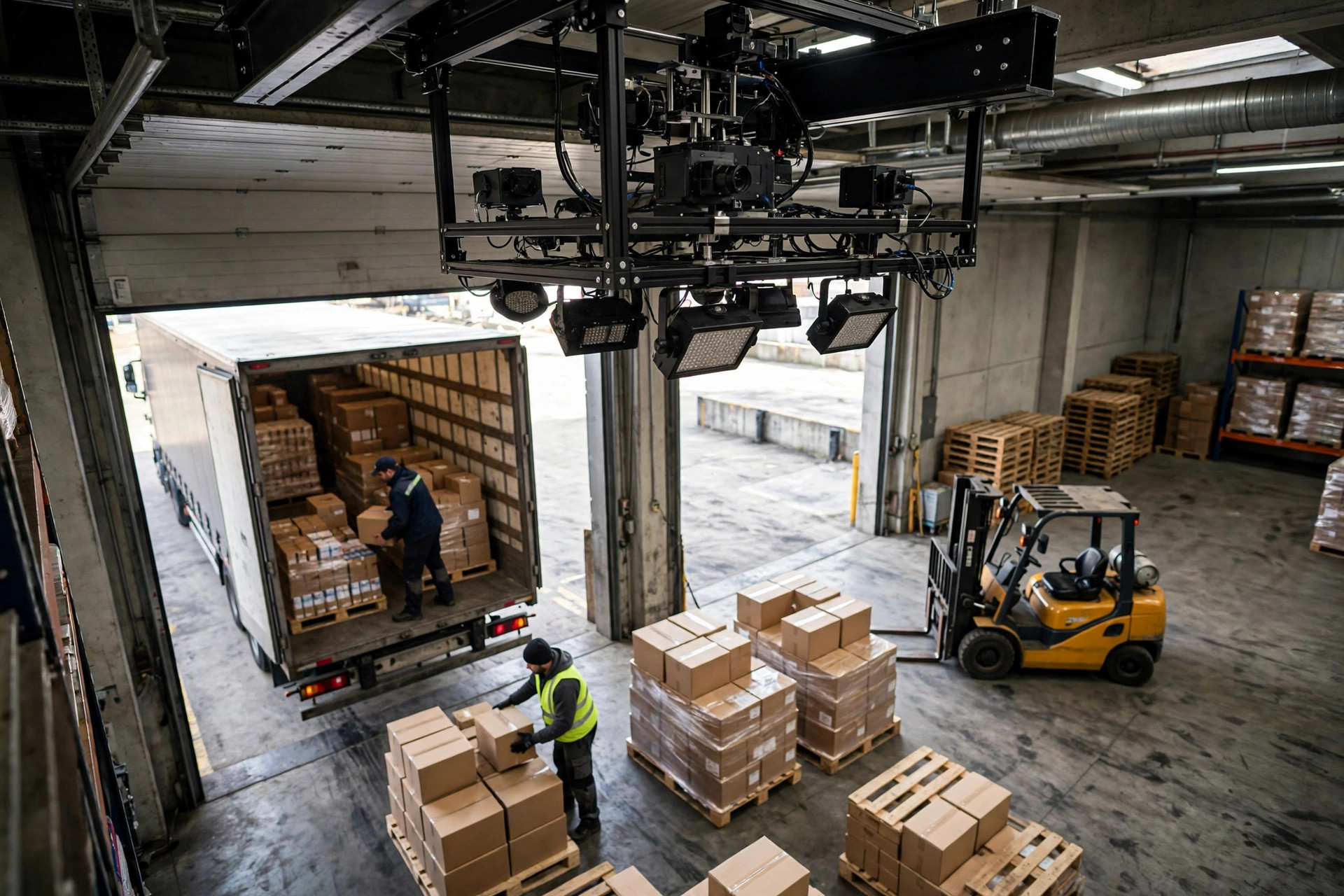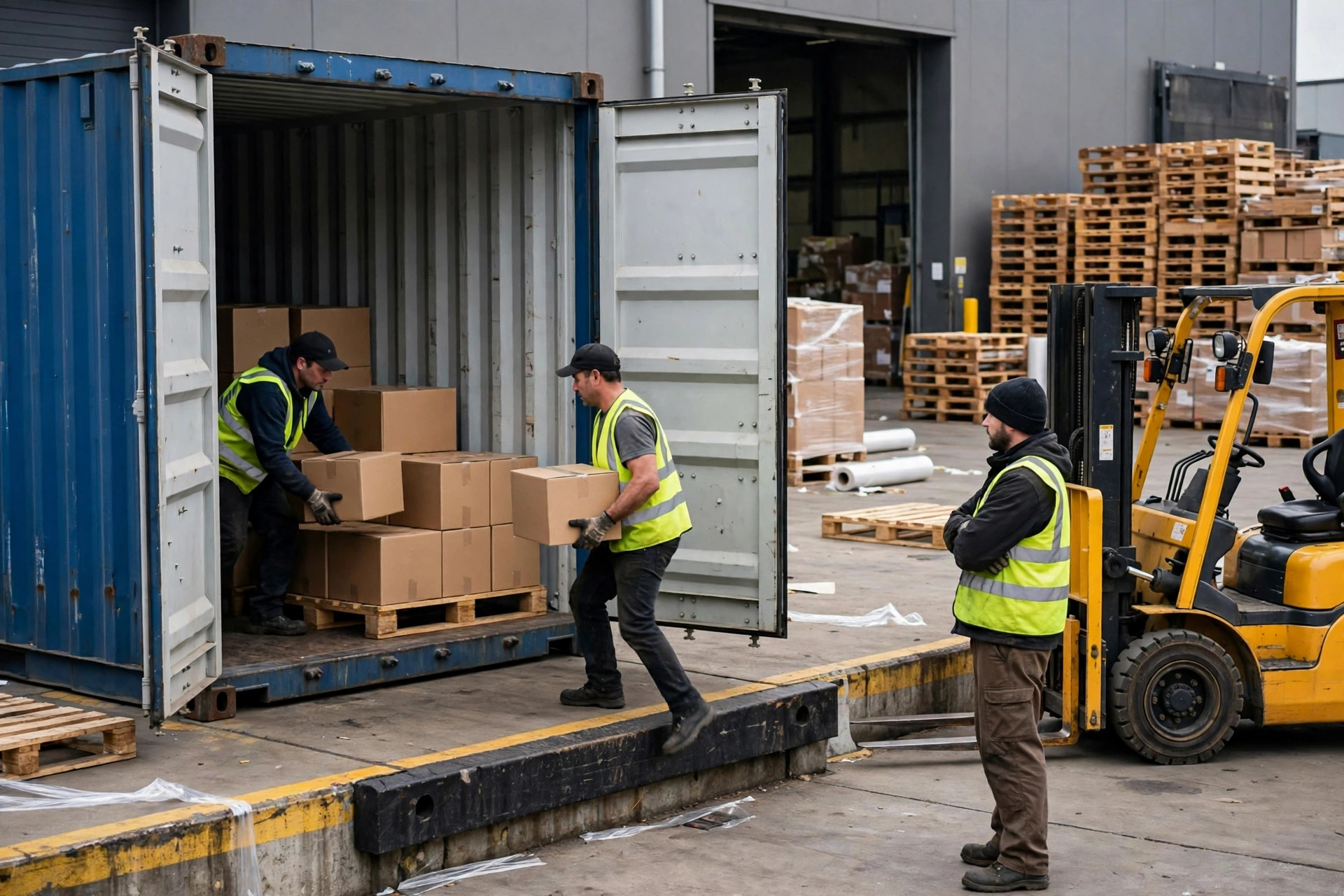
We have a client who imports home furniture, and last summer a warehouse container unloading job at our California warehouse taught both of us a lesson neither of us has forgotten. The container arrived two hours late, the driver had a tight window, and the four-person crew we had scheduled ended up scrambling. Two cartons came out with crushed corners where a forklift fork had caught them. That afternoon I sat down with the client and said the thing I say to every new account now: warehouse container unloading is not about strength. It is about three ledgers — speed, damage, and safety — and if you do not settle all three before you sign, you will pay for the missing one later, with interest.
Most shippers start the conversation with a single question: how fast can you unload a container? It is a fair question, but it is also a trap. Answer only that question and you have silently agreed that the other two ledgers do not matter. From the vendor side of the table, I can tell you what usually follows. The fastest crew on the dock is often the crew generating the most damage reports. And the client with the most damage reports is usually the one spending the longest arguing with suppliers about what arrived, what did not, and whose fault it is. Speed is the easiest ledger to price. Damage and safety are where the real money hides.
Warehouse Container Unloading Starts With Crew Math, Not Muscle
Crew size is not a guess. It comes from four facts: whether the freight is palletized or floor-loaded, how heavy and awkward the cartons are, what equipment the dock actually has, and how many appointments are stacked behind this container. Palletized freight on a forklift can move with a small, practiced team. Floor-loaded cartons of light, bulky goods need hands — too few and the crew burns out, too many and people are tripping over each other at the container door.
Our furniture client learned this the hard way. When the port release slipped, the container arrived late, the original crew had already been reassigned, and replacements were pulled off a picking line. They had never handled that client's glass-fronted pieces, and they did not know the stacking pattern. Nothing dramatic happened — no injury, no disaster — just a slow, clumsy unload and a couple of damaged cartons. But the contract had nothing in it about late arrivals: no rule for re-queuing, no agreed rate for overtime labor. So a scheduling problem turned into a billing argument. My advice to shippers is blunt: write the appointment window, the late-arrival rule, and the overtime labor terms into the contract before the first container arrives, not while it is sitting at your dock door.
Here is an insider detail most vendors will not volunteer: a good unloading crew has one person who does not lift anything. That person stands at the container door, watches the load sequence, counts, and flags exceptions. It looks like a wasted pair of hands. In practice, that one person prevents the rework that eats an entire afternoon — the recount, the search for a missing carton, the receiving correction. A crew without a dedicated watcher finishes faster on paper and then hands receiving a mess that takes twice as long to untangle.
Handball, Forklift, or Conveyor: Picking the Container Unloading Method
No single method fits every container, and picking the wrong one breaks the speed ledger and the damage ledger at the same time. This is the decision framework we actually use when we plan a shift:
| Method | Best for | Pace | Damage risk | Do not use when |
|---|---|---|---|---|
| Handballing in a chain | Light, bulky, oddly shaped, floor-loaded freight | Fast if staffed, slow if short-handed | Low, handling stays controlled | Heavy goods, large pieces, tight deadlines on full pallets |
| Forklift, pallet by pallet | Palletized, heavy, uniform cartons | Fastest for bulk moves | Moderate, forks and turns are the risk points | Floor-loaded freight, uneven ground, narrow aisles |
| Conveyor line | Standard cartons in volume | Steady, does not depend on stamina | Low, far less throwing and dropping | Oversized or very heavy items, mixed loads that need sorting |
Now the contrarian judgment, and it is one I have had to defend in front of clients who only wanted the lowest hourly rate: the fastest method is not always the cheapest method. A forklift looks efficient until it meets a container where a few pallets have shifted or collapsed. Then the forklift cannot get in, and the crew ends up handballing cartons out anyway — slower than if they had started by hand. The reverse is just as true: forcing a forklift onto light, loose cartons invites fork damage that no labor saving can justify. We decide container by container. Clean pallets go to the forklift, loose light freight goes to the conveyor and a handball chain, and a mixed container gets opened and looked at before anyone commits to a method. Never let a contract lock you into one method for every load.
Safety belongs in this same decision, not in a separate memo. When the doors open, the load may have shifted in transit. The first move is always to open from the side, look, and photograph — never to rush straight in. The crews most likely to get hurt are the crews most desperate to make up lost time, and one incident stops the whole dock and wrecks every appointment behind it. Safety is not the opposite of speed. Safety is what makes speed repeatable.
At the Seal Break, Evidence Beats Speed
We have another client, an importer of small home appliances, whose container looked perfect from the outside. Inside, a few cartons at the bottom showed water staining. Our process saved that account a long argument: at the seal break we photograph the seal number, the door condition, a full view inside, and close-ups of anything unusual, all time-stamped. The whole routine takes a few minutes. With that photo set, the client could talk to the carrier and the supplier with facts instead of memories. Without it, the same conversation after the freight was already put away would have sounded like finger-pointing.
That is the link most shippers miss: unloading quality decides receiving accuracy. If carton counts, product names, and exceptions are recorded at the door, receiving is a confirmation exercise. If the crew rushes, mixes cartons, or parks freight in the wrong staging lane to clear the dock, every downstream step — putaway, picking, cycle counting, reconciliation — inherits the error. A container's damage record is not warehouse paperwork. It is the shared evidence for the carrier, the supplier, and the shipper, and all three need to trust the same set of photos.
One more clock deserves attention: detention and demurrage. A container sitting at your dock is on someone's meter, and the free window, the charges, and who is responsible for returning the box should all be in writing before the truck arrives. Check the provider's current tariff for the exact terms rather than trusting a number anyone quoted you months ago. Vendors are not afraid of clients asking about price. Vendors are afraid of clients who never asked where the price comes from.
Unloading does not end when the container is empty, either. Somebody still has to count, label, and move freight into inspection and putaway lanes, and if that tail work was never scheduled, the dock stays blocked all afternoon and the next container has nowhere to go. A quote that prices only the unload and not the closeout is a quote that understates the real job.
So, next time you negotiate a contract, ask these three questions. How will this container be unloaded, and how are crew and equipment matched to it? Who photographs the seal break and records exceptions, and to what standard? And where, exactly, does the contract put late arrivals, detention, and damage responsibility? Ask those three, and container unloading stops being a muscle job and becomes a managed operation. The clients we enjoy working with most are not the ones who demand the lowest price. They are the ones who sit down with us and work through these three ledgers before the first container ever shows up.
By Susan, 3PL Sales Director.