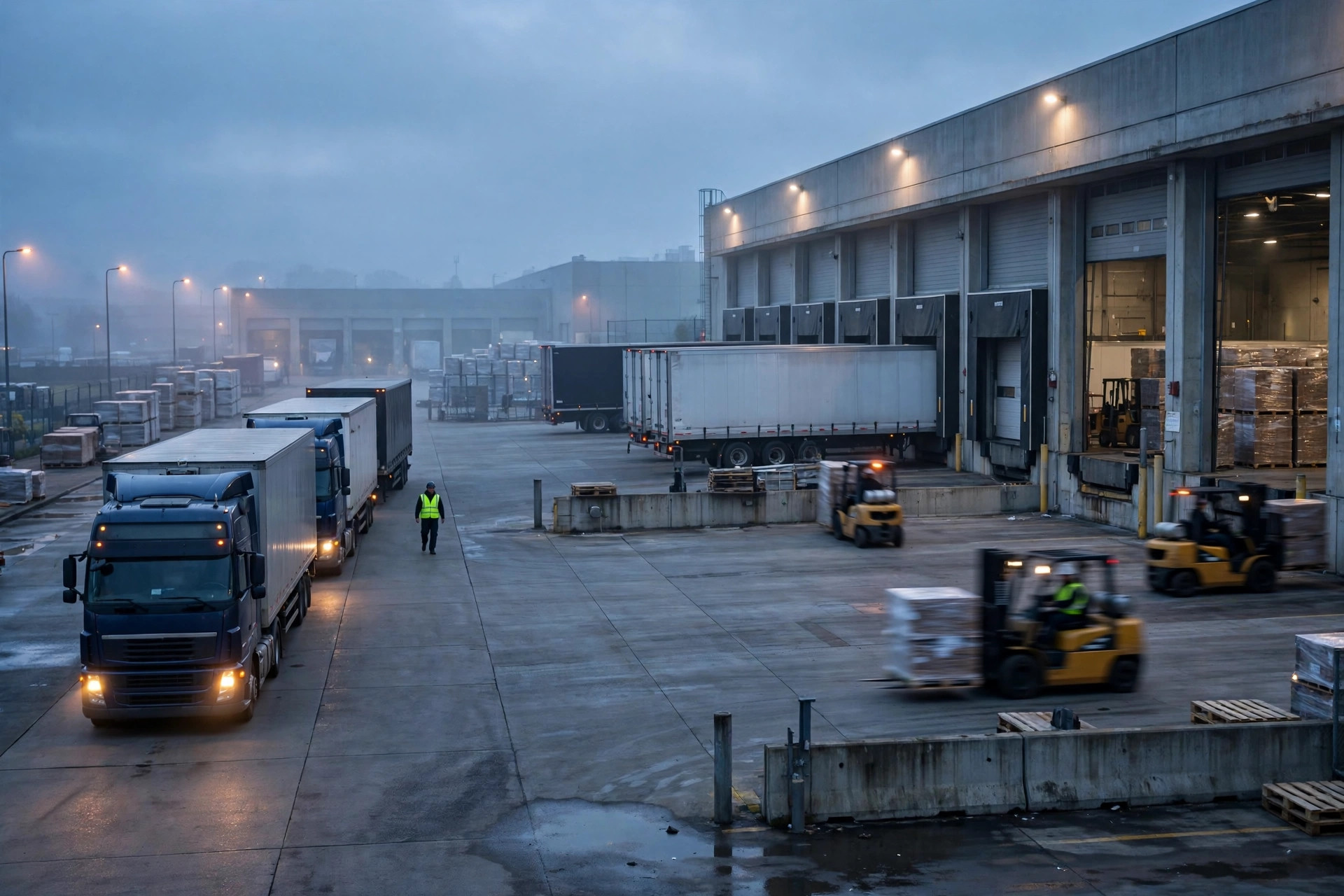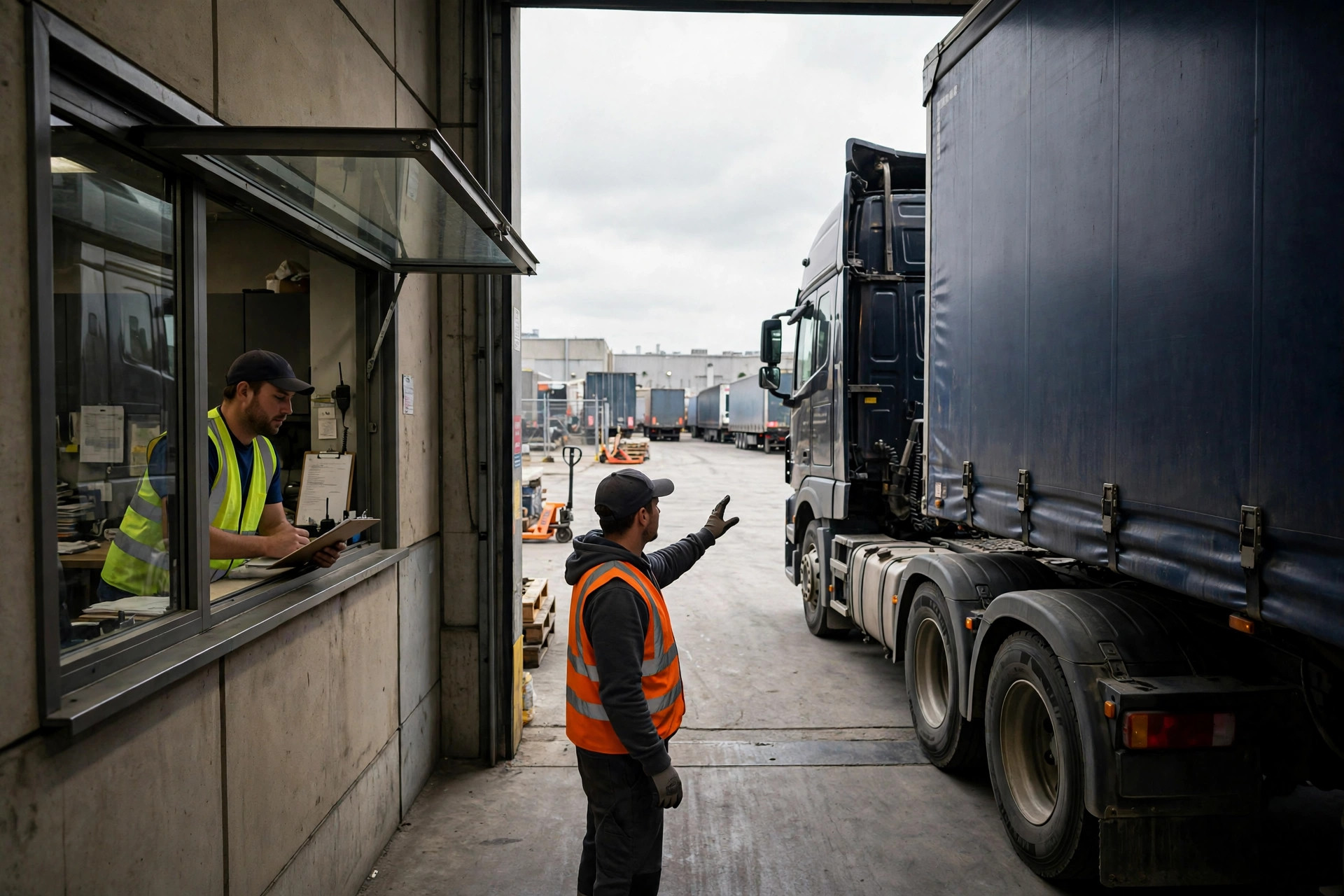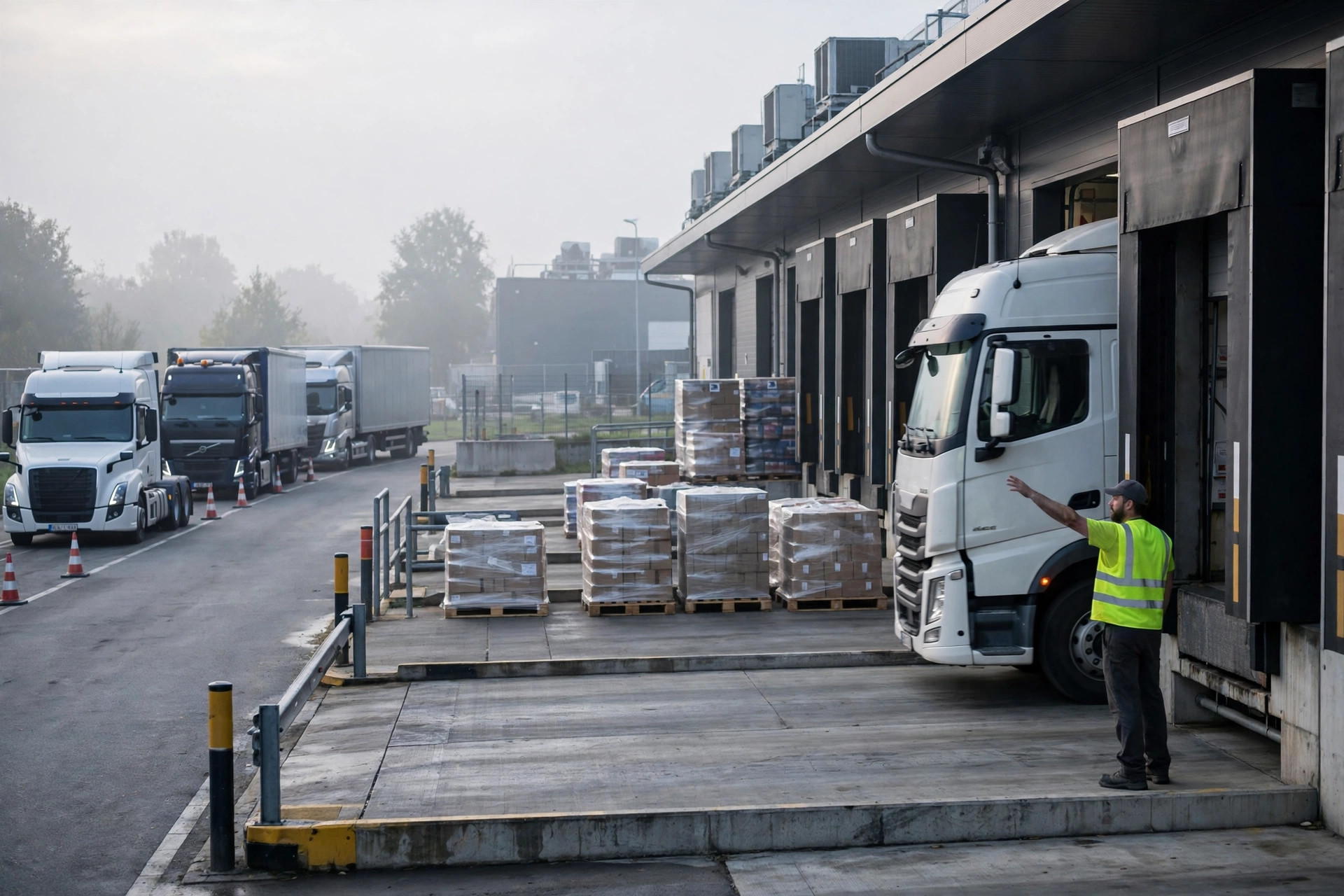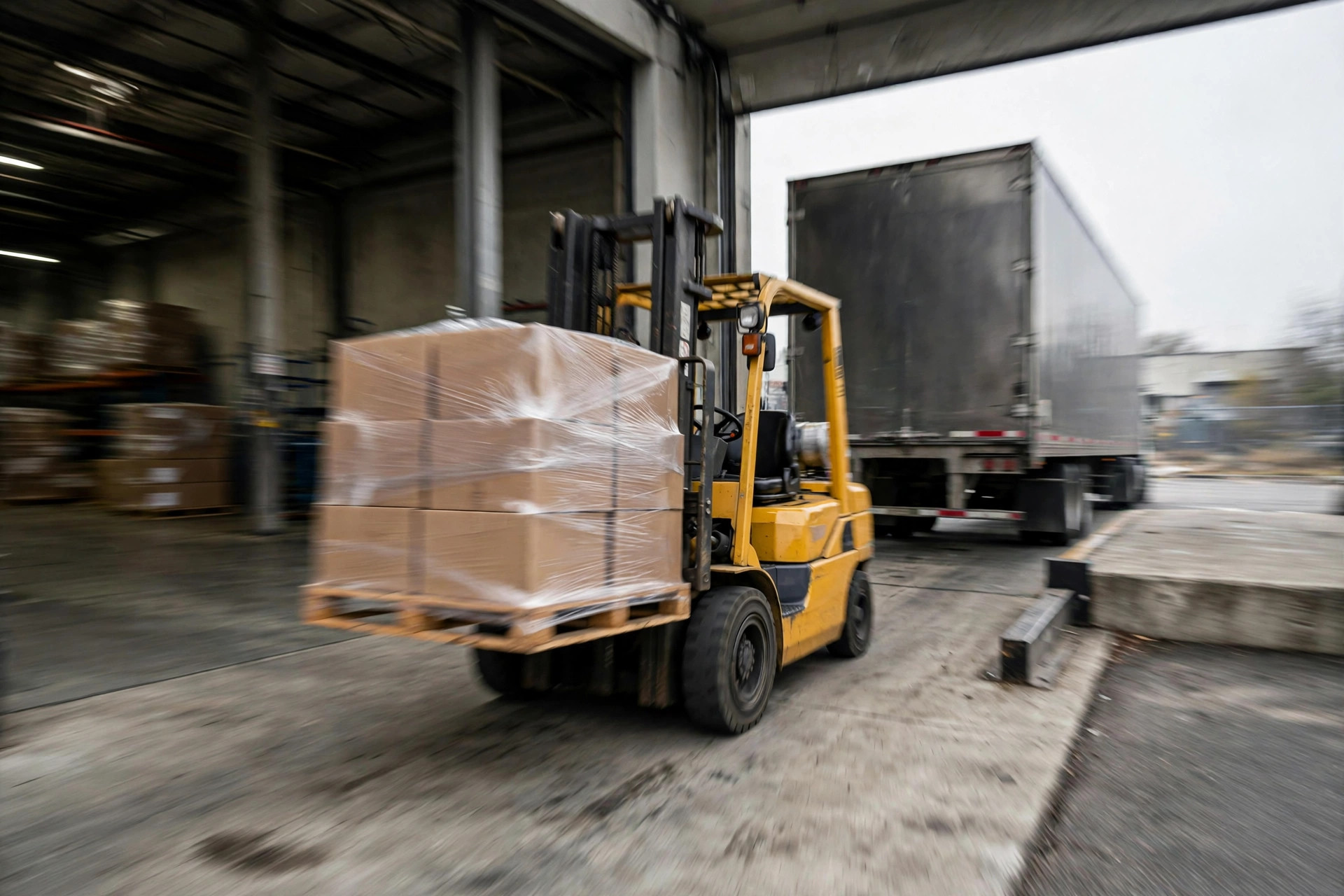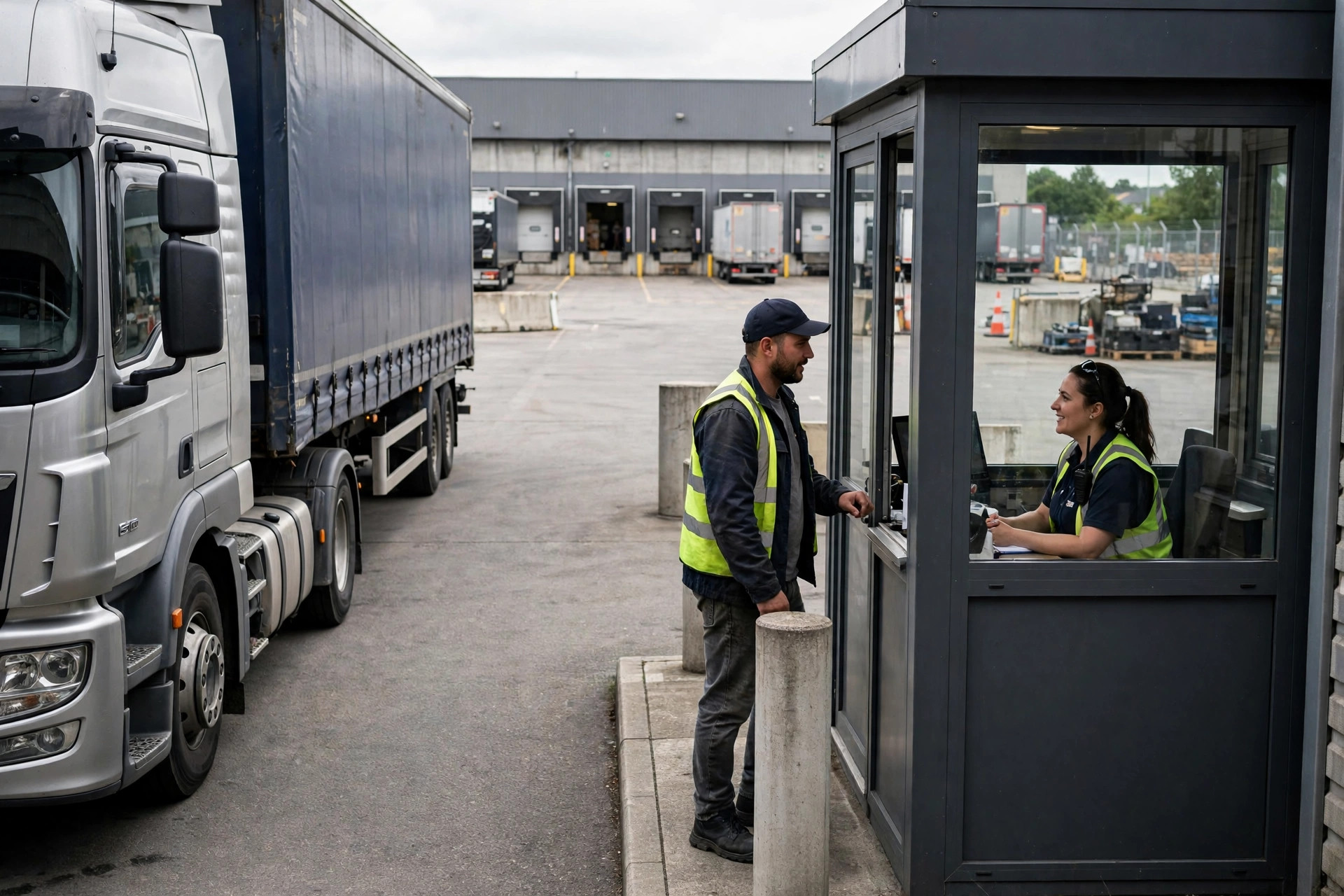
Let me tell you something about driver check-in. After fifteen years behind the wheel, the thing I dread most is not traffic on the highway. It is the gate of the warehouse. The truck is there, the freight is in the trailer, and I am standing at the guard booth, and one sentence from the guard can leave me parked outside with nowhere to go. A good driver check-in process is what stands between arriving and actually getting unloaded,.
Last fall I hauled a load to a big warehouse out in California's Inland Empire, with an appointment for seven in the morning. I got there at six-thirty, thinking early beats late. The guard looked at my paperwork and said my appointment number did not match anything on today's inbound list, so I had to pull aside while they called to verify. That call took more than forty minutes. The shipper had changed the time, the system had the new time, and nobody had told the driver. That morning taught me the real lesson of the gate: what gets checked is not just you. It is whether you, your truck, your freight, and that appointment all line up. If one piece does not match, the gate does not open.
What Check-In at the Gate Really Covers
It looks like a few questions at a booth, but there is real work behind them. First comes identity: your license and the truck's information, confirming the person who showed up is the person who was sent. Second comes the appointment: the appointment number, the shipper, and the delivery date, confirming this warehouse is actually expecting your load today. Third comes the freight: what it is, roughly how many pieces, how many pallets, matched against what the appointment says. If the freight does not match the paperwork, that has to be caught before the trailer doors open. Fourth comes the safety briefing: how to drive inside the yard, the speed limit, which areas are off limits, and how the dock area works. You acknowledge it, then you roll in.
I will tell you straight, every one of those items saves trouble later. Skip the identity check and nobody can say who was on site if something goes wrong. Skip the appointment match and the dock may have no door saved for you, so you sit inside the yard waiting anyway. Skip the freight match and you find out halfway through unloading that the load is wrong, when the truck is already hard to move. A few extra minutes at the gate buy time back later in the day.
I saw the opposite a couple of winters ago at a big warehouse in the Midwest. In a hurry, the gate glanced at a license and waved trucks through. One truck with no appointment drove into the dock area and ended up nose to nose with a truck that was supposed to be unloading. Forklifts stopped, both trucks shuffled around, and the mess ate more than an hour. Five minutes saved at the gate cost an hour at the dock.
When There's No Appointment or the Number Doesn't Match: How Check-In Handles Exceptions
Life on the road does not follow the plan, and the gate is where that shows up. How a warehouse handles exceptions is the true test of its check-in. Too loose and the yard turns into chaos. Too rigid and drivers and shippers both pay for it. After all these years, I can spot a warehouse that has thought this through.
| Situation | What the gate checks first | Can the truck come in? | Who decides |
|---|---|---|---|
| No appointment at all | Shipper, freight, open dock slot | Yes, if a slot is open and the shipper confirms; otherwise rebook | Receiving lead confirms |
| Appointment number does not match | Shipper, date, plate; was it a reschedule the driver never got? | Yes, if it is the same load under a changed number, noted on the record; no, if the freight does not match | Guard verifies, receiving lead reviews |
| Arrived much earlier than the appointment | Original time, dock backlog | Yes, if there is parking inside; otherwise wait outside until the time comes | Guard decides based on yard space |
| Arrived much later than the appointment | Delay reason, window still open? | Yes, if the window is still open; otherwise rejoin the queue or reschedule | Dock scheduler decides |
Sometimes a shipper adds a load last minute and the appointment never catches up, so the driver has no number to give. A warehouse that just turns that driver away hurts its own shipper. The good ones check the shipper and the freight, confirm the load is expected today, and call the receiving lead. One confirmed phone call registers the driver as a walk-in, in about ten minutes. If the dock is truly full, the honest answer is a new appointment time, not an open-ended wait.
A mismatched number is the most common headache out there. Shippers reschedule, numbers change, systems fail to sync, and the driver is still holding the old one. My advice: at the gate, do not just recite the number. Give the shipper name, the delivery date, and the plate too. When several pieces line up, the guard can verify fast. Cross-check a few fields and it becomes obvious whether this is the same load under a new number.
Early and late arrivals are mirror images: early trucks can block the dock lanes if the yard fills up, and late trucks can wreck the queue if their window went to someone else. The sensible rule is: early drivers come inside to wait if there is room, and late drivers keep their slot if the window is still open, or rejoin the queue if it is gone. Blanket rules that always refuse early or late trucks push away loads the warehouse could have taken.
How Check-In Connects to Dock Work
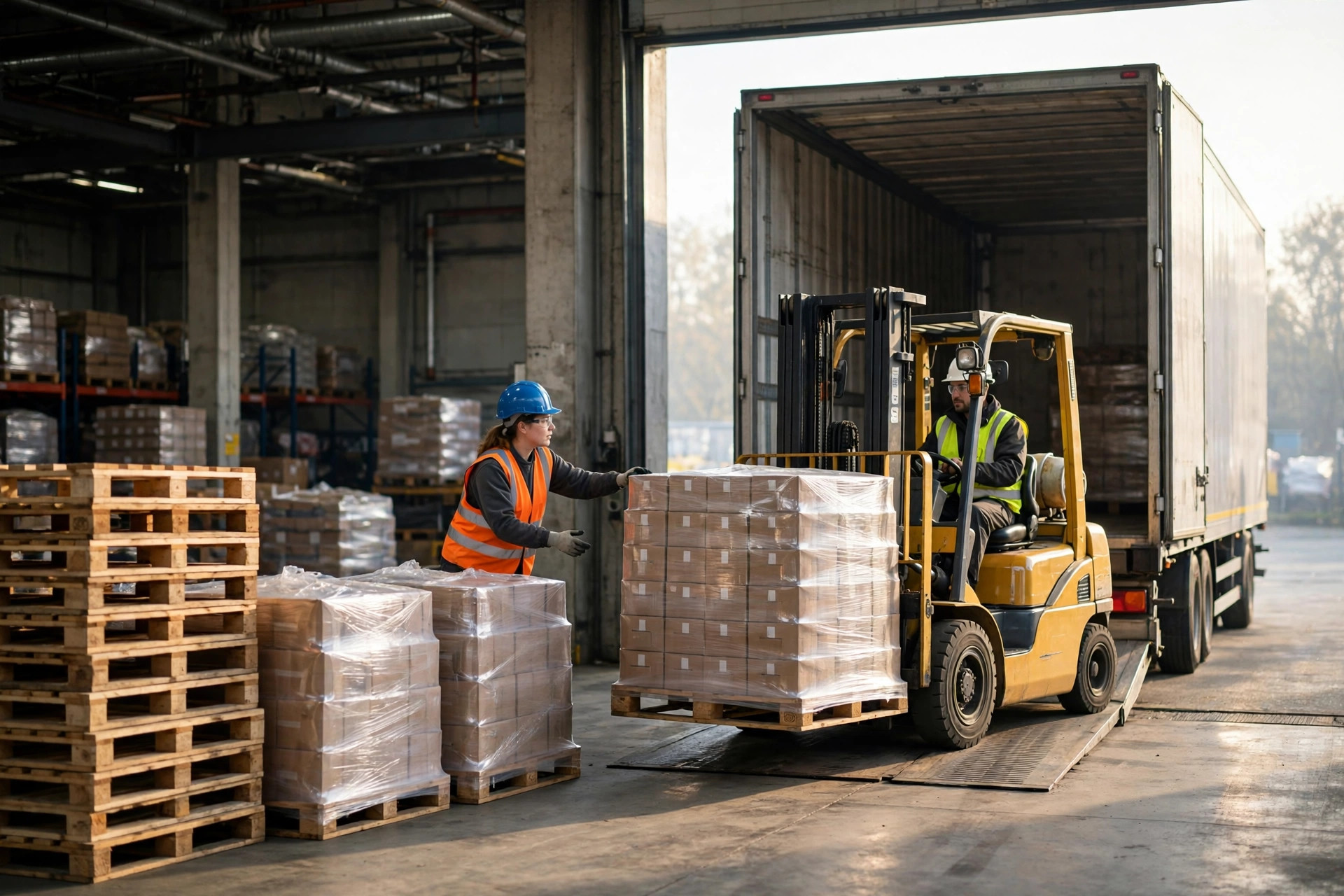
Registration is not finished when the form is filled out. If the information stays on a clipboard at the gate while the dock team knows nothing, the whole exercise was wasted. A smooth operation works like this: the moment check-in is done, the dock scheduler knows which truck came in, what freight it carries, which staging area it is parked in, and what time it is scheduled to unload. Then the scheduler can line up forklifts, labor, and a dock door. That is how a driver check-in process earns its keep, by handing the dock a load it is ready for.
I once worked with a warehouse that had this nailed down: the guard named my staging area, the scheduler already had me slotted, and they called me in when my turn came. Where gate and dock do not talk, the driver hunts down the scheduler and learns the dock is not ready. Gate and dock need a connection, system, phone call, or a guard walking over. The form does not matter.
Two Things Shippers and Warehouses Should Do Before the Truck Ever Arrives
It really comes down to two things. First, when an appointment changes, tell the driver right away. New time, new number, new warehouse address, whatever changed, get it to the person on the road before they reach the gate. The fresher the information in the driver's hands, the faster check-in goes. Second, write down the exception rules and post them at the gate. What gets admitted, what needs approval, and who gives that approval, written where the guard can see it, so a new hire can follow the same playbook. The worst setup is a rule that lives only in one veteran's head, so a new guard's only answer is no.
Here is the counterintuitive part, and I mean it: the strictest gate I have worked with was also the least trouble. A strict gate means the warehouse has an answer for each exception, so once the driver is inside, everything runs smooth. A loose gate looks fast, but every skipped problem shows up at the dock, bigger and later. Time spent at the gate is not time lost, it is time moved to where it costs the least. Clear rules save all three sides.
So next time the guard asks a few extra questions, do not take it personally. The more they ask, the more that warehouse knows what it is doing. And drivers, have shipper, date, plate, and appointment number ready, not just one number. After all these years on the road, I stand by one simple rule: a smooth gate means a smooth day. A careful driver check-in process is not red tape. It is the difference between a day that works and a day that falls apart at the entrance.
By Shifu Zhao, Trucking Veteran (15 yrs)