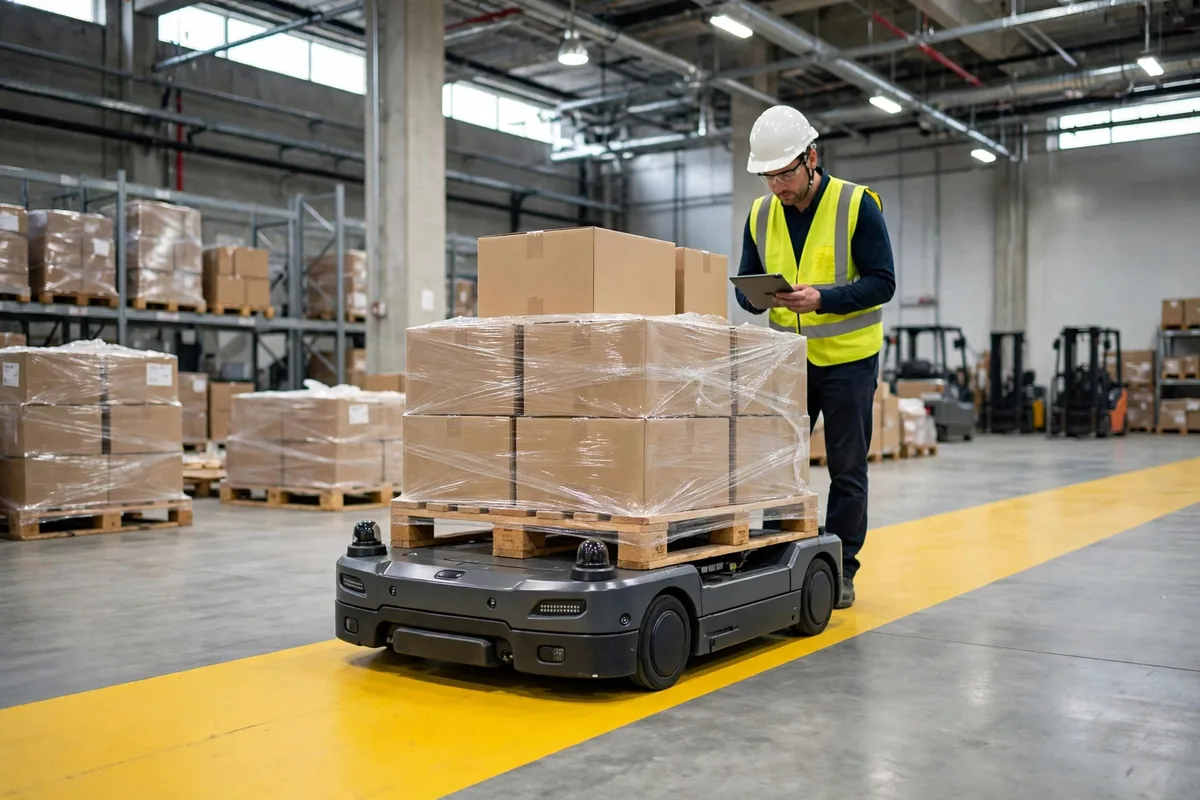
Last fall, a friend of mine who builds conveyor lines nearly lost a US deal over a single line in an email. The customer asked: do you have a UL listing? He replied that his products met Chinese national standards. The customer never wrote back. The order wasn't huge — about twenty conveyors — but for a shop with a dozen people, that was half a year's worth of work. He came to me asking what to do, and look, I run a 3,000-square-meter warehouse. What do I know about warehouse automation equipment UL certification? At first, nothing. But I know this much: in this business, most money isn't lost on bad products. It's lost on not knowing where the door is. This piece is for small shops and small warehouse owners like me — the door, the gates behind it, and the cheapest way through.
What this certificate actually is — don't let a broker scare you first
Let's strip away the intimidating part. UL is a US third-party testing and certification body. Its job is simple: test your equipment against a standard, and if it passes, list it and let you put their mark on the product. Plenty of US state electrical codes and insurers recognize that mark, and a customer's warehouse fire inspection or insurance sign-off will often ask for it by name. So it's not a government license, but it works like something stricter than one — without it, your equipment may never get through the customer's warehouse door.
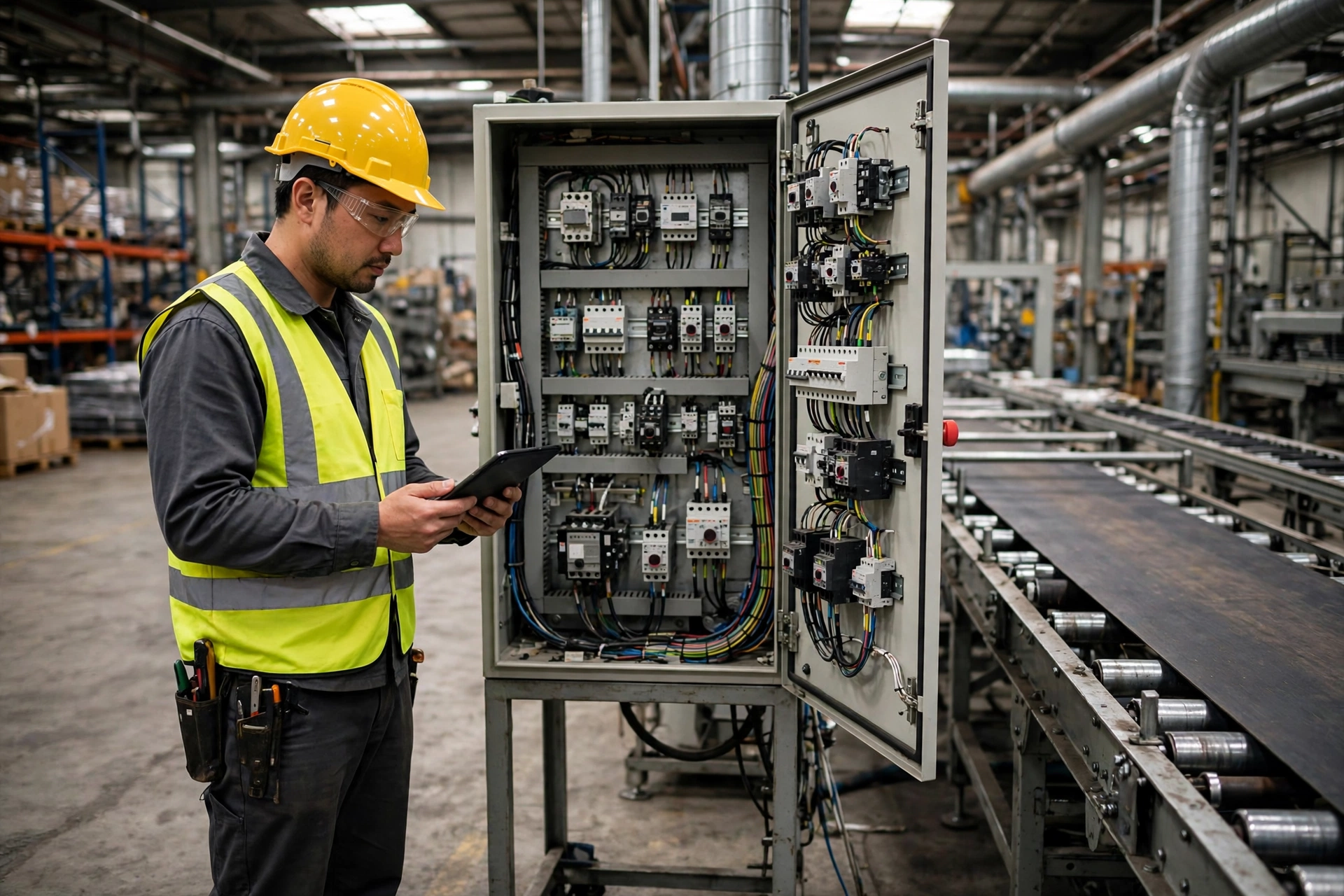
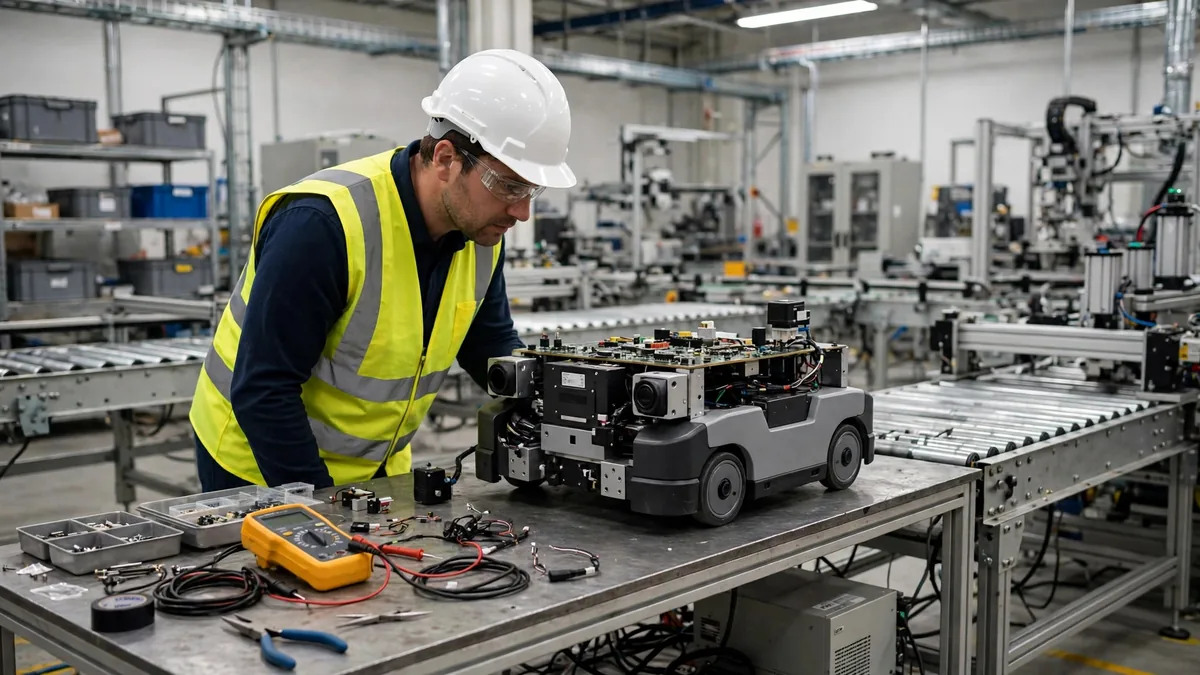
What can't dodge it? Anything with electricity. The AGV or AMR itself and its charger, the motors and control cabinets on a conveyor line, the electrical parts of a stacker crane, the control system on a sorter — all of it is in scope. A plain steel rack or a pallet with no wiring? That's usually off the hook. My rough test: does your machine plug in? If yes, assume you need it. If no, breathe easy.
My friend's order died on exactly that assumption. In October 2024, a small AGV maker in Foshan, Guangdong — a dozen people, one workshop — hauled a demo unit to a trade show in Las Vegas. A US integrator liked it on the spot and talked about a small trial order. Back home, they found out the demo unit needed a UL listing file before it could even run a trial inside the customer's warehouse — the fire inspector and the insurer both asked for it. The owner thought it was nitpicking at first. It wasn't. Their warehouse simply doesn't let uncertified equipment in. The lesson cost him a deal: for automation equipment headed to the US, warehouse automation equipment UL certification isn't an after-sales step. It's a pre-sales step. After that I asked a few friends in the export business, and they all stepped in the same hole: treating warehouse automation equipment UL certification as something to think about before shipping, then scrambling when the customer asks for the file. Break it apart and nothing's mysterious — warehouse automation equipment is your machine, UL certification is the pass the US market recognizes, and together they ask one question: can your equipment work legally inside an American warehouse?
UL certification in four steps — and each one can eat a month
The whole process is four steps: submit, test, factory inspection, listing. Sounds simple. Each step can stall you for a month, and each stalls for a different reason.
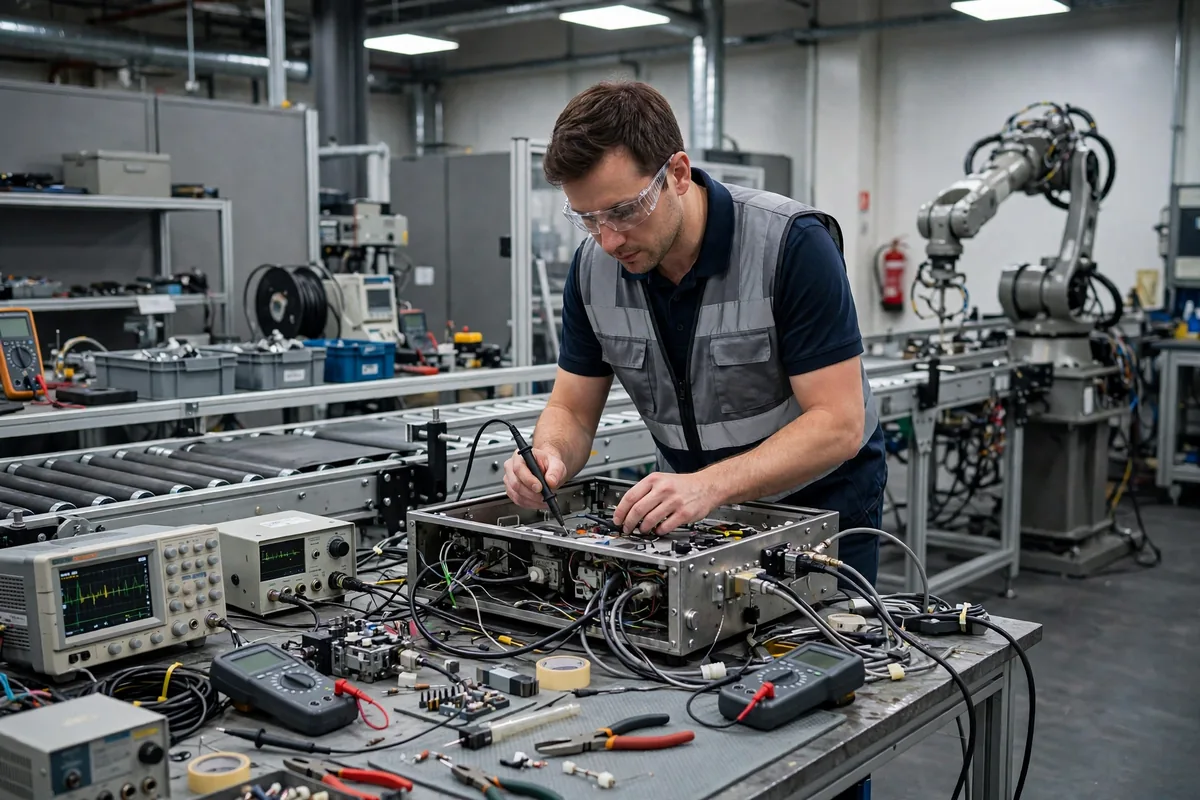
Submission is where most people trip. They think you just ship a sample and wait. Then the lab sends it back for incomplete paperwork: circuit diagrams, a list of critical components, the nameplate artwork, the manual. One missing item and you're back to the start. The classic small-shop disease is that the drawings live inside the engineer's head. You draw them in a rush, and they don't even match the physical machine. My cheap fix: before you submit, have someone who knows the drill run through your documents against the checklist. The lab's clock runs by the hour, and the weeks you spend patching paperwork burn money and time together.
Testing is where it gets real. The lab runs electrical safety, temperature-rise, and dielectric tests against the standard, and anything that fails comes back as a corrective item. The repeat offenders I keep hearing about are the same few: undersized cables, unreliable grounding, uncertified components, inadequate protection ratings. Every fix means another round of testing and another queue. Old hands say the real cost of certification isn't the test fee. It's the rework.
The factory inspection is the step nobody expects. The lab doesn't just test one sample and call it done. They send someone to your factory to check that production matches the sample you submitted, that purchase records for critical components exist, and that quality checks actually happen. Small shops hear "audit" and panic. It's less mysterious than it sounds. The core question is one sentence: is the tenth unit you ship the same as the one you submitted?
Then comes the listing. Test passed, inspection passed, your product goes on the register and you can use the mark. After that there are periodic factory follow-ups, with frequency per the latest policy on the official website. Fail one and your listing can be suspended. Small shops especially need to hear this: getting the certificate isn't the finish line. It's the starting line for paying the annual upkeep.
In early 2025, a conveyor manufacturer in Zhejiang told me their story: their first submission was bounced twice for paperwork, testing forced three wiring changes, and the whole thing took the better part of a year. The owner's exact words: "If we'd sorted the drawings before submitting, we'd have saved two months." Two months, for a small shop, is two shipments' worth of cash flow.
Three UL certification routes, and what each one really costs you
So what does it cost? The number depends on your product, so check the latest policy on the official website — I'm not going to invent a figure. But there are only three routes, and the difference between them isn't price. It's where you are:
| Route | Best for | Where the money goes | How it feels |
|---|---|---|---|
| Full-machine listing, straight submission | Stable orders, fixed models | Test fees plus inspection fees, one big upfront hit | Slowest, but done once and done right |
| Certify components first, then the machine | Small shops with many models still iterating | Fix the motors, power supplies, and other critical parts first, so machine testing has fewer corrections | Slow start, fast finish |
| Field evaluation | One or two units, big customized equipment | The evaluator comes to you, no sample shipping, but the single visit isn't cheap | Fastest, good for emergencies |
We small warehouses can't afford to burn money on this stuff, so my advice is bluntly practical: before you have a US order in hand, don't rush to pay for the full listing. Start by swapping critical components for ones that already carry certification. You'd spend that money anyway, so nothing is wasted. Once a real customer signs, take the order to the lab — your negotiating position is completely different. Spread the certification cost across the order and tell the customer plainly that it's part of compliance. Most serious customers accept that. And one more thing about warehouse automation equipment UL certification: for a small shop, the wasted money usually isn't the test fee. It's the rework and the dead weeks waiting on corrections. Sort the drawings and swap the components first, and you've already saved both.
Here's the counterintuitive part: people assume the more expensive the certification, the more proper it is, and they want the fullest listing in one shot. For a small shop, it's the opposite — certification is a "good enough" purchase. Which state's warehouse is your customer in? Which mark does their insurer recognize? Which document did the integrator actually ask for? Ask first, then choose the route. Don't get it backwards. Paying top dollar for a certificate your customer never looks at is the same as buying a decoration.
And one honest warning: a broker can run errands and tidy your paperwork, but they can't fix your product for you. Anyone who thumps their chest and promises a guaranteed pass — walk away. Lab test data is what it is, and the corrections are your job. Nobody can outsource that.
Small warehouses have their own way of surviving. The big companies buy their way through the UL gate with cash. We wear it down with patience and order: find out exactly which certificate the customer wants, get the components and drawings in shape, then submit with an order in hand. Same gates, but walked this way, every dollar you spend actually counts.
By Xiao Ma, Small Warehouse Owner