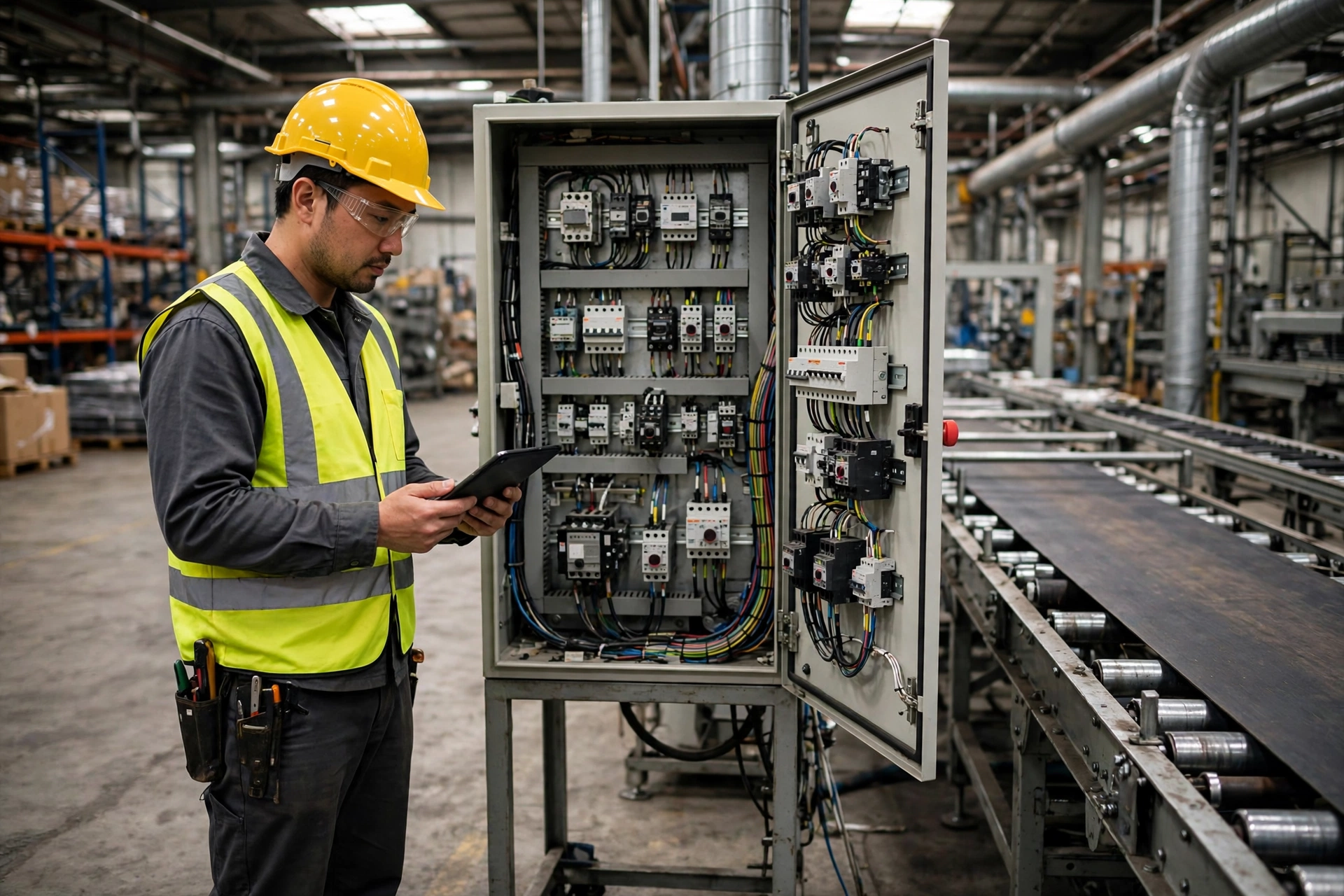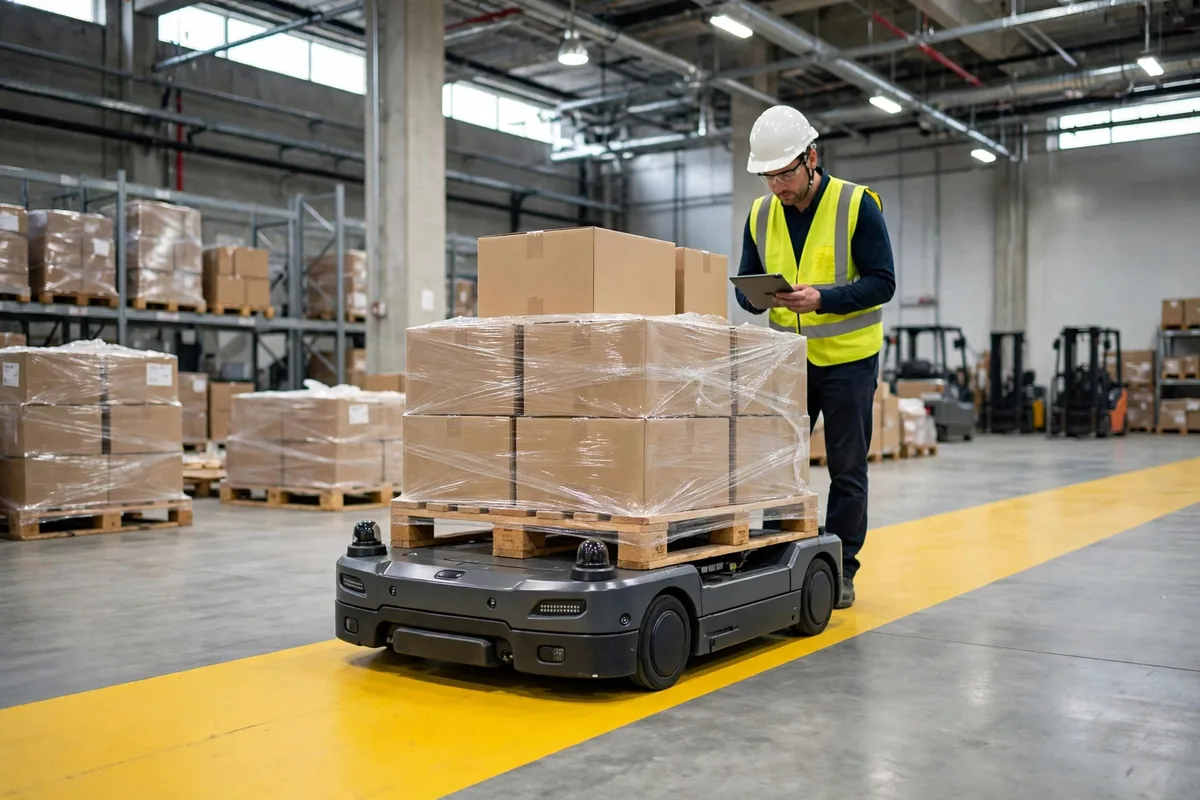
Let me tell you about a morning in November 2024, outside a warehouse in Ontario, California. I was waiting to unload, and the truck ahead of me carried an automated sorting machine. That morning taught me what UL certification warehouse automation really means on the ground, because the supervisor walked around the machine, stopped at the control cabinet, looked at the nameplate, and shook his head. There was no listing mark on it. He said the machine was not coming inside that day. The driver sat in his cab for three hours, then closed the container doors and hauled the load back out. I have seen freight turned away for size and for weight. That was the first time I saw a good machine turned away for a mark.
That stop tells you the whole story. In the United States, a warehouse does not ask first whether a machine can run. It asks whether the machine is allowed in the building. The mark comes before the motor.
UL Certification Warehouse Automation: Five Gates, Not One Stamp
Getting a machine into the United States means passing five gates: the standard, the test, the factory inspection, the field evaluation, and the label. The standard is the rulebook. The test checks whether the equipment holds up under those requirements. The factory inspection asks whether the maker can build the same thing right the next time. The field evaluation is a separate path for equipment that was never listed, with a qualified body coming to the site to look at the machine and the wiring. The label is the last step.
Here is the part that catches people out: a listed part does not make a listed system. A control cabinet can carry a listing mark while the sorter, the conveyor, and the robot arm still have their own requirements to meet. I have watched buyers treat one cabinet mark as a passport for the whole machine, and then stand at the dock while the warehouse checks the whole machine, not one cabinet.
UL Certification Warehouse Automation: Four Standards, Four Jobs
No single standard covers a whole automated system. Four standards do most of the work. Check them before you sign, not after the machine lands.
| Standard | What it covers | Voltage limit | What to note |
|---|---|---|---|
| UL 508A | Industrial control panels | 1000 V and below | Third edition published in 2018 |
| UL 2011 | Machinery, including material handling machinery | 1000 V and below | Ambient temperature no more than 40°C; must comply with NFPA 79 |
| UL 1740 | Robots and robotic equipment | 600 V and below | Expressly covers automated storage and retrieval systems |
| UL 3100 | Automated guided vehicles and mobile platforms | Per the latest policy on the official site | Check the scope against the equipment type |
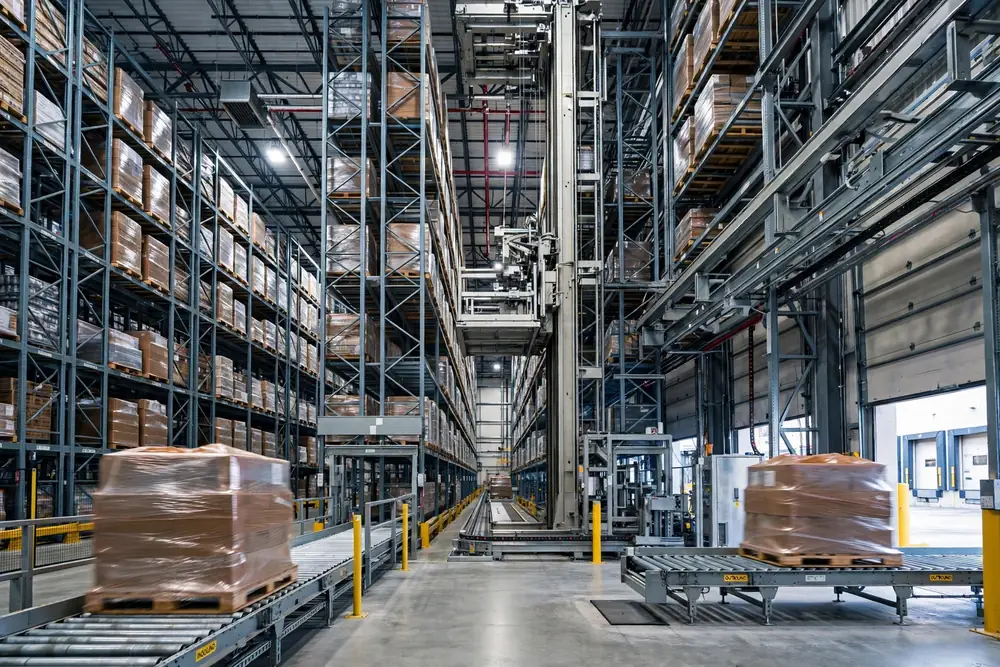
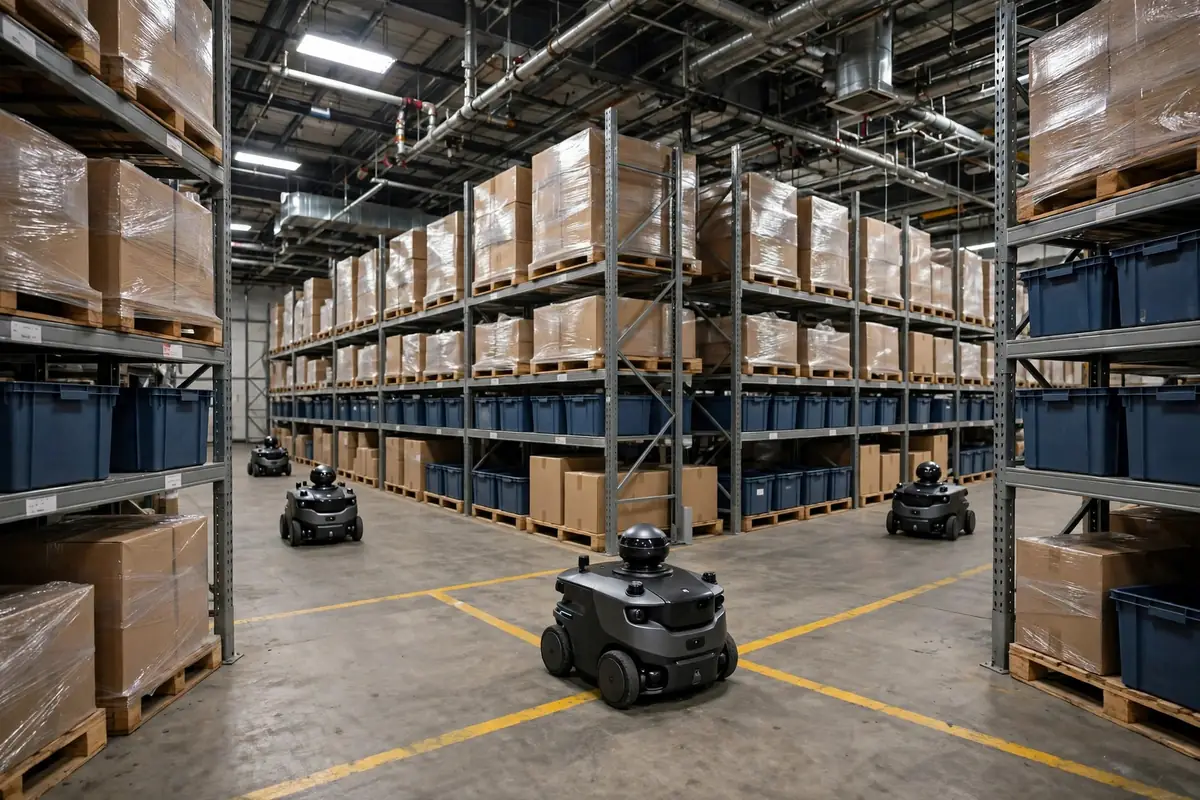
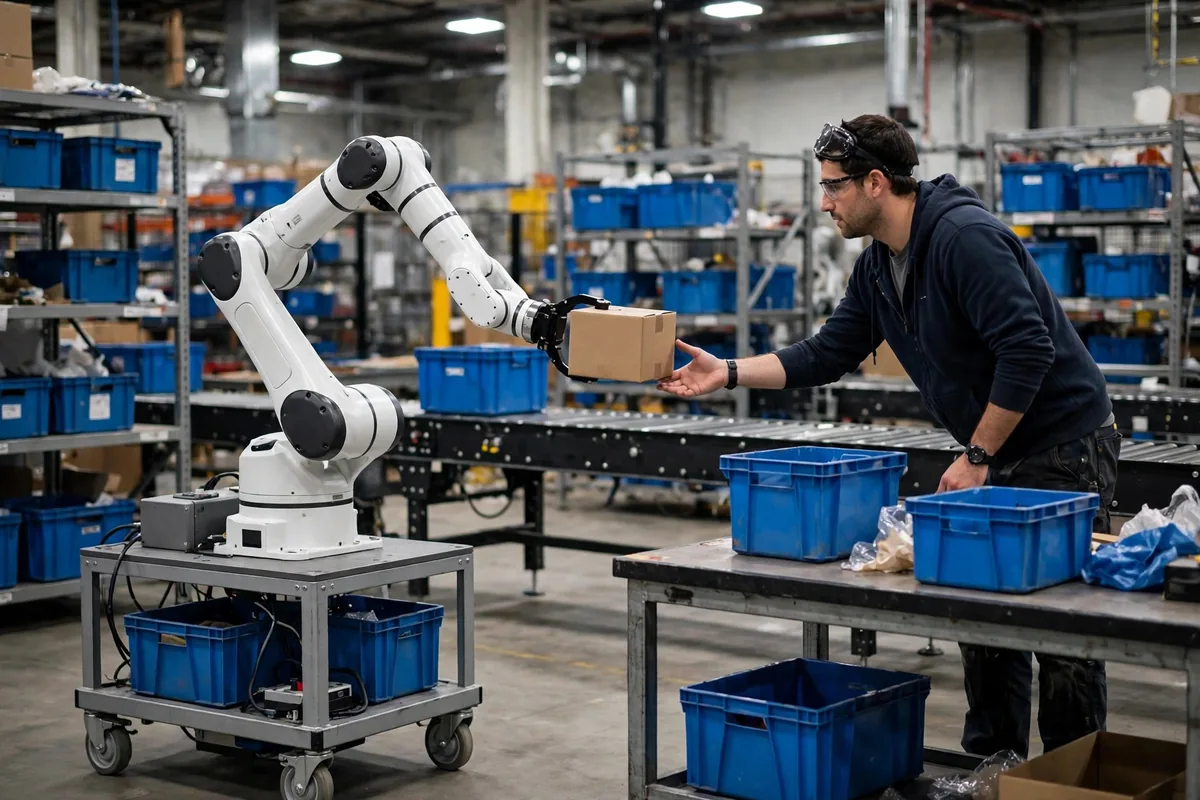
Use the table the way a driver uses a route sheet. First list what is inside the machine, then match each piece to its standard. An automated storage system can split across all four: the structure, the panel, the robot, and the conveyor may each answer to a different rule. Miss one piece and the warehouse will find it. UL 508A covers the panel, not the whole machine. UL 1740 covers the robot equipment, with a limit of 600 V and below.
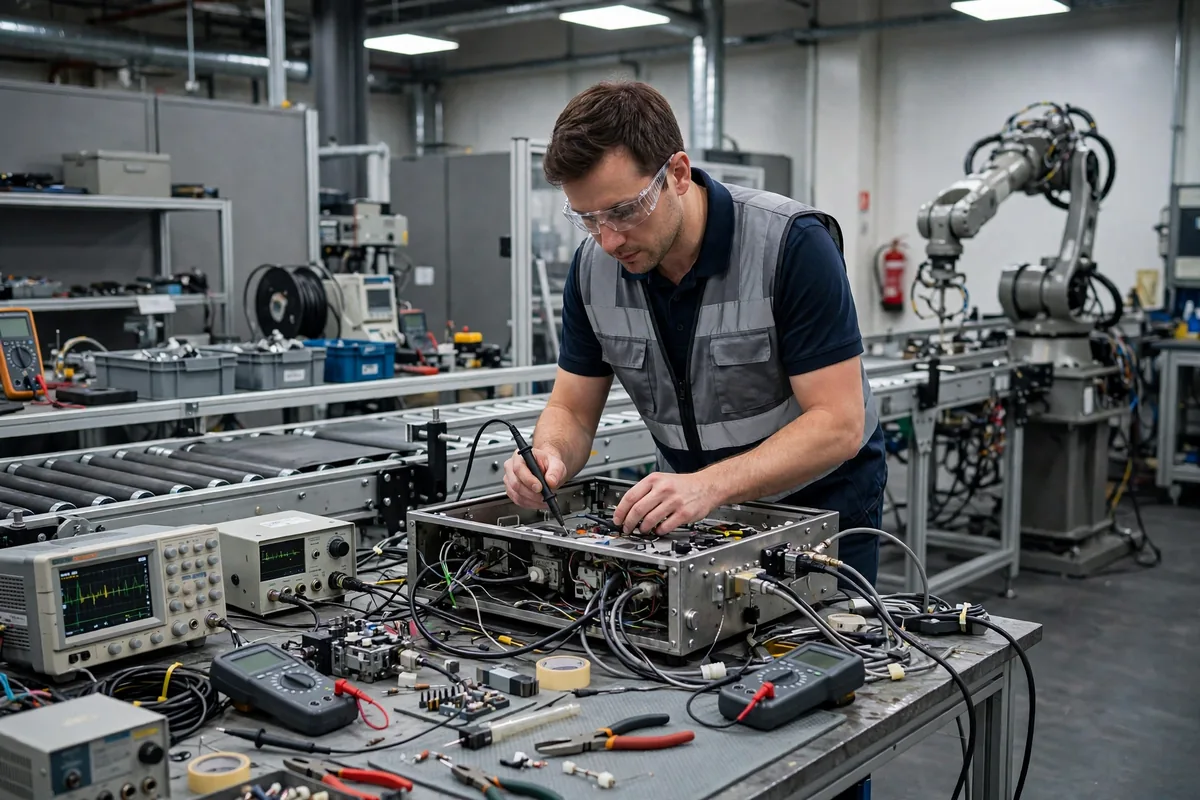
There is one more condition that surprises first-time buyers. For a UL panel listing, the factory must join the UL Panel Shop Program and appoint a manufacturer technical representative, known as an MTR. That person is the one in the plant who knows the standard and can answer for an inspection. Without that person, the listing path does not work.
Listed or Field Evaluated? How to Choose
A machine is already built and it has no listing. What then? Go back and pursue a listing, or ask a qualified body to carry out a field evaluation. A field evaluation by an NRTL can win recognition from the local authority having jurisdiction, the AHJ, for equipment that was never listed. It sounds like a shortcut. It is not.
A field evaluation is tied to one machine and one site. Move the machine to another warehouse, change the wiring, and you may need a fresh evaluation. A listing follows the factory and the product line. Once it is through, later machines of the same model can follow it. Neither road is better in the abstract. The right one depends on the job.
Here is a simple way to choose. If more machines of the same model are coming, and the model and the output are steady, take the listing road. If there are only one or two machines, the model is custom, and the installation is unusual, a field evaluation fits better. Before you choose, ask three questions: how many warehouses will take this equipment, will the same model be built again, and can the site wiring and conditions be repeated?
Counting the Cost of Being Stopped at the Door
Hypothetical example. The numbers below are all assumed, only to make the arithmetic clear. They are not a quotation. For fees and timelines, check the latest policy on the official site or ask a certification body for a quotation.
Assume a shipment of three machines arrives at a United States warehouse and the control panels have no listing, so the warehouse refuses them. Assume each machine waits one extra day at the door, three days across the shipment. Assume each panel has to be opened, rewired, and relabeled, at two workdays per machine, six workdays across the shipment. Assume the three machines then need a second delivery run, in two trucks. The money on the page is only part of the loss. With the machines stuck outside, later freight stacks up behind them and the delivery date has to be renegotiated.
That is the trade-off most buyers get backwards. They treat the mark as an extra cost on the machine, and the dock as free. In practice the dock is where the cost lands, in waiting, rework, second trips, and missed dates. Doing the paperwork early is paying the small, known cost before the large, unknown one shows up at the door.
A Dallas Job That Field Evaluation Saved
In March 2025, a warehouse in Dallas, Texas, was bringing in a custom sorting line. Only two machines were built, and there was no time to pursue a listing. The shipper asked a qualified body to carry out a field evaluation. The evaluators checked the panel wiring, the emergency stop circuit, the nameplates, and the manuals, and raised five findings. The factory sent people to the site, fixed all five, and passed the recheck. The machines won AHJ recognition and the warehouse let them in.
That job worked because the shipper left time and hands for the fix. A field evaluation is not a payment that buys a pass. It is an inspection that finds problems, a fix, and a recheck. Put that Dallas job beside the Ontario stop and the difference is plain. The difference was whether the shipper had treated the mark as a receiving condition in the contract, and whether someone had asked before shipping if the marks, the files, and the wiring diagrams were all in place.
Advice for Shippers and Warehouses
For shippers, do three things before you order. Ask the supplier which standard each part follows, panel, robot, and conveyor, and whether the voltage and temperature limits match. Ask whether the factory has joined the panel shop program and appointed a manufacturer technical representative, because without both, the listing road does not open. Then put the mark in the contract: what mark and what files must travel with the machine, and who pays for the fix and the waiting if something is missing.
For warehouses, do three things before you receive. Add one line to the receiving checklist: check the listing marks on the panel and the whole machine, and if the mark, the model, and the files do not match, hold the load outside. When a machine arrives with no listing, do not refuse it in a hurry and do not wave it in either. Ask first whether a field evaluation is possible, get the scope written down, and set a date. Then write down every stop, so the next purchase can be checked against it.
After fifteen years on the road, I have come to see it this way. The race is not won by the fastest machine. It is won by the machine whose papers are ready. A fast machine that cannot get through the warehouse door is going nowhere. Sharpen the axe before you cut the wood.
By Shifu Zhao, Trucking Veteran (15 yrs)