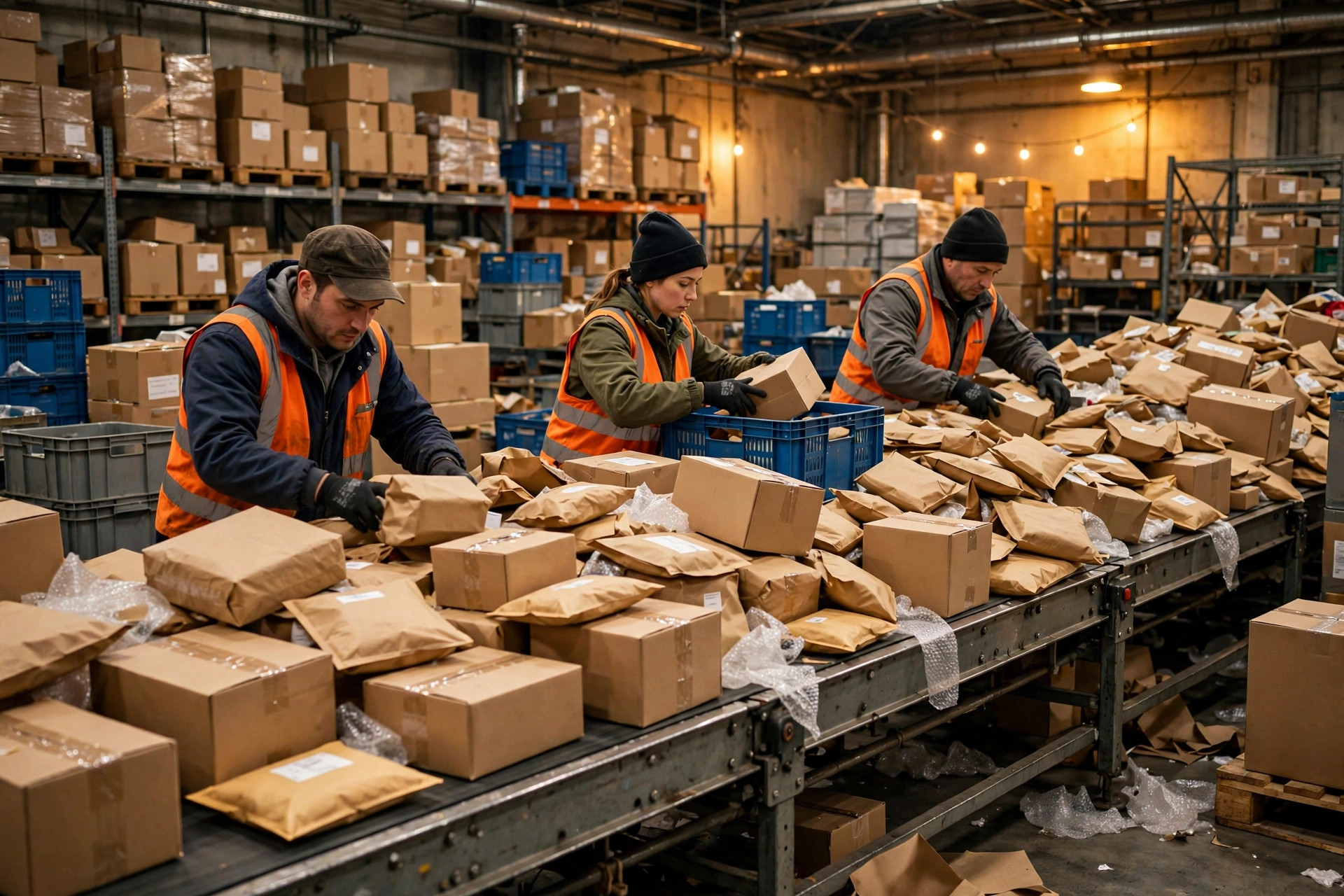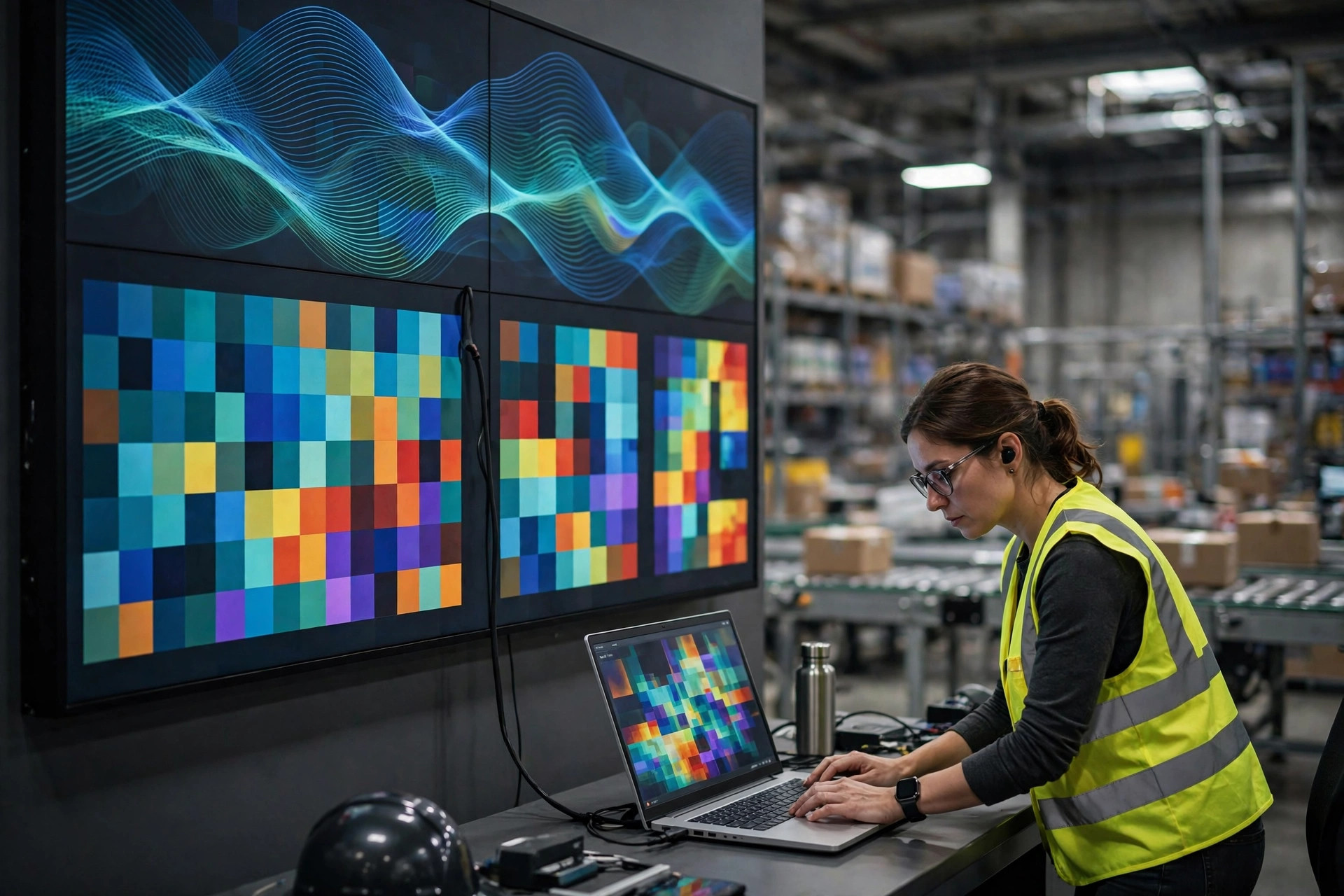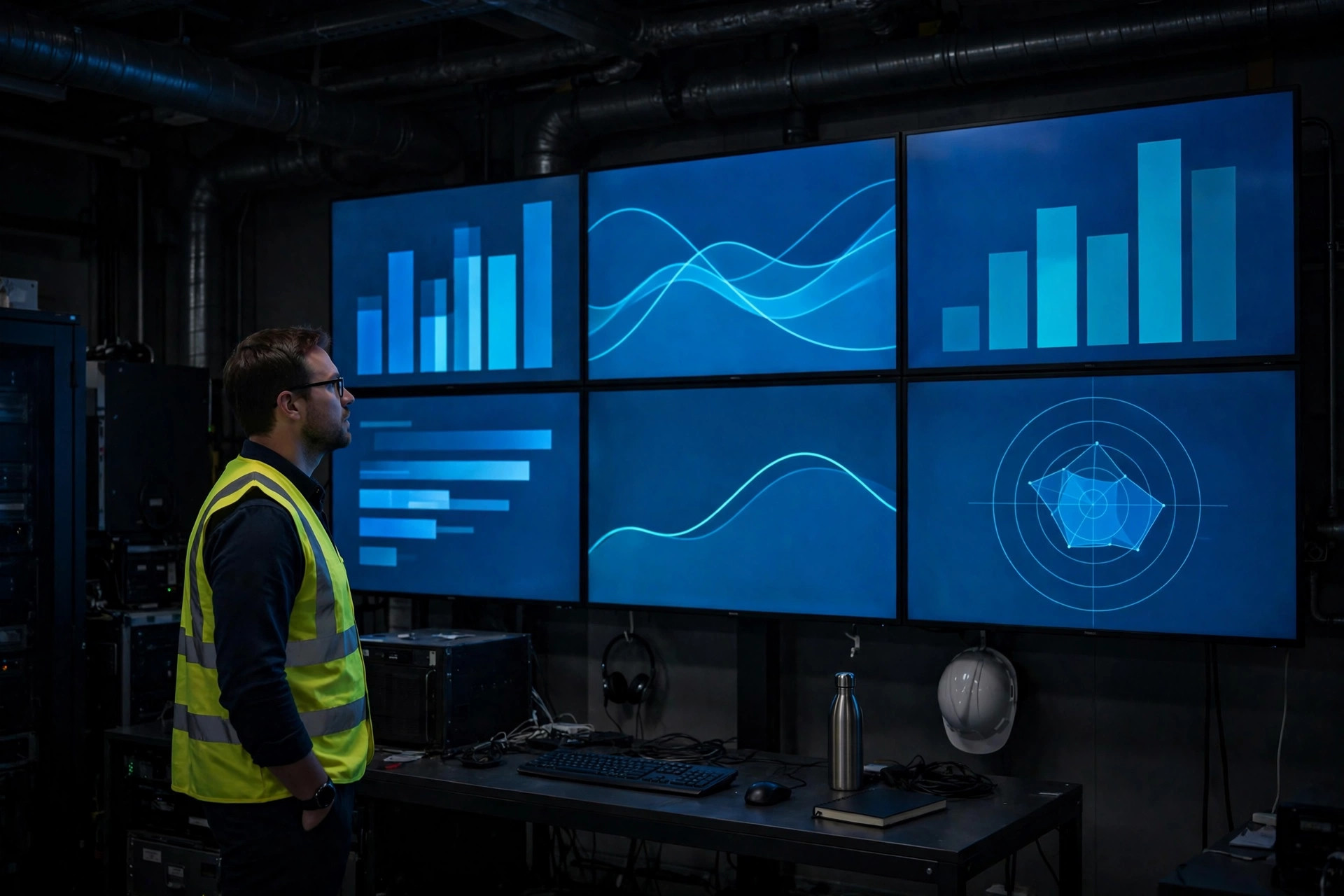
2026 is in the books, and it's time to grade the year's warehouse AI spending. My verdict: fewer than three in ten projects earned their money back, more than four in ten were pure tuition, and the rest are "still in progress" — which is usually a polite way of saying nobody wants to call them dead. I walked through dozens of warehouses this year, from 50,000-square-foot 3PLs to 400,000-square-foot e-commerce fulfillment centers. The projects that paid off all look alike: close to the money, fed by data that already existed, and nobody holding weekly meetings about them. The ones that died in slide decks share the same flaw: the money was spent before anyone thought hard about what "working" would actually mean. This review isn't about dunking on AI — it's about not paying the same tuition twice in 2027.
Three bets that paid off
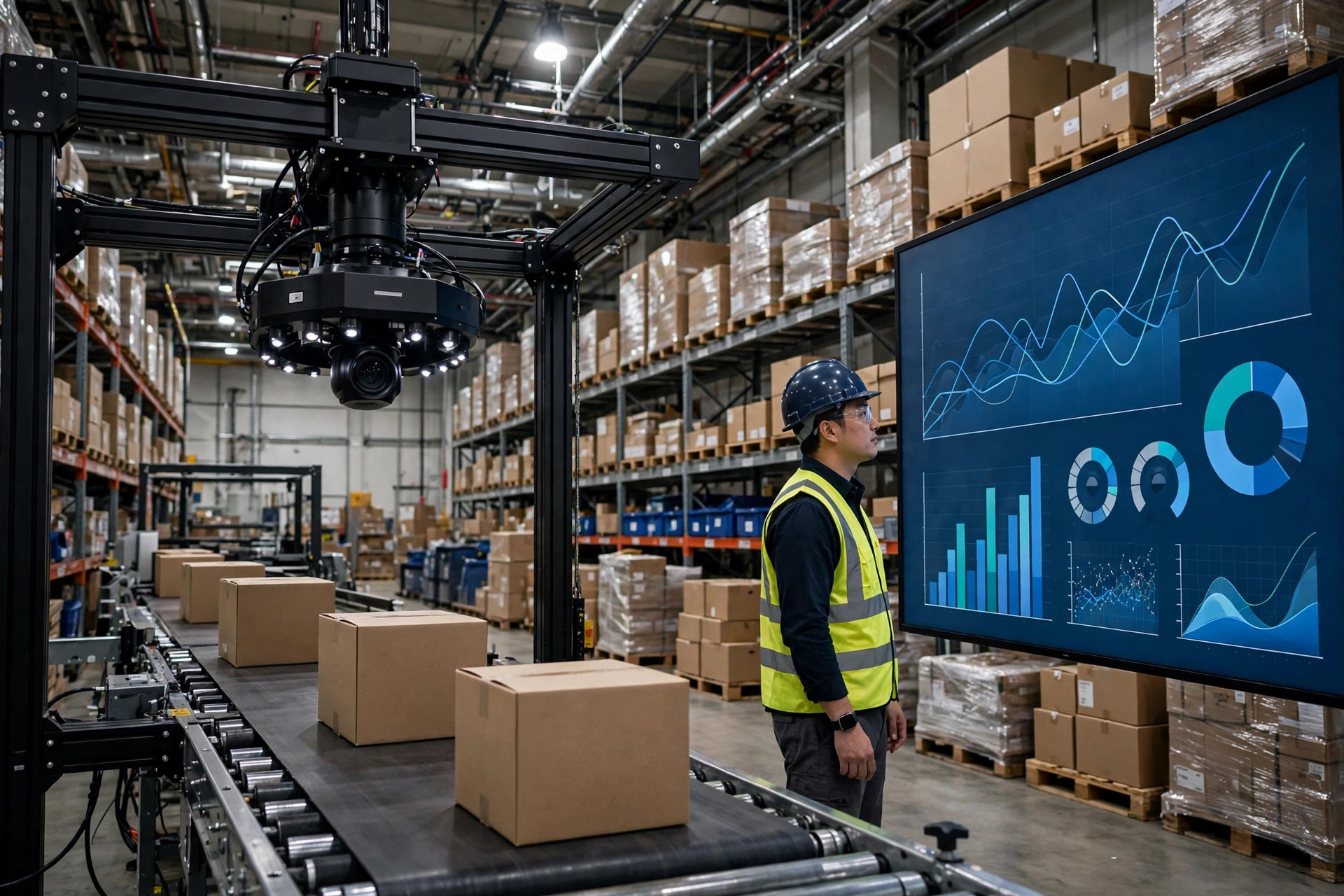
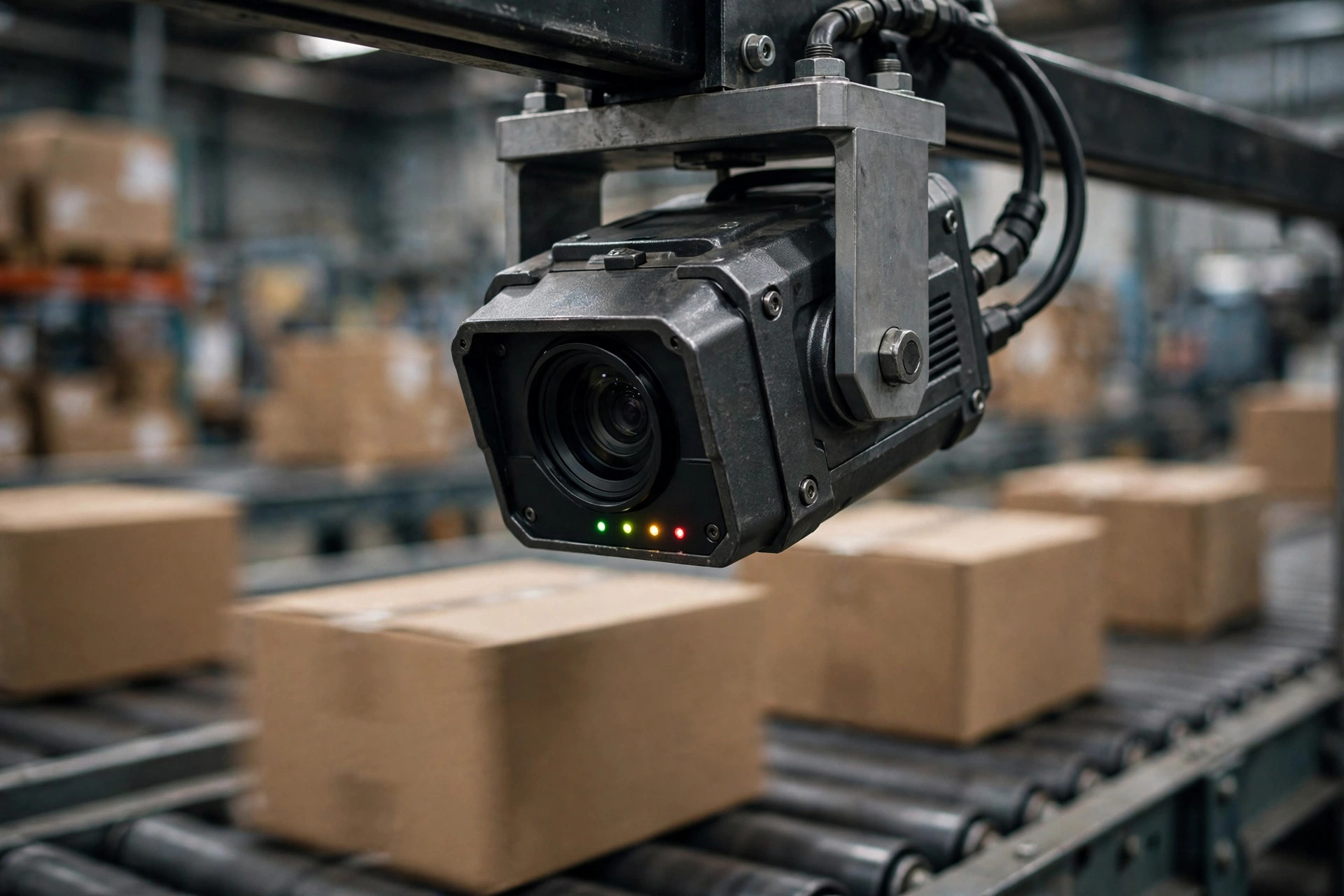
Vision-based quality control. Inbound and outbound inspection turned out to be 2026's most reliable AI return. The logic is blunt: inspection is pure manual labor where a missed defect costs real money, so every hour the camera replaces shows up directly in fewer claims and returns — no creative accounting required. A 120,000-square-foot 3PL in Ontario, California installed outbound vision inspection in late 2025, with cameras checking shipping labels and carton seals. Roughly $80,000 invested (observed figure, approximate); within six months the mis-ship rate fell from about 0.4% to under 0.1% (observed figures, approximate). The avoided claims and re-deliveries alone paid for the system. The trade-off matters too: this works where SKUs change slowly and exceptions can be enumerated. If your SKUs rotate every few weeks and cartons arrive in odd shapes, the model spends its life chasing new appearances, and the savings leak right back out.
Labor forecasting and scheduling. Using order history to predict labor needs weeks out, so scheduling stops depending on a supervisor's gut. A Dallas e-commerce warehouse running about 30,000 orders a day has used it for two years; its 2026 peak-season temp labor spend came in roughly 20% below the prior year (observed figure, approximate). Don't credit the model's brilliance — credit the two-week heads-up. Knowing "we'll be 40 people short on Tuesday afternoon, two weeks from now" gives a supervisor time to adjust shifts and negotiate temp rates instead of scrambling on the day. There was an unexpected bonus, too: with schedules landing closer to reality, overtime complaints from full-timers dropped, and peak-season attrition came down with them — the HR manager told me that was his biggest surprise of 2026. One warning first: if your WMS time-and-attendance data is a mess, the forecast will be too. Spend two or three months cleaning up labor records before buying prediction, or you're doing astrology with dirty data.
Voice picking, upgraded. Voice-directed picking is old technology, but 2026 was the year better speech models gave it a second life in noisy environments. A 200,000-square-foot food distribution center outside Phoenix replaced an eight-year-old voice system early in the year; pick accuracy moved from 99.2% to 99.7% (observed figures, approximate). Don't shrug at half a point: in food distribution a mispick means rebuilding the entire order, and a few dozen fewer errors a day during peak season pays for the upgrade in labor and packaging alone. My take: if you already run voice, this upgrade is easy math with a short implementation cycle. If you're starting from zero, put the hidden costs in the ROI — headset breakage, training time, misrecognition in noisy aisles — not just the number on the vendor's quote.
Two that burned cash
Digital twins. The worst-performing category of 2026, and it's not close. I watched three warehouses build twins: four to six months of modeling, a beautiful dashboard on delivery day, and then nobody opened it again. The technology isn't the problem — the question it answers ("what if we converted Zone A to flow rack?") comes up maybe a few times a year, while the people maintaining the model get paid every month. One 80,000-square-foot facility spent roughly $150,000 (observed figure, approximate) on a twin; a year later it was opened about once a month (observed figure, approximate). The most damning detail: before building it, nobody had written down what question the twin was supposed to answer. My judgment: for a warehouse whose layout sits still for years and whose SKU mix is stable, a twin is an expensive screensaver. Only operations that run layout simulations constantly earn the right to talk about this.
Generic AI assistants. Chatbots for inventory lookups and order-status questions sound like labor savings; in practice they fail at both ends. Questions with answers are three clicks away in the WMS already; questions without answers get answered with more confidence than any human would dare. One 3PL deployed a customer-service AI and saved approximately zero labor over the year (observed figure, approximate) — while adding a new role: somebody feeding the knowledge base every day, salary and all. The rule: if your internal knowledge base isn't organized, an AI assistant just accelerates the chaos. Get your SOPs and knowledge base into shape a human can follow first, then talk about AI. Otherwise you're not buying an assistant; you're buying a very articulate excuse machine.
Why the same technology had opposite fates
The dividing line is clear in hindsight. Every project that paid back met three conditions: it replaced labor cost that already existed instead of inventing a new need; its data was ready on day one, no "let's collect for six months and see"; and success was measurable — mis-ship rate, labor hours, accuracy — so acceptance day involved no arguments. Miss any one of the three and you're paying tuition. Most of 2026's failures followed the same script: the vendor painted the vision, the warehouse paid first, and the acceptance criteria sat in a contract appendix nobody re-read after kickoff. There's one more pattern worth naming: AI projects that required everyone to adopt new habits died fast; the ones that installed quietly and did the work without bothering anyone lived long. That rule will hold in 2027 too.
Where I'd put money in 2027
No grand directions — three moves you can start tomorrow. First, audit your data before buying AI: pull WMS transaction records, labor hours, and exception claims. If you can't produce 12 continuous months without gaps or contradictions, you don't qualify for predictive AI yet; spend 2027's budget on data hygiene first — it beats any model purchase. Second, the one line I'd actually bet on in 2027 is "exception detection plus human review": vision QC proved the pattern, and the next mature application is automated inbound exception interception — damage, quantity mismatches, wrong labels — the camera flags it, a human confirms. The technology is ready and the math works. Third, give every AI project a 90-day acceptance line: if the core metric hasn't moved 90 days after go-live, kill it. No renewals, no "one more optimization round." Pay 2026's tuition once; don't enroll again in 2027.