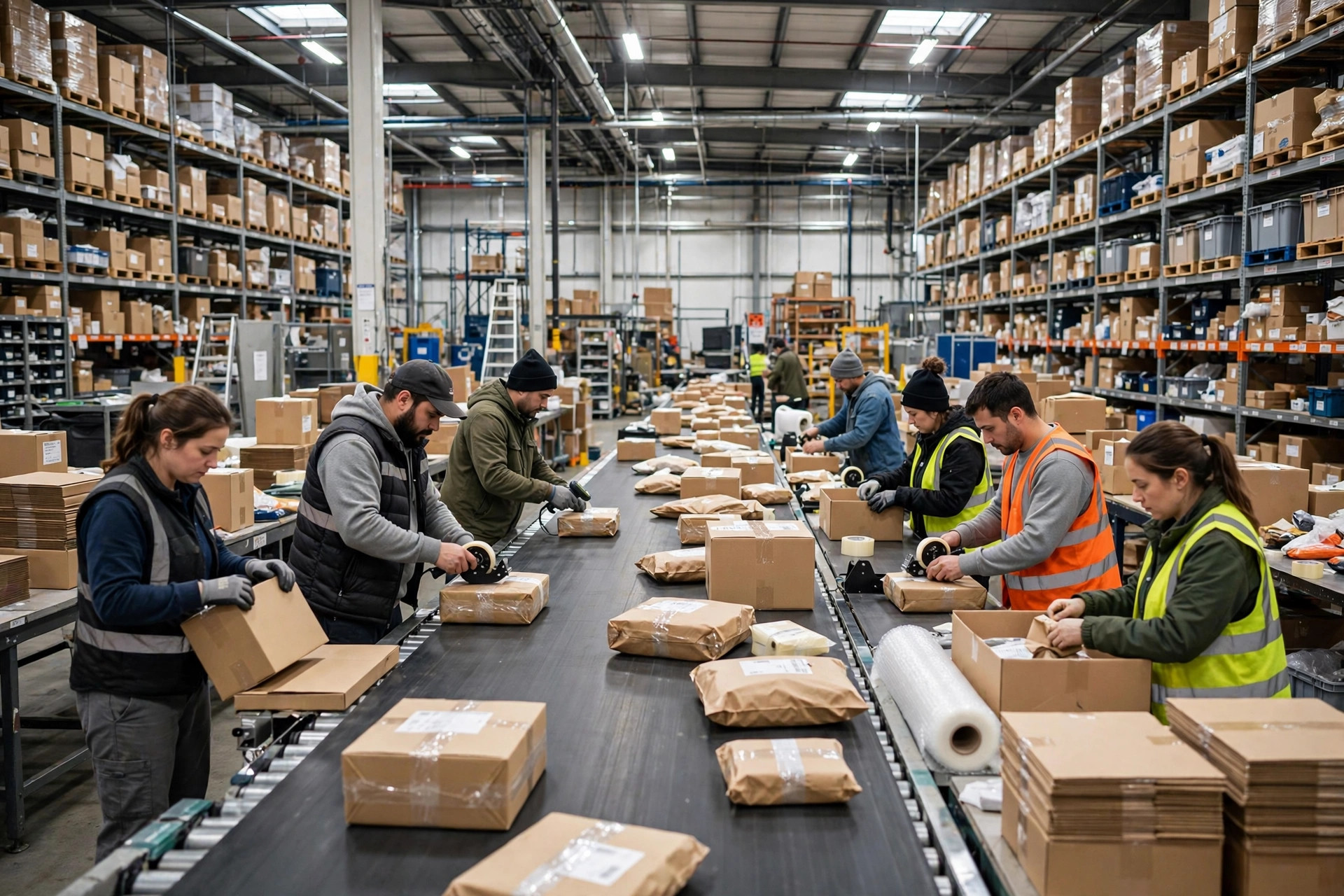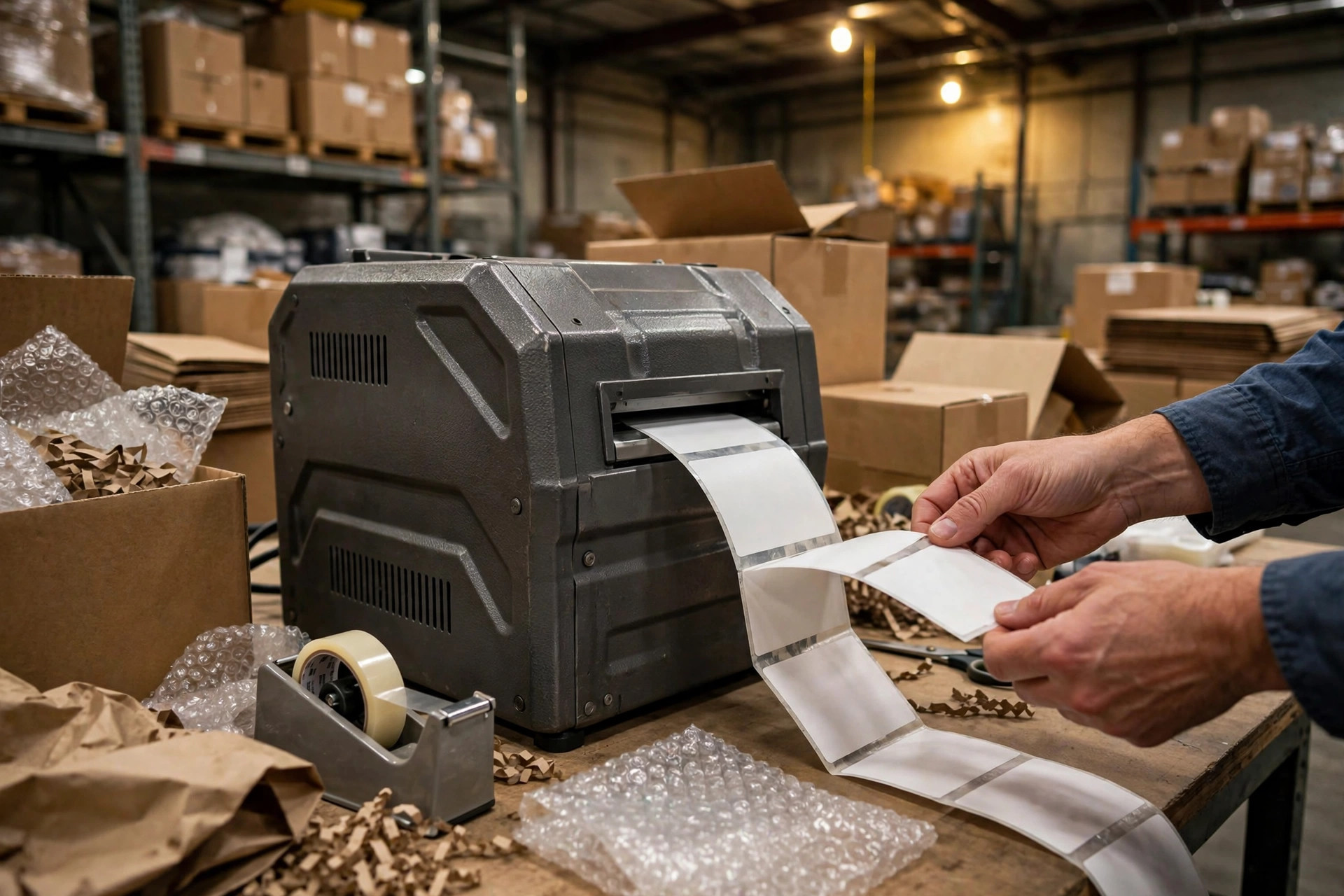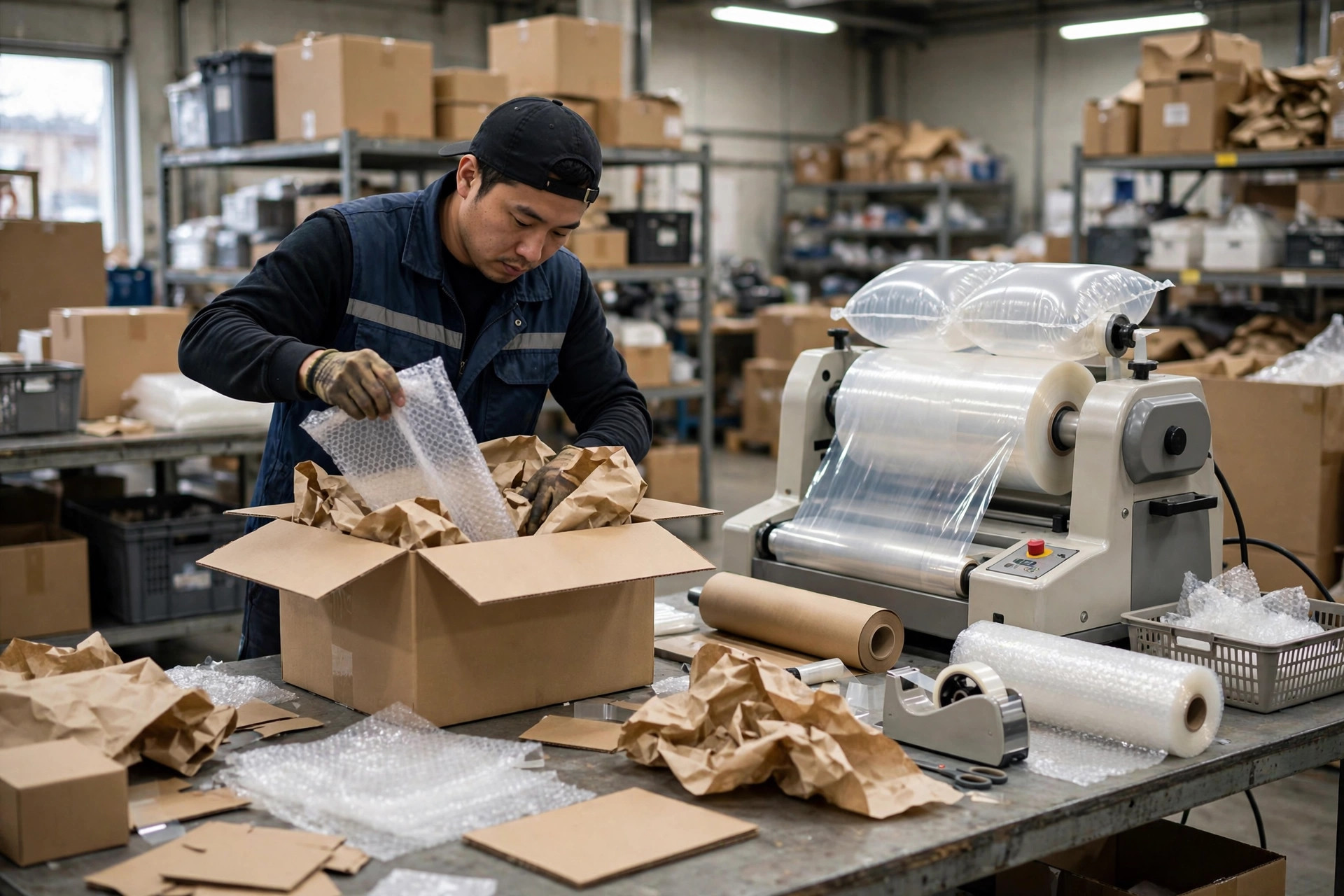
Last month I spent half an hour at the pack stations of an e-commerce warehouse, just watching. One packer carefully wrapped every item in two layers of bubble wrap — tear, wrap, tape, smooth as clockwork. The packer next to her tossed three or four air pillows into each box and sealed it in half the time. The owner stood next to me, sighed, and said his protective packaging spend was over budget again. He wanted to cut one material and asked which one.
I told him: don't cut anything until you've done the math. Void fill looks like a rounding error on a P&L, but a few cents per order and one point of damage rate can swing six figures a year. Bubble wrap, kraft paper pads, air pillows, foam — I've run all four. Here's the honest breakdown.
Start with the per-order math, not the roll price
Using October 2026 retail prices from major US packaging suppliers, here's what each material actually costs per order shipped:
Air pillows are the cheapest — with a catch. A standard 8-by-4-inch pillow film roll, 8 inches wide and 1,640 feet long, sells for about $82. Tear one pillow every 4 inches and you get roughly 4,920 pillows per roll, which works out to about 1.7 cents per pillow. Five pillows in a box costs you 8 to 9 cents. Practically free. But watch the sizing: industrial 8-by-10-inch pillow film runs $830 for a 4,200-foot roll, or about 16.5 cents per pillow. Two or three of those in a box and you're at 30 to 50 cents. Same category, ten times the price — purchasing teams that buy on the word "pillow" alone get burned.
Bubble wrap is the most expensive. A 12-inch by 175-foot roll goes for $49, roughly 28 cents per foot. Wrapping a small appliance properly takes at least two feet, so you're at about 56 cents per order — six to seven times the cost of small air pillows. And bubble wrap arrives pre-inflated: it's bulky, eats pallet positions, and that storage cost never shows up on the packaging line item.
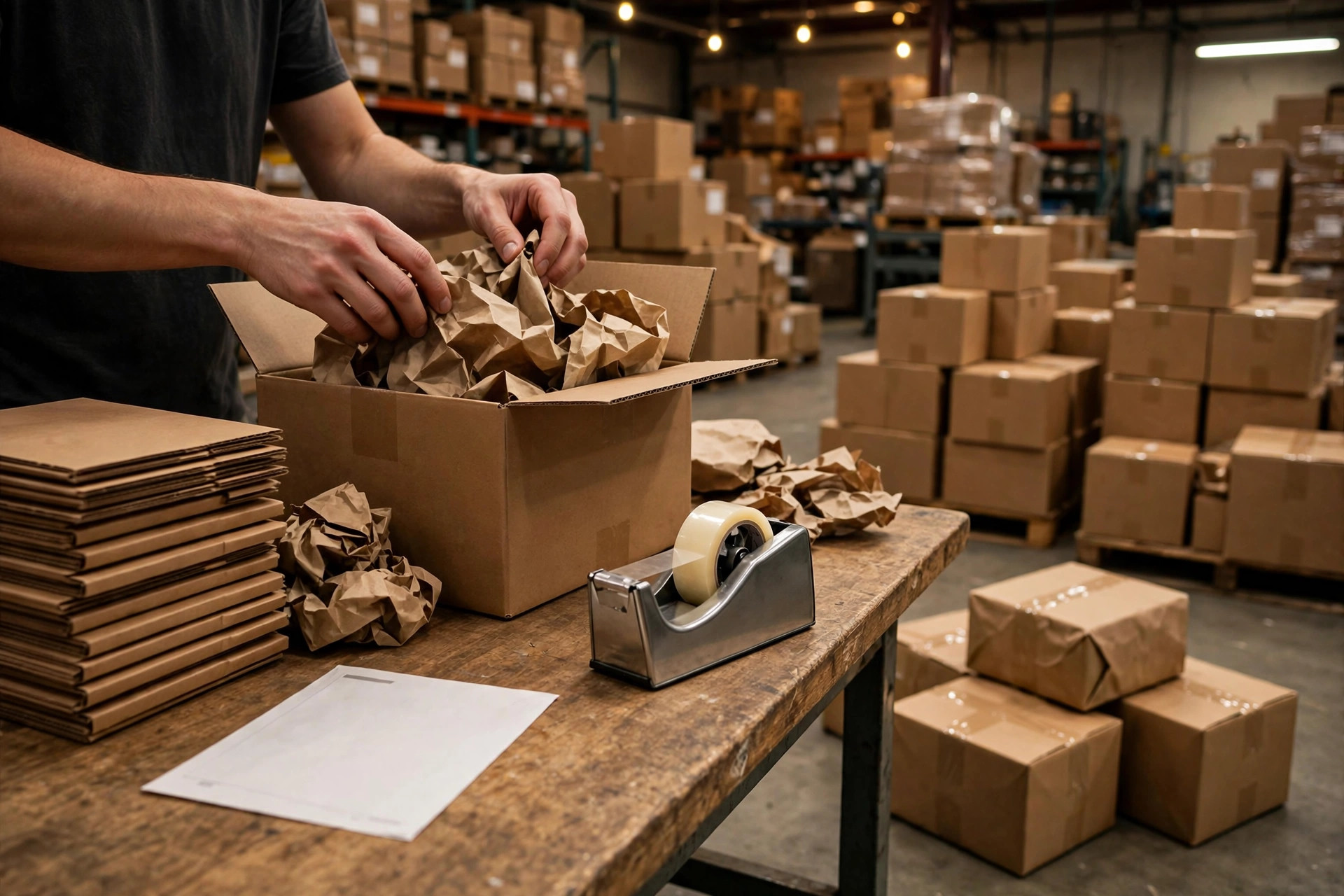
Kraft paper pads sit in the middle. A 12-inch by 720-foot roll sells for $25, about 3.5 cents per foot. A packer crumples two feet into the corners of a box — roughly 7 cents per order. Paper's real advantage is the equipment: a manual cutter stand costs tens of dollars, while air pillows need an inflation machine. A desktop unit runs a few hundred dollars; a professional-grade machine is over two thousand.
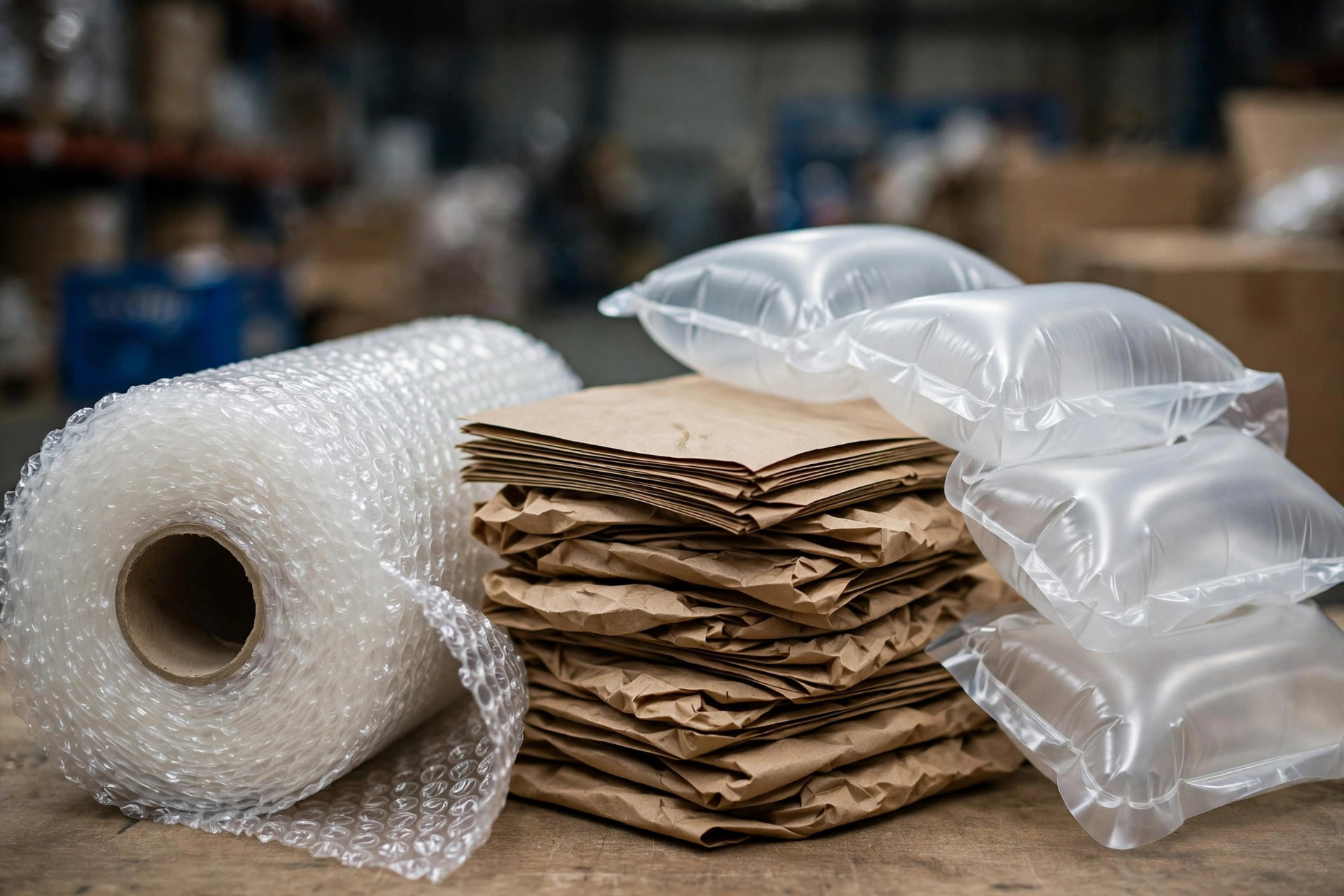
Side by side:
- Air pillows (small): 8–10 cents per order, fast, but requires a few hundred dollars of equipment
- Kraft paper pads: about 7 cents per order, cheapest equipment, recyclable, poor moisture resistance
- Bubble wrap: 50–60 cents per order, best protection, slow, expensive, bulky to store
- Foam/PE sheets: tens of cents to several dollars per order, cut to fit, only worth it for high-value goods
Looking at that table, the obvious conclusion is "just use air pillows everywhere." Plenty of owners think exactly that — and then hand the savings back double in damage claims.
A few cents saved on fill, $300 lost on damage
The packaging industry has a number worth memorizing. Pregis's e-commerce segment manager has publicly walked through it: one damaged shipment costs a merchant more than $300. That's not just the product value — it's customer service time, warehouse labor to process the return and re-pick, parcel shipping for the replacement, and fresh packaging. Worse, their research found that 73% of consumers who receive a damaged package are unlikely to order from that retailer again. One damaged parcel doesn't cost you one order. It costs you a customer.
And damage isn't rare. A November 2024 Harris Poll survey commissioned by DS Smith found that 60% of Americans had received a damaged online order that year; an estimated 700 million parcels are damaged in US transit annually, worth about $48.5 billion. If your warehouse ships a few thousand orders a day, one point of damage rate is dozens of incidents a month. Multiply by $300 and do your own math.
There's a second cost almost nobody models: labor. A US packer's fully loaded hourly cost is around $24. Wrapping in bubble wrap costs a practiced packer an extra 10 to 15 seconds per order versus three seconds to toss in air pillows. At 15 extra seconds and 1,000 orders a day, that's 4.2 extra labor hours — about $100 a day, or roughly $2,200 over a 22-day month. The cents saved on material routinely get eaten by labor.
So the right metric was never "material unit cost." It's total cost per order: material + labor + expected damage loss. A $15 phone case has an expected damage loss of pennies — 8 cents of air pillows is perfectly rational. A $200 ceramic dinnerware set carries $300-plus of damage exposure per incident — 56 cents of bubble wrap, doubled up, is money well spent. Where 3PLs bleed is the one-material-fits-all warehouse: bubble wrap on phone cases is waste; air pillows around porcelain is asking for it.
Match the fill to the freight, not the other way around
After twenty years, my rule of thumb is three tiers, sorted by what you're shipping:
Tier one — light and tough: apparel, accessories, plastic parts, books. Fill the void with air pillows and keep it under 10 cents an order. These items survive a drop. Don't spend another penny on fill.
Tier two — moderately fragile: small appliances, glass cosmetic bottles, anything with a screen. The standard play is one wrap of bubble around the product for contact protection, then paper pads or air pillows to lock the void. Budget 60 cents to a dollar per order here. One trap: air pillows hate sharp edges. If the product has corners or burrs, wrap the sharp points in bubble or paper first — a punctured pillow in transit is the same as no pillow.
Tier three — high value and heavy: fragile items over $100, large ceramics, anything over 10 pounds. Skip the air pillows. Under sustained compression they migrate to one side of the box, which is the same as not filling it. Use kraft paper pads as a base cushion layer, wrap tight in bubble, and add foam corners when it matters. One to two dollars of fill per order is completely normal at this tier, because a single $300 damage incident buys a year's worth of fill.
Two more details from the field. Paper pads lose their cushion when damp — warehouses in Houston or Miami, or freight going ocean, should default to air pillows because soggy paper collapses. And the sustainability math is getting real: paper pads are recyclable and unbox beautifully; plastic pillows are already on the banned list at plenty of brands. If your client has a de-plasticizing mandate, the extra cents for paper aren't a cost, they're the price of the business.
Tape this to the pack-station wall as the hard rule:
Divide the item's selling price by 100 — that's your void-fill budget for the order. A $20 item gets 20 cents of fill, max. Fragile goods over $100 get a full dollar, wrapped tight in bubble. One damage claim at $300 buys a year of fill. Every pack lead and every finance manager should be able to do this math.