The most expensive lesson in my five years of selling online wasn't ad spend. It wasn't Amazon changing the rules again. It was a cardboard box. A box that costs less than a dollar.
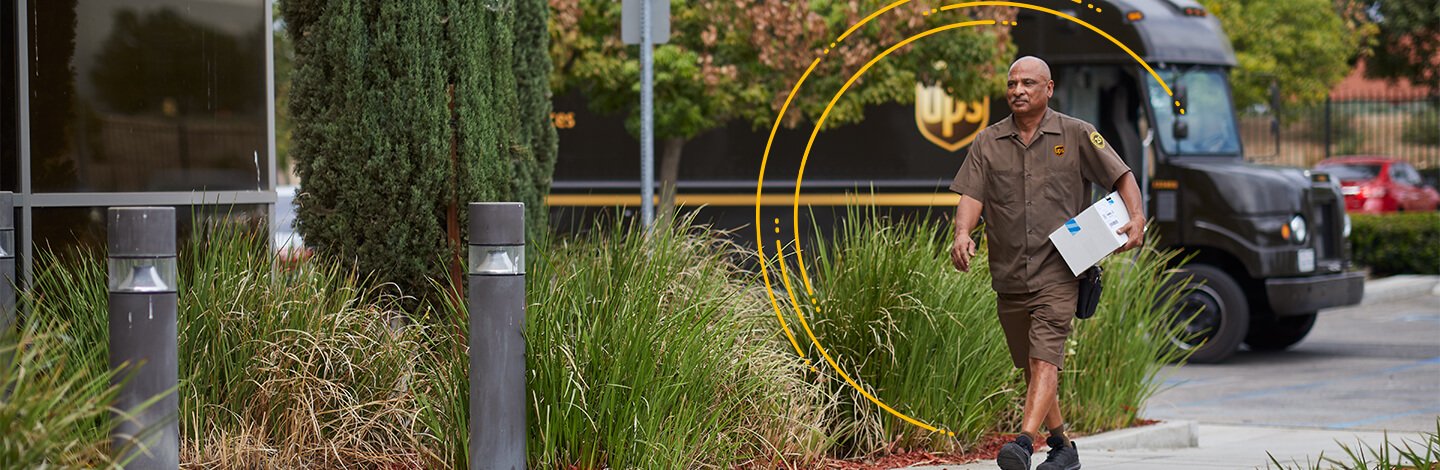
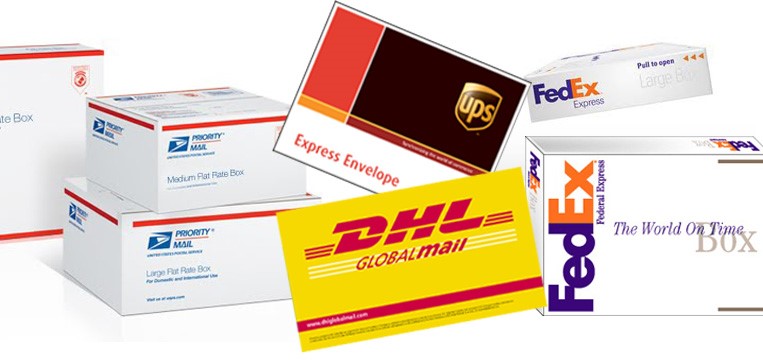
"Free shipping boxes" sounds like the carriers finally did sellers a favor. UPS Express boxes, FedEx boxes, USPS Priority Mail boxes — free boxes, grab as many as you want. Let me be blunt: free carrier boxes might be the most expensive line item in your shipping costs.
How free shipping boxes schooled me
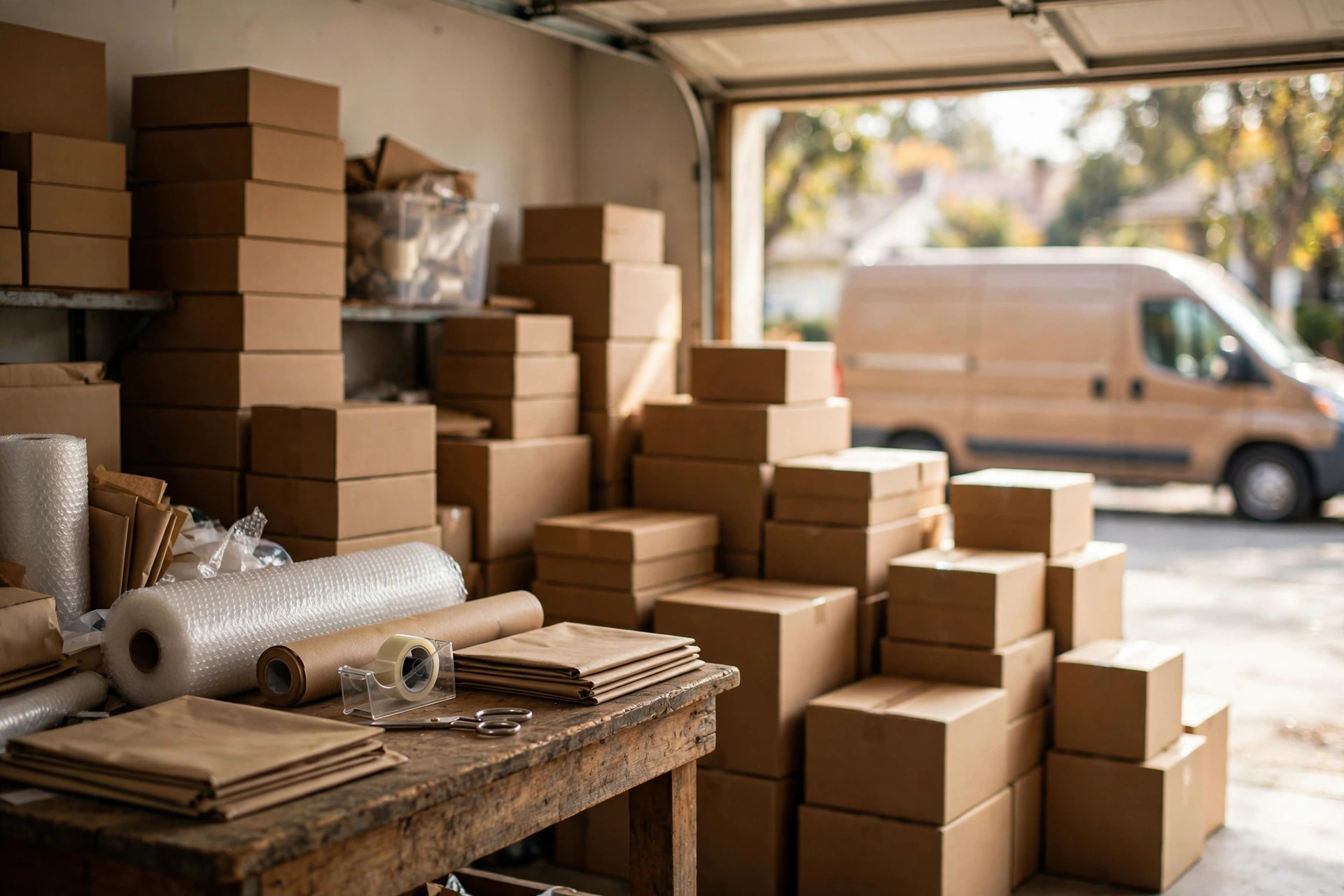
Late 2023, my own site started self-fulfilling — before that it was all FBA. Small jewelry items, $18 average order value. I saw the free boxes on the USPS site and stocked up a whole cabinet of Priority Mail boxes. My math was beautiful: free boxes, cheap Ground Advantage postage, per-order packaging cost driven to zero.
Reality slapped me in week one.
Priority boxes can't go with Ground Advantage. They have to ship via Priority Mail. Same 1-lb parcel — Priority cost several dollars more than Ground Advantage. I saved $0.40 on the box and paid several extra dollars on postage. That's not free. That's trading dollars for dimes.
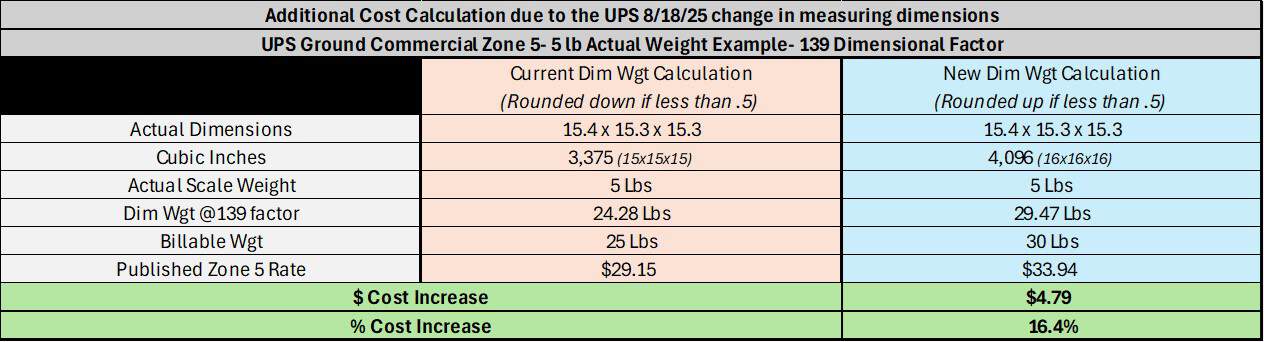
Worse: the size. The medium free box was way too big for my little jewelry pieces — dead space everywhere, extra filler stuffed in. And air products bill on dimensional (DIM) weight: bigger box, bigger DIM weight, higher postage. Every order I shipped in a free box was me paying to ship air.
My friend Chen: paying for boxes, spending less overall
Chen in Shenzhen sells skincare on his own site, 30k orders a month. He bit the bullet and went custom — branded printed boxes, 10k minimum order, $0.42 each. I laughed at him: the box gets ripped open and tossed, who cares what it looks like?
He sent me one spreadsheet: branded box + Ground, per-order total nearly $2 cheaper than my "free box + Priority" combo. At 30k orders a month, that's nearly $60k a month saved.
And his repeat purchase rate beat mine. Unboxing experience doesn't show up neatly in the data, but returns and bad reviews genuinely dropped. That time, he got to laugh at me.
Free shipping boxes vs. own boxes: run the per-order math
Stop comparing box prices. Compare the whole ticket. One formula:
Per-order total = box cost + filler + packing labor + postage + damage/returns cost
| Carrier free boxes | Own boxes | |
|---|---|---|
| Box cost | $0 | $0.30–0.50 each (my bulk price) |
| Eligible services | Locked to matching express products (Priority/Express air — no Ground) | Anything — cheapest Ground/Ground Advantage, no problem |
| Sizes | Fixed set; doesn't fit, tough luck (check current size/weight limits on carrier sites) | Custom — shave every inch, DIM weight under control |
| Branding | Giant carrier logo, zero brand | Your print — unboxing is advertising |
| Hidden cost | High air rates, DIM waste, oversized boxes | Storage space, MOQs, plate fees |
See it? The real price of a free box is written in the postage row.
The counterintuitive part: free boxes force you to buy speed you don't need
Here's the trade-off nobody talks about: the most expensive thing about a free box isn't the box — it's that it forces you to buy delivery speed you never needed.
Carriers designed free boxes as dedicated consumables for their express products. It's bundling, plain and simple — free box, premium service. You think you're saving on packaging; you're actually subsidizing their air network capacity.
One more trade-off: smaller boxes save DIM weight, but smaller isn't always better. Crush the product in a too-small box and one damage claim wipes out a hundred orders of savings. My rule: for air products, shave every inch — but leave real cushioning space around the product. Never gamble on damage rate.
When you MUST use your own shipping box
Four hard rules. Hit any one of them, skip the free boxes:
- Your product doesn't fit the fixed free-box sizes — don't force it. If it arrives dented, that's on you.
- You want Ground / Ground Advantage / the cheapest service — free boxes and cheap services are mutually exclusive. That's the iron rule (check each carrier's current policy).
- Branded goods, $30+ AOV — unboxing experience is worth money; a carrier-logo box doesn't match your price point.
- Amazon FBA inbound — FBA is strict about outer boxes; don't send carrier-logo boxes in. Check Amazon's latest requirements first.
When free carrier boxes genuinely win
To be fair, free boxes win in three scenarios:
- Rush orders — the customer needs it fast, you're paying for air anyway, the free box is pure bonus.
- Your product fits a free-box size just right — no wasted DIM weight.
- Just starting out, low volume — you can't negotiate bulk box pricing yet. Use free boxes to survive first.
My current mix: 70% regular orders in own boxes via Ground Advantage, 20% rush/long-zone orders in free boxes via Priority/Express, 10% odd-shaped products in custom boxes. I review the split at the start of every month and adjust when the order mix shifts.
How to buy your own boxes without getting burned
Going with your own box? Procurement has its own game:
- MOQ is the box factory's weak spot. 10k vs. 3k minimum order can swing unit price 30%. When starting out, get three quotes and use A's price to squeeze B. Works every time.
- Plate fees are one-time. Spread across 10k boxes it's pennies per unit — don't cheap out here. Plain vs. branded is under $0.10 per order.
- Sample first. Never order 10k blind. Run 200 units, check DIM weight and damage rate, then go bulk when the numbers hold.
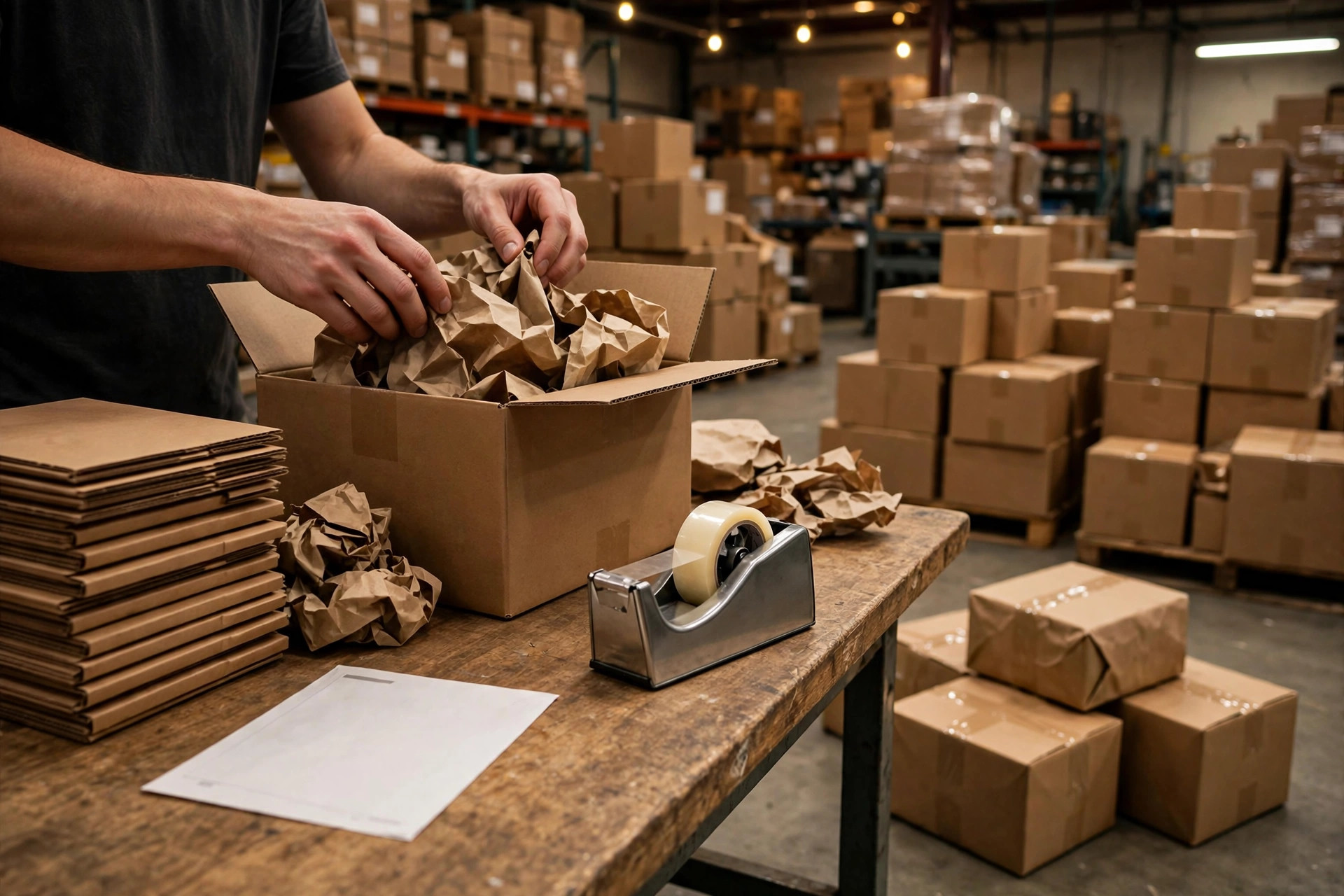
- Bundle the filler. Box factories usually sell bubble wrap and kraft paper too. Negotiate it all together — volume gets discounts.
Pitfalls: I stepped in these so you don't have to
- Don't use a free box with the wrong service. A Priority box with a Ground label gets surcharged or returned. Carriers check this more than you'd think.
- Don't hoard free boxes. They eat warehouse space, and cardboard goes soft with humidity — then it's unusable and painful to throw away.
- Re-check size and weight limits on the carrier site before each order cycle. Carriers never announce rule changes in advance — same energy as Amazon changing the rules again.
- Track damage rate separately. Log damage and return costs for a month before and after any box switch. Most "money-saving" plans die on this metric.
"The most expensive thing is free" is literal with shipping boxes. Run your own numbers through the per-order formula and the answer jumps out on its own. This move actually worked for me — my mix has been running a year, and shipping cost as a share of revenue dropped nearly 3 points.
By Ah K, E-commerce Seller (5 yrs)