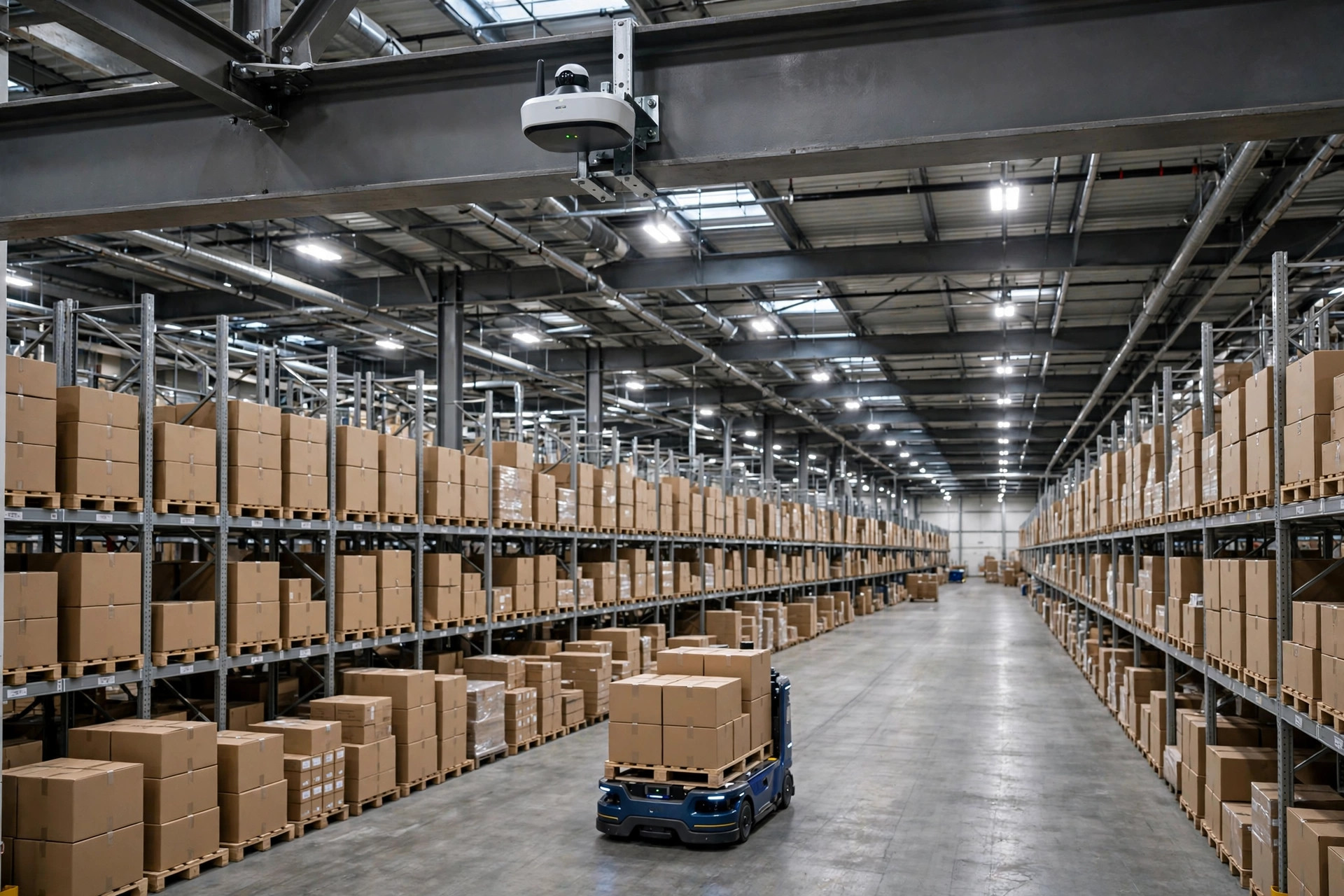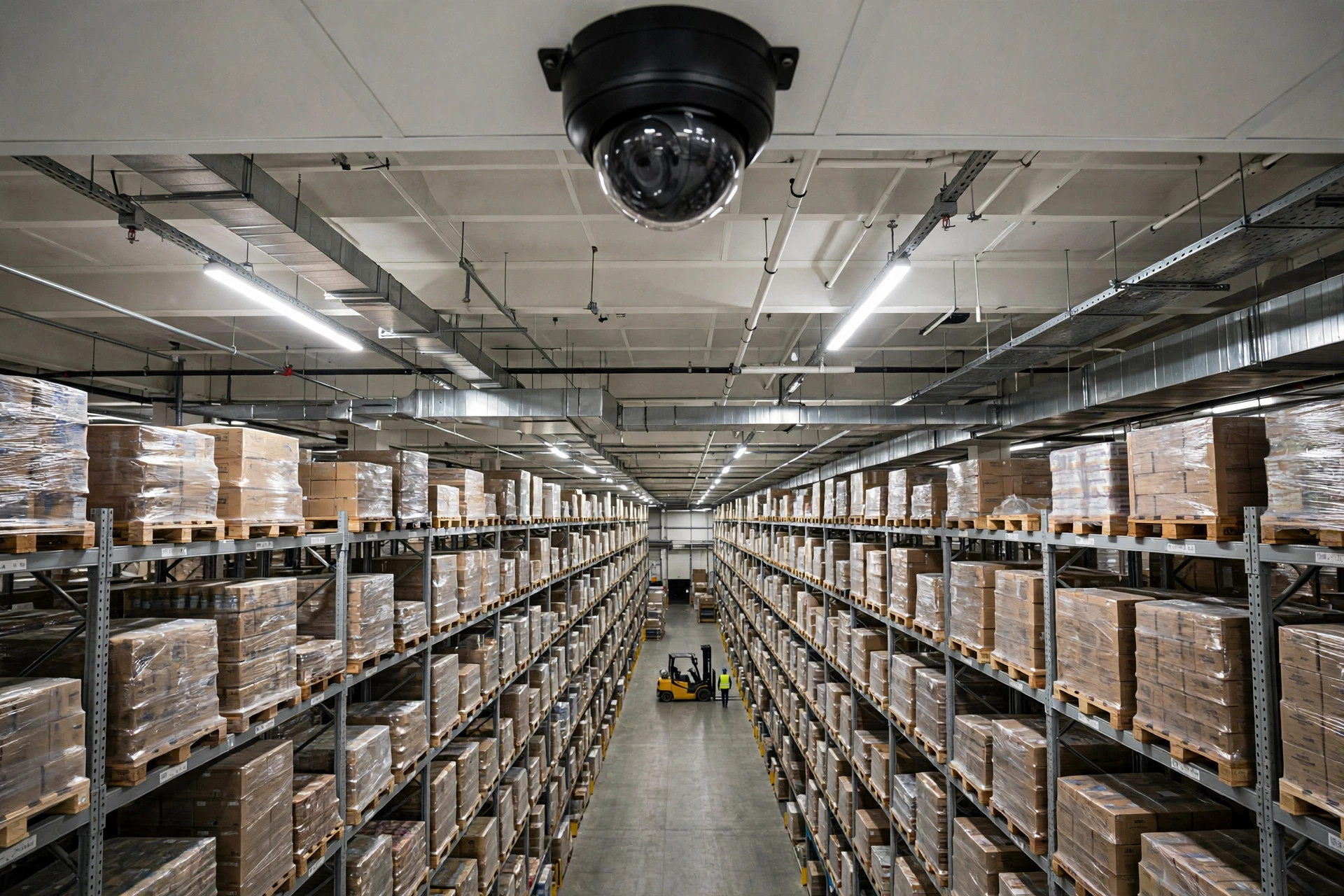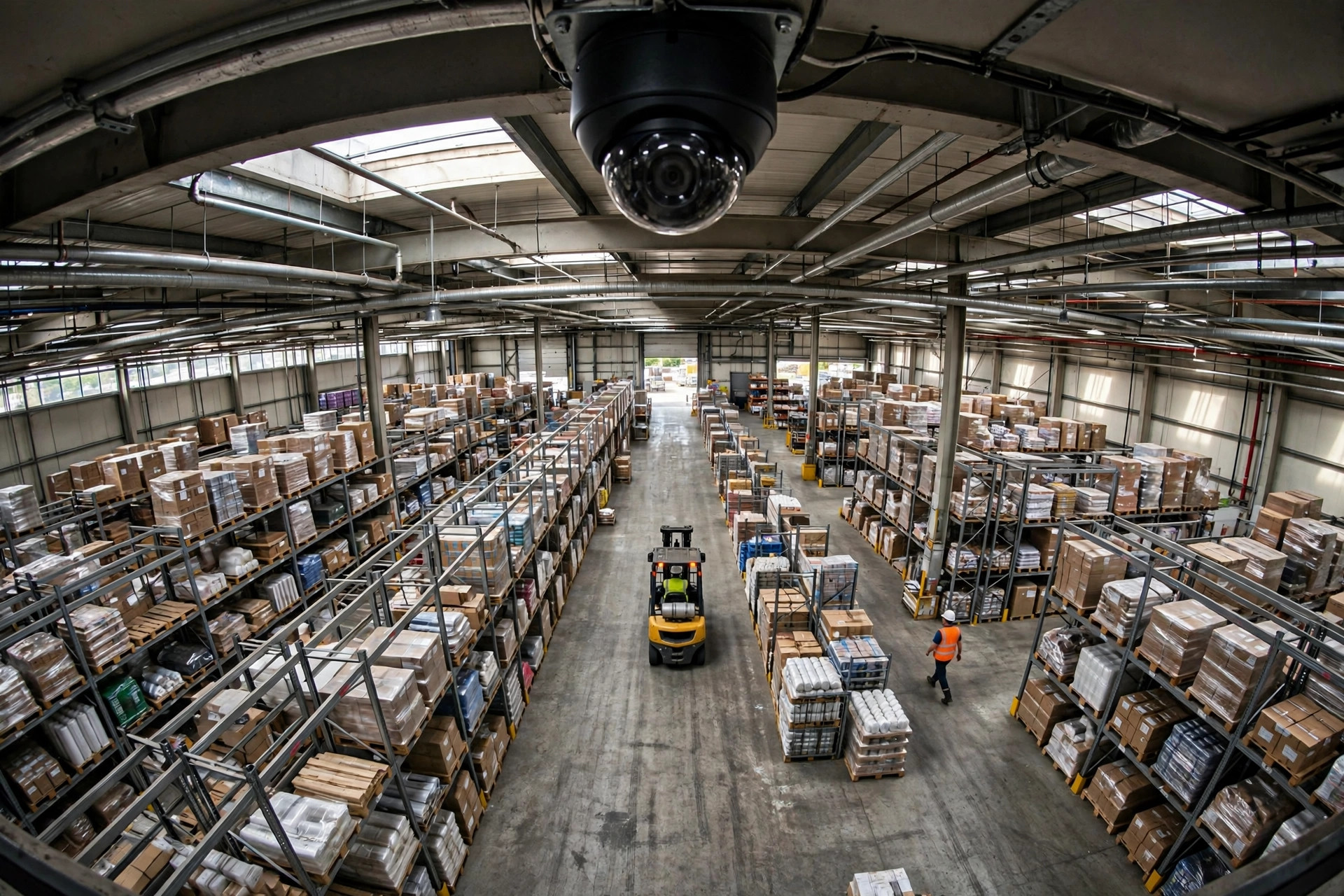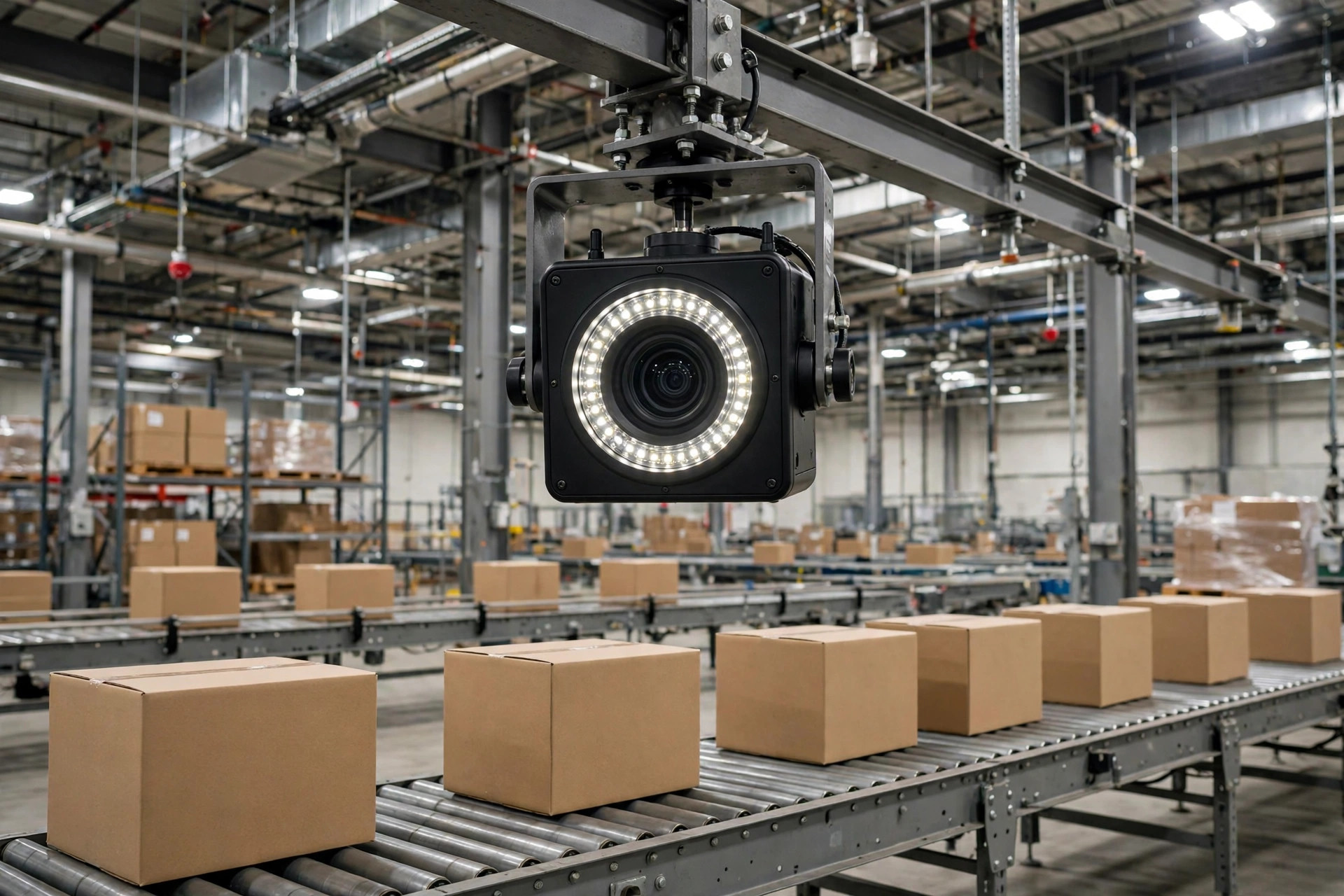
Last winter I walked an 800,000-square-foot e-commerce fulfillment center in the Inland Empire pushing about 20,000 units a day. The ops manager pointed at the vision-inspection rig at the end of the pack line and said, "Mi, I ran the numbers. The vendor promised 99.2% accuracy. This thing is costing me two extra headcounts a month."
He wasn't exaggerating. Three months of logs told the story: the system flagged 300-plus "suspicious" parcels a day, and the review crew opened every one of them — more than nine out of ten were false alarms. Meanwhile the real misses, parcels the system waved through that customers later complained about, climbed from a handful a week to double digits. Accuracy was still 99%. The bills kept growing.
What does "99% accurate" actually measure?
Here's my blunt take: as a standalone metric, "accuracy" is the most inflated number in the vision-inspection business. Full stop.
The math is embarrassingly simple. On a healthy pack line, 99.5% of parcels are fine to begin with. A system that learns exactly one trick — "approve everything" — scores 99.5% accuracy, beating the six-figure AI you just bought. What the accuracy number hides are the two numbers vendors never volunteer: how many good parcels got wrongly flagged (false positives), and how many bad ones slipped through (false negatives).
Run a quick thought experiment with me. Say you ship 10,000 parcels a day and 50 of them are genuinely defective. A system with "99% accuracy" can misjudge 100 parcels and still hit its number. If those 100 mistakes happen to include all 50 real defects, your expensive AI caught literally nothing — and the accuracy slide in the vendor deck still says 99%. This isn't a hypothetical gotcha; it's the base-rate trap, and it bites hardest exactly where defects are rare, which is precisely where warehouses live.
False positives burn labor. At that Inland Empire site, 300-plus alerts a day, each one requiring an open-check-reseal cycle of three to four minutes — two reviewers spent their entire shift on nothing else. That's 16 labor-hours a day. At prevailing California warehouse wages, you're quietly burning well over twenty thousand dollars a month — on a system wearing a "99.2% accurate" badge.
There's one more cost the quote never itemizes: inference cost per unit. Cloud GPU means per-call metering; an edge appliance means a capital hit plus a refresh cycle every few years. Volume dilutes it; without volume, the "labor savings" get eaten by compute. Fold that into your total cost of ownership before you sign, not after.
False alarms cost labor. Misses cost customers.
False positives and false negatives are a seesaw, and any buyer needs to accept that before signing. Loosen the threshold and false alarms drop while misses climb; tighten it and the review station drowns. The demo the vendor showed you was tuned to its prettiest threshold. In real life, the light changes, a new batch of cartons arrives with different print, and you're retuning all over again.
A miss that escapes costs an order of magnitude more than a false alarm. A wrong item shipped isn't just the cost of reshipping: there's the reverse-logistics leg, the customer-service ticket, marketplace penalties, and the conversion-rate hit from a bad review. Tens of dollars per incident, easy. Anyone selling on FBA knows the drill — one mispick tanks your account health, and the hours spent appealing it don't show up on any invoice.
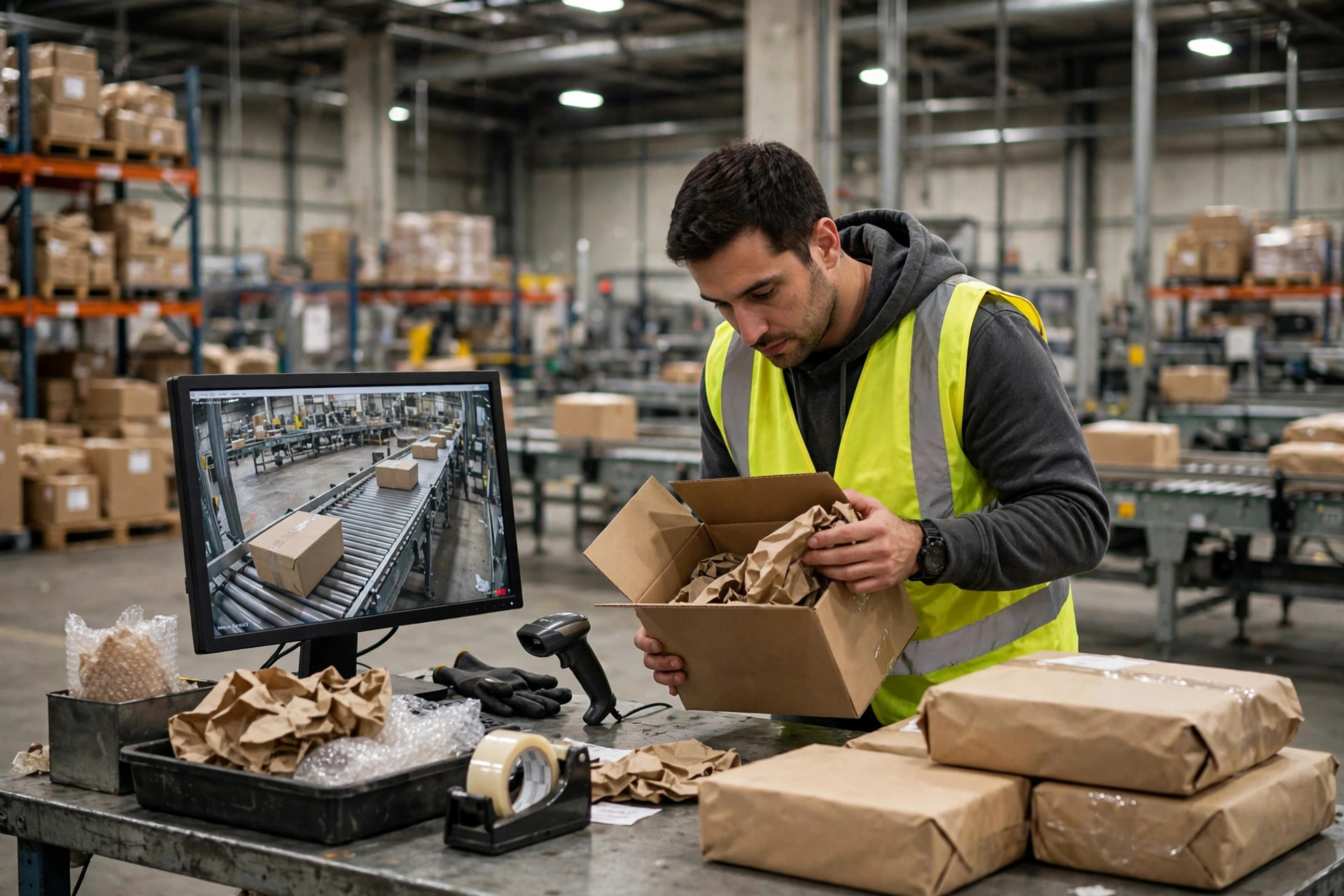
The nastiest killer is the third one: alert fatigue. A reviewer opens 300 boxes a day; by box fifty, every single one has been fine, so human instinct kicks in and the "approve" button starts getting hit on autopilot. At that warehouse, I eventually found the two reviewers were rubber-stamping alerts without opening a thing. The AI was effectively decorative. That's the most expensive failure mode there is: money spent, people hired, system dead on arrival.
When should you skip vision AI entirely?
Vision inspection AI isn't bad technology — its real-world entry bar is just wildly underestimated. In a few situations, my advice is simple: don't touch it yet.
First, warehouses with a wide SKU mix and packaging that changes often. The model recognizes what it has seen; the moment packaging gets a refresh, your false-positive rate takes off. From then on, someone has to keep feeding new samples and retraining — and that person's salary is never in the quote.
Second, lines with unstable lighting or inbound quality. A roller door opening and closing next to the conveyor turns the afternoon sun and a cloudy morning into two different worlds. During selection, ask the vendor one question: "How much does the false-positive rate drift when lighting conditions change?" If they can't answer, walk away.
Third, operations too small to feed the machine. At a few thousand units a day, even a 1% false-positive rate means a few dozen reviews daily — not enough to justify a dedicated head, and the shift lead can eyeball them anyway. The economics of AI are volume economics: without volume, there's no labor to save.
I've also seen it done right. A 3PL in Dallas runs vision inspection on just a dozen fixed SKUs whose packaging hasn't changed in three years. They ran a month in shadow mode and only went live once false positives were under 0.3%. The secret was one word: boring. The more boring the scene, the more reliable the AI.
So stop asking "what's the accuracy." Ask for four numbers instead: false-positive rate, false-negative rate, inference cost per unit, and robustness under lighting changes. Get all four in writing, and put them in the acceptance criteria.
One thing you can do tomorrow: if you're already running vision inspection — or evaluating it — run two weeks in "shadow mode." The AI flags, but nothing gets intercepted; humans work exactly as before. After two weeks, do three multiplications: false positives times review minutes converted to labor cost, misses times cost per complaint, minus the system's amortized cost. Positive or negative, you'll know. That's worth more than a hundred vendor slides.