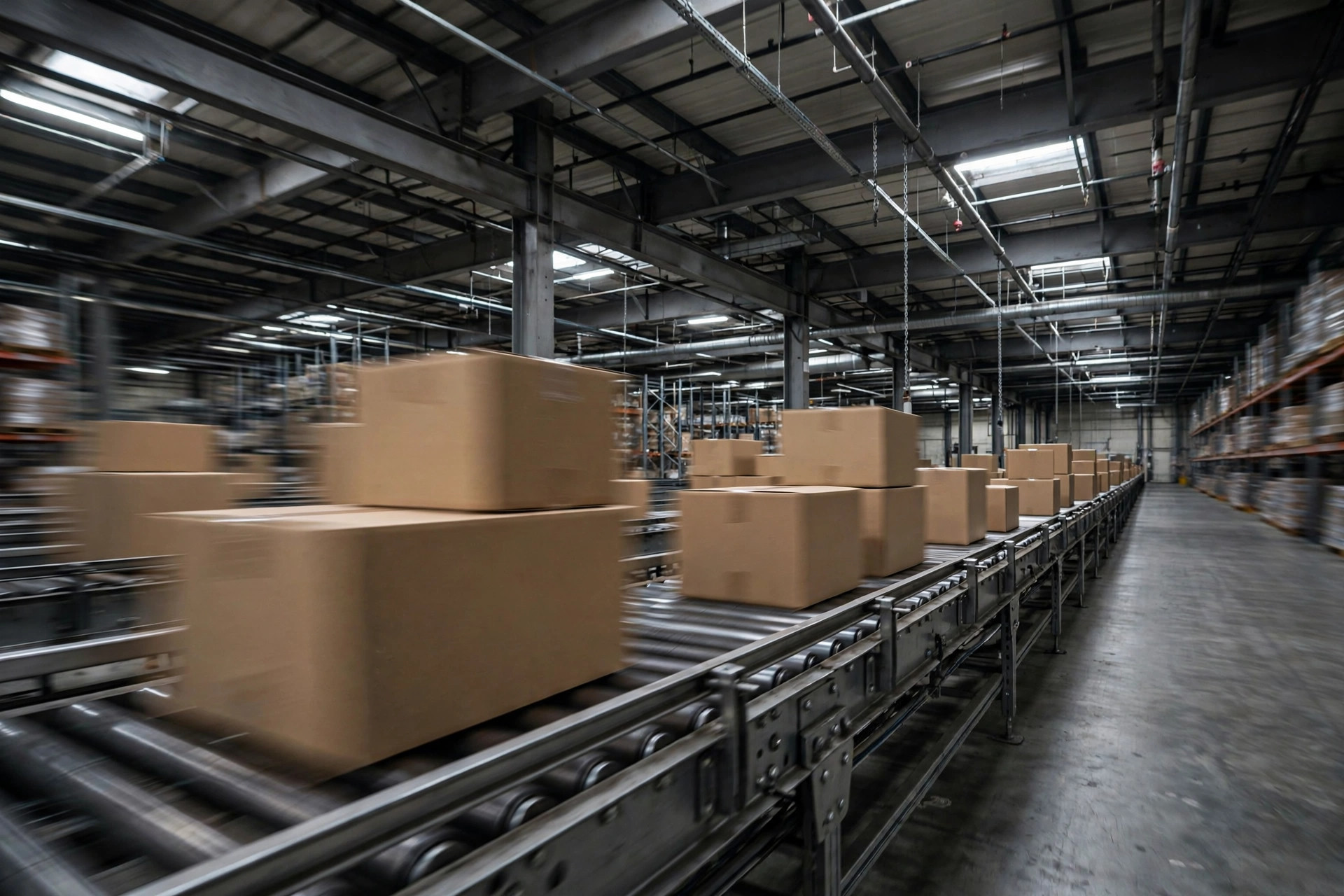
Here's my take after watching a vision-AI pilot run for three months at a parcel sort center: the value of AI jam detection was never about how accurately it sees. It's about how early it sees. A jammed conveyor is obvious to anyone standing next to it. The damage happens in the twenty minutes when nobody is standing next to it.
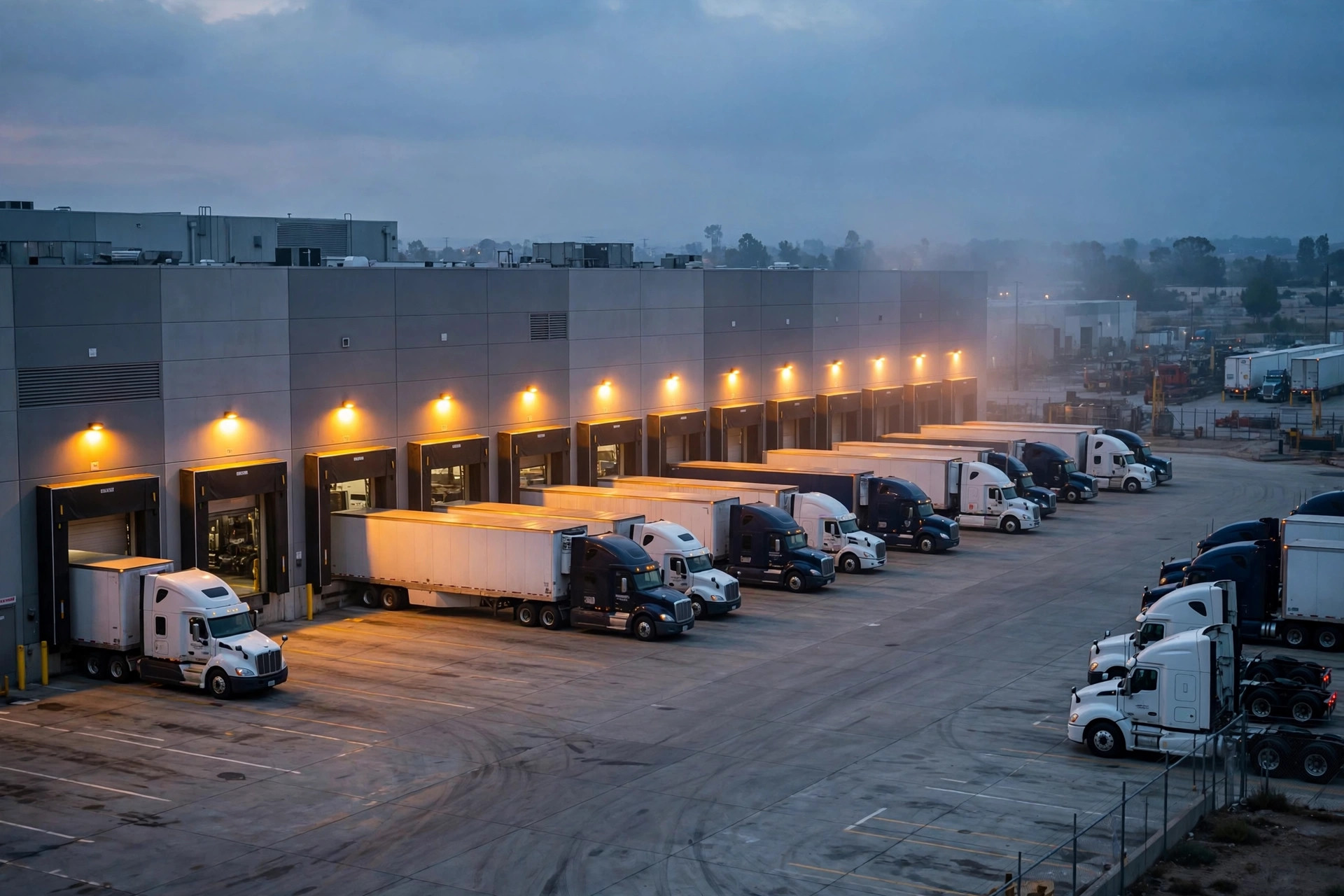
Fall of 2024. A 3PL sortation hub outside Fontana, California — about 180,000 square feet, deep into peak-season prep. On a night shift, a soft poly mailer slipped off a roller at a merge point and wedged itself between the belt and the frame. The line didn't stop. It kept feeding. That merge happened to sit behind a support column, out of sight, and the control screen showed everything green. More than twenty minutes passed before a supervisor walked the line and found parcels piled onto the floor — cartons crushed like dominoes folding backward, one box of glassware split open, a scan head knocked crooked. Stop the line, clear the pile, reset the equipment: the better part of forty minutes. That night's outbound plan was shot.
The facility later brought in a vision-AI vendor for a pilot. I visited twice. Here's the whole story — the process, the pitfalls, and the math.
Where You Mount the Camera Matters More Than What It Costs
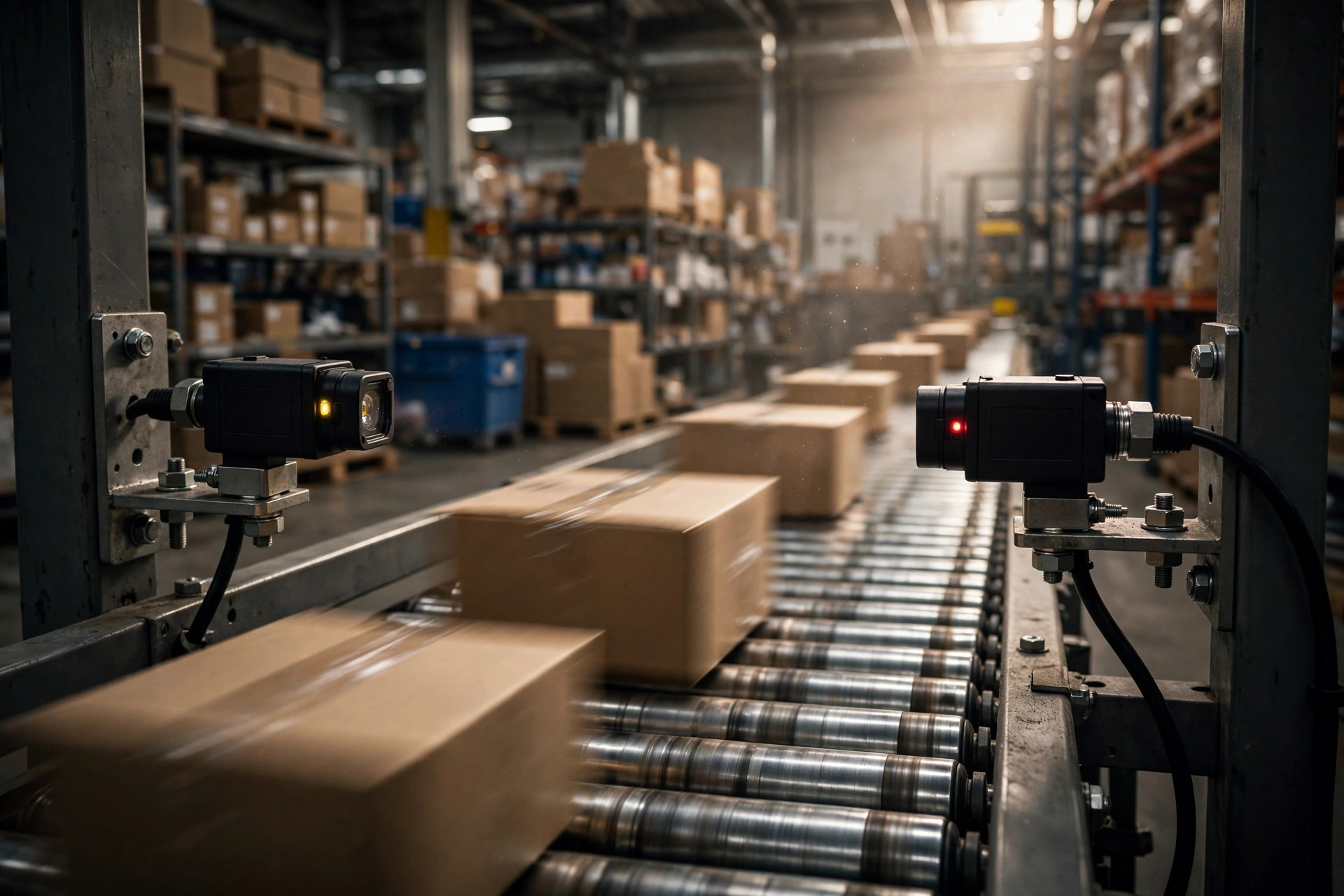
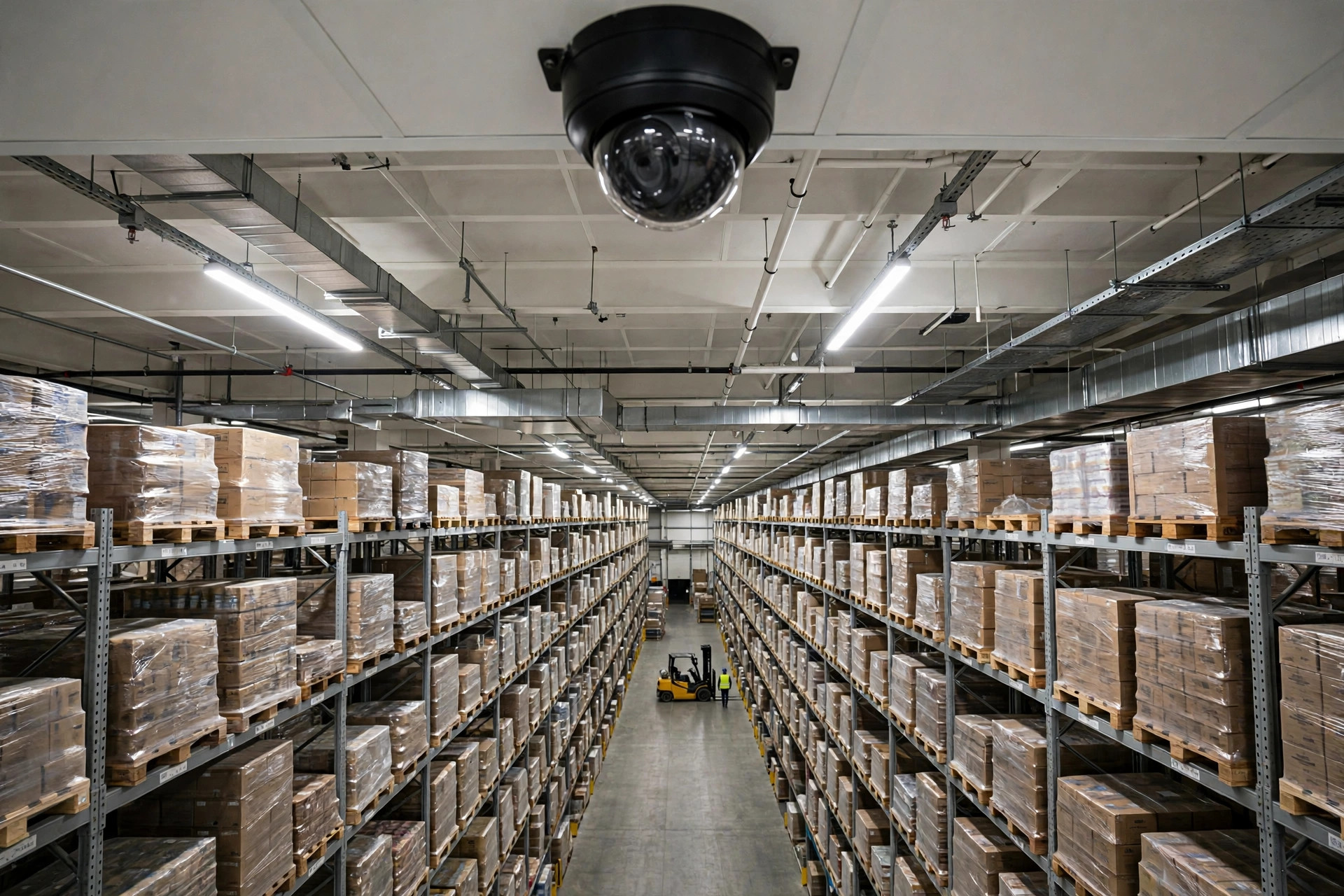
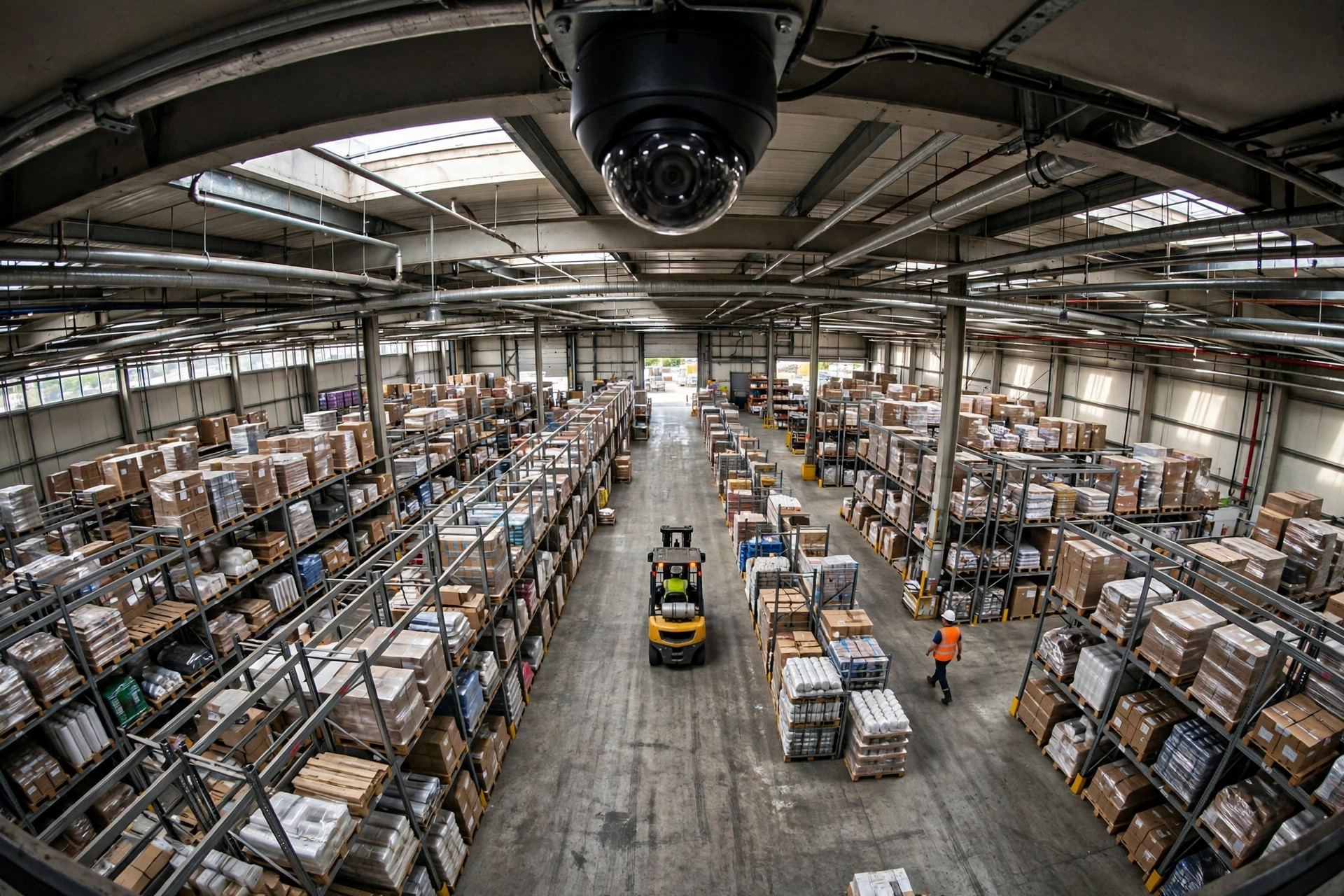
The pilot used exactly six cameras, and every position was picked from two years of jam logs. Two at the merge points where the main lines feed the sorter — historically the worst jam spots. One at the top of the incline, where parcels tip over the crest and get wedged. Two above the sort chutes, watching for parcels stuck in the chute that never drop. One more at the sorter induction, just to confirm inbound flow looked normal.
Not a single camera went into a "convenient" spot. They all went where jams had actually happened. Mounted a little over two meters up, looking down at roughly 45 degrees. Why not side-mounted? Because from the side you can't tell how many layers deep a pile is. Why not straight overhead? Steel beams get in the way. Forty-five degrees was the compromise they arrived at by trial and error.
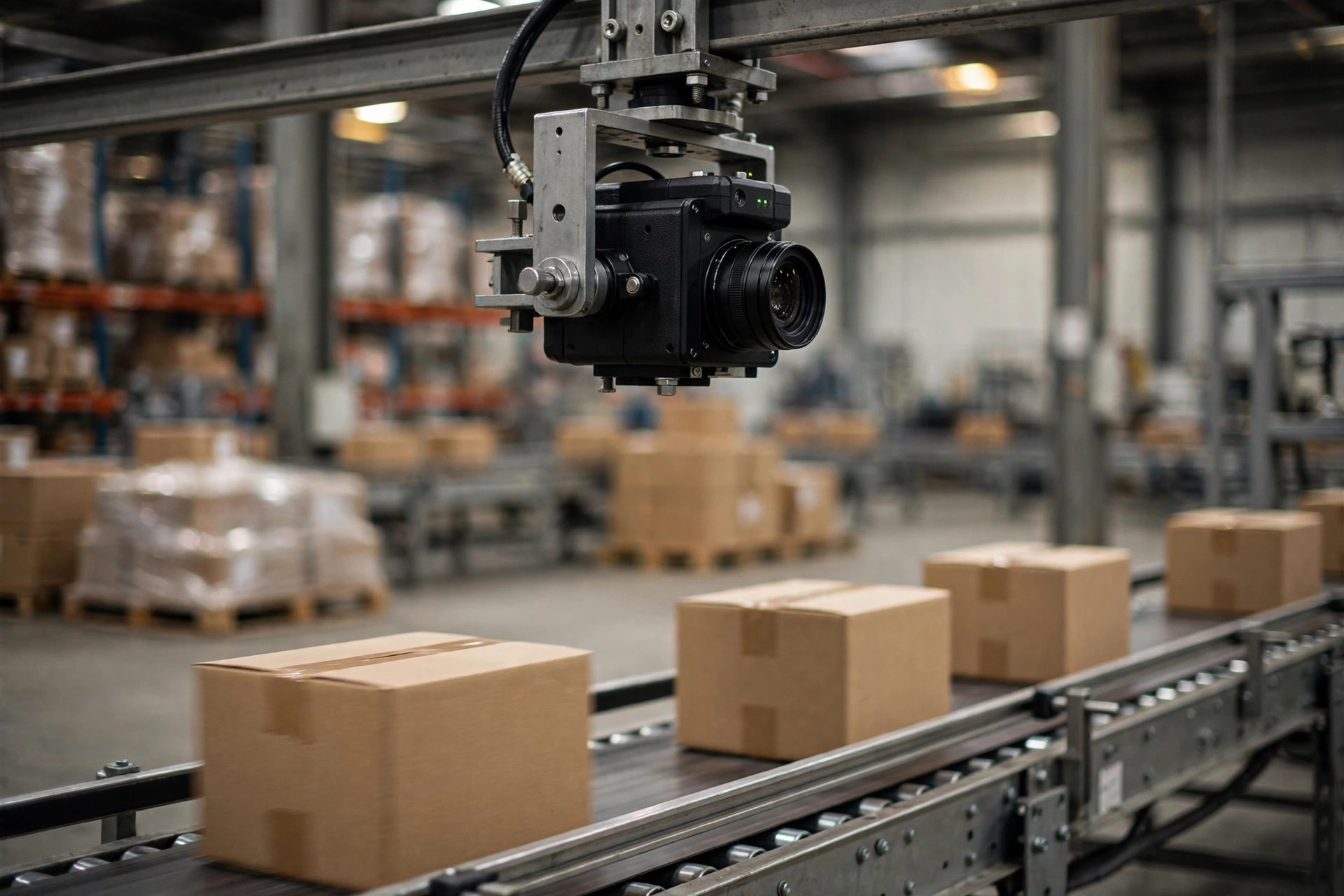
The hardware was deliberately boring: industrial area-scan cameras paired with an edge-compute box, running on site, no server room required. The model did exactly one thing — watch whether product was moving. No displacement for a set number of seconds, raise an alarm. That's it. Resist the temptation to make it read labels and identify SKUs on day one. Get the single job of jam detection right first. The fewer jobs you give it, the fewer ways it can fail.
One more trade-off worth calling out: when the alarm fires, should the line stop automatically? The pilot started with auto-stop wired in. One false alarm, the whole line emergency-stops, and the operators hated the system more than they'd hated the jams. They switched to alarm-only with human confirmation before any stop. My rule of thumb: until your false-alarm rate is down to single digits per day, don't touch automatic stops. Let the AI be a lookout first, not a commander. That's how you survive the early phase of any warehouse AI rollout.
How Lighting Wrecked Our False-Alarm Rate
Week one of the pilot, the system threw dozens of false alarms a day. By day three, the operators had muted it. This is the part nobody puts in the sales deck: an alarm nobody listens to is the same as no system at all. So the first month of the pilot wasn't really about tuning the model — it was about crushing false alarms. Three specific traps:
Lighting was the sneakiest. The building has high side windows, and on clear afternoons the sun slants across the belt, throwing slow-moving bright patches onto the rollers. The model read those as moving product — or worse, shadows masking a genuinely stopped parcel. The fix was gloriously low-tech: hoods over every camera, and the alarm logic changed from single-frame judgment to "no displacement for N consecutive seconds." False alarms dropped by more than half overnight.
Reflective packaging was trap number two. Laminated cartons and bubble mailers flash under the lights, and the flicker made the model jumpy. The fix: lock the exposure, and track contour displacement instead of brightness changes. Glare all it wants — if the outline isn't moving, nothing is moving.
Odd-shaped items were the third. A collapsed poly bag lying flat on the belt keeps changing shape, and the model couldn't decide whether it was moving or not. The answer was to carve out a zone for that product type and dial the sensitivity down. Better to miss one real event than to cry wolf twenty times a day.
End of the story: false alarms went from dozens a day to single digits, and only then did the operators unmute the sound. Remember the order — suppress false alarms first, talk about accuracy second. Reverse the order and the pilot dies.
What Twenty Minutes of Downtime Really Costs
Time for the math. At peak, that main line moves several thousand parcels an hour. Twenty minutes down means well over a thousand parcels backing up upstream. The backlog itself isn't the killer — the cascade is. Manual sort stations upstream stand idle with nothing to work, the load-out positions downstream spin empty, and the productivity of the entire line falls off a cliff. One small jam scrambles the rhythm of half a shift. Catch it during an outbound window ahead of a big sale, and "twenty minutes" doesn't begin to describe the cost.
The six-camera pilot, hardware plus integration, cost roughly what a mid-range pickup truck costs. For a main line that can't afford to stop in peak season, that's easy math. But here's my verdict, and I'll say it plainly: if your building ships fewer than a few thousand orders a day, don't bother. Your line jams once or twice a day, someone pokes it loose with a stick in two minutes, and a camera system just gives you one more thing to babysit — plus one more person to watch the alarms. For jam detection, scale is a hard gate. Below it, the ROI is negative.
So when is it worth doing? If two of these three are true, it's worth a conversation. One: a single line going down for twenty minutes genuinely hurts. Two: you have jam history and you know exactly which segments are the repeat offenders. Three: someone on your team is willing to spend two weeks on site tuning with the vendor. That third one gets skipped the most — and without it, the lighting and glare traps never get cleared. A vendor once told me something honest: their model is perfect in the lab and entirely dependent on field tuning once it's inside a warehouse. Any vision-AI vendor who promises "plug and play, no tuning needed" has just told you everything you need to know about them.
Here's the actionable version: start the pilot on the single worst jam segment, not the whole line. Merge points, incline crests, chutes — mount there first and run it for a month. The facility I watched did something worth copying: five minutes every morning, the early shift reviewed the previous day's alarms, flagged the false ones, and sent them to the vendor for tuning. Within a month, false alarms were down to one every couple of days — and the system caught four real jams, one of them at 3 a.m. with a single person on shift. Without it, that pile would have grown until sunrise. Numbers look good, expand. Numbers don't, walk away with a contained loss. In warehouse AI, the first step is always a small pilot, never a full-building rollout.