Let me be blunt: plenty of sellers will haggle a Vietnam coffee price down to the cent and then trust the origin warehouse on a supplier's word that everything is "taken care of." Then the cargo reaches Ho Chi Minh Port, moisture fails inspection, bags come back damp, and the consolidation paperwork does not match the goods. At that point every fix comes out of your pocket. Nobody watches the origin warehouse for you unless you do it yourself.
I am not an origin warehouse expert. I am a seller. So I judge an origin warehouse by three questions only: how was the coffee actually stored at the dry mill, what was inspected before it left, and can the paperwork be matched bag by bag when it consolidates at the port? If a supplier cannot answer all three, I do not scale the order, no matter how good the price looks.
Vietnam Coffee Export Warehouse Storage Starts With Moisture
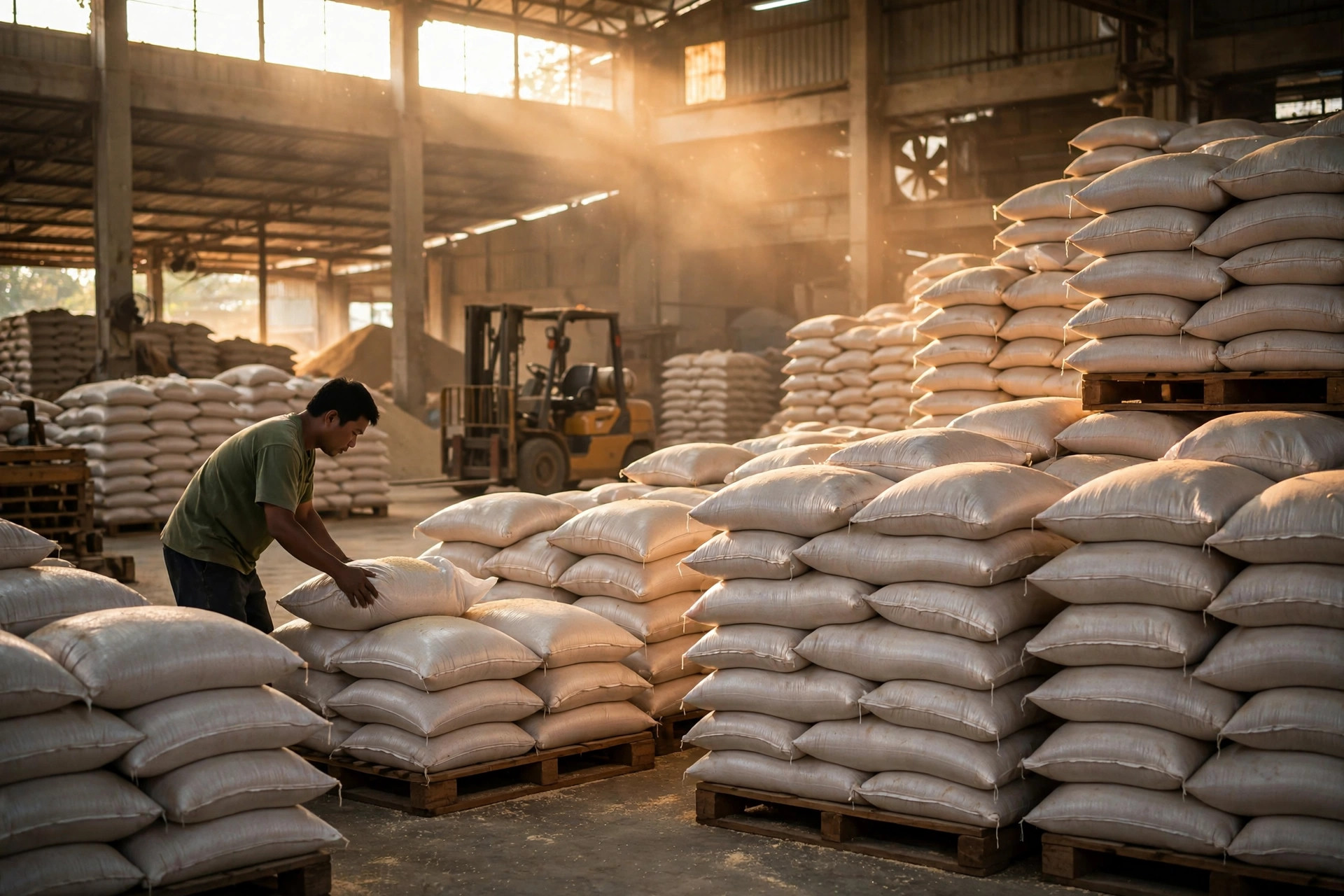
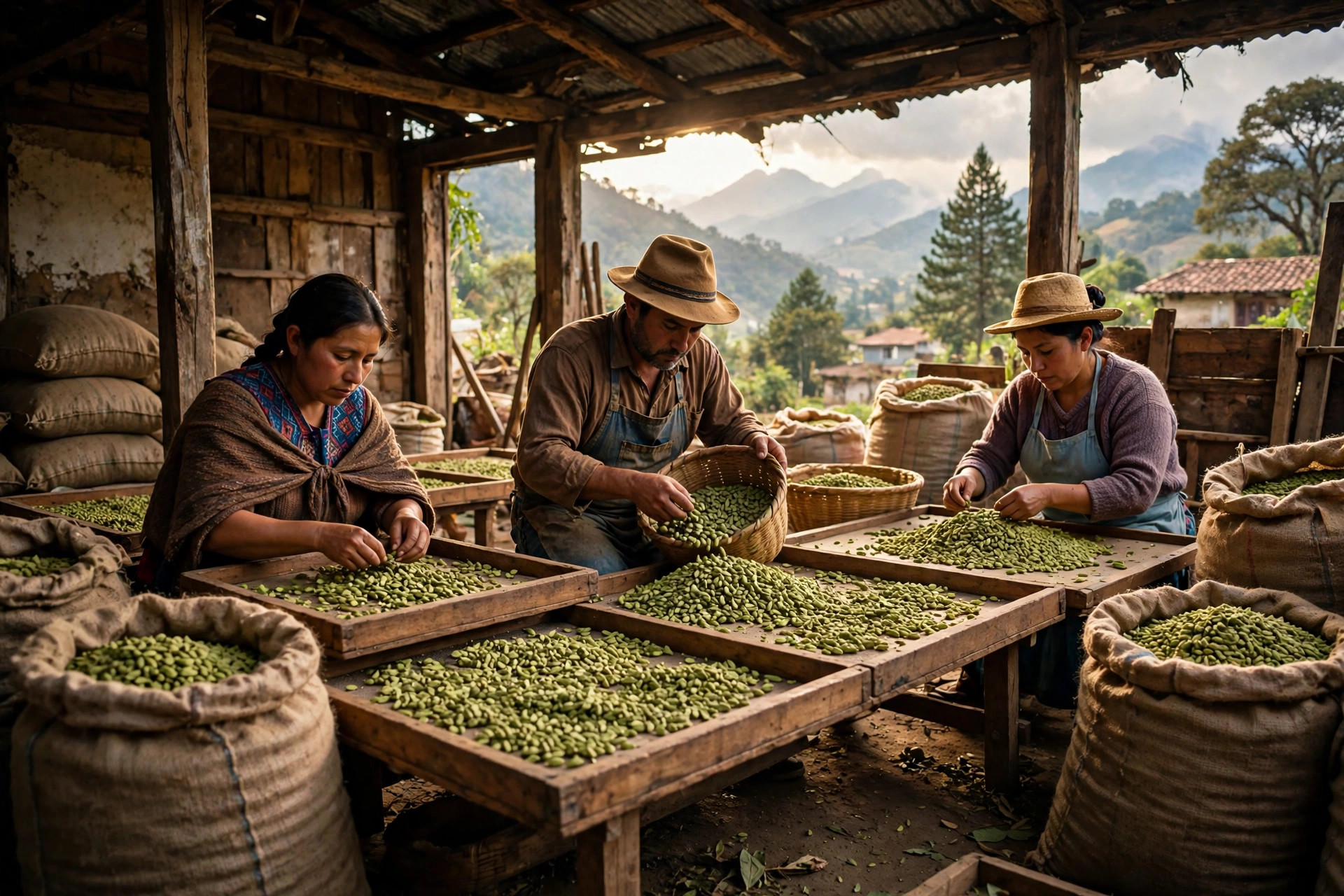
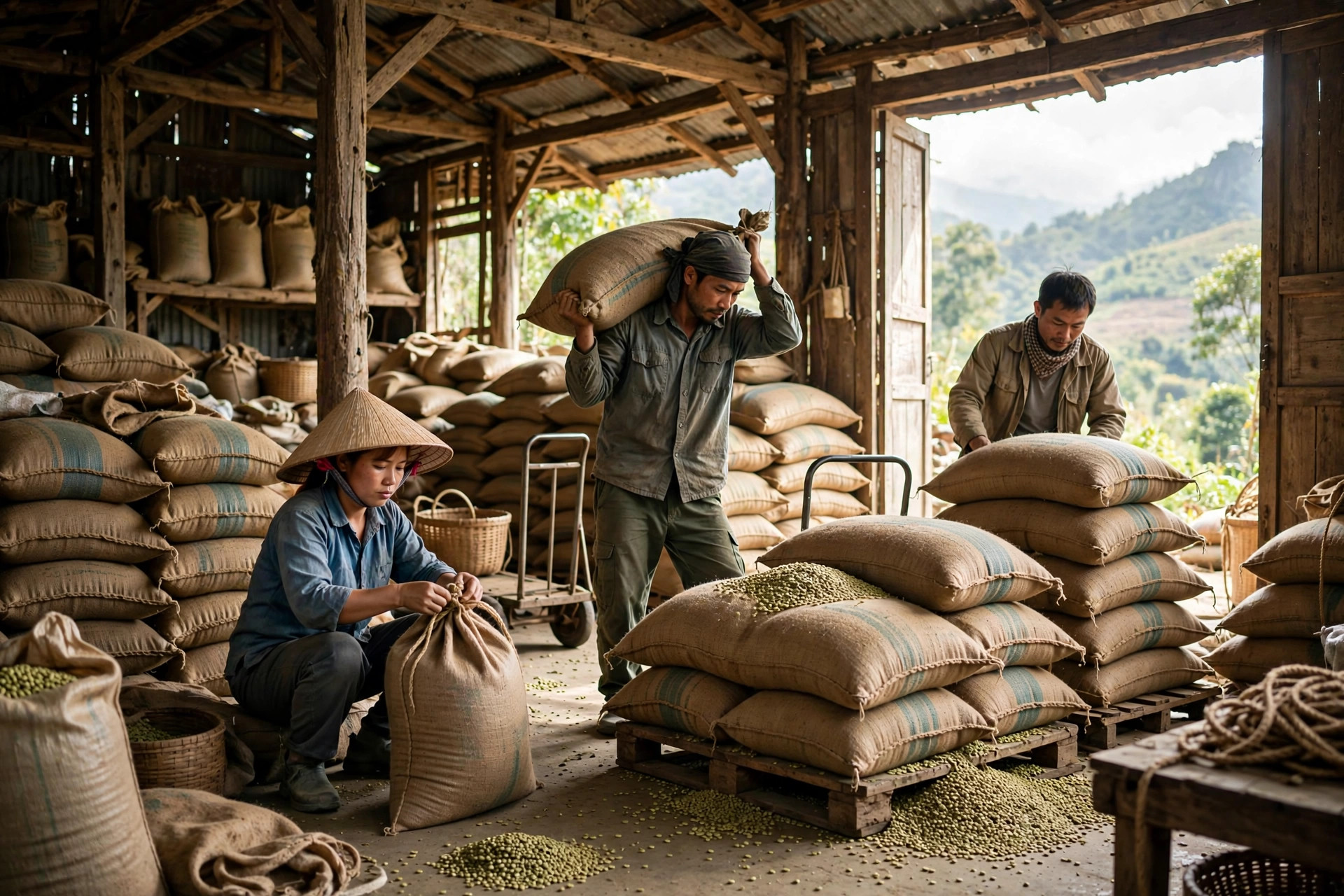
Vietnam's coffee heartland sits in the Central Highlands, in Dak Lak, Lam Dong, and Gia Lai. After harvest and hulling, beans spend time in dry-mill storage before they ever see a ship. That waiting period is the risk. Highland rainy-season humidity creeps into jute bags stacked on concrete floors, and beans that look dry on the surface can be going musty in the middle of the stack.
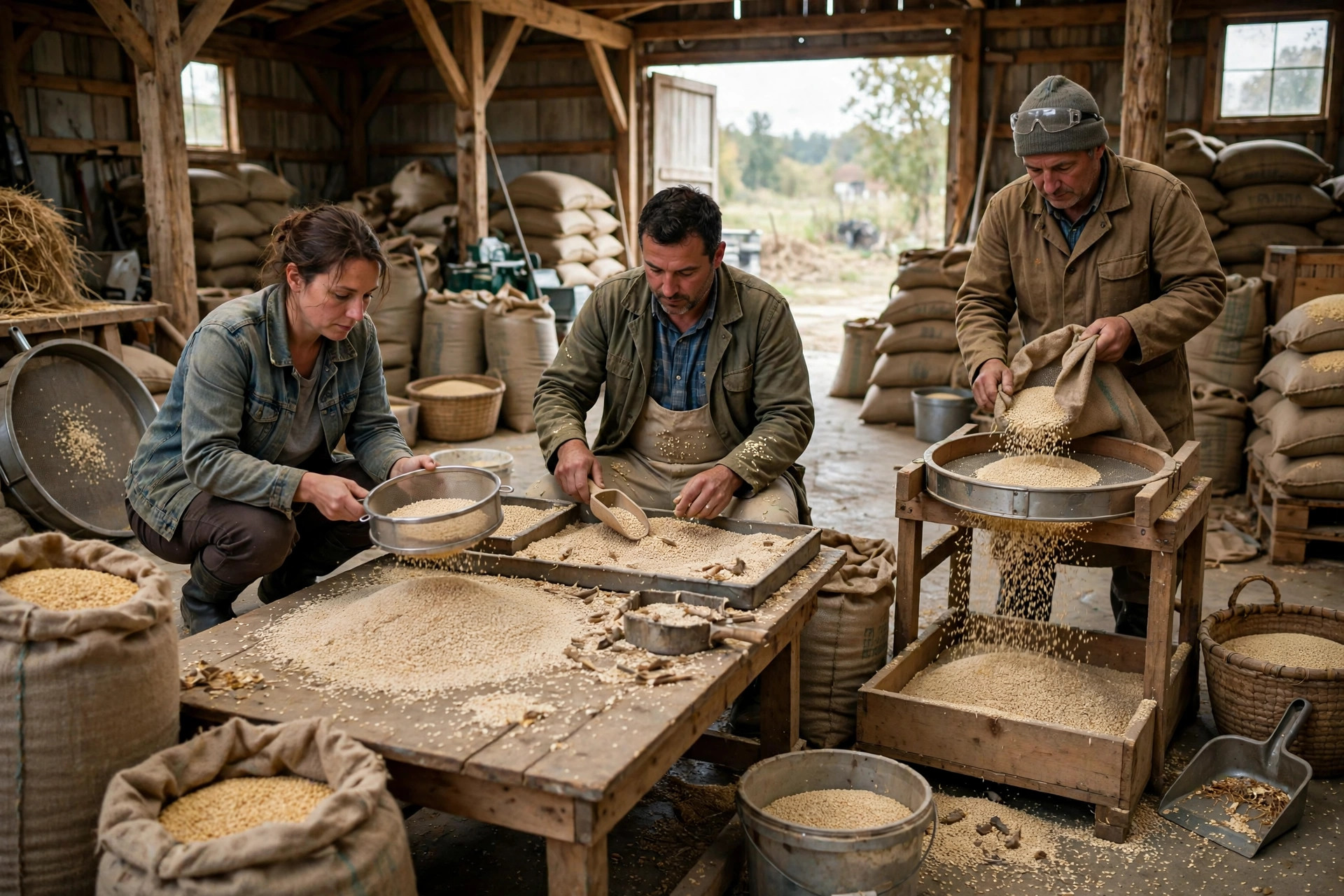
A seller friend of mine learned this the expensive way last year. He bought from a dry mill in Dak Lak, the contract included freshness terms, and the mill said liner bags were used. Before consolidation at Ho Chi Minh Port, his pre-shipment moisture check failed. The whole lot went back for re-drying and re-screening, and he missed his sailing. The drying labor was not the painful part. The missed sailing and the blown delivery date with his destination customer were. After that, he changed his process in two ways: he names his own third-party moisture re-check before dispatch, and he requires the mill to photograph each liner seal, filed by batch number.
Here is the counterintuitive part: a liner is not better simply because it is thicker, and slipping a bag inside one does not finish the job. The value of GrainPro-style liners and Ecotact-style solutions is a complete seal plus batch traceability, not the price of the bag itself. A seal that was never fully closed, or a bag that was opened and resealed, gives you almost nothing. When you write freshness terms into a long-term contract, do not just write "use liners." Write down who re-checks, how many times, and what happens when a check fails. The more specific the clause, the shorter the argument later.
The Consolidation Math in Vietnam Coffee Export Warehouse Storage
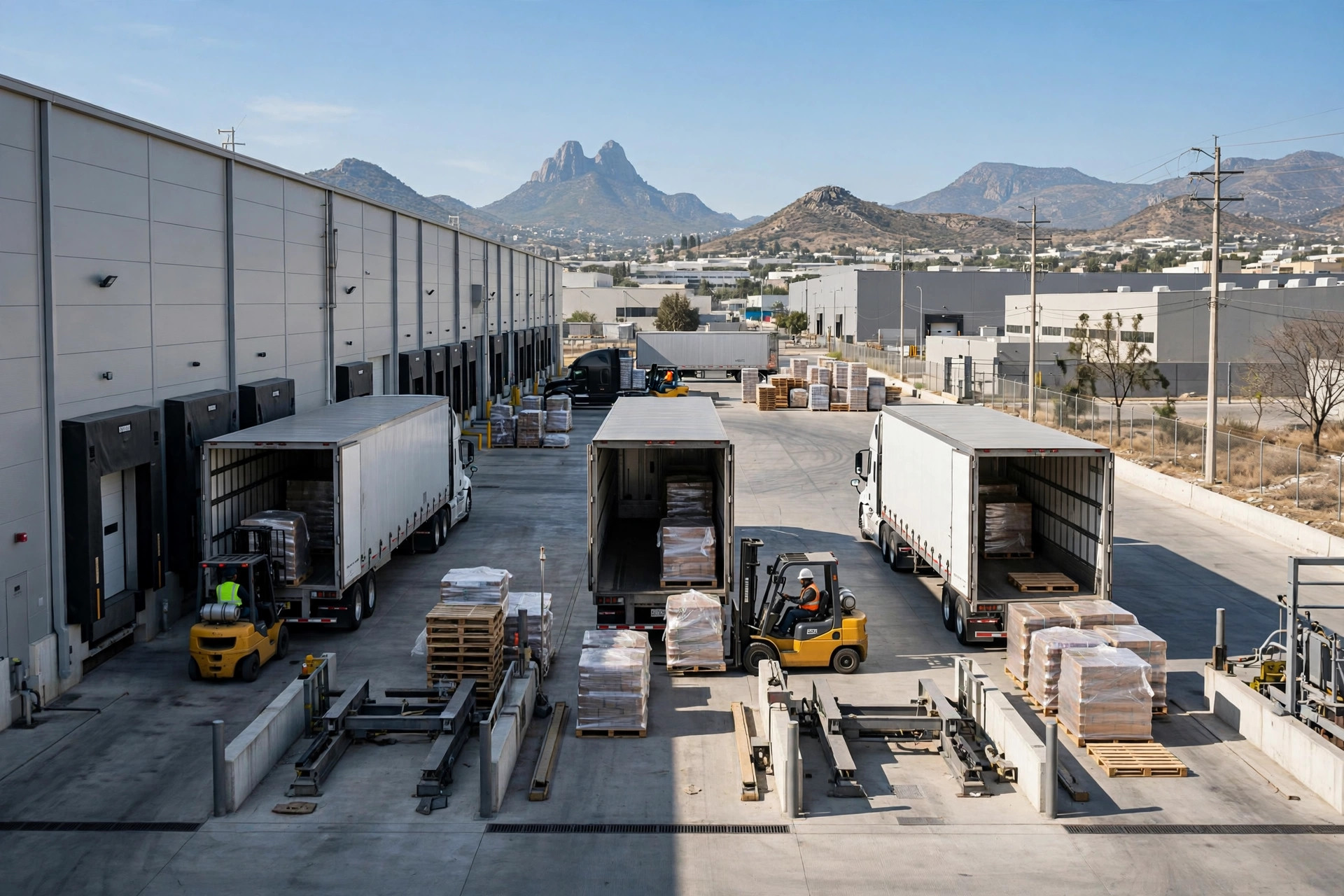
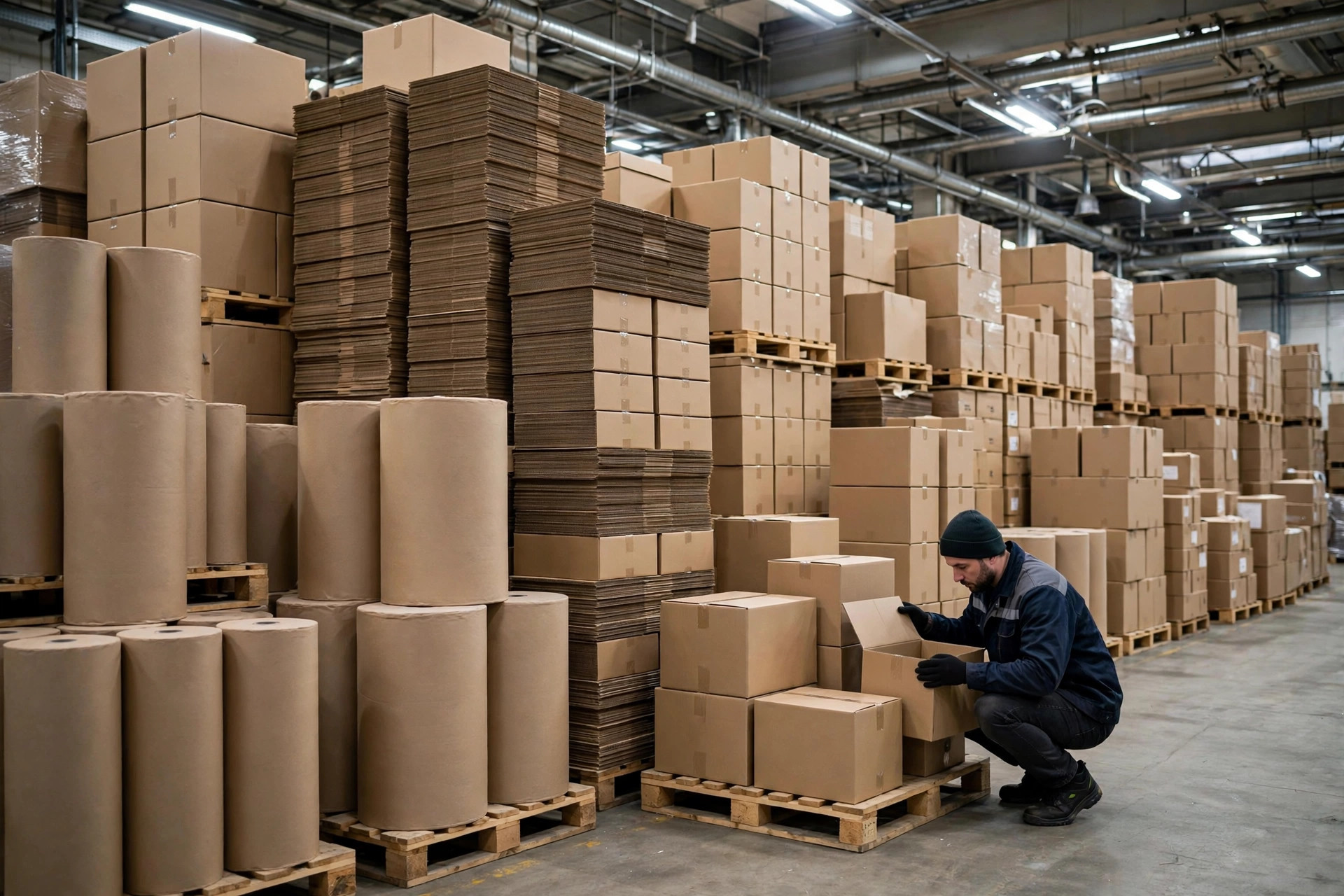
Consolidation is friendly to small and mid-size sellers because it lowers the minimum order. But the warehouse math behind a consolidated shipment cannot stop at the freight line. Your coffee shares temporary storage and a container with other people's coffee, so any mismatch in documents, batches, or marks can turn into inspection, devanning, and re-sorting charges that land on you.
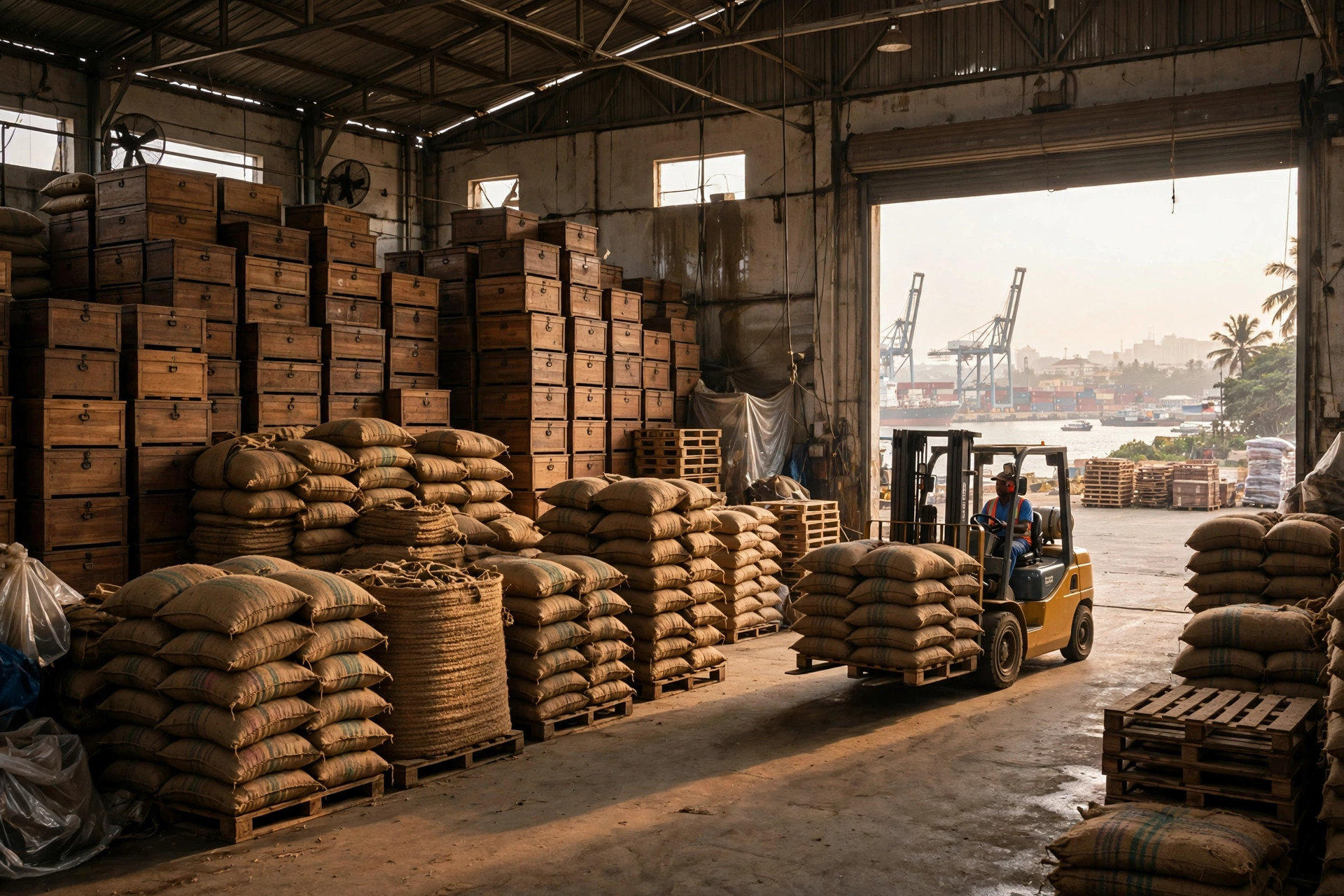
The classic trap is mixed batches in one container. Two origins and two batches go into the same box, they get stacked together in the consolidation warehouse, and the marks only show a generic description. At destination, the buyer opens the container and finds batches that do not match the sales contract. You cannot easily sell them and you cannot easily send them back. The fix is unglamorous but it works: separate stacks and separate marks by batch before the goods enter the consolidation warehouse, and write batch, bag count, and mark number on the warehouse receipt. At load-out, count against the receipt, and do not release a single missing bag.
Run the comparison before you book, the way I do:
| Factor | Full container | Consolidated |
|---|---|---|
| Minimum order | High, suits large orders | Low, suits small sellers |
| Batch control | One batch, one box, simple | Several batches, marks must stay separate |
| Document risk | Low | High, check documents against goods bag by bag |
| Schedule flexibility | Low, sails when full | Higher, but leave time for waiting and paperwork |
| Best for | Steady large orders | Trial orders, small lots, multi-origin buying |
Freight saved on consolidation is easily eaten by one rework or one inspection. Treat freight, port charges, and storage fees as figures to confirm against the latest official rates, not as numbers a forwarder quoted casually over chat.
My Pre-Shipment Checklist
The origin warehouse is far away, so inspection cannot run on trust. I run every lot through this list before dispatch, and if an item is missing, the mill fixes it or the shipment waits:
- A moisture re-check report after harvest and hulling, with report numbers matched to batch numbers.
- Liner seal photos showing the bag mouth, the seal strip, and the batch mark in the same frame.
- Instant-grind orders flagged separately: ground coffee has a shorter freshness window and should never ride in the same consolidation plan as whole beans without its own plan.
- A consolidation warehouse receipt listing batch, bag count, and mark number, signed at intake after counting.
- A second check before Ho Chi Minh Port covering moisture, bag condition, and marks. Any failure stops the load. Never discover the problem after the container is sealed.
There is one trade-off worth thinking through honestly: hold the coffee longer at origin to fill a container, or ship sooner to protect freshness? When bean condition is uncertain, I would rather pay a little more temporary storage at the consolidation warehouse than push unchecked goods into a sailing schedule. Storage cost is visible. Mold loss is invisible until it is much bigger.
This one I have personally tested and it works: a re-check at dispatch plus a re-check before the port, with consolidation documents counted by batch. That combination removes most of the origin warehouse risk on Vietnam coffee. The origin warehouse is not your supplier's backyard. It is your first quality gate, and you should treat it that way.
By Ah K, E-commerce Seller (5 yrs)