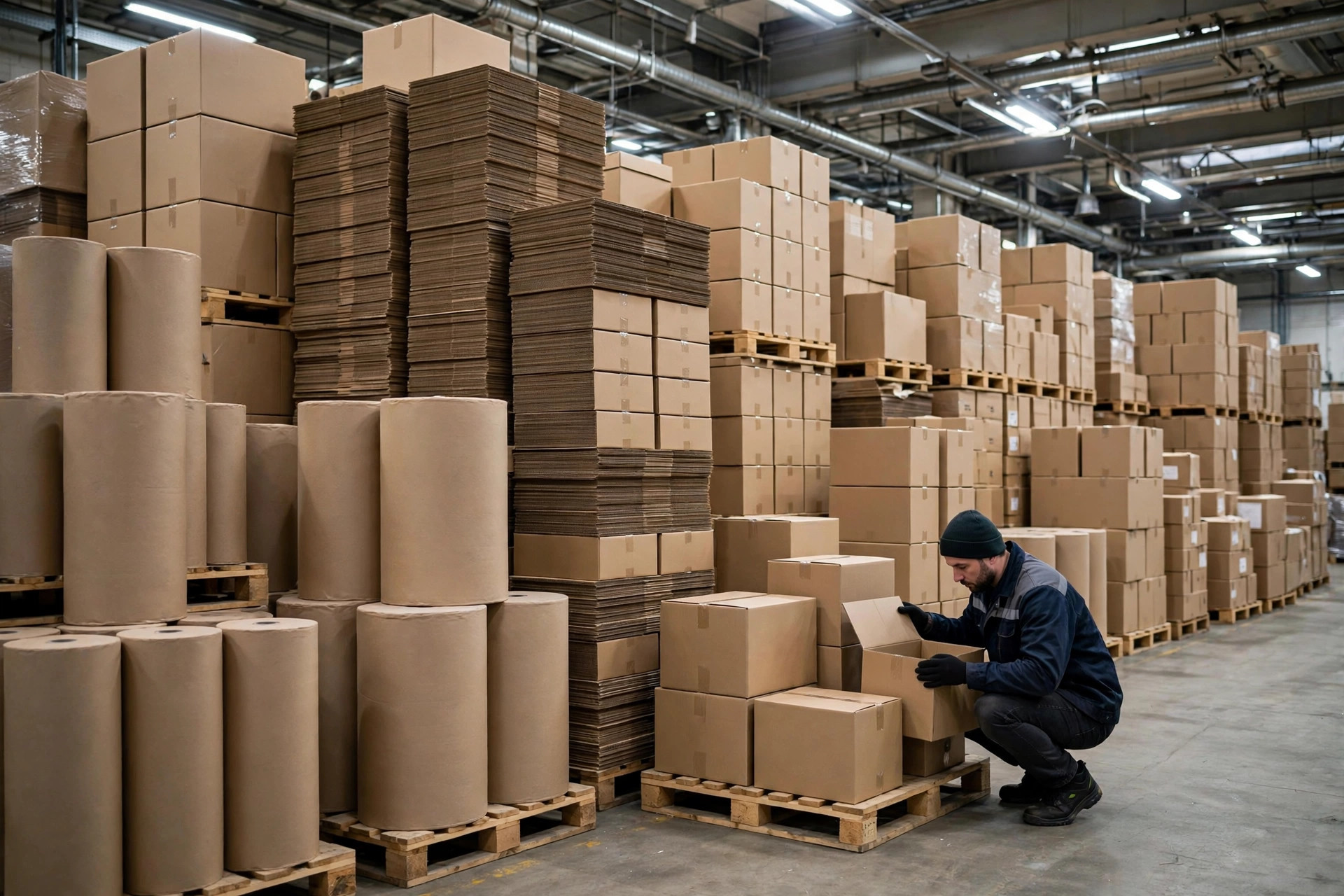
Let me be blunt: a paper products warehouse is not a general warehouse with paper in it. It is a different animal, and it will punish you in exactly two ways. Paper that gets damp is not discounted stock; it is waste. Paper that catches fire does not leave you something to salvage; it leaves you an empty building and an insurance fight. Everything else in this business is negotiable. These two bills are not.
I have watched too many operators put all their attention on purchase price and outbound volume while the building itself went unmanaged. Then the rainy season arrives, the bottom layer of cartons along one wall comes up wavy, and a customer rejects the whole shipment. Or the fire inspector walks through, finds sprinklers that cannot reach the top of the stacks, and hands over a correction list that reads like a second rent bill. Both losses were preventable. Both were cheaper to prevent than to absorb.
The moisture bill: water has four doors, not one
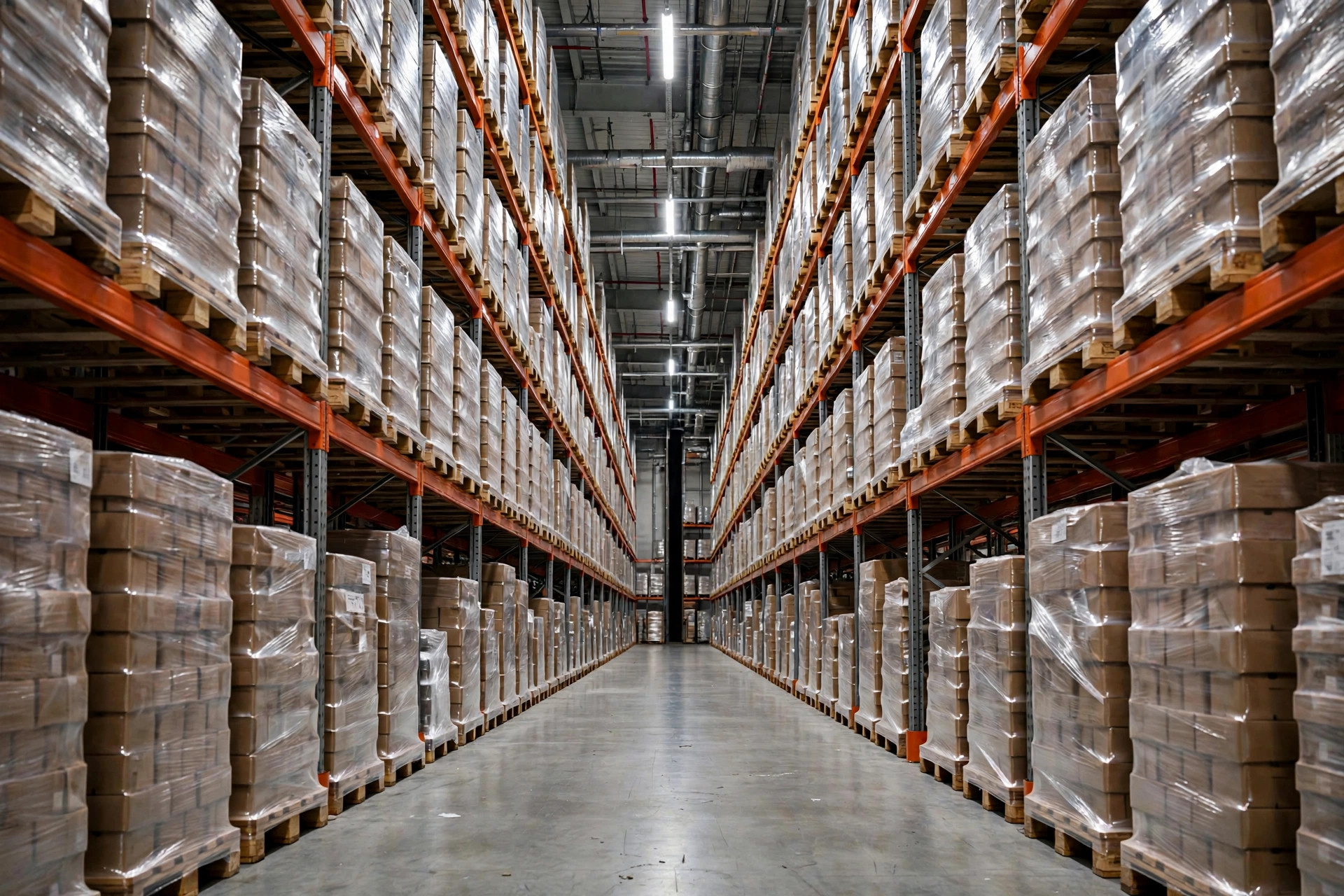
Here is a story from a paper distributor's warehouse in California, a little over 20,000 square feet, rolls and cartons stacked in perfect rows. The owner told me his moisture losses were under control until one rainy season, when the cartons against one wall came up with rippled bottoms. The roof had not leaked. The culprit was ground moisture rising through the slab plus condensation on a cold wall: cartons sitting directly on the floor and hard against the wall took the damage first.
Water reaches paper products through four routes: roof leaks, ground moisture, wall condensation, and rain driven in during loading and unloading. Moisture control is simply closing those four doors, one at a time, and then keeping them closed.
The practice is not complicated; the hard part is doing it every day. First, everything goes on pallets, at least a hand's height off the floor, with a walkable gap from the wall. The two extra pallets you gain by pushing stock flush to the wall are the first two pallets you will lose. Second, put a few inexpensive temperature and humidity gauges around the building, read them on the morning shift, and write the numbers down. When humidity crosses your red line, run the dehumidifiers then, not after the paper goes soft. Third, on rainy days, keep dock doors closed as much as possible, and if your canopy is too short, add a portable awning; the cost of one rain-soaked pallet buys several awnings. Fourth, inspect inbound packaging for water stains and mold spots, and segregate anything suspect with its own record instead of mixing it into good stock, where it will contaminate the whole conversation later.
There are two sides to this. Moisture control costs small money and daily attention, while a moisture loss costs the full value of the goods plus freight plus the customer's trust. The arithmetic is not close.
The fire bill: paper fire is faster and harder than you think
Paper fire has two characteristics that make it different from other warehouse fires. First, it spreads fast: paper has a huge surface area, it is light and dry, and once it takes hold, the fire moves faster than most people expect. Second, it is hard to put out properly, because a paper stack can smolder inside long after the surface looks wet, and re-ignition is a real risk.
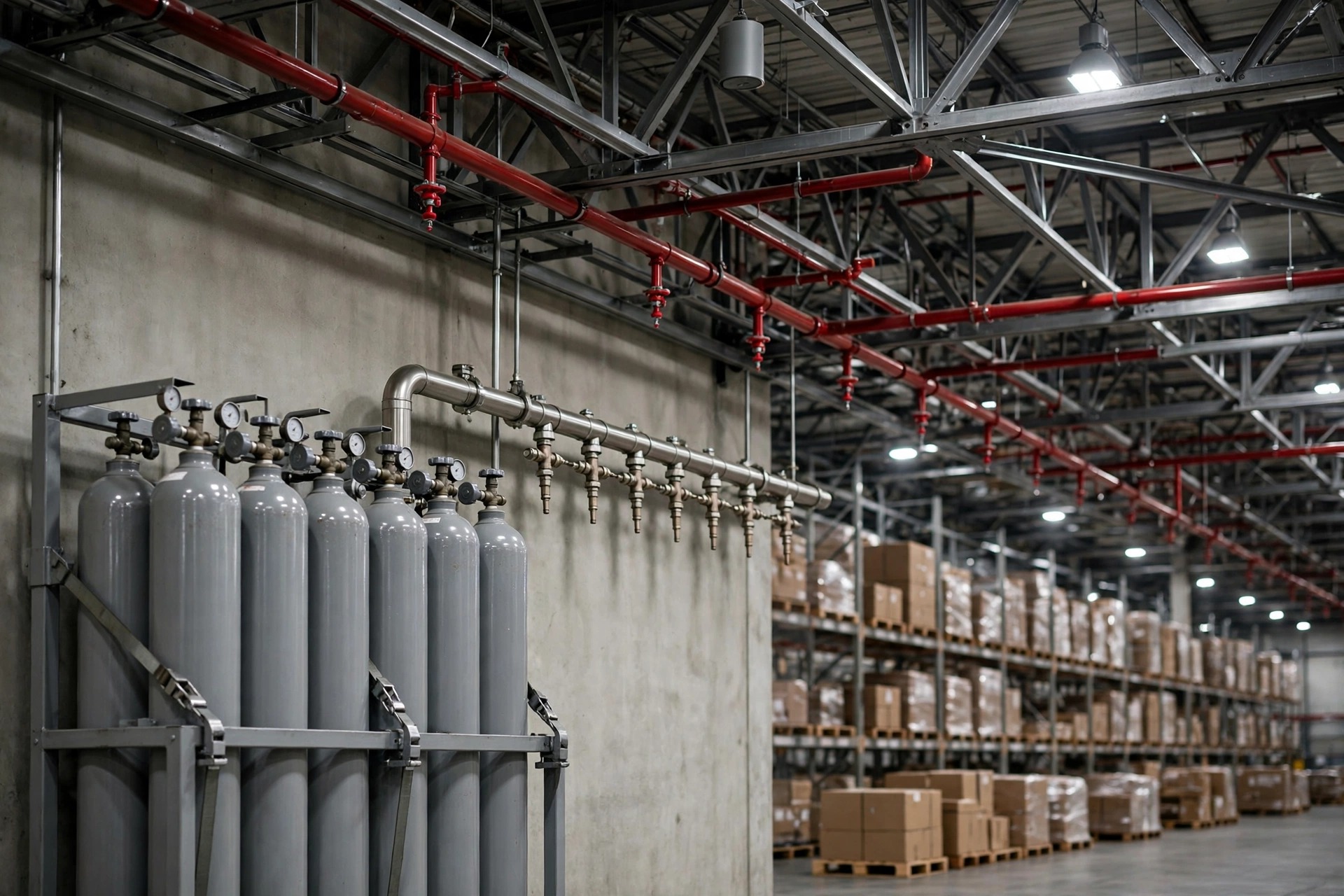
That is why fire protection in a paper warehouse cannot be copied from a general-goods standard. Stack height, spacing, and aisles are the first things a fire inspector checks. Do not stack above the height your sprinklers can actually reach; the top layer of an over-high stack is simply unprotected. Keep fire aisles clear between stacks; the extra stock you gain by blocking an aisle is the stock the fire crew cannot reach. On the electrical side, forklift charging areas, lighting circuits, and improvised extension cords are the usual ignition points in a paper building. Isolate the charging area and inspect circuits on a schedule. That money is not optional.
One more point that gets missed: dust. Cutting, unpacking, and picking generate paper dust that settles on light fixtures, motors, and rack tops. Left alone, it becomes fuel. Cleaning rack tops and fixtures on a schedule is unglamorous work, and it is exactly the work that saves buildings.
Paper warehouse storage checklist, posted at the door
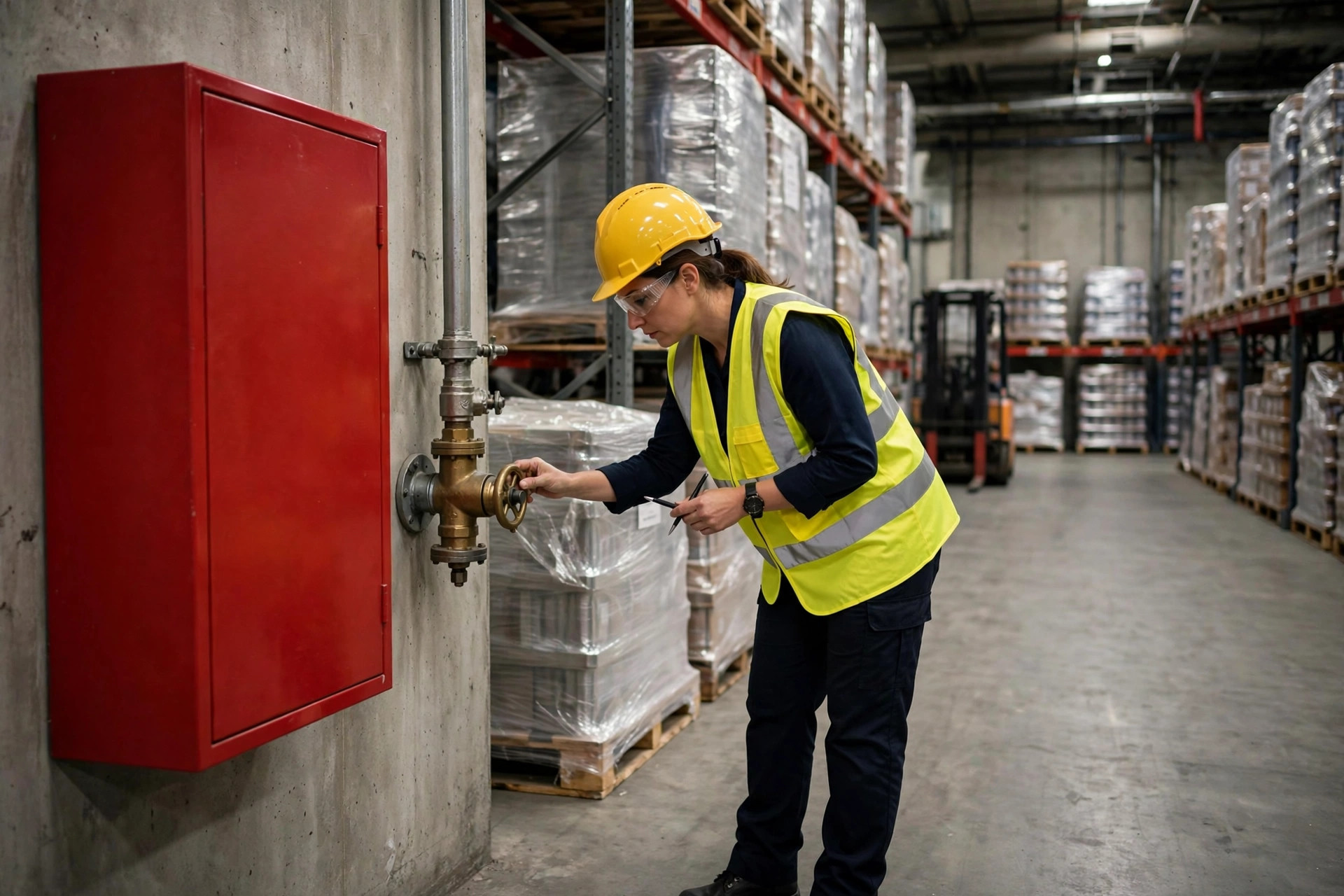
Roll all of this into a single sheet, post it at the warehouse entrance, and walk it every morning shift:
| Check | Pass standard | First action on failure |
|---|---|---|
| Off floor, off wall | On pallets, gap from wall | Move stock first, then log it |
| Temperature and humidity log | Daily record, action on red line | Run dehumidification, then find the water source |
| Stack height and aisles | Within sprinkler coverage, aisles clear | Lower stacks and clear aisles before adding stock |
| Charging and wiring | Isolated charging area, no improvised cords | Isolate power, then call for repair |
| Dust control | No buildup on rack tops or fixtures | Stop work, clean, then restart |
The sheet costs nothing. What costs money is the day nobody walks it. Most paper warehouse losses do not happen because nobody knew the rules; they happen because nobody checked that day.
Damaged stock: do not throw it away, and do not ship it quietly
There is one more mistake paper warehouses make constantly. When stock gets damp, the first instinct is either to throw it away or to mix it into good shipments and hope. Both instincts lose money.
The right move is isolate, then grade. Cartons with light damage confined to the outer box can be re-boxed and re-inspected, but only with a downgraded grade disclosed to the customer in writing. Paper that has wrinkled, molded, or lost its strength should not ship at all; a rejection costs return freight and handling on top of the goods, and it costs the relationship. Photographs of the damaged stock, the humidity log, and the inbound inspection sheet are the three pieces of evidence an insurer or carrier will ask for. If you do not keep them routinely, nobody will accept a reconstruction after the fact.
I have seen one warehouse handle this beautifully: a marked quarantine zone with a red sign, photographs and a disposal record for every damp lot. Customers who toured the building trusted that zone more than any sales pitch. The warehouses that hide their damp stock are the ones that get found out during an audit.
The verdict: do not run a paper warehouse like a general one
Here is my verdict. Do not run a paper warehouse to a general warehouse standard. In a general warehouse, damp stock can be dried and a fire leaves something to recover. In a paper warehouse, neither is true. So the money spent on moisture control and fire protection is not overhead in a paper building; it is part of the value of the goods themselves. Every dollar saved today on those two items comes back later as a lost shipment, a customer claim, or a fire penalty, with interest.
Tomorrow morning, walk your floor first thing. Check the bottom pallet against the wall for dampness, and check whether the fire aisle is blocked again. Those two checks cover most of what can go wrong in a paper warehouse today.
By Lao Mi, Supply Chain Veteran (20 yrs)