Start with the total, not the price tag. That is the whole discipline of a used warehouse automation equipment import, refurbished or not. The quote tells you what the seller wants. Refurbishment, certification, spare parts, downtime and resale tell you what the machine will actually cost. I have watched buyers celebrate a low purchase price and then spend the next year paying for it in instalments they never budgeted.
Every number in the worked examples below is a labelled hypothetical. Use the formulas, not the figures, as your template. Tariffs and certification fees change, so check the official source for the current policy before you commit to anything.
Used Warehouse Automation Equipment Import: Price the Whole Deal First
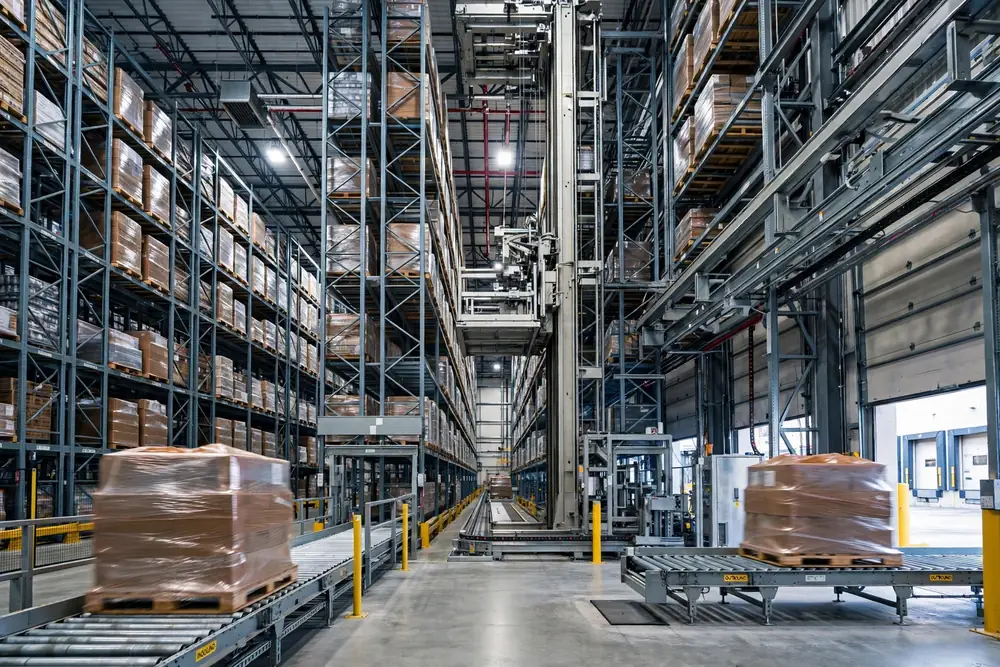
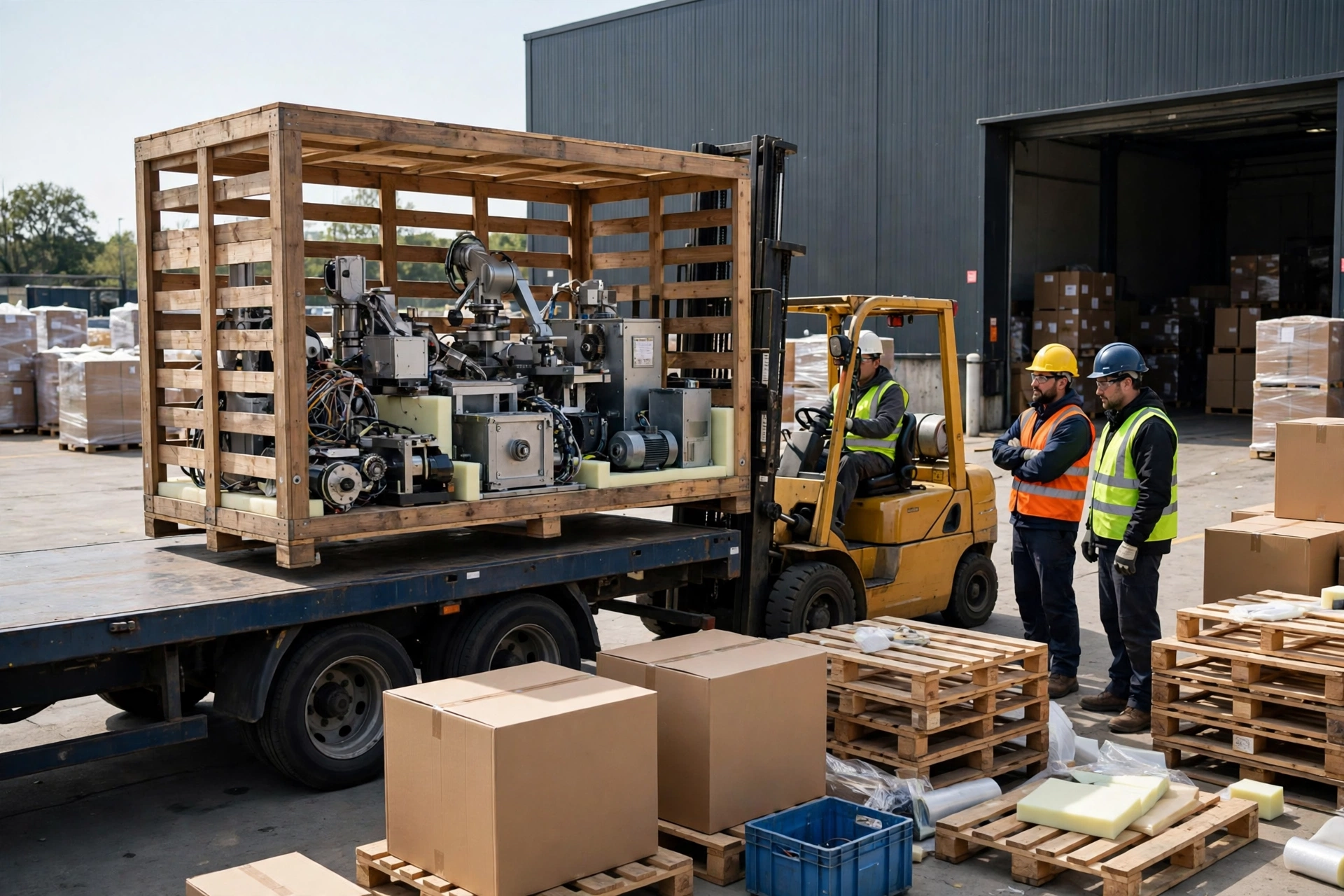
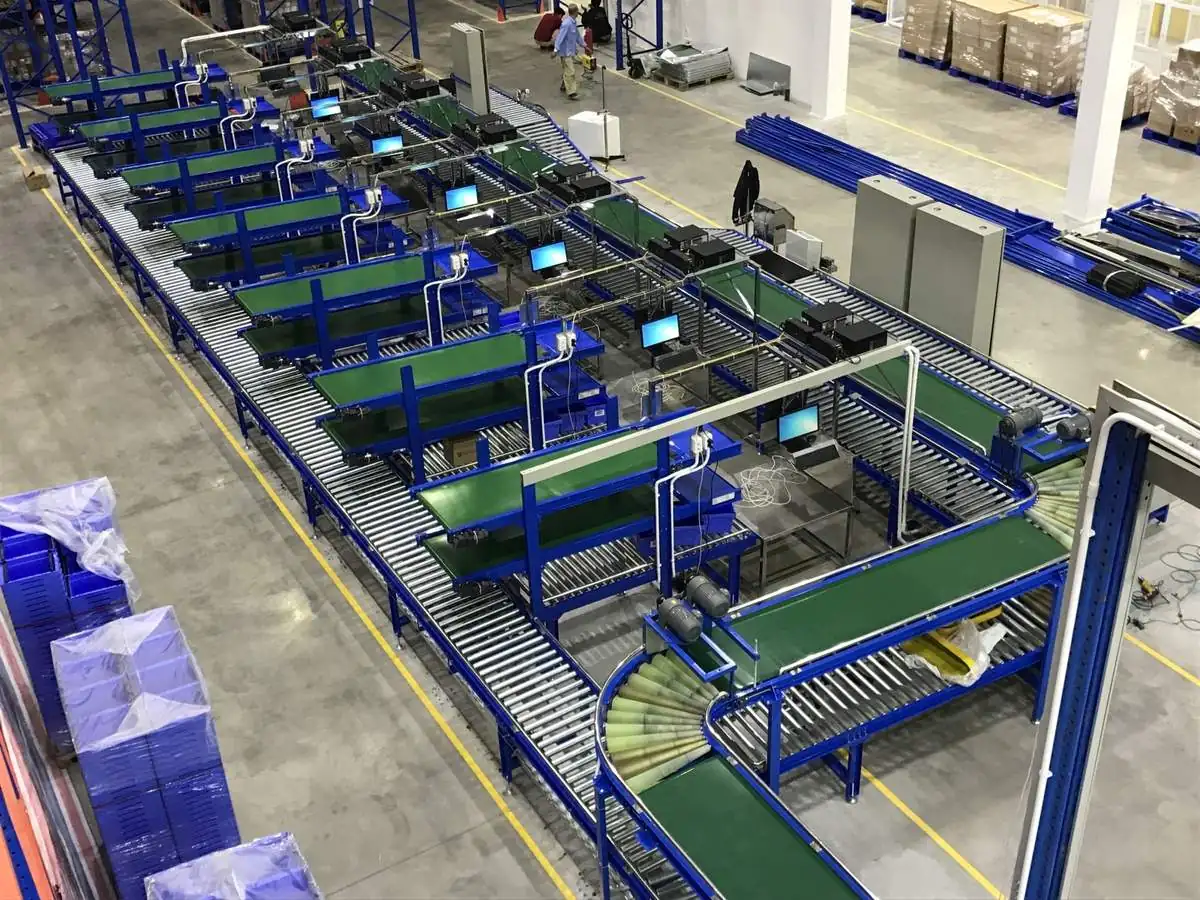
Take a hypothetical third-party warehouse in Ontario, California, looking at a used cross-belt sorter. The asking price is roughly 40 percent of a new machine. It looks like a steal until you open the other ledgers. Dismantling, crating, ocean freight, port handling and reinstallation form one pile. Belts, motors and sensors form a second. Then comes the control cabinet: an old PLC that needs replacing, drawings that need reconstructing, and operators who need retraining. In this hypothetical example the all-in spend reaches about 70 percent of new, while the remaining useful life is only about half of new. The bargain disappears the moment you count all five ledgers.
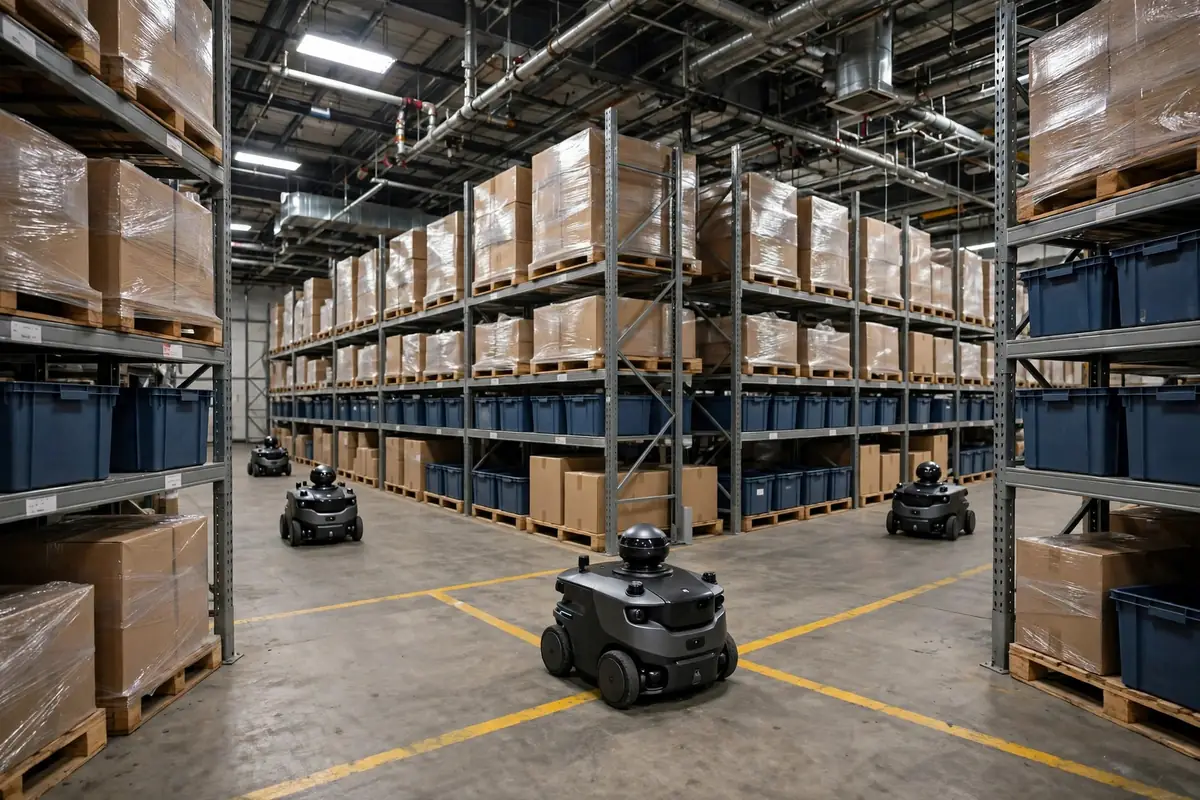
A second hypothetical makes the point harder. The same warehouse is offered a fleet of used AGVs at about 30 percent of new. The batteries and laser navigation look serviceable on a walk-through. During refurbishment the truth arrives: the battery packs are past two replacement cycles, the navigation module is discontinued, and the manufacturer no longer supports its firmware. New batteries, new navigation, a rebuilt map and a fresh WMS interface push refurbishment above the purchase price. Worse, there is no spare vehicle when one unit goes down, so a single peak-season outage can consume most of the saving. The cheapest machine in the yard is often the most expensive machine in the building.
My formula does not bend: total cost equals purchase price plus refurbishment plus certification and compliance plus three years of parts and maintenance, minus resale value after three years. If the seller cannot document any line in writing, price it at the expensive end. If the deal still works, negotiate. If it does not, walk away, however low the sticker price.
| Item | New machine (hypothetical) | Refurbished used (hypothetical) | Used, as-is (hypothetical) |
|---|---|---|---|
| Purchase price | High, about 70% of total | Medium, about 40% of total | Low, about 20% of total |
| Refurbishment and parts | Low | Medium | High, often above purchase price |
| Certification and compliance | Low, done with the new unit | Medium, retesting and files needed | High, missing drawings stall it |
| Three-year parts and downtime | Low | Medium | High, worst for discontinued models |
| Resale value after three years | Medium | Low | Near scrap value |
The table has one job: to force invisible money onto the page. Many used-equipment deals do not fail over price. They fail the first time refurbishment and certification are written down as real lines.
What Is Worth Buying, and What to Leave Alone
Buyable used equipment shares three traits. First, the model is still in production, or only recently discontinued, with parts available from the maker or a stable third party. Second, the documentation is complete: mechanical drawings, electrical schematics, control programs and operator manuals, all of them. A machine without drawings is a black box. Third, the seller can show a real operating history: hours run, major repairs, and which critical parts were replaced. Miss one trait and the price must fall further. If it will not fall, leave the deal.
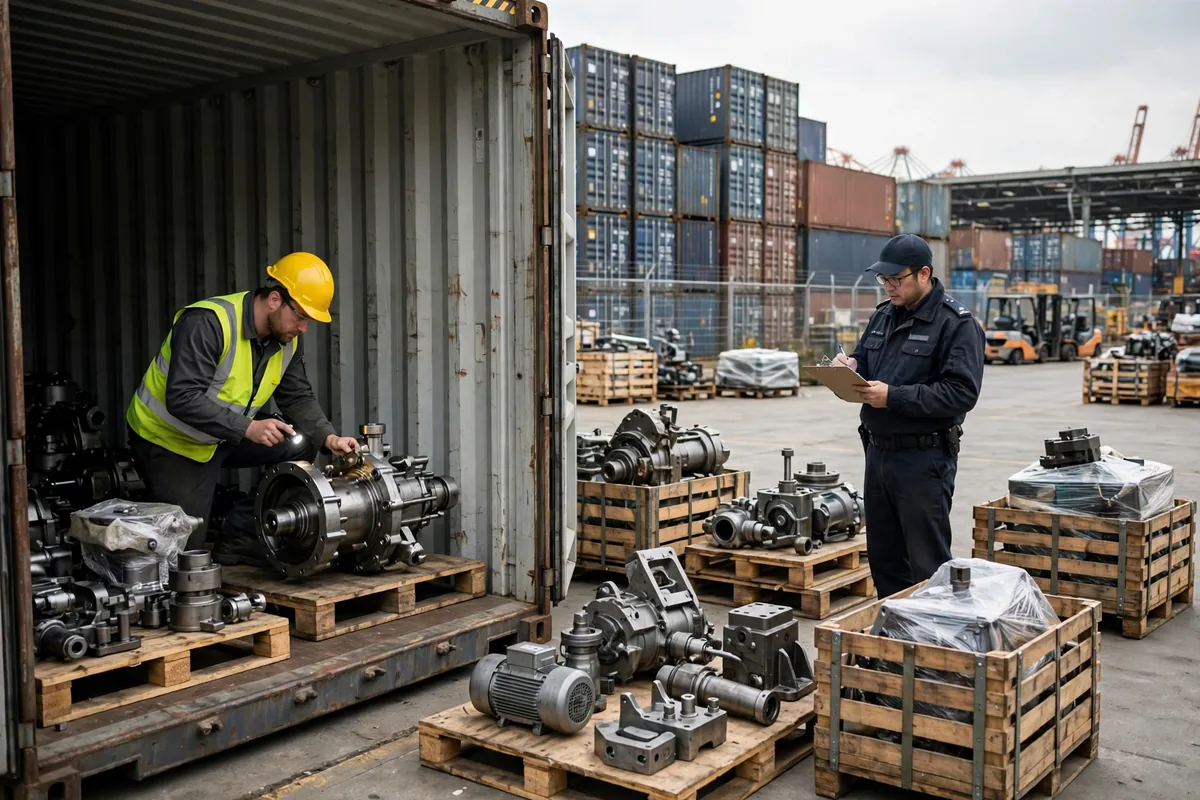
Three categories are not worth touching. Control systems more than one generation past discontinuation, where spares depend on cannibalised units. Heavily customised one-off lines that will not fit another warehouse without a rebuild that costs more than a new line. And equipment with an unclear origin: a serial number that does not match, a swapped nameplate, or a vague story about its previous use. That kind of unit stalls at certification and ends up as decoration.
The inspection mistake I see most often is testing a machine empty. A sorter that spins freely with no load tells you almost nothing. Run it loaded for four hours and the heat, belt slip and sensor errors show up. Put the test in the contract: a loaded continuous run, a cap on fault stops, and a list of critical spares shipped with the machine, with payment withheld if the standard is missed. A verbal promise is not a promise. A clause is.
Used Warehouse Automation Equipment Import: Certification Is a Way of Operating, Not a Stamp
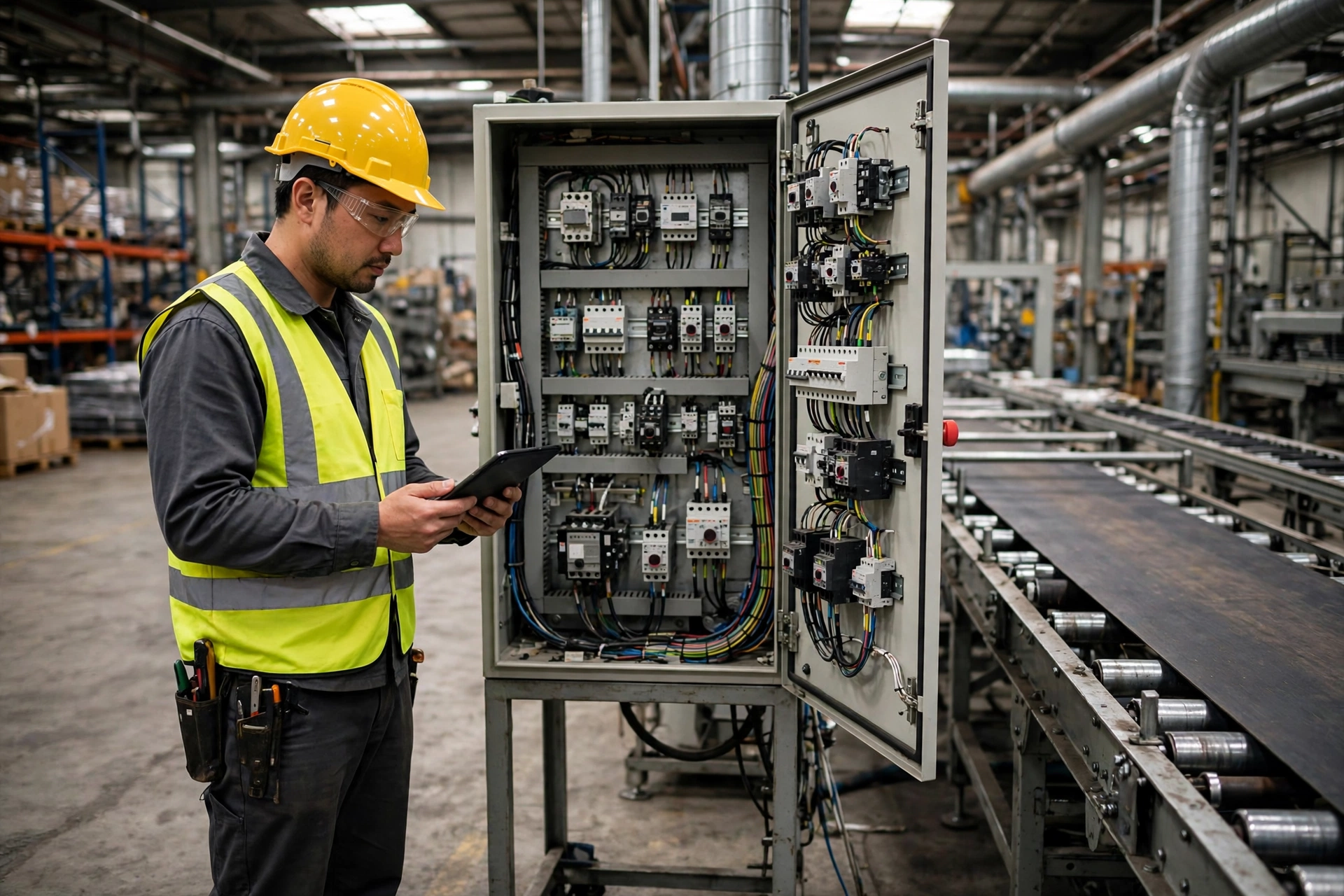
Certification is often treated as buying a certificate. It is not. In the United States the question is the compliance path: electrical safety, cabinet wiring, emergency-stop circuits and guarding, each with files, test records and a responsible party. A UL or other NRTL route is a path, not a price; the fee follows the current official policy. Skip the records and the machine can be stopped by insurance, a fire inspection or a customer audit, any one of which is enough.
The saving is not in the certification fee. It is in the work done before you buy. Ask the seller for the original certification files and test reports first, and check that model, serial number and applicable standard all match. If they do not match, do not assume the gap can be fixed after arrival. Fix the certification plan before the refurbishment sequence, because replacing a critical electrical part triggers a fresh assessment, and retesting afterwards costs far more than planning ahead. And make drawings and program backups travel with the machine, one electronic copy and one paper copy. Without them, every later repair starts from scratch.
Here is the counterintuitive part: the most expensive part of refurbishment is often not the parts. It is rebuilding the compliance file and retesting. A good-looking sorter with no drawings and no test records can sit for three months while rent and labour keep running. That is the real cost. A plainer machine with complete files, a current model and secure parts is often the cheaper one to own.
So here is a number you can use. Set a new machine's three-year total cost at 100. For your used option, add purchase, refurbishment, certification and three years of parts and maintenance, then subtract resale value. Above 85, buy new. Below 70, with a current model, complete drawings and parts cover, the used deal is worth negotiating. Between 70 and 85, push the refurbishment price down or make the seller carry certification; if neither moves, walk away. The rule is simple on purpose: if the numbers do not clear, no amount of enthusiasm should close the deal.
By Lao Zhou, Logistics Cost Analyst