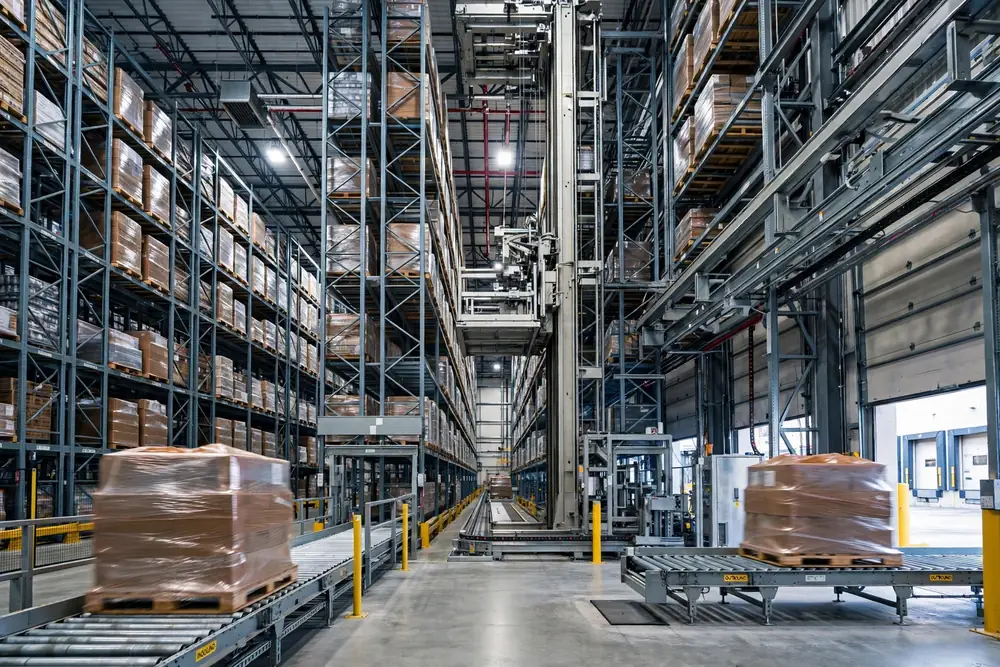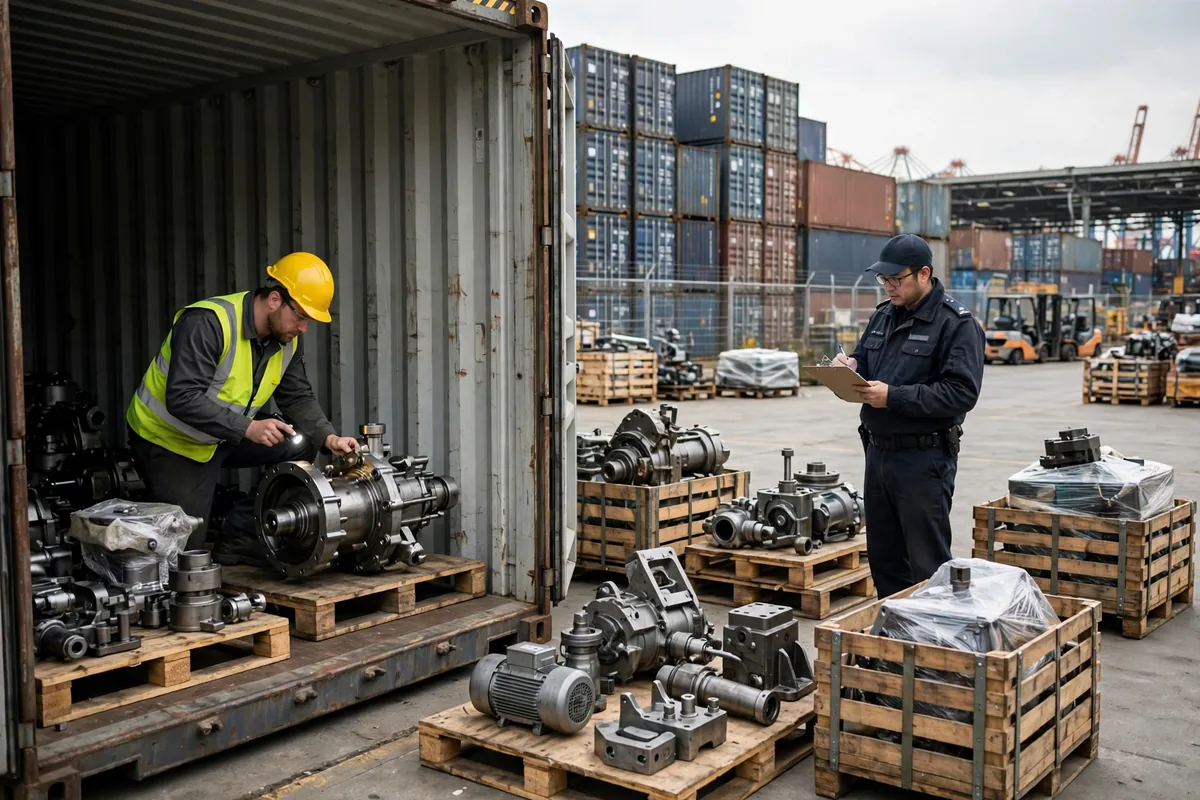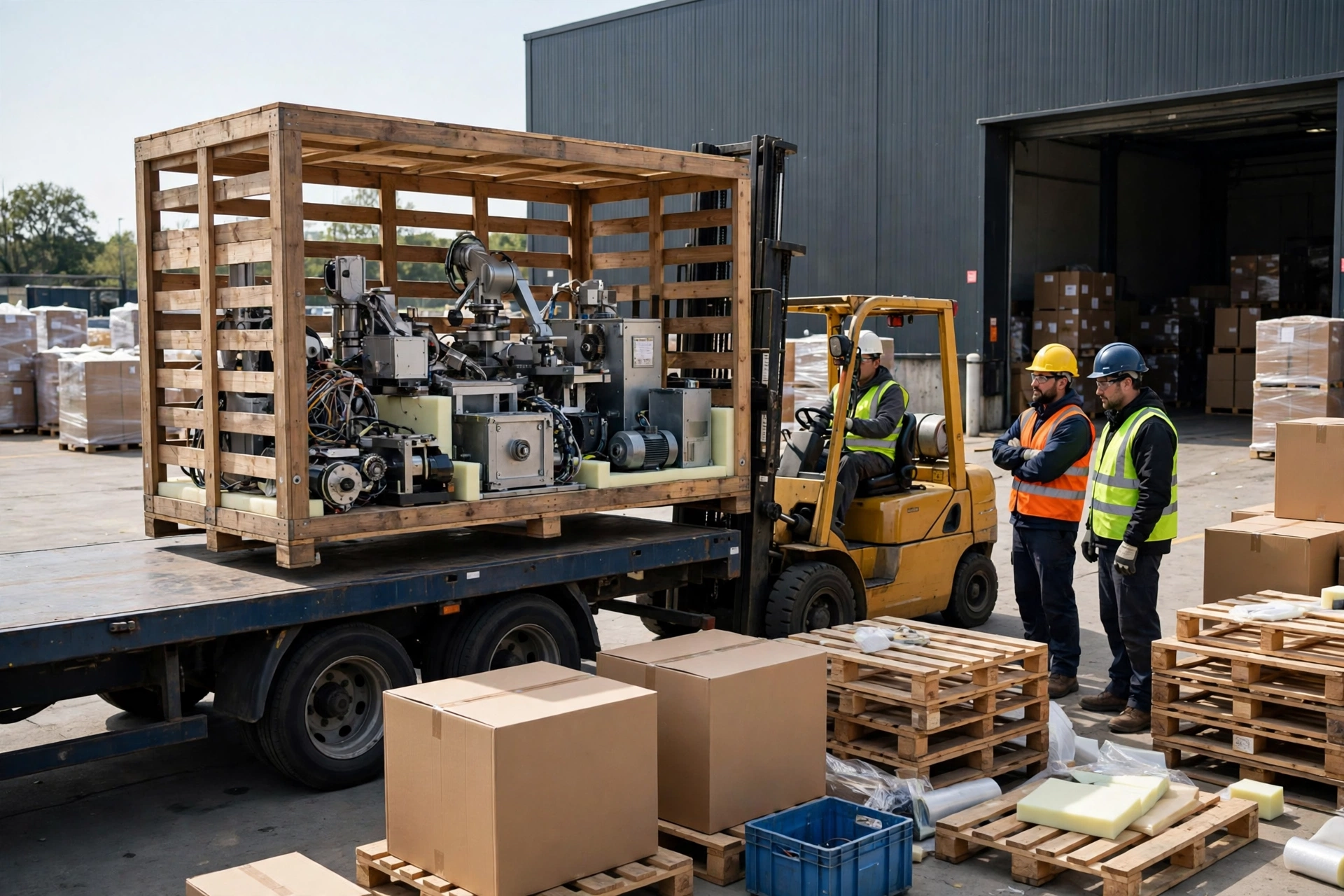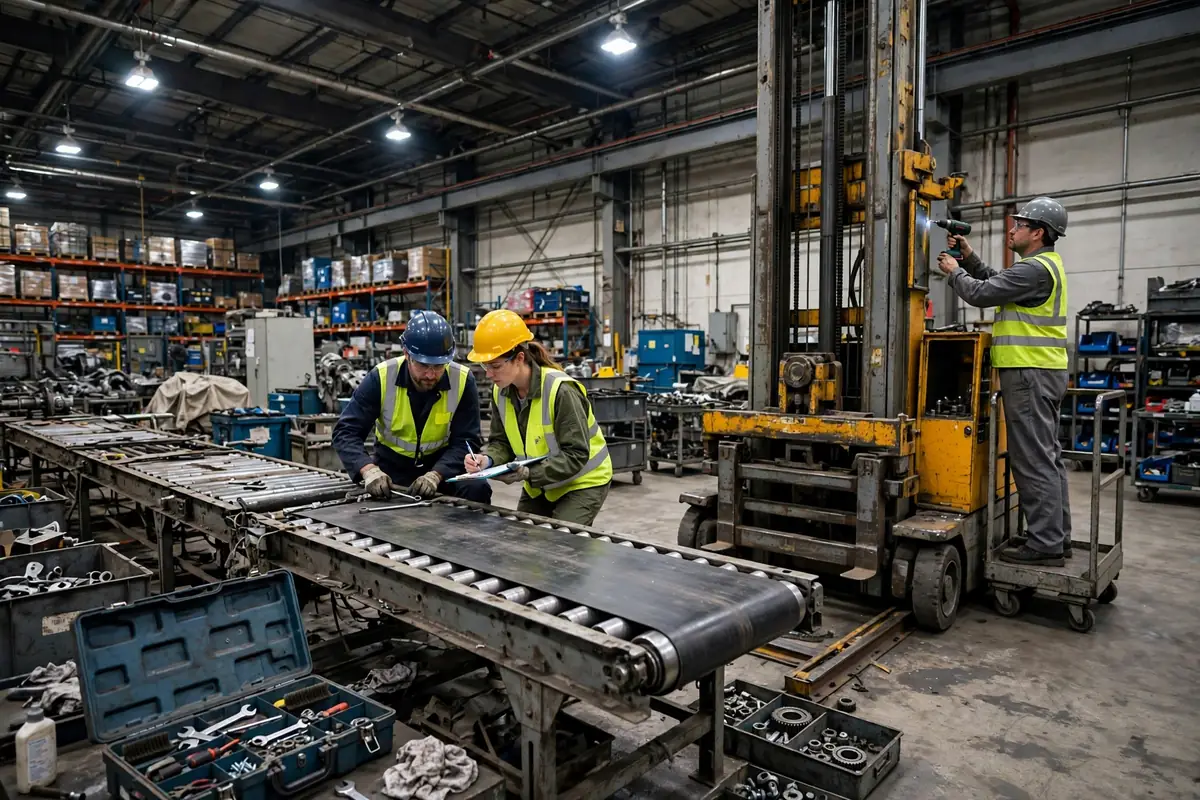
We had a client in Ohio who bet big on used automation equipment import. A used sortation loop, three years old, listed by a German integrator at less than half the price of a new one — he thought he had found the deal of the decade. He called me the day the wire transfer cleared and said, "Susan, I just saved the company two hundred grand." I said congratulations, and then I asked him one question: who is going to certify it? Silence on the other end. That silence cost him three months.
That is the thing about used automation equipment import. The machine is the easy part. Getting it refurbished, certified, cleared through customs, and still worth something when you are done with it — that is the real purchase. The sticker price is the smallest number in the whole deal, and the people who learn that late are the ones who pay for the lesson twice.
Refurbishment Grades: Not All Used Automation Equipment Is Equal
The first thing I ask any seller now is simple: what grade is this? In my experience, used automation equipment falls into three honest buckets, and every seller will try to sell you the top bucket at the middle bucket's price.
Grade A is a machine pulled from a live line, cleaned, tested under load, with wear parts replaced and a test report to prove it. Grade B is a machine that was decommissioned, stored, and given a once-over: it powers on, it moves, and that is about all anyone will promise you. Grade C is a parts donor wearing a machine's clothes. A client of mine in Texas bought a Grade C palletizer that was photographed beautifully and described as "fully functional"; when the crates arrived, the control cabinet had been stripped for spares by the previous owner. The seller's answer was that the listing said "as-is, where-is." It did. He just had not read that line.
Here is the rule I give every buyer now. Before you pay a deposit, get three things in writing: a video of the machine running a full cycle under load, not idling; a list of exactly which wear parts were replaced, with part numbers; and a test report signed by whoever did the refurbishment. If the seller cannot produce those three, you are not buying refurbished equipment. You are buying a gamble with a freight bill attached.
Certification for Used Automation Equipment Import: UL, NRTL, and Field Evaluation
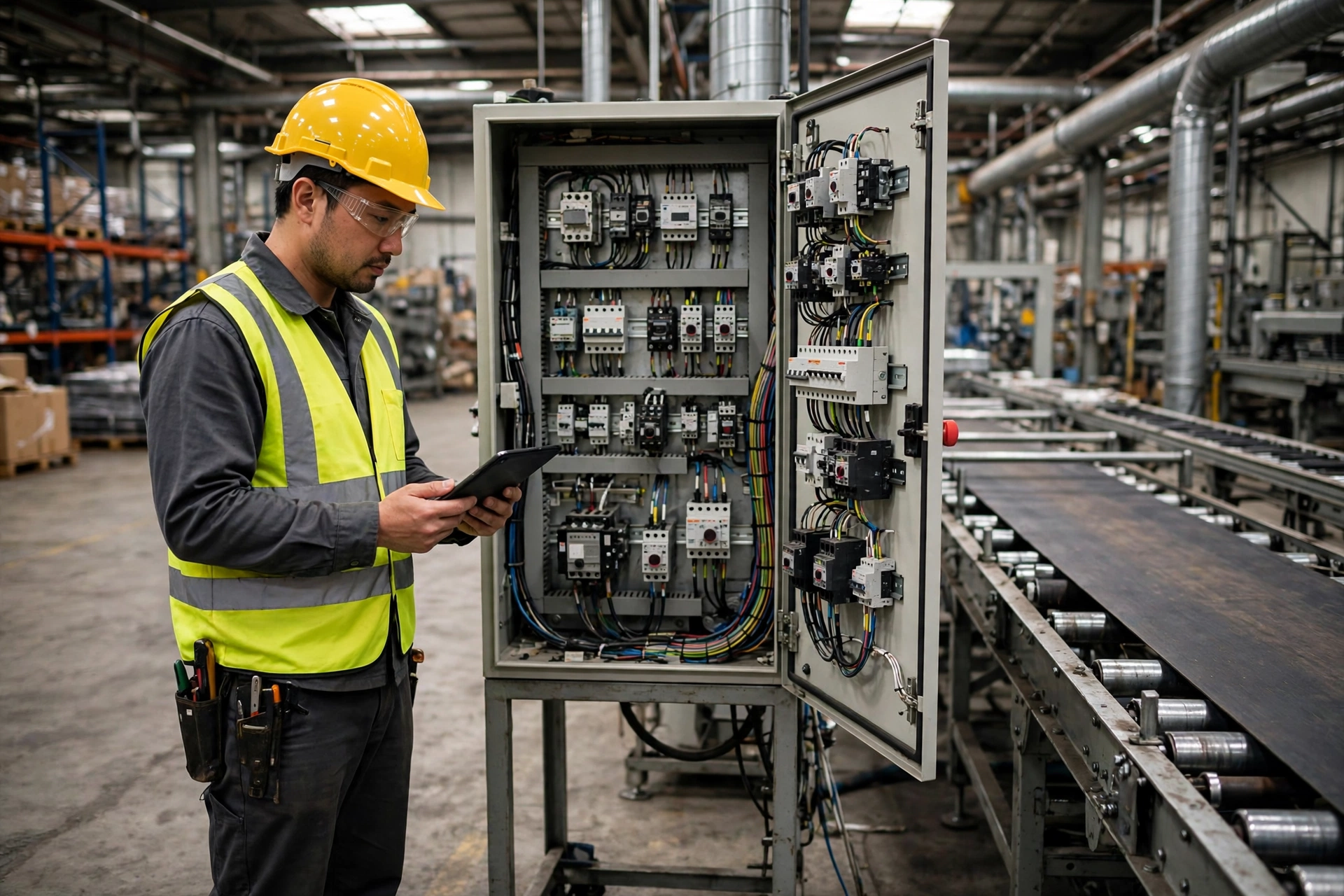
This is where the Ohio client lost his three months. The sorter arrived, his electrician wired it in, and the local inspector asked for the listing mark. The machine carried a European CE mark and nothing else. In the United States, that is not enough. A CE mark is a manufacturer's declaration for the European market; it is not a US product safety listing, and an inspector is entirely within his rights to stop the job until a Nationally Recognized Testing Laboratory (NRTL) has evaluated the equipment or a field evaluation has been performed.
For used automation equipment import, the certification path usually looks like one of three routes. The cleanest is a machine that already carries a UL or other NRTL listing that is still valid for the configuration as imported. The second is a field evaluation: an NRTL sends an engineer to your site, inspects the machine against the applicable standard, and applies a field label if it passes. The third is the one nobody wants: the machine fails the evaluation and you pay for modifications — new guards, rewired controls, replaced components — and then pay for the evaluation again.
A word of caution on numbers here. Field evaluation fees, lead times, and the exact standard applied vary by equipment type, location, and the lab you engage. Treat any figure a seller quotes you on certification cost or timing as a rough indication only, and confirm the current position with the NRTL and your local authority having jurisdiction before you commit. The Ohio sorter eventually passed after a field evaluation and a round of guarding changes. Three months late, and the savings he had bragged about were mostly gone.
Used vs New: The Total Cost Table
So is used equipment actually cheaper? Sometimes. But you have to count everything, and almost nobody does. The table below is a hypothetical worked example for a mid-size conveyor and sortation package — the numbers are scenario assumptions to show the shape of the math, not a quote for any real machine. Run the same exercise with your own figures before you decide.
| Cost item | Used equipment (scenario) | New equipment (scenario) |
|---|---|---|
| Purchase price | $180,000 | $420,000 |
| Refurbishment and wear parts | $35,000 | $0 |
| Freight and rigging | $28,000 | $18,000 |
| Customs duties and brokerage | $12,000 | $0 (domestic) |
| Certification / field evaluation | $25,000 | $0 (factory listed) |
| Installation and commissioning | $30,000 | $22,000 |
| First-year downtime risk allowance | $40,000 | $10,000 |
| Total, year one | $350,000 | $470,000 |
The used route still wins in this scenario, by about $120,000. But look at where the savings leak: certification, freight, and the downtime allowance eat more than half the purchase-price gap. And that is the good scenario. Change two assumptions — a failed first evaluation, or a month of downtime while a discontinued drive is sourced — and the used route loses. The counterintuitive truth I keep telling clients: the cheaper the used machine looks on paper, the more carefully you should count, because the discount is usually priced into the risks you have not counted yet.
Resale Value of Used Automation Equipment: What Yours Is Worth When You Are Done
The last number nobody models is the exit. A new machine from a major manufacturer with a current control platform holds resale value because the next buyer can still get parts and support. A ten-year-old machine with a discontinued PLC family and a control system the manufacturer no longer supports is worth little more than scrap and the value of its motors, no matter how well it ran for you.
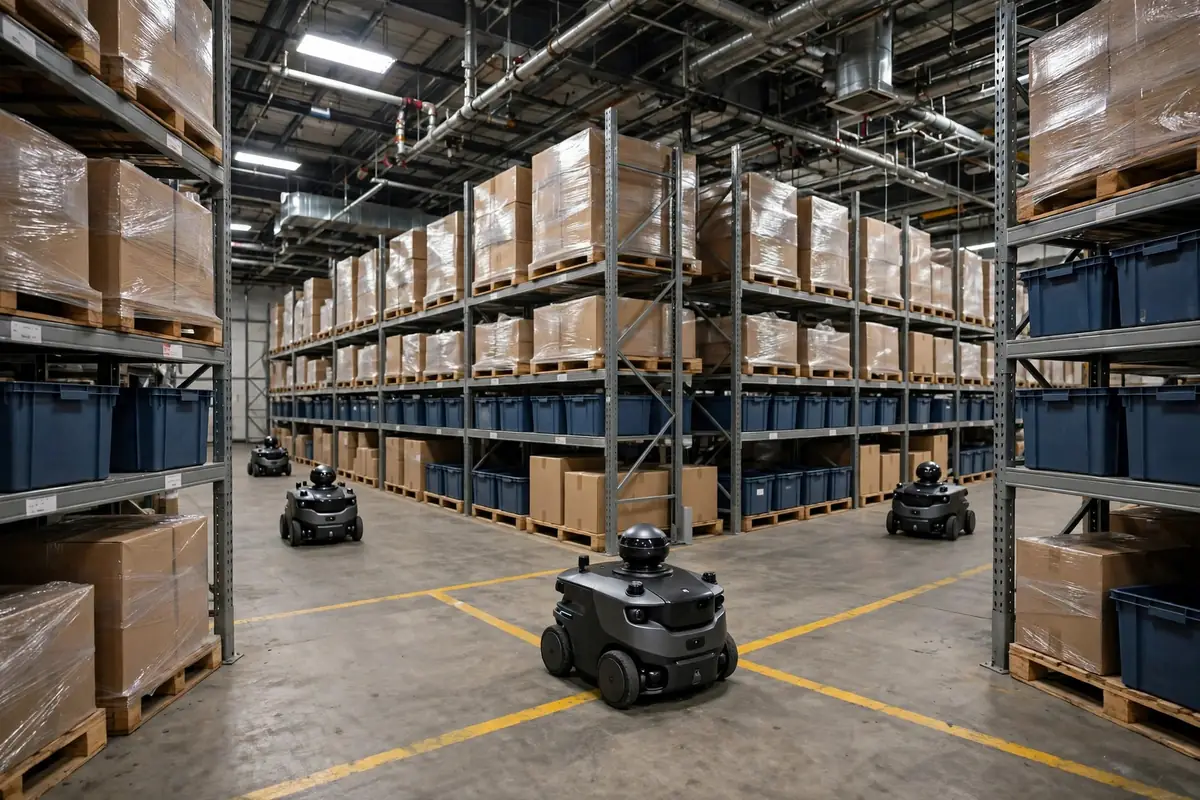
Three things protect residual value: buy a brand with a real installed base in North America, not a one-off import; insist on the control software source files and passwords as part of the sale — without them, the next buyer cannot maintain the machine, and its value collapses; and keep a maintenance log. I have watched two identical used AMRs sell months apart, one with a documented service history and one without. The documented one fetched roughly a third more. Paperwork is not bureaucracy. Paperwork is money you collect later.
One more thing, and this is the part the seller will never volunteer: ask who else has bought this exact model used, and call them. A five-minute conversation with a previous buyer tells you more about the real refurbishment quality than any brochure. Sellers hate this question. That is exactly why you should ask it.
So, next time you sit down to negotiate a used automation equipment import contract, remember to ask these three questions: what grade is the refurbishment, in writing, with a test report? Who certifies it in the US, and who pays if it fails the first evaluation? And do I get the software, the passwords, and the service history with the machine? Get those three answers in the contract before the deposit leaves your account, and the bargain stays a bargain.
By Susan, 3PL Sales Director