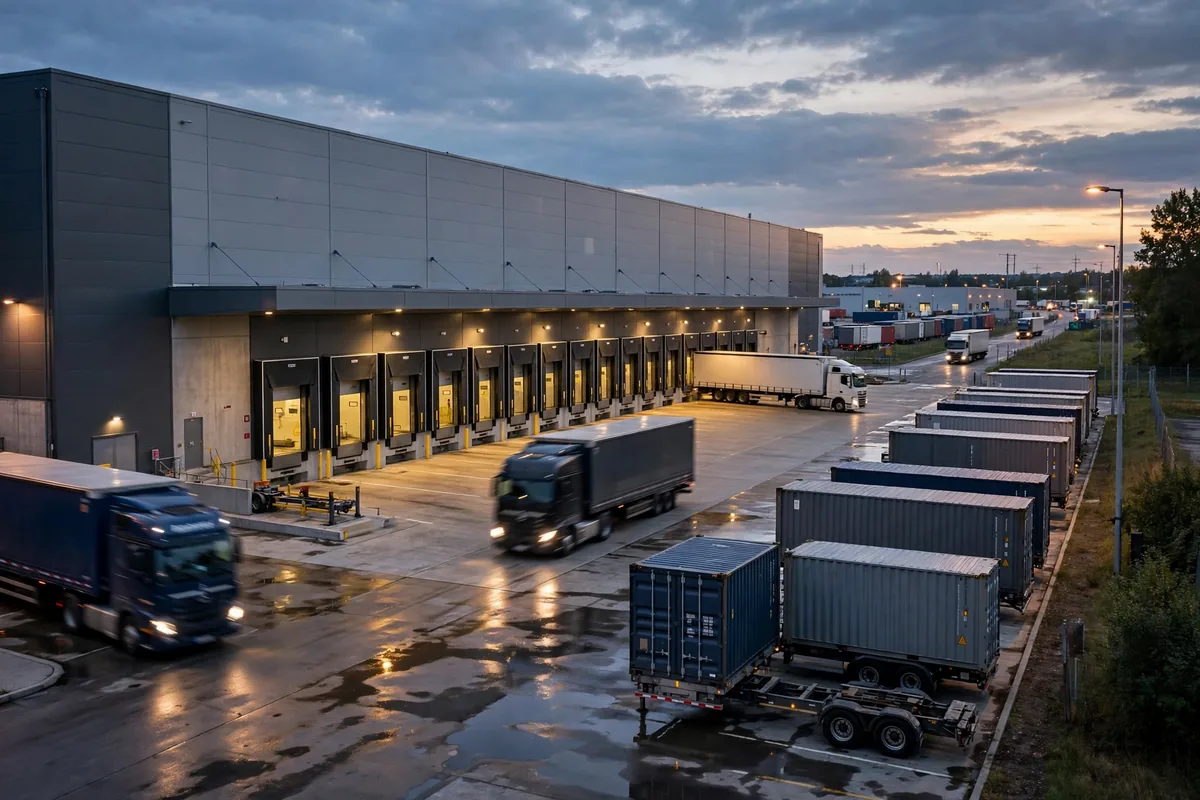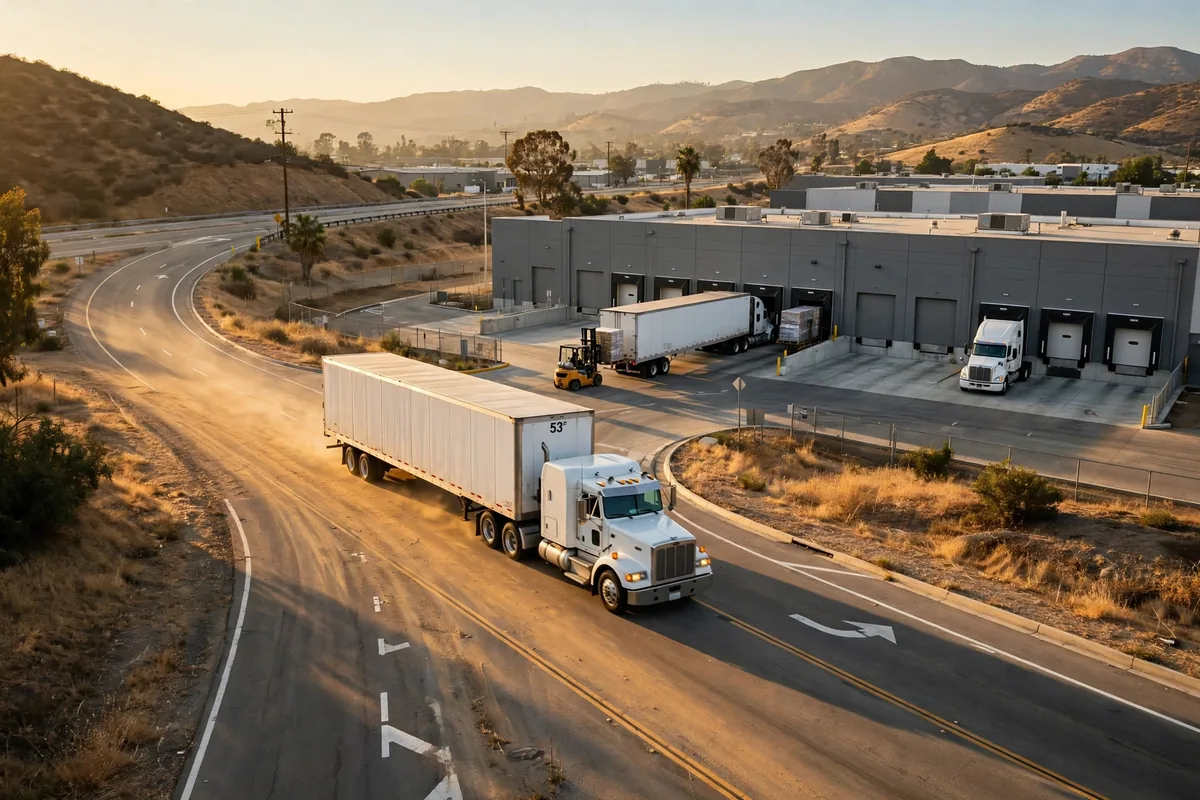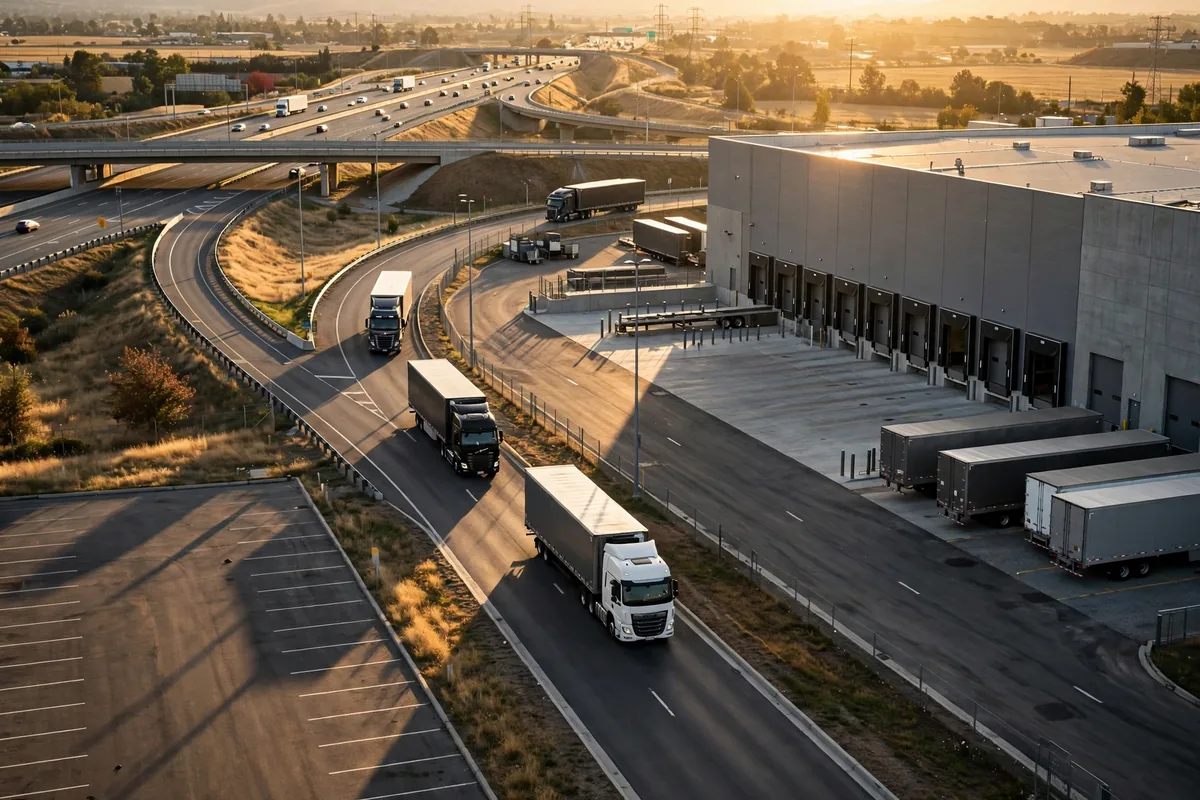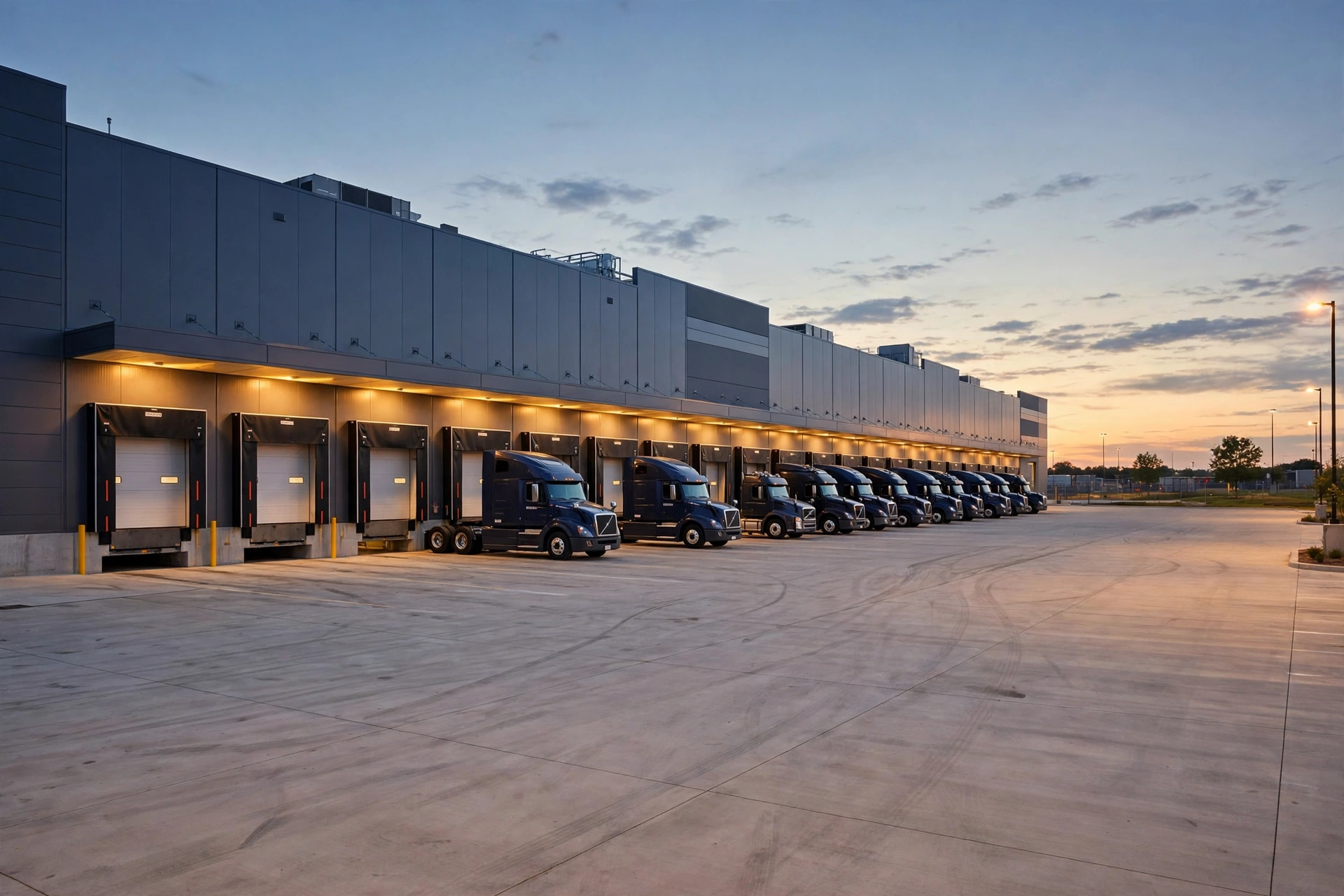
We had a client who came to us last autumn with one question about his US overseas warehouse location: should he put one warehouse on each coast, or would a single central warehouse do the job? He was shipping a little over two thousand orders a month, split roughly half and half between the East and West Coasts, and every peak season the last-mile bill made him wince. I answer some version of this question a dozen times a year, and the answer is never the same twice, because a US overseas warehouse location — east coast, west coast, or central — is not really a question about the map. It is a question about where your orders land, what your goods are worth, and whether you have left room for peak season.
Let me say this first: there is no standard answer, only a dividing line. Below that line, one central warehouse is the cheapest honest option. Above it, clinging to a single warehouse lets last-mile costs quietly eat back every dollar you saved on rent. Clients love to ask which option is cheaper. My answer is always the same: split your orders by state first, then let us talk about cheap.
We had a client whose two-coast savings were eaten by inventory
Let me start with a lesson that cost someone real money. In early 2024, a home goods seller took the advice of his peers and rented a warehouse in Los Angeles and another in New Jersey. The idea sounded perfect: East Coast orders ship from the East, West Coast orders ship from the West, delivery in two or three days, happy customers everywhere.
Reality was less tidy. He split his stock sixty-forty between the two sites. Then one popular storage box sold out on the East Coast while the West Coast warehouse still held a pile of it. East Coast customers were waiting, and the goods were sitting in a warehouse on the other side of the country. Transferring stock across the country cost real money and real time. Not transferring it meant stockouts on the East Coast and a listing sliding down the rankings. In peak season, that same scene played out three times in one month.
The bill was the painful part. Two warehouses meant two rents, two teams, and two system integrations. Last-mile delivery did get cheaper, but splitting the inventory tied up more cash in stock for longer, and clearing slow-moving items cost twice as much. When he closed the year with me, the last-mile savings from two warehouses had been almost entirely eaten by the extra rent and inventory cost, plus a great deal of management energy.
This is not an argument against two warehouses. It is an argument that the threshold for two warehouses is higher than most sellers think. You need enough volume, a concentrated enough product range, and a stable enough split between the coasts for the second warehouse to pay. Without that, two warehouses just give you two warehouses to worry about.
One central warehouse: where it saves money, and where it costs
The logic of a single central warehouse is simple: all inventory in one place, one replenishment point, faster stock turns, easier management. Dallas, Chicago, and the Kansas City area are popular choices, because they sit in the middle and neither coast is all that far away.
The savings are real. Rent is usually lower than on either coast, labour is easier to hire, and one warehouse means one system integration and one management routine. For a seller just starting out, or one whose volume has not yet taken off and whose product range is narrow, a central warehouse is the safest place to start. I often tell clients: get one warehouse running smoothly first, and talk about a second one when the volume is there. Step too far, too fast, and you will feel it.
The costs are real too: last-mile delivery. Customers on either coast wait an extra day or two, and delivery to remote areas costs more. In a normal month the difference is modest. In peak season, last-mile prices rise, delivery stretches out, and customer complaints follow. There is also a quieter cost: your goods sit further from the port, so the inland leg from a West Coast port to a central warehouse is a line item of its own.
So comparing one central warehouse with two coastal warehouses cannot stop at the rent line. You have to lay out inbound freight, last-mile delivery, rent, inventory carrying cost, transfer costs, and stockout losses together, and add them up.
| Comparison | One central warehouse | One warehouse on each coast |
|---|---|---|
| Rent and management | One rent, one team, simple to run | Two rents, two teams, double the management |
| Inventory and cash | Inventory concentrated, faster turns, less overstock | Inventory split, more cash tied up, costly transfers |
| Last-mile speed | One or two extra days to either coast, pricier in remote areas | Ships from nearby, faster delivery, better customer experience |
| Peak-season flexibility | One site carries all the pressure, one point of failure | Two sites share the load, but a stockout at either site forces a cross-country transfer |
| Best for | Sellers still scaling, concentrated product range, early stage | High volume, stable orders on both coasts, concentrated product range |
Finding the US warehouse location dividing line: split the orders first
When a client asks me about location, I ask them to do three things before they negotiate any contract.
First, split the orders. Take the last six months of orders and break them down by state. See how much sits on each coast and whether any region dominates. If seventy percent of your orders land in California and the New York area, two warehouses earn their keep. If your orders are scattered across the whole country, the central location wins on balance. Without that split, picking a warehouse is guesswork.
Second, add up the whole bill. Do not compare rent alone. Add inbound freight, last-mile delivery, rent, inventory carrying cost, transfers, and stockout losses, and run the total month by month. Many clients are surprised: the rent a central warehouse saves each month does not cover the extra last-mile cost to the coasts, while others find the last-mile savings from two warehouses never cover the extra rent and management. Which side wins, you only know after you add it up.
Third, leave room for peak season. Here is the counterintuitive part: the danger in choosing a location is not paying a little more in a normal month. It is failing in the one month that matters. The money saved in quiet months disappears in a single peak-season overflow or a wave of late deliveries, and your customer ratings go with it. So when you negotiate a warehouse contract, do not only ask about the everyday price. Ask about peak-season space guarantees, overtime charges, and how temporary labour is priced. A warehouse that cannot survive peak season is expensive at any rent.
One more negotiation tip: when you talk to a 3PL about location, do not just ask how much the warehouse costs. Ask how the last-mile zones are drawn, what the peak-season surcharge rules are, and who pays for a stockout transfer. Ask those three questions, and the other side knows you are not a beginner, and the padding in the quote tends to shrink. Plenty of sellers only discover after signing that the zone map and the peak-season terms are where the real money goes.
Back to the client I started with: a little over two thousand orders a month, split evenly between the coasts, fewer than thirty SKUs, and a stable order pattern. My advice was to hold one central warehouse, get the inventory turns and replenishment rhythm right, and open a second warehouse only when volume doubles and each coast is reliably doing hundreds of orders a day on its own. More warehouses are not better. Just enough is better.
Next time you negotiate a contract, remember to ask these three questions: how are the last-mile zones drawn, how does peak-season pricing work, and who pays for a stockout transfer. Ask them first, and then decide: one warehouse on each coast, or one central warehouse?
By Susan, 3PL Sales Director