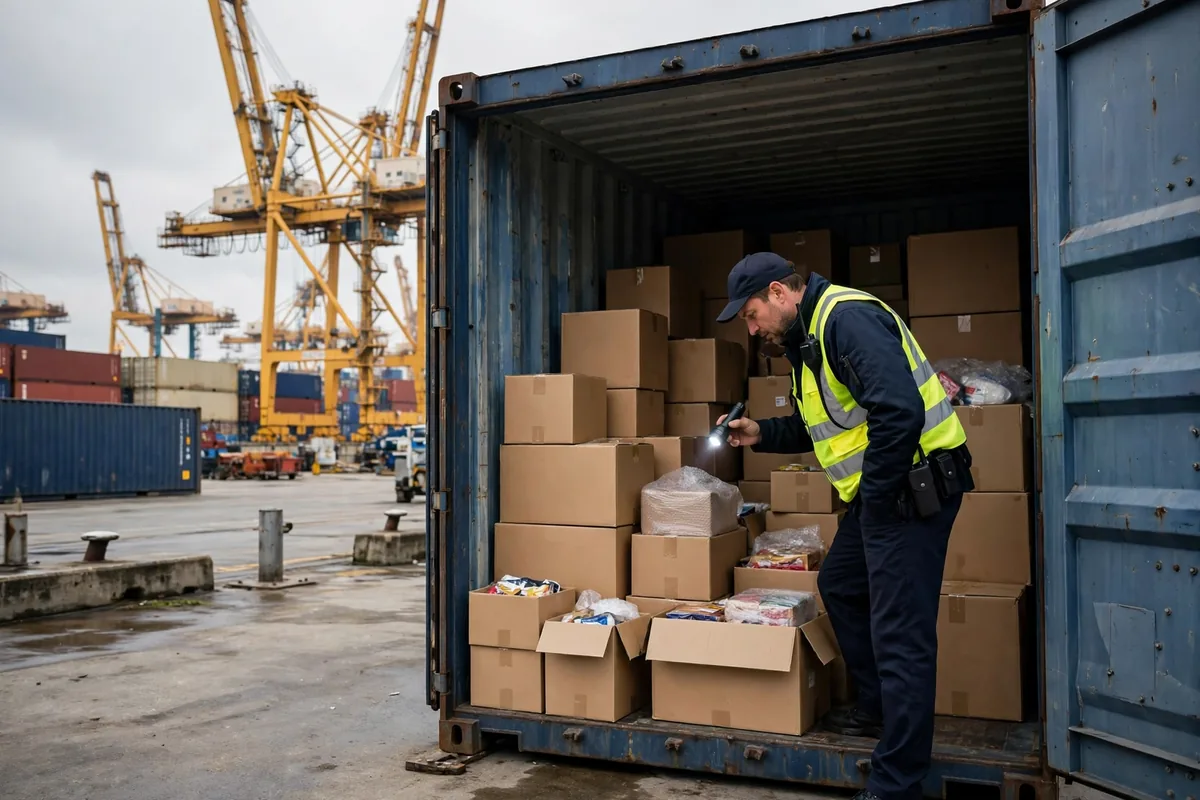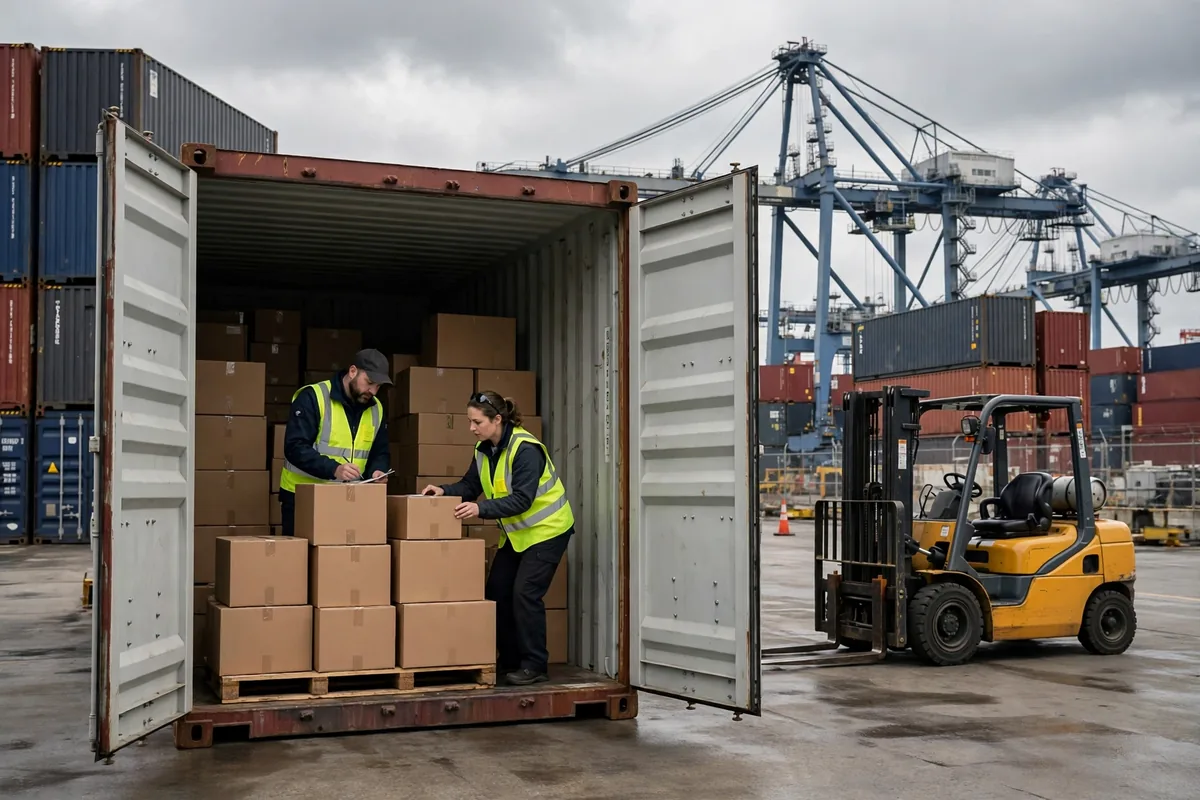
A US customs exam on your container is not a question of if, but when. The moment your box gets held at the port, what matters is not luck. It is whether your paperwork is clean, whether your broker is solid, and whether you know how the process works. After twenty years, I have watched too many importers make the same first move: calling their forwarder and asking if someone can "get it released." Put bluntly, that is the wrong call.
The short answer: a customs exam is expensive only if you panic
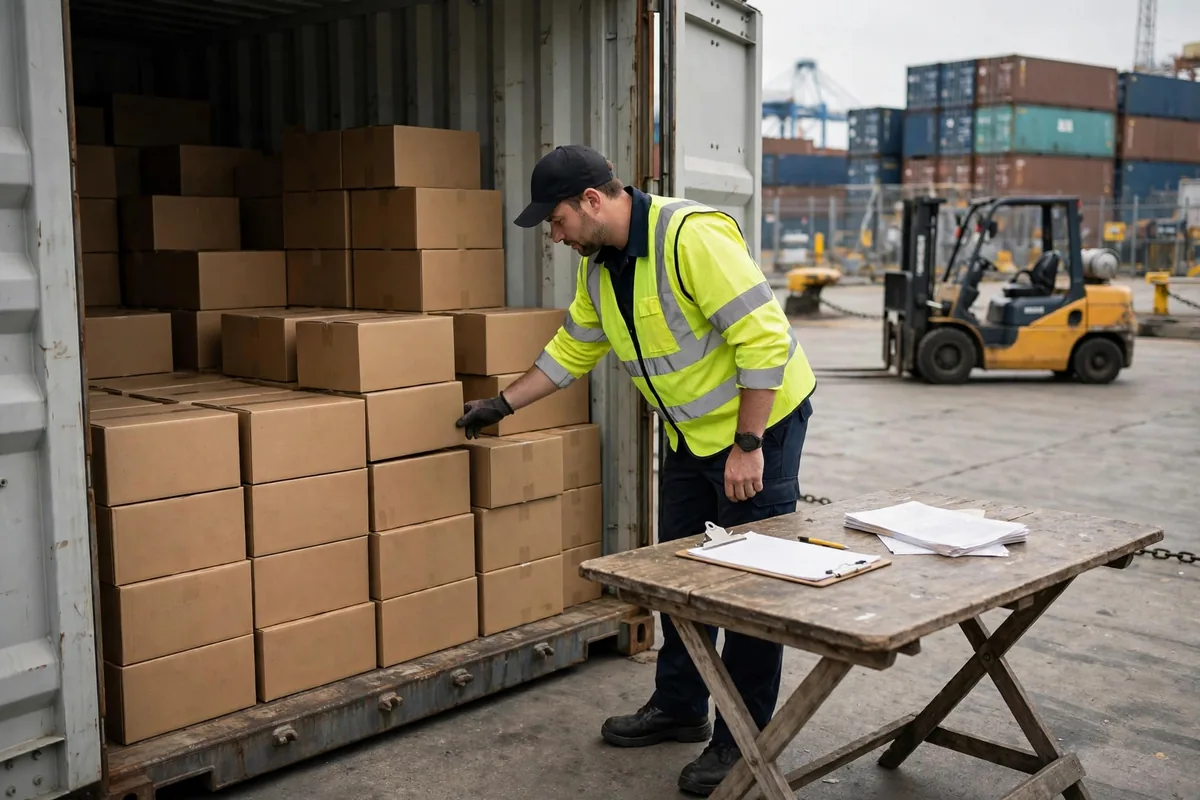
A container flagged for a US customs exam usually falls into one of three buckets. Most go through a non-intrusive scan, an X-ray pass with the container sealed, often cleared within hours or a day or two. The second type is a tailgate exam, where officers open the doors and pull a few cartons. The third is an intensive exam, where the container is trucked to a designated exam site, stripped, and checked piece by piece.
Here is the trade-off nobody explains up front. Customs does not charge you for the exam itself, but every step around it lands on your bill: drayage to the exam site, stripping and reloading, exam-site handling, and storage once free time runs out. Demurrage and detention keep ticking while you wait.
The pit I keep seeing: paperwork that does not match the cargo
In October 2024, a home-goods importer I worked with had a 40-foot container held at Los Angeles-Long Beach, with more than 800 cartons of assembled furniture inside. The broker got the exam notice at 9 a.m. and asked for the packing list and product photos. The client sent files at 4 p.m., and they were an old version, with the carton count off by more than 60 against the bill of lading.
Officers counted on site, the numbers did not match, and the container was escalated to an intensive exam. It spent three days being stripped and checked carton by carton, and close to a week on handling and reloading. When the client added up drayage, exam-site fees, and detention, the bill was higher than the margin on that container. He asked if Customs was targeting him. I said no. Customs was targeting paperwork that did not add up.
A second case stuck with me because the importer was small and new. In spring 2023, a seller of seasonal decorations shipped his first ocean container from Shanghai to New York. His commercial invoice described the goods in one vague word, "decorations." Inside were light strings with batteries, and the invoice said nothing about them. Officers held the container while he scrambled for extra documents and a corrected filing. It took 12 days, and he missed the spring selling window he had built the shipment around.
Both stories are the same story. Importers act as if filing is the broker's job and their job ends at paying. It does not. The cargo is yours, the documents are yours, and the broker speaks for you.
What to do after a container inspection notice
When the notice lands, do three things in order, and do not start by calling around for favors.
Start by asking your broker for three facts: the exam type, the exam site, and the expected time window. The type decides what you prepare. Get the facts in writing, not as a guess.
Second, send the full document set at once. I list it below. After you send it, ask your broker to confirm the four fields that cause most holds: product description, quantity, value, and country of origin. Those four must match across invoice, packing list, and bill of lading.
Third, confirm drayage and free time with your forwarder. Who books the truck, when it goes, when free time ends, and when detention starts. Get it confirmed by email or message, not by a phone promise.
The division of labor matters. Your customs broker handles Customs: filing, documents, and answering officers. Your forwarder handles the physical move: trucking, the terminal, and the exam site. You handle the truth about the cargo and the decision to expedite or change course.
| Exam type | Cargo moved? | Typical time | Who pays | Your move |
|---|---|---|---|---|
| X-ray / non-intrusive scan | No, container stays sealed | Hours to a day or two | Drayage and site fees are yours | Stand by, keep documents ready |
| Tailgate exam | Doors opened, sample cartons pulled | One to several days | Drayage, site, and labor costs are yours | Provide sample descriptions and photos |
| Intensive exam | Container stripped and checked piece by piece | Several days to two weeks or more | All handling plus detention is yours | Send the full file at once, respond fast |
This table is not for negotiating. It is for setting expectations. The deeper the exam, the less predictable the time and cost, which is why the real work happens before the ship sails.
How to get flagged less often next time
Here is a counterintuitive judgment: switching ports or switching brokers does not fix a high exam rate. I have watched importers try both, and it never holds. Customs uses a risk model, and your port, your description, your filing history, and your origin country all feed into it. Changing the port only changes the pool.
What works is boring, and it works three ways.
Write specific product descriptions. Do not hide behind "general merchandise," and do not bury a battery, a magnet, or a liquid inside an ordinary description. The more specific the description, the easier it is for an officer to judge, and the less likely the exam escalates.
Second, keep your documents consistent over time. Invoice, packing list, bill of lading, and origin documents must agree on description, quantity, carton count, gross weight, and value, shipment after shipment. This slips constantly: a new supplier, a new pack size, a changed carton count, and the file was never updated. My habit is to have the broker line up all four documents side by side before every filing.
Third, do not scale a new lane on day one. Start with a small trial shipment: the loss stays contained, and you learn the filing language for that category. Volume spreads freight cost, and it also multiplies risk.
There is one more trade-off importers hate to face. A cheap broker and a good broker often differ by only a small filing fee, but the real difference is the half hour spent reviewing your file before it is submitted. A good broker asks annoying questions before filing: is this description accurate, how is the value calculated, do you need a license? The more questions asked early, the lower your chance of an exam.
Your document checklist: prepare it before you ship
- Commercial invoice: specific description, clear unit and total value, currency and Incoterms consistent
- Packing list: carton and piece count, gross and net weight, contents per carton, matching the bill of lading
- Bill of lading: consignee, notify party, piece count and gross weight, matching invoice and packing list
- Origin certificate or declaration: issued for the actual origin, not guessed
- Product photos and manuals: especially for goods with batteries, magnets, liquids, or wood packaging
- Brand authorization or licenses: if the goods carry a brand, have it ready, and check the latest official policy
- Supplier contract or purchase order: proof you can show if the declared value is questioned
- Wood packaging compliance proof: if you use wood pallets or crates, confirm the requirement in advance and check the latest official policy
This list is not for after the exam notice. It belongs in a folder before every shipment, so when the notice arrives you can send it in ten minutes.
A customs exam tests your basics, not your connections. Clean documents, honest descriptions, and steady filings clear fast even when you are flagged. Messy documents, vague descriptions, and rushed filings turn a random exam into tuition. Would you rather spend ten minutes on the basics now, or two weeks paying for them later?
By Lao Mi, Supply Chain Veteran (20 yrs)