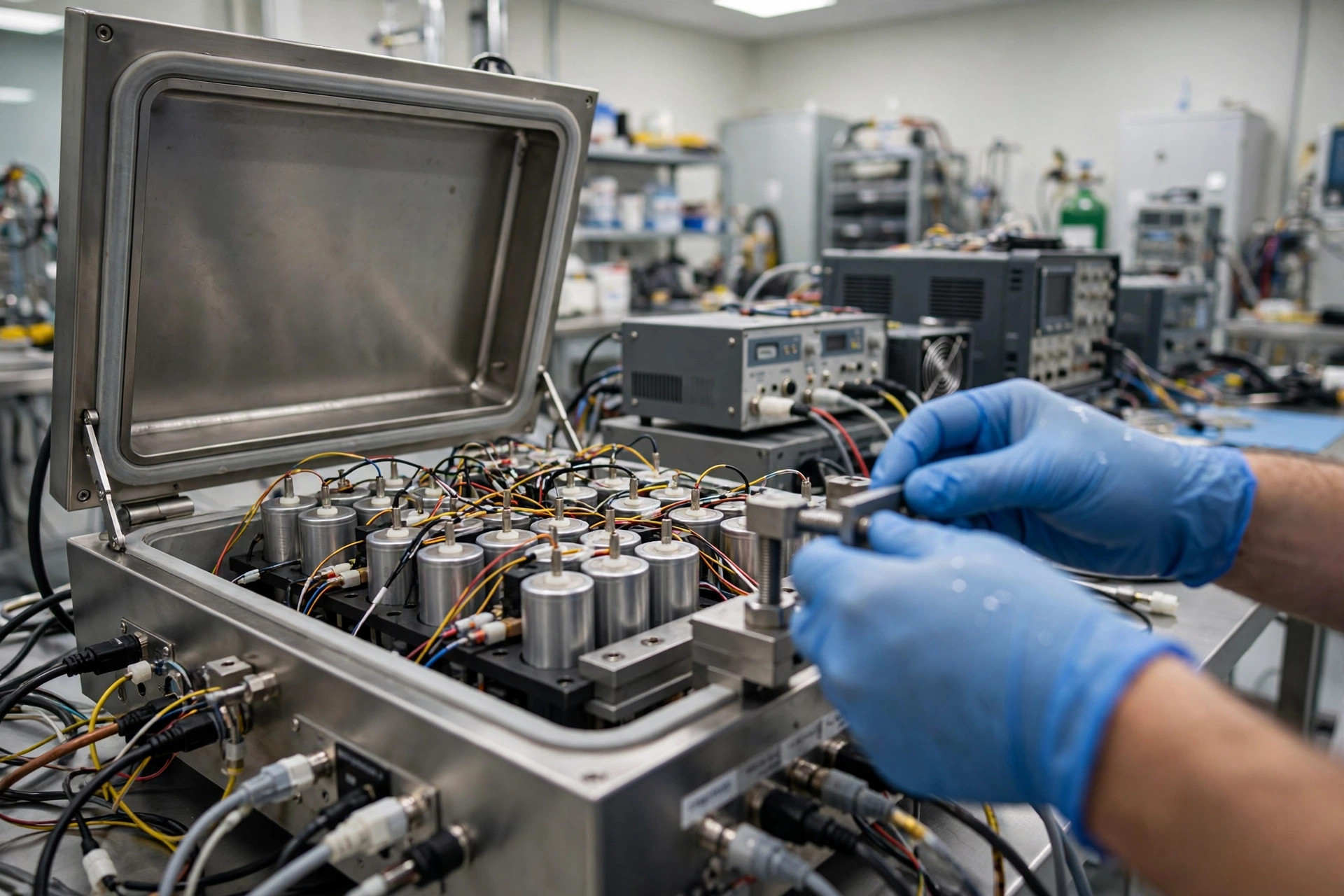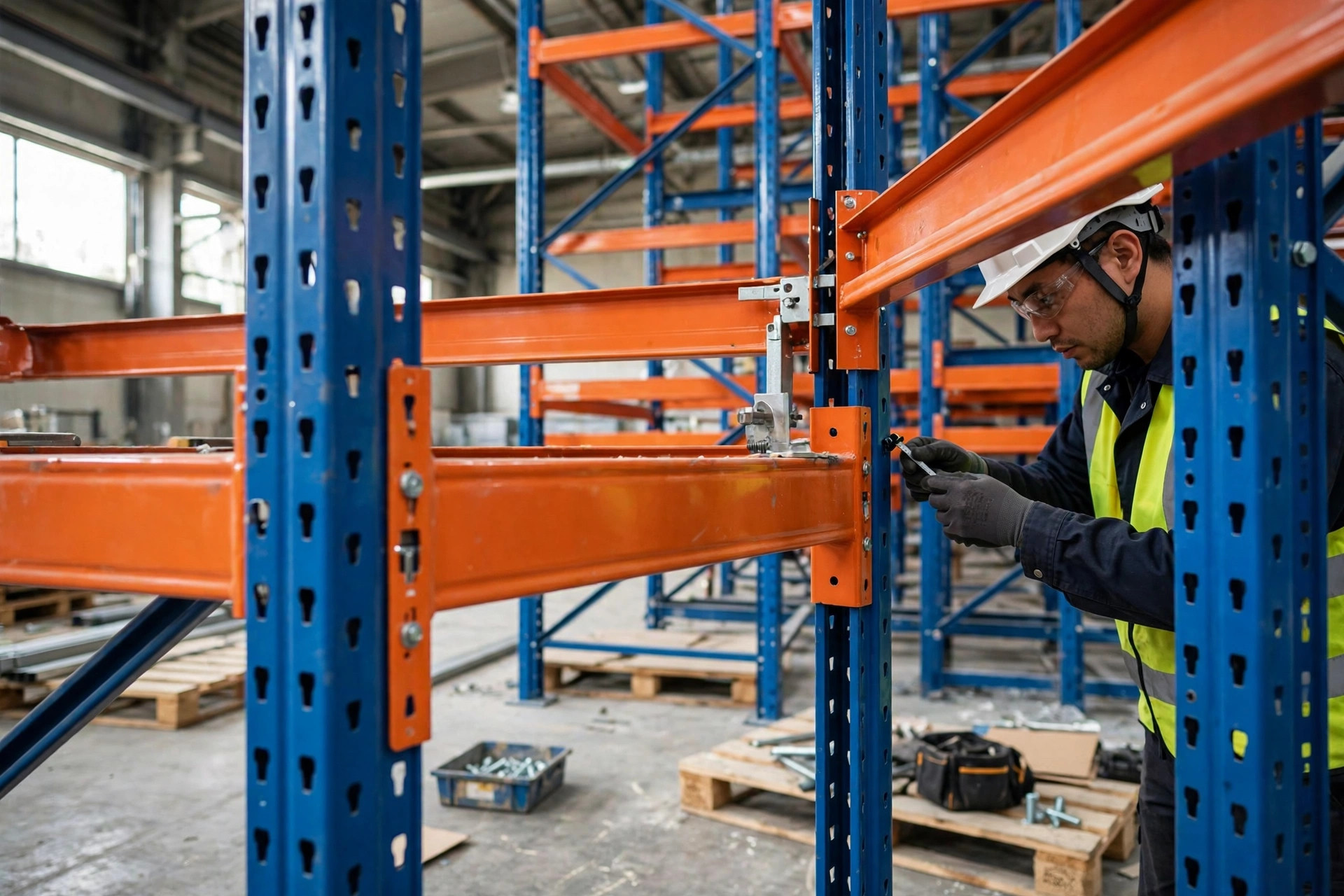
We had a client, Mr. Chen, who runs a racking factory in Foshan and has been exporting for over a decade. Last fall he took a painful lesson in racking certification for export.
A 40-foot high-cube of beams and uprights bound for Hamburg, with "CE certified racking" written right into the contract. The container arrived, and the German buyer asked exactly one question: where is the test report? Chen was stunned — the CE mark was on the product, the self-declaration signed. How was that not enough? The box sat at the Port of Hamburg for the better part of two weeks, demurrage and amendment fees climbing well into five figures in euros, before a rush set of third-party test documents finally got it released.
That one stuck with me, because Chen is no rookie. He lost the deal's margin on a simple misunderstanding: treating "CE certification" as a stamp you stick on. So today, from the perspective of someone who signs warehousing contracts for a living, let me lay it all out in one pass — Europe's CE, America's RMI, and the oft-mispronounced FEM 10.2.02.
Racking Certification, EU Edition: CE Is a Declaration, FEM 10.2.02 Is the Substance
Here's the counterintuitive part: the CE mark itself costs nothing. Slapping it on takes a minute. What costs money is the stack of paper behind it.
Racking in Europe falls under the Construction Products Regulation, and steel components must meet EN 1090 execution requirements. CE marking is essentially the manufacturer's self-declaration: I declare this product meets EU requirements. But self-declaration does not mean your word alone counts — you need the technical file to back it up: structural calculations, welding system documentation, material certificates. Every single one.
That's where FEM 10.2.02 comes in. Published by the European Materials Handling Federation, it is the design recommendation for static steel pallet racking: how to verify uprights, how to derive beam-connector capacities, how to treat overall stability. When a German buyer asks for a "test report," nine times out of ten they mean a structural calculation package prepared per FEM 10.2.02, plus a statement of conformity with the EN 15512 family of standards. Chen's self-declaration failed because it stated a conclusion with no calculation behind it. The buyer didn't want his promise — they wanted an evidence chain they could hand to their insurer and the local authority.
The European playbook, then: CE is the ticket, the FEM 10.2.02 calculation package is the seat number. Writing "CE certified" in a contract says nothing; what belongs there is "structural calculations per FEM 10.2.02 and third-party test reports to be provided."
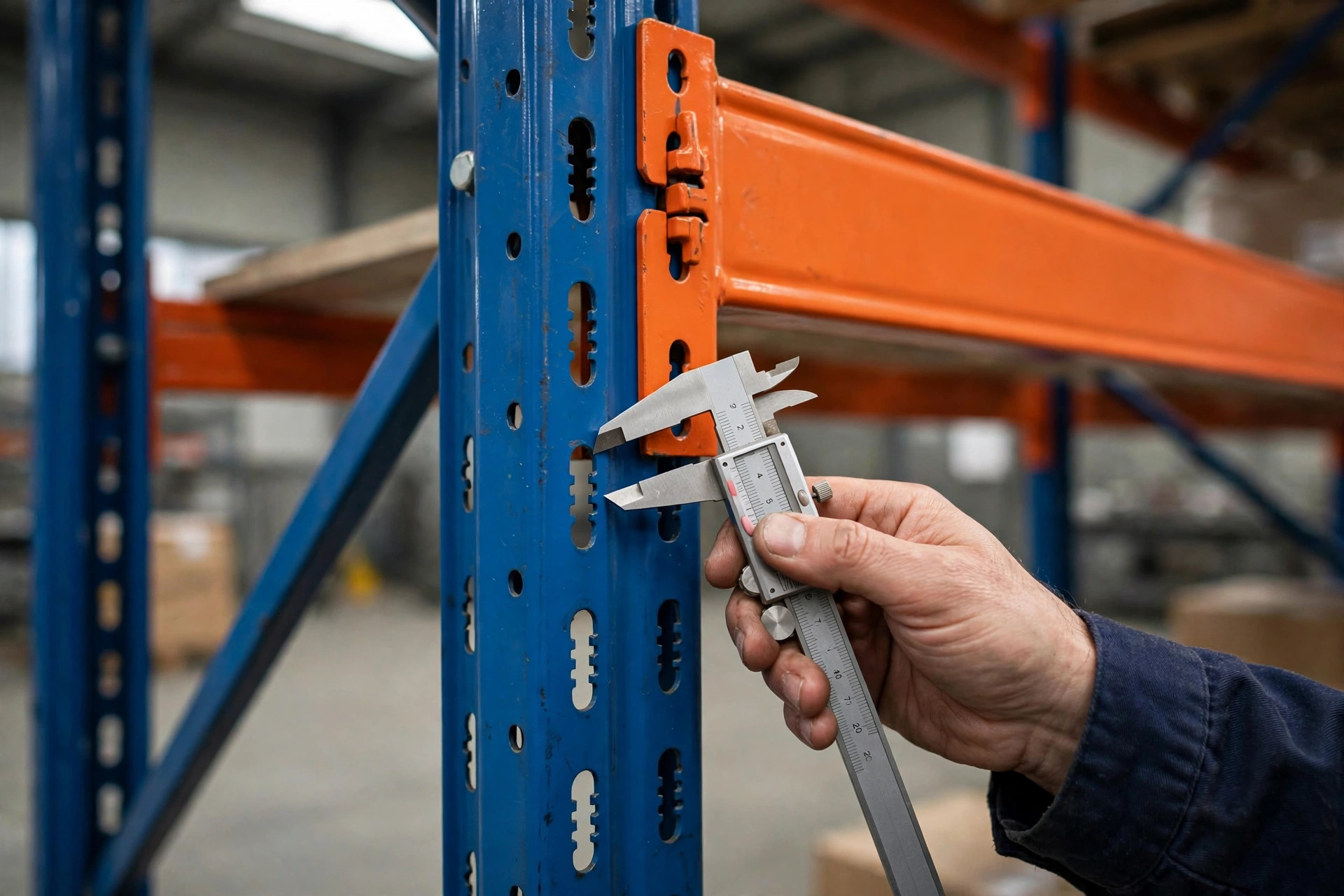
Racking Certification, US Edition: Nobody Forces You, but RMI Holds the Purchase Order
The US is a different animal. There is no federal "racking must be certified" mandate; OSHA governs safe use, not what you sell. That does not mean it's an easy market — the real gatekeeper in America is the RMI, the Rack Manufacturers Institute.
RMI publishes ANSI/RMI MH16.1, the specification for the design, testing, and utilization of industrial steel storage racks. Big US buyers routinely write "compliant with RMI standards" into their procurement checklists, and one step further is R-Mark certification: the factory passes an RMI audit, the products are tested to the standard, and only then is the mark earned. Note that it is voluntary — which perversely makes it tougher than a mandate. You can phase in regulatory compliance on your own schedule; a purchase order won't wait. Without R-Mark, plenty of US distributors and large end users won't even let you quote.
Another client learned this early this year. A cross-border e-commerce seller leased a 20,000-plus-square-foot warehouse in Ontario, California, and ordered heavy-duty selective racking from China. The US distributor demanded two things: the R-Mark certificate, plus structural calculations stamped by a licensed PE — California is seismic country, and racking there must be verified against local building codes. The Chinese factory's original quote included none of this. Rush drawings plus a US-stamped PE package cost tens of thousands of dollars extra and pushed the project back nearly two months. The buyer nearly moved the order to a Mexican supplier with local PE resources on tap.
The US playbook: RMI gets you on the approved list; the PE stamp gets the racking standing in a seismic zone. Export racking to America and you discover you're really selling drawings and signatures — a rude awakening for many factory owners.
Racking Certification Costs: Who Pays for the Paperwork?
Before talking quotes, put the two paths side by side:
| Europe: CE route | US: R-Mark route | |
|---|---|---|
| Nature | Regulatory market access: self-declaration plus technical file | Voluntary industry certification; hard procurement gate |
| Core documents | FEM 10.2.02 structural calculations, EN 1090 welding system, declaration of performance | ANSI/RMI MH16.1 test calculations, R-Mark factory audit, PE stamp in seismic zones |
| Who does it | Manufacturer plus third-party test body | Manufacturer plus RMI audit plus (seismic) US-licensed engineer |
| Cost and timeline | Per the certification body's latest quote; first round costs most | Per the certification body's latest quote; PE stamping billed separately |
I'm deliberately not printing specific fees — quotes in this business move every year, and a stale number misleads more than it helps. But three patterns hold, distilled from a hundred-plus contracts I've signed:
First, the first certification is the most expensive. Structure finalized, calculation package built, factory audited — the first set is full price; follow-on products in the same series reuse most of it, and marginal cost drops off a cliff. So ask the factory: has this series been certified before? If yes, you're paying incremental cost.
Second, seismic zones are a cost black hole. PE stamping is billed per project, and the stamping fee for one California project routinely rivals — sometimes exceeds — the racking design fee itself. It must be a separate line in the contract.
Third, time costs more than money. Chen's two weeks of demurrage, the California project's two-month delay — what bled wasn't the certification fee, it was project cash flow. Put the certification timeline on its own line in the quote and tie it to delivery.
So next time you negotiate a contract, ask these three questions:
One: "When you say CE, is a self-declaration enough, or do you need a third-party test report?" One sentence that kills most downstream disputes.
Two: "Do you need R-Mark? And in a seismic zone, who provides the PE stamp, and at what cost?" Put America's hidden costs on the table upfront.
Three: "Are the certification cost and timeline written into the contract?" Whatever isn't written down ends up paid by the seller. Don't ask me how I know.
The customer is always right — we sellers joke about it all the time — but contract terms can be reciprocal. On certification, whoever puts the uncomfortable truths on the table first is the one who doesn't get burned.
By Susan, 3PL Sales Director