Over the past two years, one question has appeared more and more often in North American procurement documents for warehouse automation equipment: does it have UL certification? The question looks simple. Behind it sits an entire market-access logic. Many equipment makers encountering it for the first time assume UL certification is a single certificate, and that holding it is enough to enter the United States. The reality is considerably more complex. UL certification for warehouse automation equipment entering the US is not one certificate. It is a set of certification paths aimed at different product types and different risk points. Choose the wrong path, or miss a step, and the equipment may reach the American site only to find it cannot be commissioned. The loss is often far larger than the certification investment itself.
Public market observation points in a clear direction. Procurement of automation equipment in North America is shifting from "it works, that is enough" toward "compliance first." Large retailers, third-party logistics providers, and manufacturing customers increasingly list certification as a hard requirement in tenders, not as a bonus. The drivers are not mysterious. On one side sit insurance and liability: when equipment fails, a maker without a compliance record faces a heavier burden of proof. On the other side, end customers audit compliance more strictly than before. A warehouse is a working site. Electrical safety, fire protection integration, and personnel safety all need to be documented. To understand this certification landscape is to understand which gates automation equipment must pass to enter the US, and what logic sits behind each gate.
The First Gate: UL Certification Starts With Classification
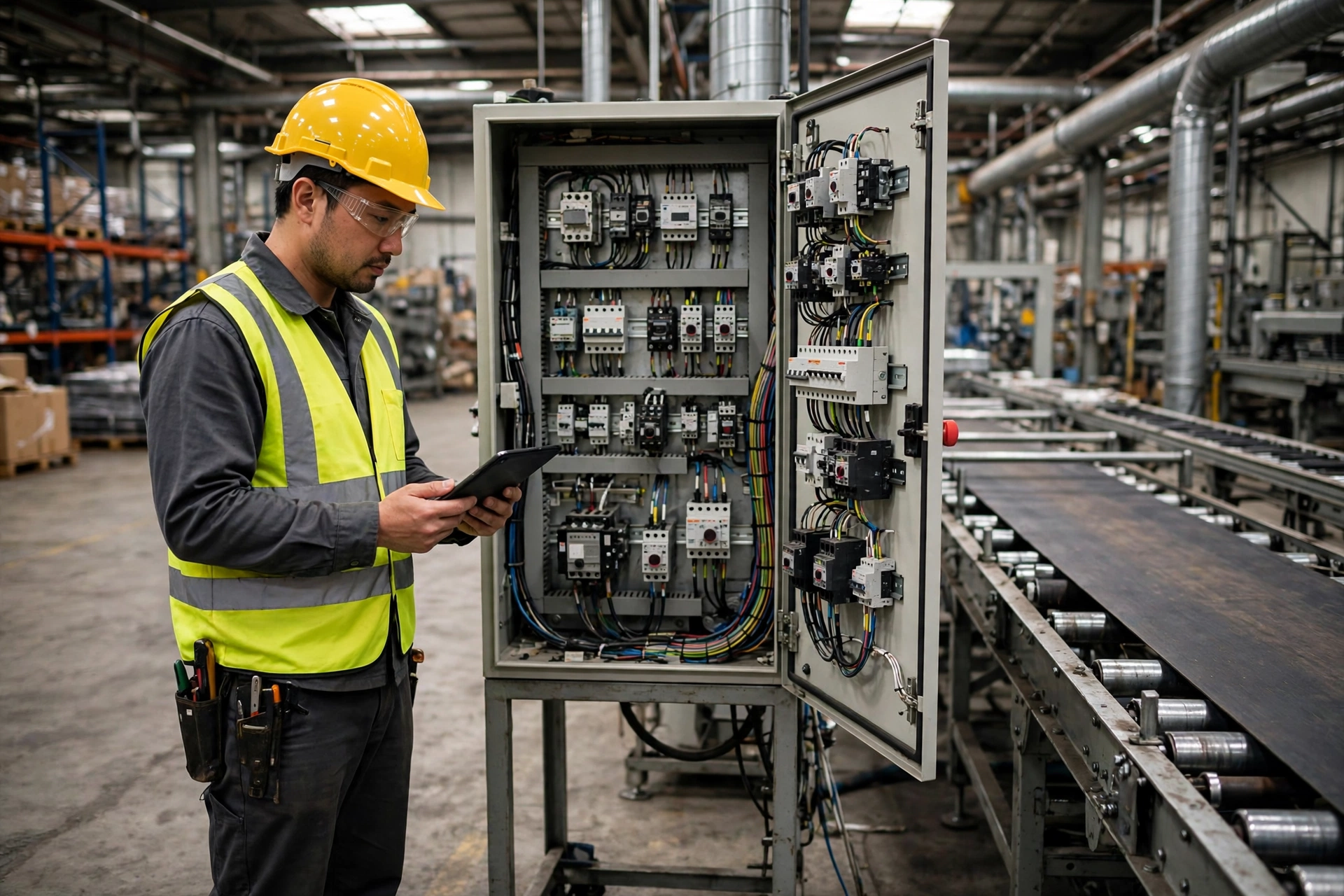
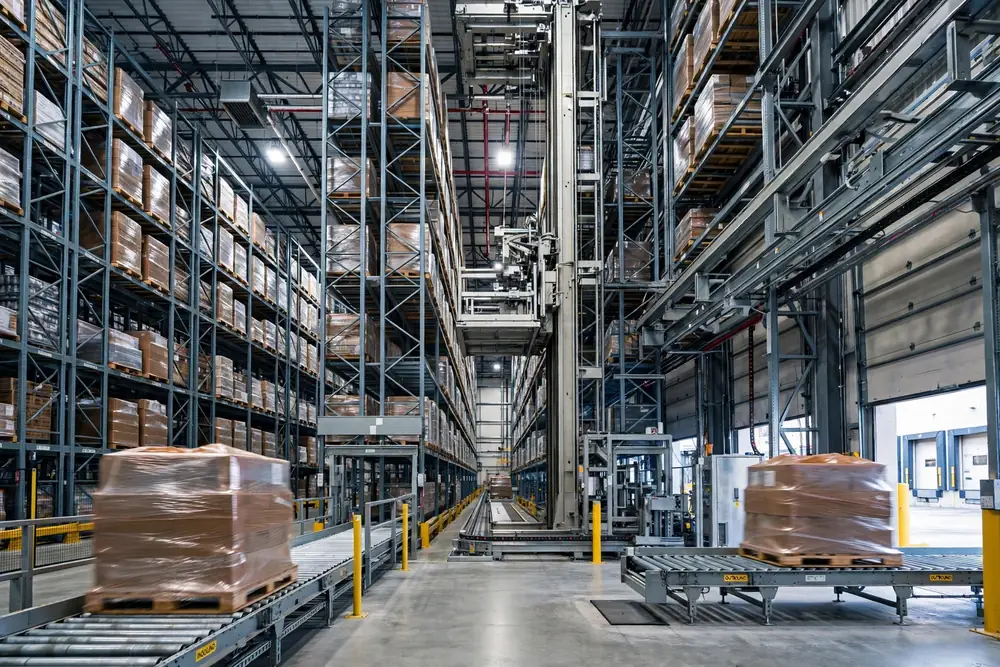
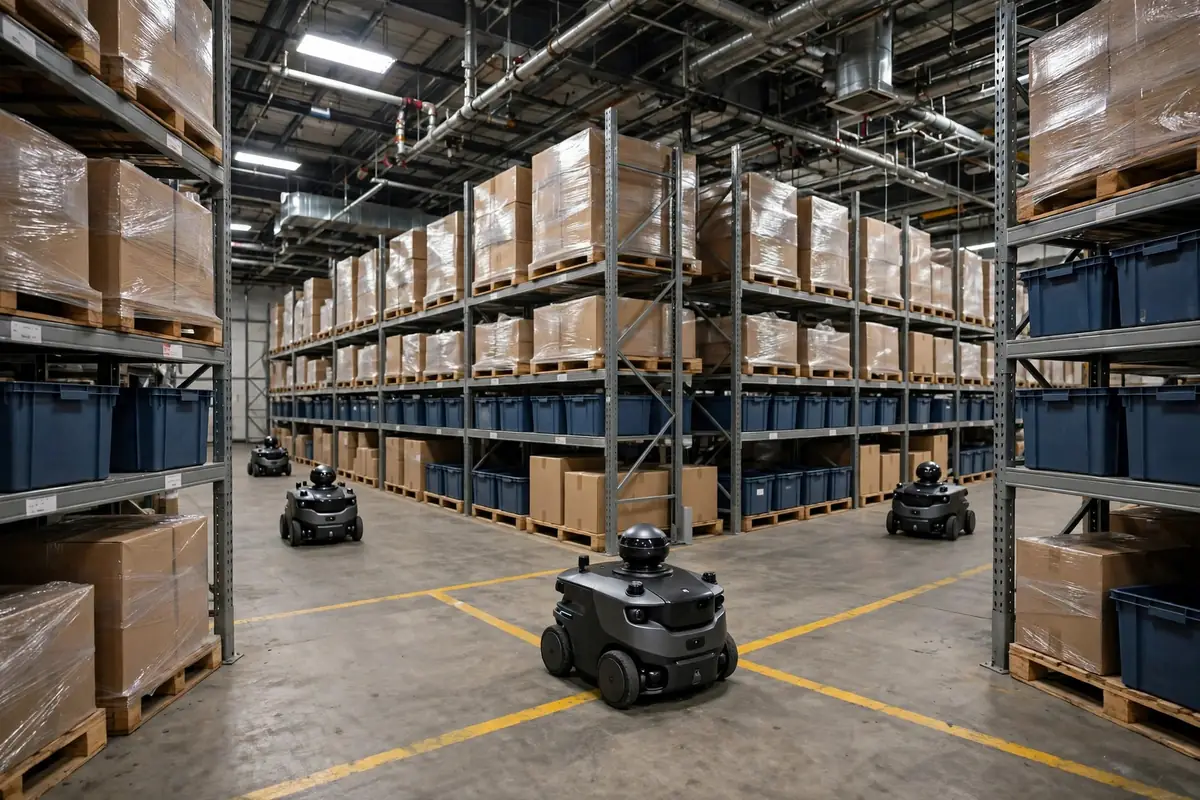
The starting point of certification is not contacting an agency. It is getting the product classification right. The same piece of automation equipment can touch several dimensions at once in the certification system: electrical safety, mechanical safety, functional safety, electromagnetic compatibility, and battery safety. Conveyors, lifts, automated guided vehicles, stacker cranes, shuttles, and sorting systems differ in structure and risk, and their certification paths differ accordingly.
A common misunderstanding is to treat certification as one certificate for the whole machine. In practice, certification usually advances in layers. Critical components are certified first, the complete machine is then evaluated, and after system integration the on-site installation must also meet the relevant requirements. Consider a machine whose motors, switched-mode power supplies, cables, and controllers already hold the relevant certifications. Its whole-machine evaluation will be noticeably shorter and simpler. If, on the other hand, the critical components carry no certification record, the whole-machine evaluation has to cover many more test items, and the timeline stretches accordingly.
Based on publicly available material, the common certification paths for automation equipment fall broadly into three groups. The first is listing certification for electrical products, which applies to finished equipment. The second is certification for components, which applies to critical parts. The third is evaluation for specific applications, for example equipment involving functional safety or hazardous locations. The test scope, factory inspection requirements, and certificate maintenance differ across these paths. Before starting, a maker should ask a professional body to carry out a product classification assessment, establish which paths the equipment falls under, and then decide the order of investment. That preliminary step costs relatively little, and it prevents expensive detours later.
The Second Gate: UL Certification Factory Inspection and Ongoing Compliance Are Harder Than Getting the Certificate
Many makers assume sample testing is the hardest part of UL certification. Experience suggests the real test of long-term capability is what comes after the certificate: factory inspection and ongoing compliance. The certification body inspects the production plant on a regular basis, checking incoming material control, production processes, test records, marking management, and change control for critical components. Any systematic deviation in one of these areas can affect the validity of the certificate.
One pattern deserves attention. Plenty of makers invest heavily in their first certification, producing an excellent sample, but fail to carry the same quality control into mass production. When the factory inspection arrives, the inspector finds differences between mass-produced units and the sample in components or processes, and the problem surfaces. The logic of the certification system is that the certificate covers not one sample machine, but products manufactured continuously to the required standard. A gap between sample and mass production is a substantive issue in this system, not a minor blemish.
In terms of cost structure, the certification investment broadly divides into four parts: testing fees, factory inspection fees, certificate maintenance fees, and the product rework needed to meet the requirements. The rework component varies the most, depending on how mature the product design is. A design that leaves margin for North American electrical practice from the start, and uses already-certified components, will cost far less to fix. A product that is redesigned after it is frozen, with structural changes, component swaps, and extra testing, will cost several times more and take far longer. Specific fees should be confirmed against the latest quotation from the certifying body. They vary too widely by product and test scope to be summarized in a single figure.
The Third Gate: Standards Change, and Certification Is Never Finished
Certification has another feature that is easy to overlook: the standards themselves keep changing. Electrical safety standards, functional safety standards, and battery standards are revised as technology develops and as accident cases accumulate. After a standard is updated, products holding existing certificates may need re-evaluation, or may have to complete corrective work within a set period. For exporters, this means certification is not a one-off investment. It is an ongoing management task.
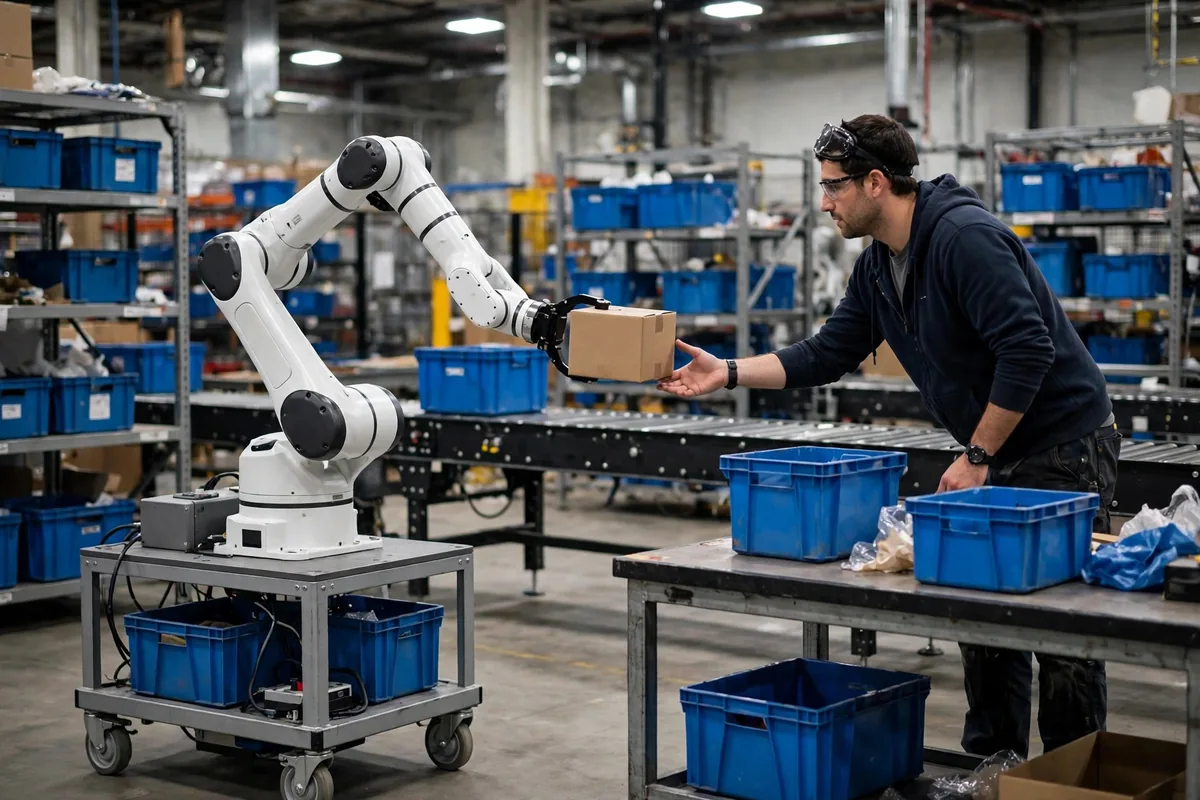
Another reality is that the US market's compliance requirements for automation equipment do not come from UL alone. Occupational safety rules, fire codes, local electrical regulations, and customers' own supplier audits can all add requirements. Certification provides the product-level compliance record. On-site installation, system integration, and operator training still have to be completed jointly by the maker, the integrator, and the end customer. Treating UL certification as a passport that settles everything once the equipment reaches the US misreads the system.
A comparison is instructive. The European CE system and the North American system follow visibly different logics. Europe places more weight on the maker's own declaration and technical documentation, while North America places more weight on third-party testing and continuous factory inspection. Neither system is superior in itself. But a maker that approaches UL with a CE mindset is likely to stumble at factory inspection and ongoing compliance. Conversely, a maker that has mastered the North American system will usually find other markets' third-party certification much easier to handle.
A Practical Order of Work
Pulling this together, an automation equipment maker can proceed in the following order. First, product classification and gap analysis: ask a professional body to establish the certification paths involved and the existing gaps, and produce a written gap list. Second, component review: check the certification status of each critical component one by one, and prioritize replacing critical parts that carry no certification record. Third, design rework and sample testing: solve structural, wiring, marking, and protection issues at the design level, rather than patching them at the test site. Finally, factory inspection preparation: build the quality records and change-control processes that match the certification requirements, so mass production stays consistent with the sample.
The value of this order is that it turns certification from a year-end rush to get a certificate into a normal part of the product development process. The earlier certification requirements enter the design inputs, the lower the later rework cost, and the more controllable the timeline. For a maker planning to operate in the North American market for the long term, that point matters more than simply comparing which body quotes the lowest fee.
Stepping back, the central question of this certification landscape is not really whether to do it. It is in what order, and to what depth. Which gates automation equipment must pass to enter the US depends on the equipment type, the target customer, and the market strategy. The one thing that seems certain is that, as North America's compliance threshold keeps rising, certification capability is turning from a cost item into a source of competitiveness. Makers that treat certification as market-access infrastructure, and manage it as such, will walk more steadily in the next round of competition. As for the specific certification path and investment range for any given product, those still need to be confirmed against the latest assessment and quotation from the certifying body. That point is worth repeating.
By Dr. Chen, Supply Chain Researcher