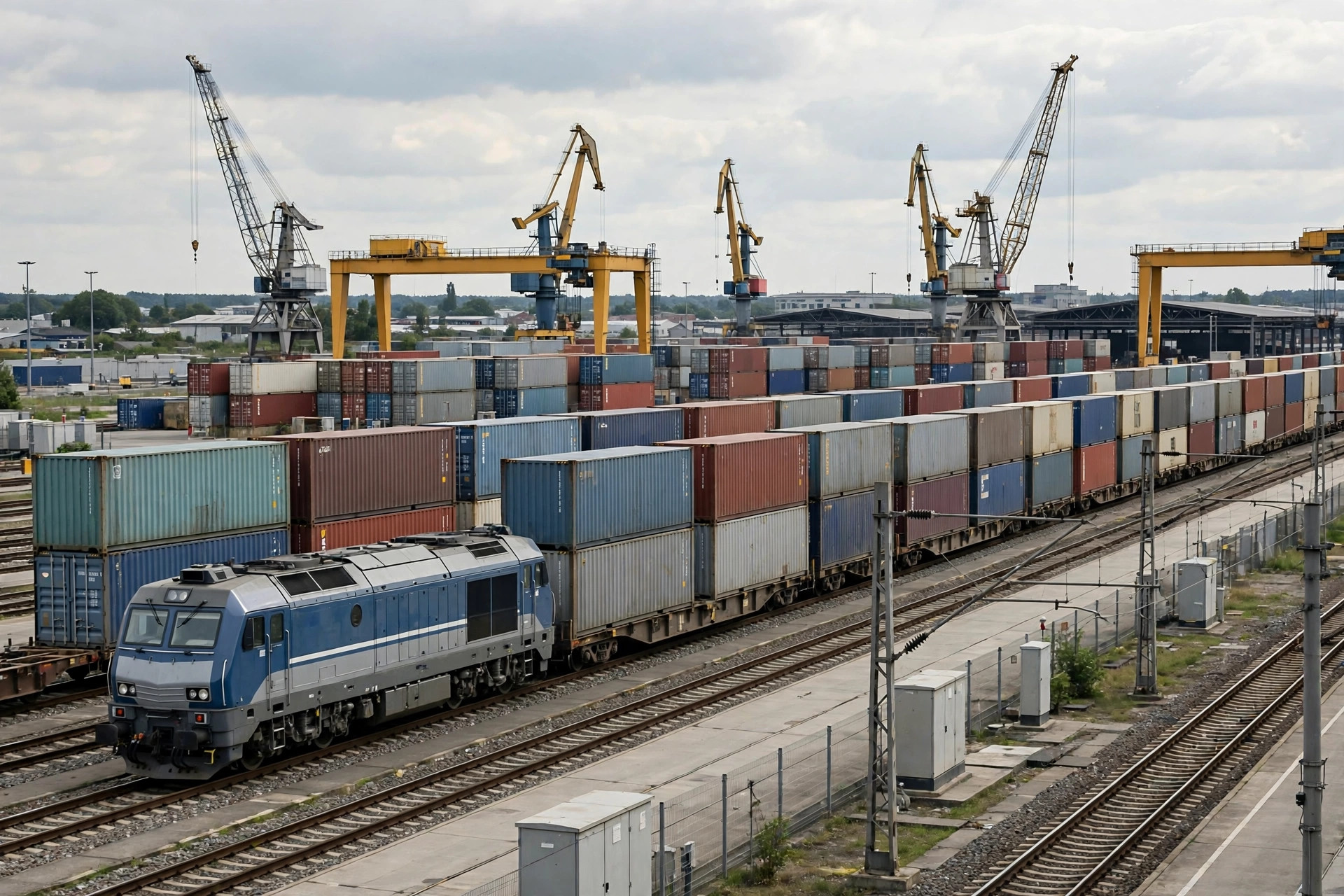
We have a client — let's call him Li — who sells home appliances out of Shenzhen. Autumn 2023, first time using a UK overseas warehouse. The day his container landed at Felixstowe, he called me, voice cracking: "Susan, customs is holding my goods! The broker says I have to pay import VAT upfront — the shipment is worth about £65,000, 20% is £13,000, cash, right now, or they won't release it!"
I told him: Li, relax. That money never had to leave your account today.
"Wait — what?"
That's what I want to talk about — because in UK overseas warehousing, the port is where margins go to die. Since Brexit, UK customs clearance plus VAT is a completely different game from what it used to be. Most brands learn this the expensive way, standing at the port. Those of us on the 3PL side? We've had the playbook memorized for years.
Lesson One: Post-Brexit, the Customs Gate Really Did Change
Here's some insider truth from the 3PL side: before Brexit, shipping from the EU into a UK warehouse was basically like interstate trucking — the lorry rolled in and unloaded. Now? Every single shipment is a formal import. Declarations, inspections, duties. Not one step can be skipped.
Three things will grab you by the throat:
First, the EORI number. Without it, your goods are invisible in HMRC's system — you can't even file a declaration. Applying isn't hard, but plenty of sellers only think of it when the container is already at the port, burning demurrage by the day.
Second, the CDS system. The UK's customs declaration platform is now the Customs Declaration Service; the old system is retired. Declarations demand more detail — commodity codes, origin, value. Get one field wrong and you're pulled for inspection. One inspection means amendment fees plus storage, a few hundred pounds gone — and your broker won't be picking up that tab.
Third, rules of origin — the sneaky one. Another client of ours, a womenswear seller from Hangzhou, shipped a batch in early 2024. Fabric from China, sewn in Vietnam, and the origin paperwork wasn't complete. Duties jumped from the preferential rate straight back to the standard MFN rate — double digits more, overnight. Exact rates change; always check the official published policy. But the logic never changes: incomplete origin docs, higher duty.
So here's negotiation advice number one: who owns customs clearance — your 3PL end-to-end, or your own broker? Get EORI and CDS filing responsibilities in writing, and spell out who pays for inspection storage and amendment fees. When a quote lists "customs service" as one vague line item, there's margin hiding in there. The client should know that.
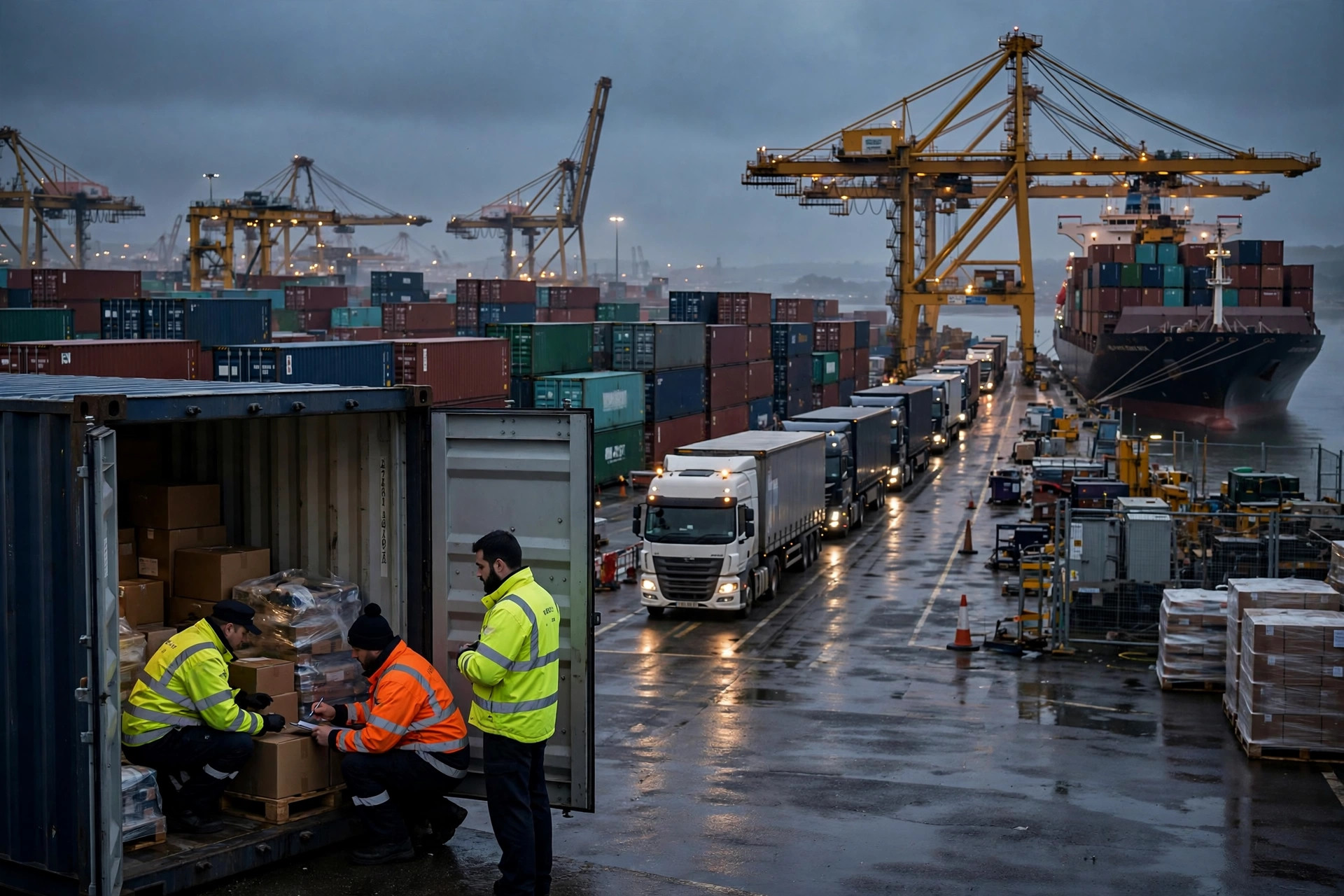
The VAT Play in UK Warehousing: Postponed Accounting Is a Cash-Flow Tool, Not a Cost
Back to Li's £13,000. Here's the contrarian take: UK import VAT, handled right, isn't a cost — it's a cash-flow instrument.
The UK standard VAT rate is 20%. That's fixed. But how you pay it? That's where the game is. The old way: pay cash at the port before your goods are released, then reclaim it later. A seller moving a dozen containers a year ends up with tens of thousands of pounds permanently parked at the border. That's a leg cut off your working capital.
After Brexit, the UK introduced PVA — Postponed VAT Accounting. The logic is simple: if you're UK VAT-registered, you don't pay cash at the border. You declare and reclaim the import VAT on the same VAT return. Goods get released, cash doesn't move. Anyone with a finance background can do that math in their head.
But there are three traps, and we've seen them all:
First, many freight forwarders and brokers never mention PVA. Why would they? Collecting VAT at the port earns them handling fees and float on your money. You don't ask, they don't tell.
Second, PVA requires a UK VAT number. Here's the kicker: overseas sellers have no registration threshold in the UK. A domestic business only registers mandatorily at £90,000 of taxable turnover; an overseas seller must register from its very first taxable sale. Plenty of sellers start the registration when the ship is already docking — by then, PVA can't help them.
Third, PVA is a deferral, not an exemption. The return still has to be filed correctly, and HMRC fines for getting it wrong are no joke. If you're unsure, talk to a local tax adviser — don't freelance it.
So negotiation advice number two: PVA or upfront payment at the port — lock it into the quote in writing. And ask this: can your tax partner handle my VAT registration as a bundle? A 3PL that can package it saves you at least a month of hassle.
The Last-Mile Web in UK Warehousing: Royal Mail vs DPD vs Evri
Goods are in the warehouse. Now, last mile. The UK's big three carriers each have their own personality — here's the 3PL-side breakdown:
Royal Mail is the coverage king. Nowhere in the UK it can't reach — Scottish Highlands, offshore islands, all of it. The default for small, light parcels, and reasonably priced. The weak spot: coarse tracking, and lost-parcel disputes take patience.
DPD is the service-and-speed player. Granular tracking down to where the driver is, plus predicted delivery windows. Use it for higher-ticket goods and you'll even see fewer returns. The downside is exactly one thing: price.
Evri (formerly Hermes) is the price slasher. Quotes can come in far below the others — great for low-ticket, high-volume goods. But peak-season meltdowns are its tradition, reviews are polarised, and I'd never put valuables on it.
Insider moment: some 3PLs quote you an "all-in last-mile rate." Sounds convenient — but behind it, they're smart-routing each parcel across carriers and pocketing the spread. Nothing shameful about it, but you need to know the spread exists before you can negotiate it. The mature play is split routing by parcel profile: small parcels on Royal Mail, high-ticket on DPD, volume on Evri. Never one basket for all your eggs.
Three Routes, One Table: UK Warehouse vs Direct-from-China vs EU Transit
Clients ask me all the time: do I really need UK overseas warehousing? Can't I just ship direct? Here's the table — decide for yourself:
| UK warehouse, domestic dispatch | Direct from China (dedicated line) | EU transit (NL/DE warehouse) | |
|---|---|---|---|
| Customs | Once, at the UK port | Every parcel clears UK customs | Twice: into the EU, then into the UK |
| VAT handling | PVA deferral available, friendly cash cycle | Per-parcel, fragmented tax admin | Two VAT regimes, UK + EU — double complexity |
| Last-mile speed | Domestic network, next-day class | Long cross-border transit, customs variance | UK leg still cross-border, one extra hop |
| Returns | Local returns, good experience | Returning to China costs a fortune | Returns land in the EU warehouse — poor UK customer experience |
| Best for | 50+ orders/day, long-term UK play | Product testing, small trial batches | EU-first sellers with the UK as a side market |
See it? Fifty orders a day is the watershed. Below that, direct-from-China for testing is the cheapest path. Above it, a UK warehouse wins on total cost and customer experience almost every time. And the EU transit route has been getting worse since Brexit — double clearance, double VAT. Unless you already run a big EU warehouse, don't bother.
Next Time You Negotiate a Contract, Ask These Three Questions
That's a lot of words — let me distill it into three questions. Next time you're negotiating a UK overseas warehousing contract with a 3PL, ask:
One: who owns customs clearance? Do you handle EORI and CDS filings, or do I bring my own broker? Who pays for inspection storage and amendment fees?
Two: import VAT — PVA deferral or cash at the port? Write it into the quote. Don't let your cash flow die at Felixstowe.
Three: last mile — one carrier for everything, or smart split-routing per parcel? What's the routing logic? How are returns and reverse logistics charged?
Ask those three and the other side knows they're dealing with someone who understands the business — and the padding in the quote tends to squeeze itself out. We're a little afraid of clients who question everything. But honestly? Those are also the clients we respect the most.
By Susan, 3PL Sales Director