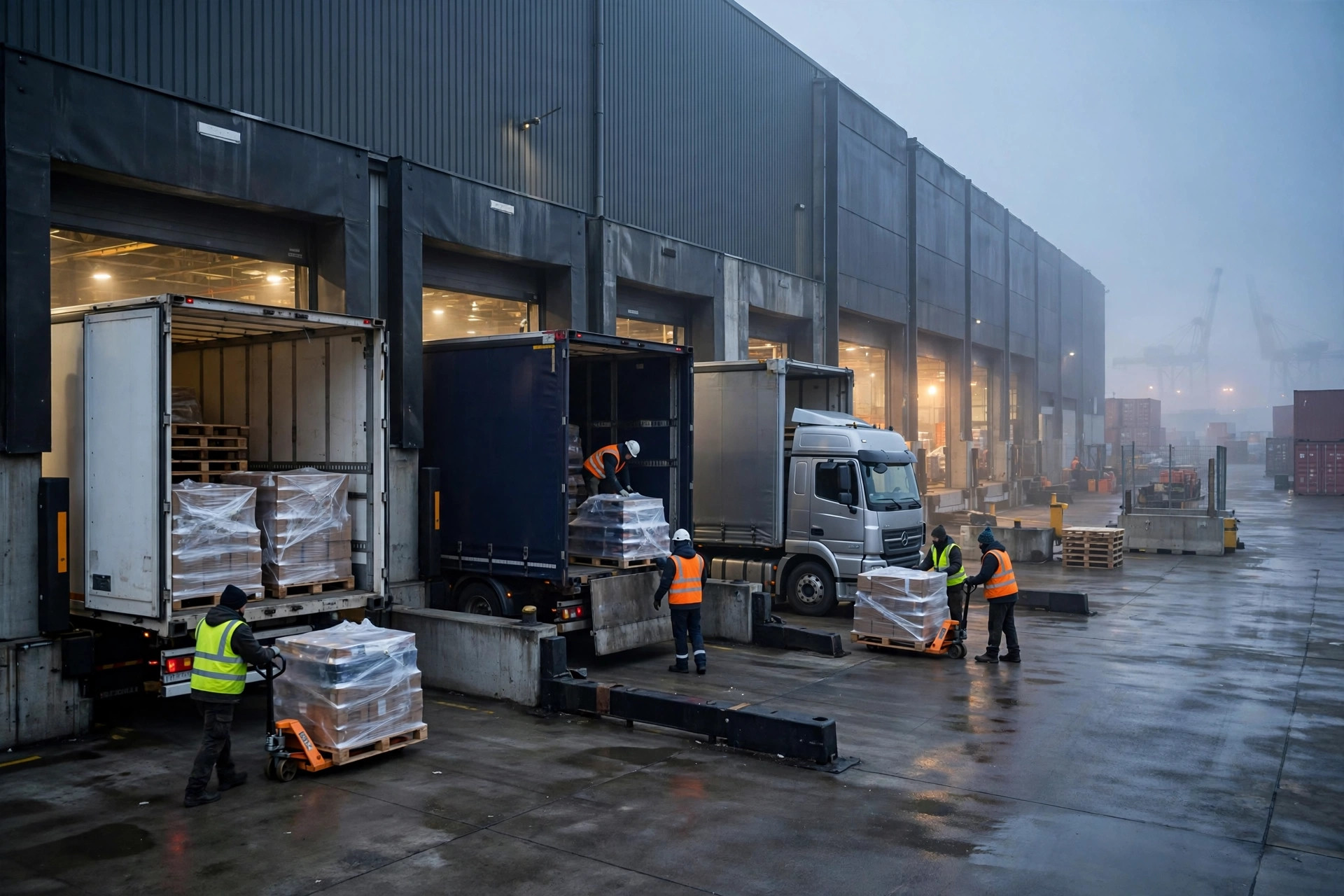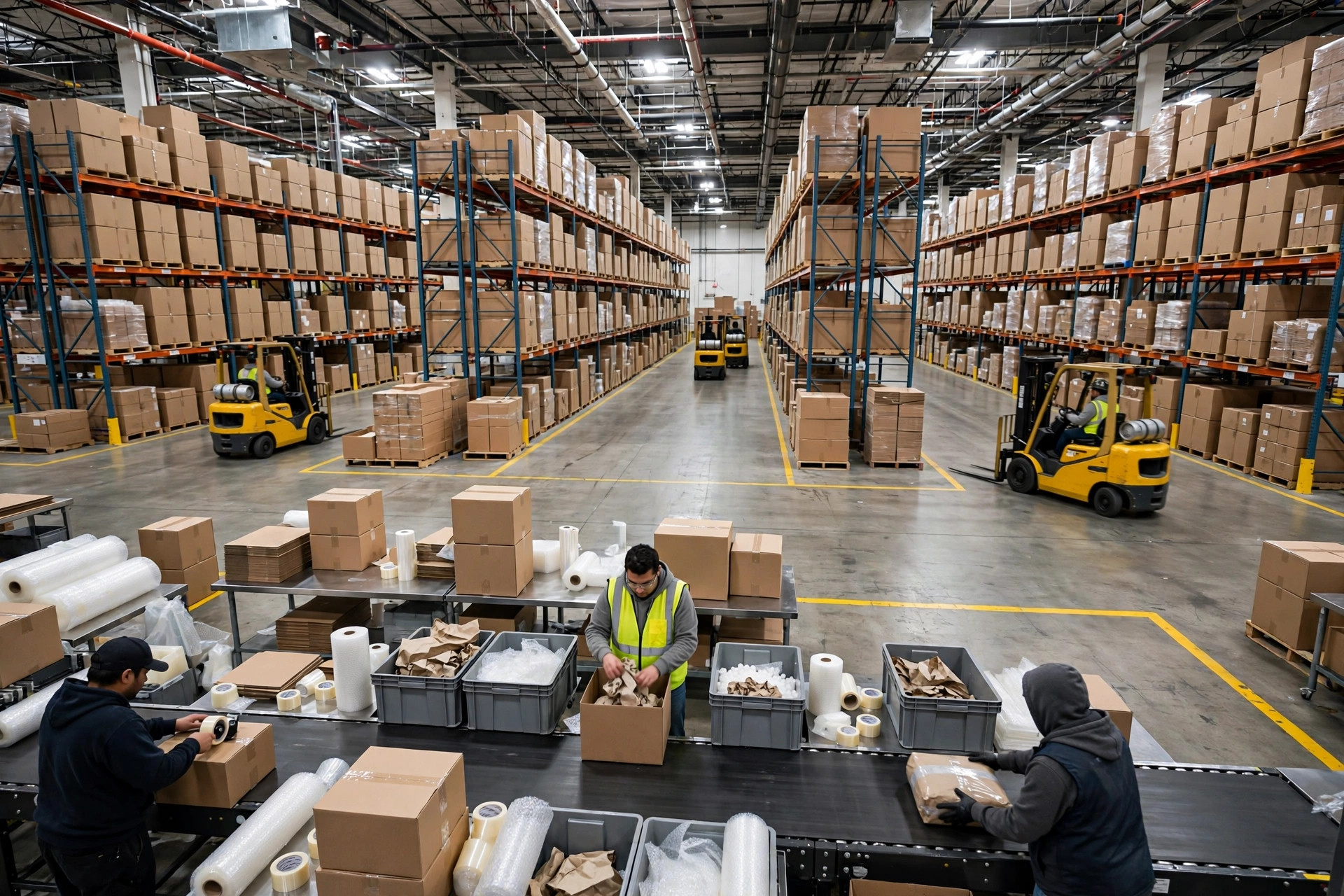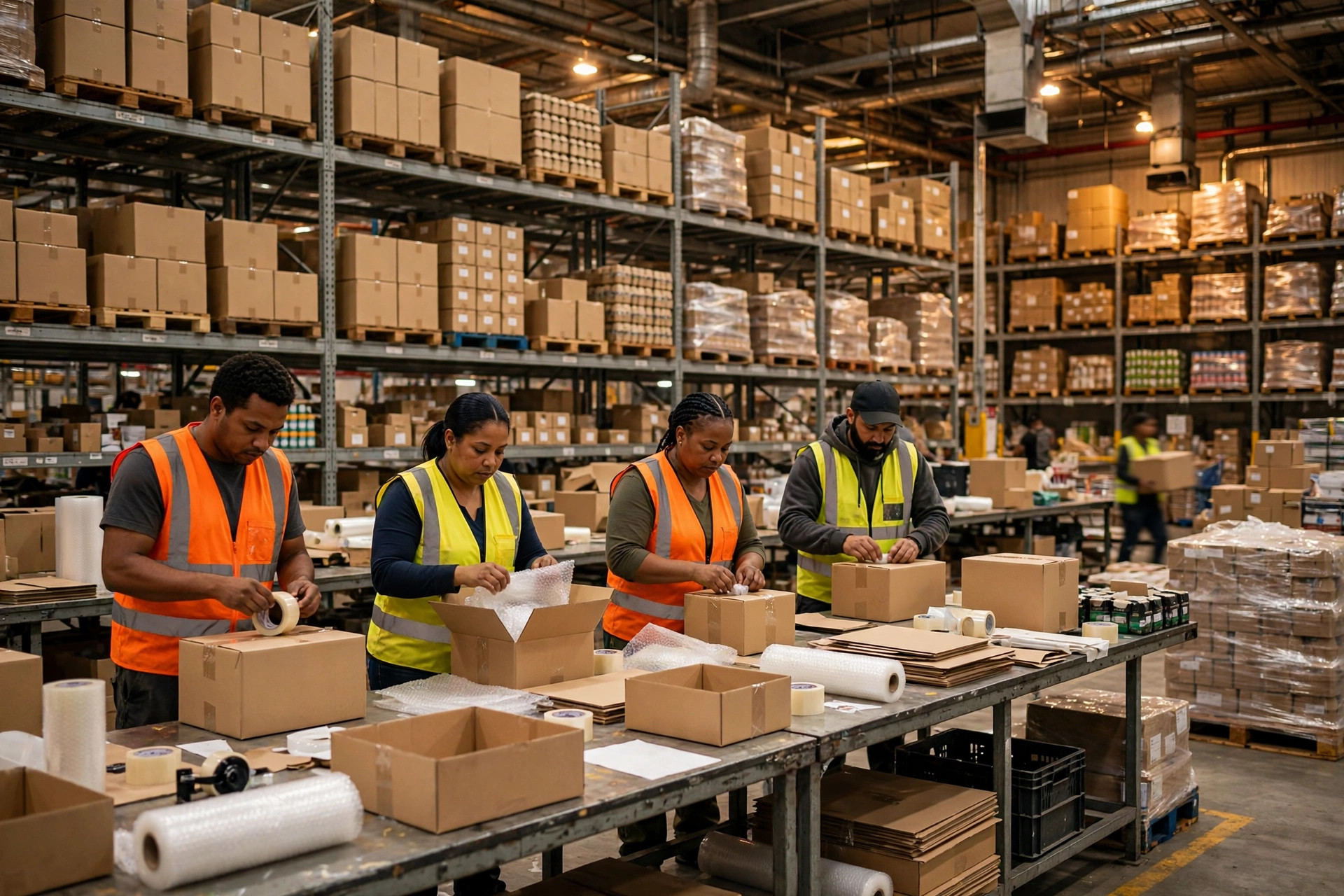
In 2025 I shipped my first batch of inventory into a South Africa overseas warehouse. Yes, that South Africa. Because Amazon US clicks are running me three bucks a pop, and I'm done fighting that war.
Takealot is South Africa's biggest ecommerce platform — founded back in 2011. Amazon showed up in South Africa in May 2024, but Takealot is still the local king. I rented warehouse space in Cape Town, my first container landed in July 2025, and today I'm laying out everything I learned about customs, stocking rhythm, last-mile delivery, and returns. With the math done for you.
Why South Africa? Because Nobody's Fighting You There
Let me rant for a second: most cross-border sellers spend 90% of their energy fighting price wars and 10% actually making money. Completely backwards.
What's good about South Africa? Three things.
First, no competition. The number of Chinese sellers on Takealot is a rounding error compared to Amazon. You list a product and there are maybe 3 to 5 competitors ahead of you. In the US, you're number 300.
Second, margins aren't bad. The rand sounds cheap, but South Africa's middle class actually spends. A home gadget selling at R299 leaves me fatter margins than the same product in the US.
Third, traffic is cheap. Takealot's on-site ads are still blue ocean. What one click costs there wouldn't buy you a fraction of a click in the US.
South Africa Overseas Warehouse Step One: Takealot's Fees, Decoded
Takealot's fee structure is four line items. The numbers below come from the platform's published seller policies — always re-check the official fee schedule before you sign up, because this stuff changes.
| Fee | Roughly | Notes |
|---|---|---|
| Monthly subscription | R400/month (excl. VAT) | Fixed cost per seller account, no way around it |
| Success fee (commission) | 5%–18% by category | Consumer electronics ~5%–9%, home & kitchen ~12%–15%, fashion up to ~18% |
| Fulfilment fee | By size and weight, light items from ~R30 | Under 7kg counts as light; heavier costs more |
| Storage fee | Free if stock cover is 35 days or less | Past 35 days they start charging; dead stock burns cash |
Two traps to watch: first, the success fee is calculated on the VAT-inclusive selling price, not on what you pocket. Second, the success fee gets credited back on returns, but the fulfilment fee in both directions does not. High-return categories mean working for free.
Quick math. Say you sell a small night light at R299:
- Success fee at 13%: ~R39
- Fulfilment (light item): ~R30
- Monthly sub per order: negligible once you have volume
- Left: ~R230, then subtract product cost, first-leg freight, and customs clearance
So price your product after deducting all of this, not before. I've watched too many sellers calculate profit as "price minus product cost," then realize three months in they've been working for the platform.
Customs: Three Ways SARS Burned Me
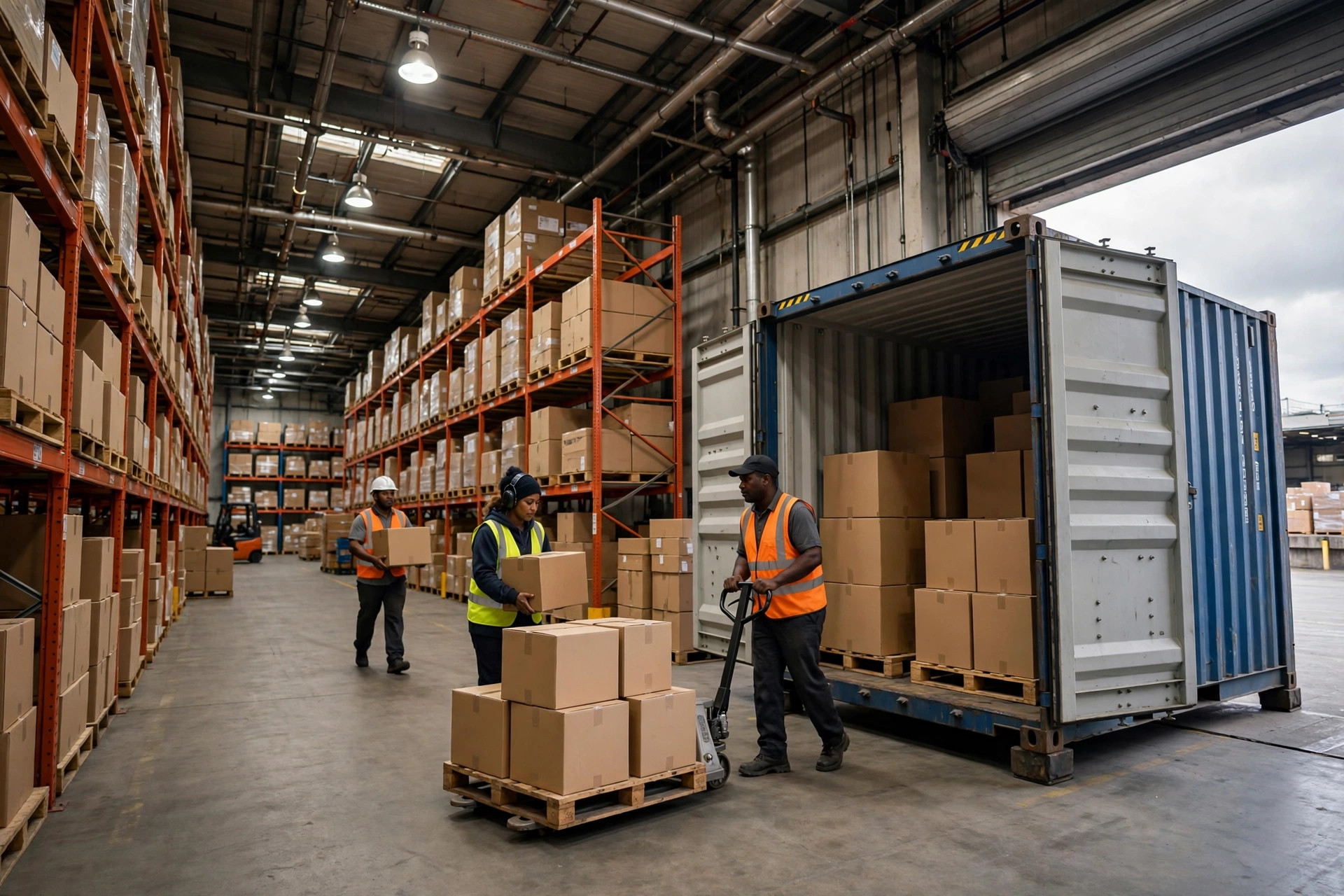
South Africa's customs authority is called SARS. Stricter than US customs, slower than US customs. Three traps:
Trap one: the importer code. Commercial imports require a SARS importer code. Foreign company? Then you register first, then appoint a local South African agent. My first shipment got stuck on this — the vessel was already at Durban port while my code was still "in process," and demurrage burned by the day. Rule: code in hand before the goods sail.
Trap two: don't guess your HS code. South African import duties run 0–45%, with clothing and textiles topping out at 40%–45% and electronics at 0–20%. One wrong digit in the code and your duty rate can swing by dozens of points. Get caught and it's back-taxes at best, seized goods at worst. Hire a decent local clearing agent; don't cheap out on this.
Trap three: 15% import VAT. It's calculated on the customs value plus a 10% upliftment plus any duty. The good news: if you're registered for VAT in South Africa, you can claim it back later. The bad news: if you're not, you just eat it.
Real case: my friend Chen shipped a batch of women's clothing to South Africa in November 2025, figuring "Africans need clothes too." Customs hit it at over 40% duty, plus the 15% VAT, and his landed cost basically doubled. Listed on Takealot at a price higher than local goods — sold zero. The whole batch sat in a Johannesburg warehouse collecting dust, and once the 35-day free storage ran out, the storage fees started. Bloody lesson: the highest-duty category is the one beginners should avoid.
Stocking, Last-Mile, and Returns: Playing the Slow Game
First-leg sea freight from China to South Africa runs 30–45 days door to door. Tattoo that number on your brain.
My stocking formula: safety stock = daily sales × lead time in days × 1.3. The 1.3 covers customs inspections and port shenanigans — South African ports have their moments, don't ask me how I know.
My first batch, July 2025: 2,000 Bluetooth earbuds, 38 days at sea to Cape Town. First week on Takealot: 47 orders. Second week: 63. I reordered by the formula, 3,000 units landed end of September, right on time. I did stock out once — 3 days — and my ranking dropped two pages. Took a week to climb back. Lesson: in a South Africa warehouse, overstock by 20% rather than stock out. Listing weight recovers way slower here than in the US.
Last-mile: Takealot runs its own delivery network (originally the Mr D courier team), with warehouses in Johannesburg, Durban, and Cape Town. Big cities are fine — Cape Town order shipped from Johannesburg arrives in a few days. But townships and rural areas? Delivery times fall apart and lost parcels spike. Check the buyer's address before you promise anything, and prep your customer-service script for remote orders.
Returns are the biggest hidden cost. Fashion and footwear return rates are brutal, and you pay the freight both ways. That's why I only do 3C accessories and small home goods — low return rates, and a dead unit doesn't hurt.
Here's my counter-intuitive take: people call Africa a "small market." I call it a "slow market." In the US, if your listing doesn't pop in 3 months, it's dead. In South Africa, a listing climbs slowly, starts selling steadily after half a year, and keeps eating for two years. No hijackers, no fake negative reviews, nobody changing your price at midnight. Slow, but steady. This one actually worked for me.
Pitfall checklist (steal it)
- Get the importer code first, ship the goods second
- Have a local clearing agent verify your HS code — don't DIY it
- Beginners: avoid clothing and textiles (40%–45% duty); start with 3C accessories and small home goods
- Stock to "daily sales × 45 days × 1.3" minimum — better over than under
- Watch the 35-day stock cover like a hawk; clearance-sale anything stagnant
- High-return categories + overseas warehouse model = think twice
- All rates per Takealot's latest official policy; figures here reflect published policies checked October 2026
The South Africa overseas warehouse game isn't gated by money — it's gated by information. The information gap is still there. Move now.
By Ah K, E-commerce Seller (5 yrs)