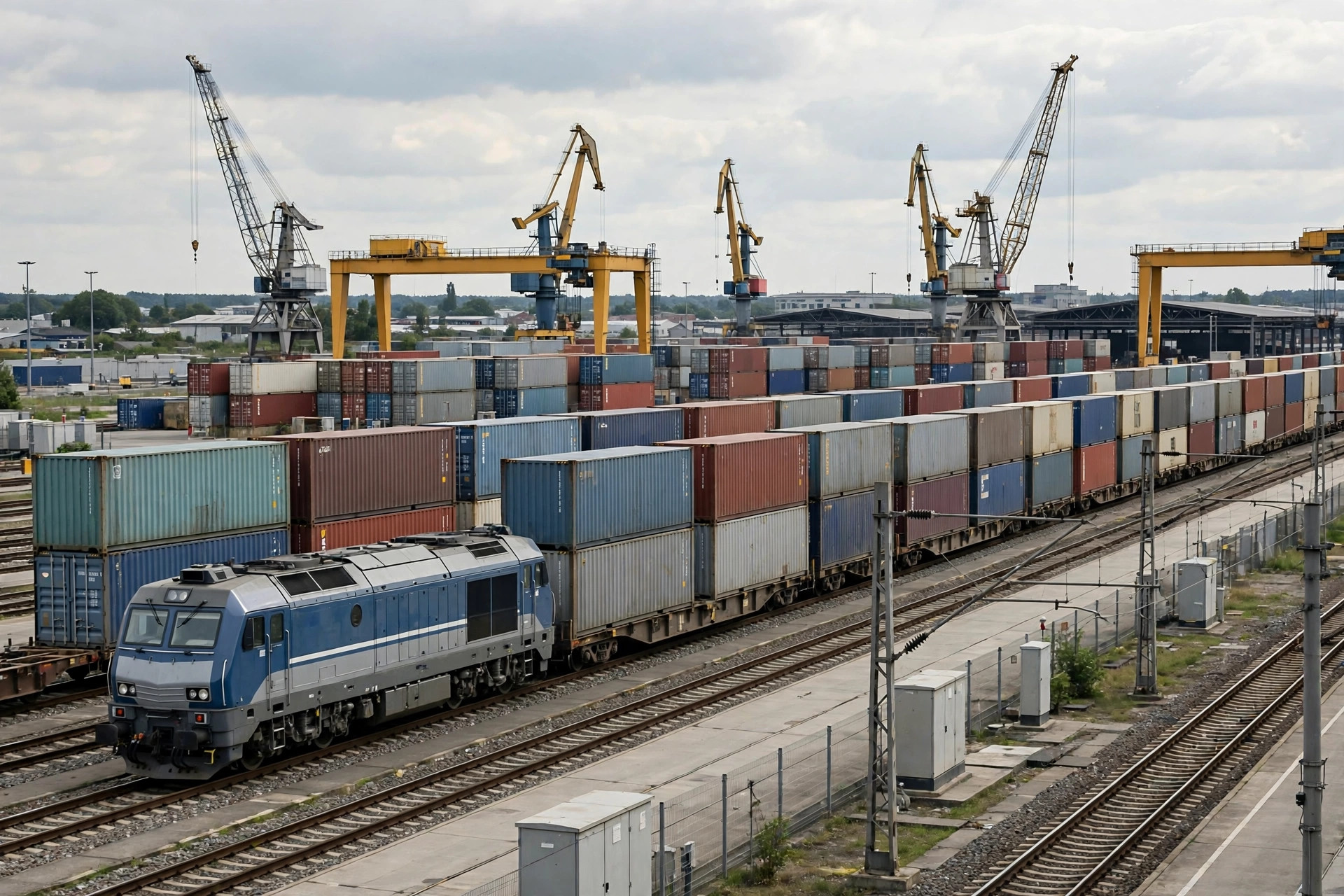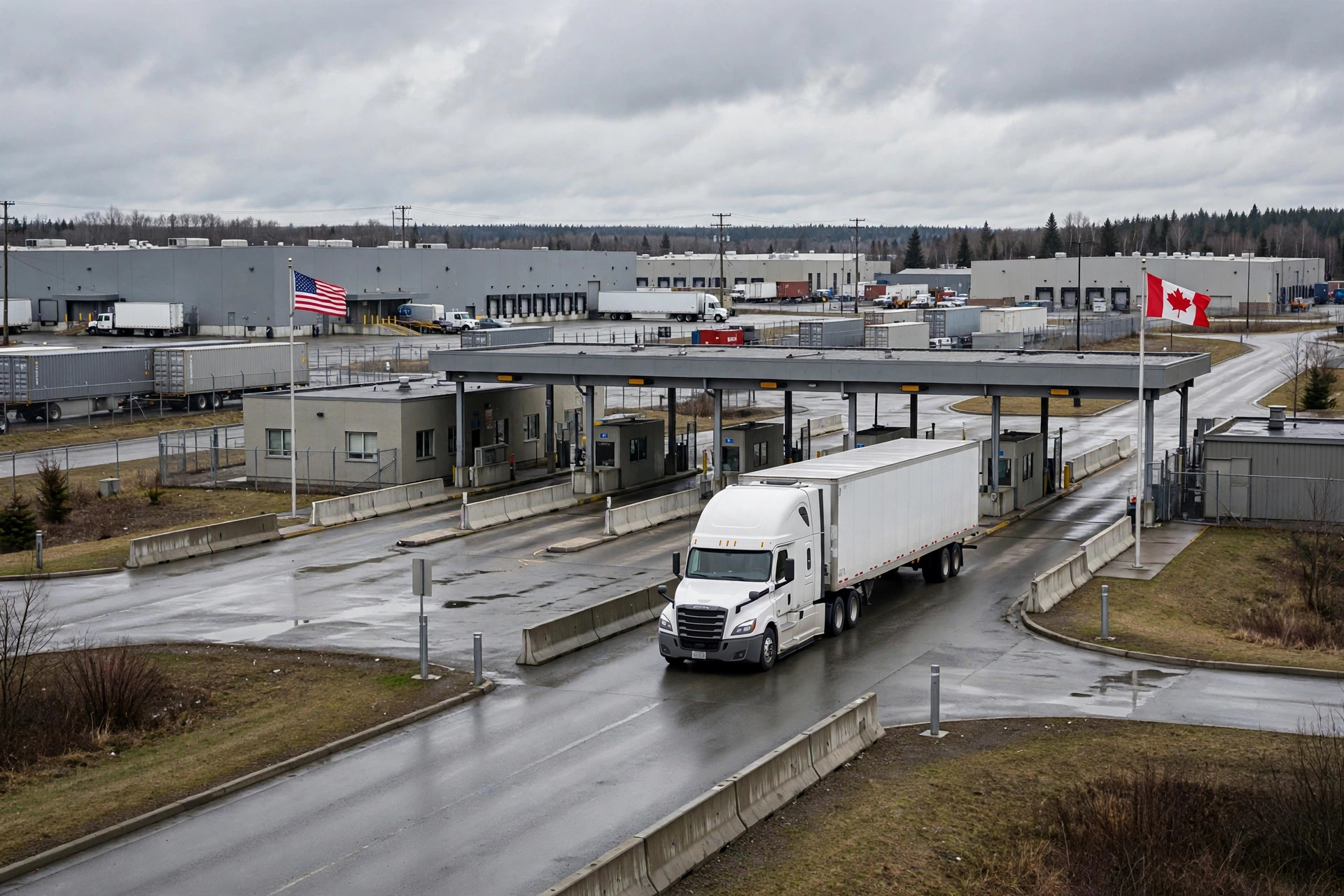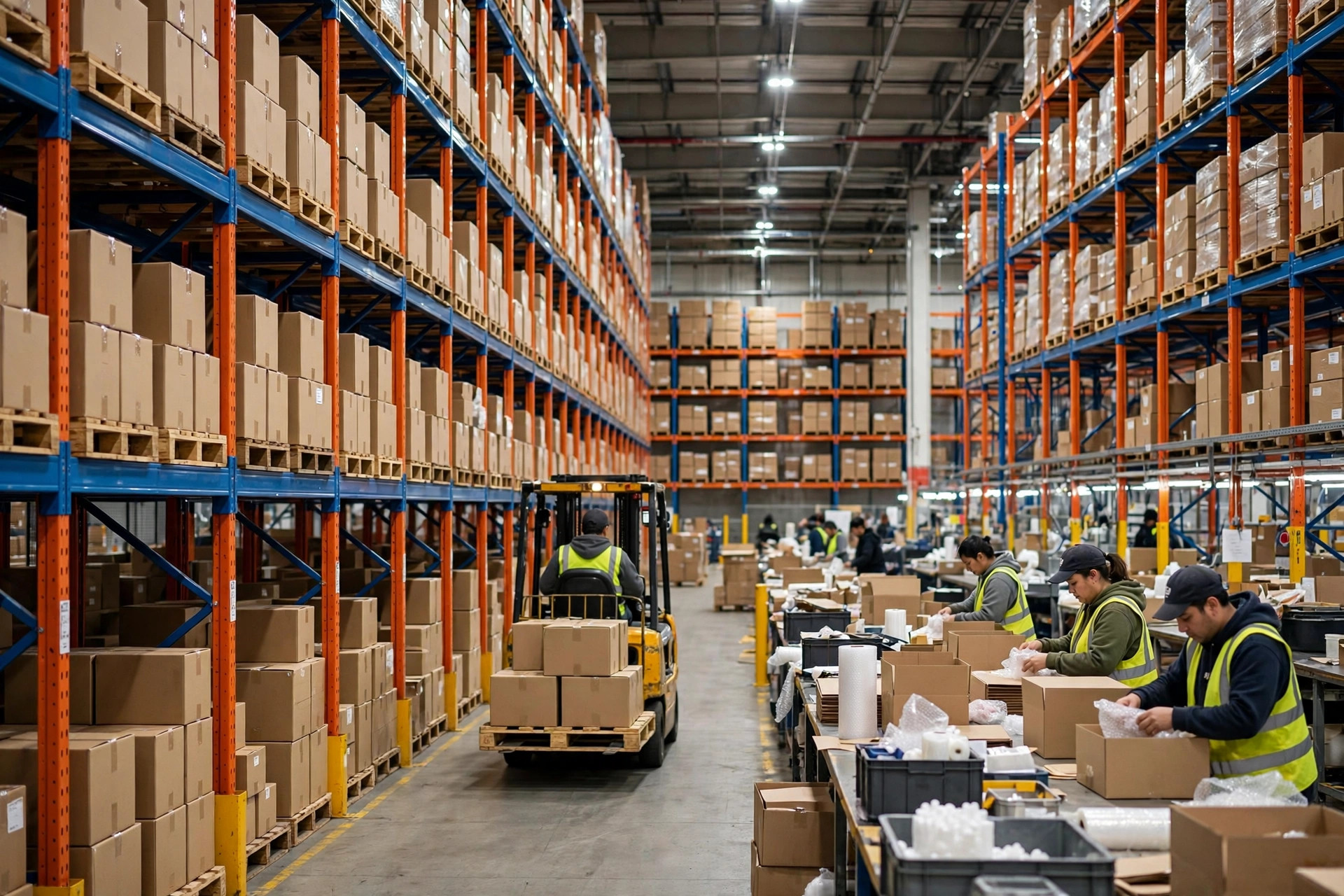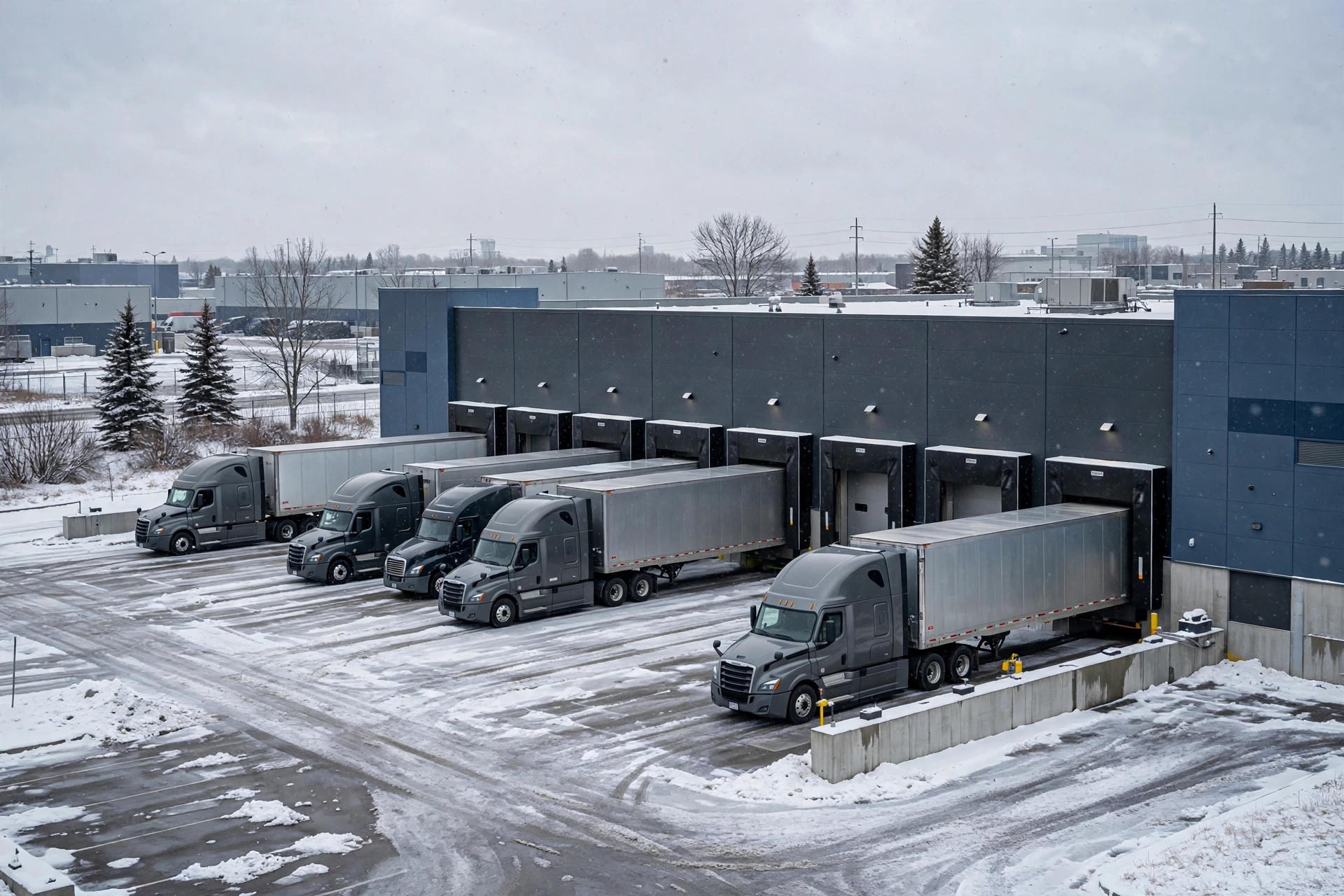
One of our clients — a pet supplies seller from Shenzhen — shipped his first container to Canada in December 2025, a full small box bound for a 3PL warehouse near Toronto that we work with. The day the container arrived at the Port of Montreal, he told me cheerfully, "Susan, the warehouse contract is signed. Now we just wait for the listings to go live." I told him not to celebrate yet, and to ask his customs broker whether his NRI was in place. He went quiet. "What is NRI?"
That is hurdle number one for Chinese sellers landing an overseas warehouse in Canada — and the one that should never have tripped him up.
Hurdle One: NRI Status — Without This Number, Your Goods Don't Clear
NRI stands for Non-Resident Importer. In plain English: a Chinese company can hold importer status with Canadian customs. Register with the CRA (Canada Revenue Agency), get a Business Number, and you can clear customs, pay duties and taxes, and claim tax credits in your own name. Sounds welcoming, right? Canada genuinely lets foreign businesses act as their own importers, unlike some countries that force you through a local agent.
But the reality I see as a sales director: seven out of ten clients I meet hear the term for the first time when their goods are already on the water. Their default logic is: I hired a 3PL, the 3PL handles everything. And on the 3PL side, nobody asks about your NRI when signing the contract — because in this business, a 3PL handles what happens inside the warehouse: picking, packing, shipping. Tax compliance is your problem. That's the insider truth, plain and simple: anything not written in the contract isn't our responsibility.
That's exactly what happened to the Shenzhen client. When the container arrived, the broker called asking for his CARM account and his bond. He had neither — he had always shipped to the US, and Canada was his first rodeo. The container sat at the port for two weeks, racking up hundreds of Canadian dollars a day in demurrage. In the end he paid nearly twenty thousand extra just at the port, missed his marketplace restocking window, and spent months climbing back in the rankings.
Remember this: the broker is just the errand runner. The importer identity, the tax number, the bond — those are the seller's property. Hand them off to someone else as a blurry "you take care of it" arrangement, and you'll pay it all back with interest.
Hurdle Two: The CARM System and the Bond — Customs' Membership Card
CARM stands for CBSA Assessment and Revenue Management — the Canada Border Services Agency's platform for duties and taxes. Since May 20, 2025, every commercial importer has been required to register in CARM and post a financial bond; no bond, no clearance. This is not a suggestion. It's a hard rule.
Here's my counterintuitive take: the real barrier to a Canadian overseas warehouse was never the warehouse — it's the tax number. Warehouses are easy to find; Toronto and Vancouver are full of 3PLs, and you can negotiate storage and handling rates. But the BN-plus-CARM-plus-bond chain trips up nine out of ten first-timers. Many sellers think "I pay, you handle it," and the money gets paid, the work gets done — except the account number belongs to someone else.
Why does the bond matter so much? Because CARM requires importers to secure their future duty obligations, and customs won't even accept your entry without it. The catch: you need a CARM account to get a bond, and you need a BN to get a CARM account — each step chained to the last, taking anywhere from a few weeks to a couple of months. The brutal conclusion: your ship has sailed while your tax registration is just getting started. That timing gap is the most common way Canadian warehouse launches die.
Hurdle Three: GST/HST — This Tax Bill Lands on the Seller
Canada's tax system runs on two levels. Federal GST is 5%, and provinces layer their own rules on top: Ontario charges HST at 13%, British Columbia combines GST 5% with PST 7%, and Quebec's QST runs around 9.975%. Rates can shift year to year, so always check the latest policy on the CRA and CBSA websites — don't treat an old blog post as gospel.
But more important than the rates are two underlying rules:
First, customs duties themselves are not recoverable — they go straight into your landed cost. It's a sunk cost you must build into your pricing.
Second, GST paid at the border can be claimed as an input tax credit — but only by the importer of record. Who is that? The entity registered under your NRI. Here's the trap: if your broker or 3PL cleared the goods under their own number, the GST invoice carries their name, the credit goes to them, and you get nothing. You've effectively paid a tax someone else gets to recover.
Another client, a home lighting seller from Ningbo, stocked into Canada in the fall of 2025 and sold happily for over half a year before his accountant reconciled the books — and found that not a single GST invoice carried his own company's name. He ended up hiring a Canadian accountant to restate everything, spending tens of thousands of dollars on back filings and penalties. Cheaper by far than registering his own NRI on day one. One more piece of insider honesty: some 3PLs and brokers offer "all-in-one" clearance using their own importer number. It's fast, sure — but the GST credit quietly stays in their hands. Nobody's scamming anyone; you signed the contract.
Running the Numbers: Direct Small Parcel vs. Canadian Overseas Warehouse Stocking
Enough theory — let's do the math. For a typical general-merchandise product selling around 25 Canadian dollars, the per-unit cost looks roughly like this (order-of-magnitude estimates; use your own negotiated rates):
| Cost Item | Direct Small Parcel | Overseas Warehouse Stocking |
|---|---|---|
| International freight | 12–15 CAD per parcel | Ocean freight amortized at 1.5–2 CAD per unit |
| Clearance and taxes | GST on the retail price | Duty + GST on the landed value (GST recoverable) |
| Last-mile delivery | Included in freight | Local courier 6–8 CAD |
| Storage and handling | None | Warehousing + pick-and-pack 2.5–3 CAD |
| Transit time | 12–20 days | 2–5 days |
The conclusion is obvious: once volume is steady, stocking in an overseas warehouse costs meaningfully less per unit — and the delivery time isn't even a contest. But the condition holds: clearance and tax compliance must be in your own hands. If the tax number belongs to someone else, whatever you save on freight comes back to bite you another way.
What the Contract Says — and Doesn't
After years of selling 3PL services, let me say something unflattering about my own industry: "we handle clearance" is the biggest weasel phrase in the business. What the warehouse actually handles is moving your goods from the port to the shelves — not your tax compliance. Whose NRI, whose CARM account, who paid for the bond, whose name goes on the GST invoice — if the contract doesn't spell it out, the default answer is "not yours." And when something goes wrong, the demurrage bill, the fines, and the back taxes all carry your company name.
So before you sign, don't just haggle over storage and handling rates — that's small money. The real money hides in the tax chain.
Next Time You Negotiate, Ask These Three Questions
One: "Whose NRI and CARM account will you clear under? Who pays for the bond?" — Confirm the importer identity is yours and the bond sits under your number.
Two: "Can the GST invoice be issued under my own company's BN?" — Confirm the tax credit stays with you, not with the broker or the 3PL.
Three: "If my tax paperwork isn't ready and the container gets stuck, how do we split the demurrage?" — Write the worst case into the contract now, so there's no fight later.
The Canadian market is worth it — high average order values, relatively softer competition. But unlike the US, it's not a "rent a warehouse and start selling" market. NRI, CARM, GST/HST — clear these three hurdles and a Canadian overseas warehouse becomes your profit multiplier. Trip over any one of them and each becomes a fine. Policy details change every year, so verify everything against the latest CBSA and CRA guidance — but those three questions? You can ask them today.
By Susan, 3PL Sales Director