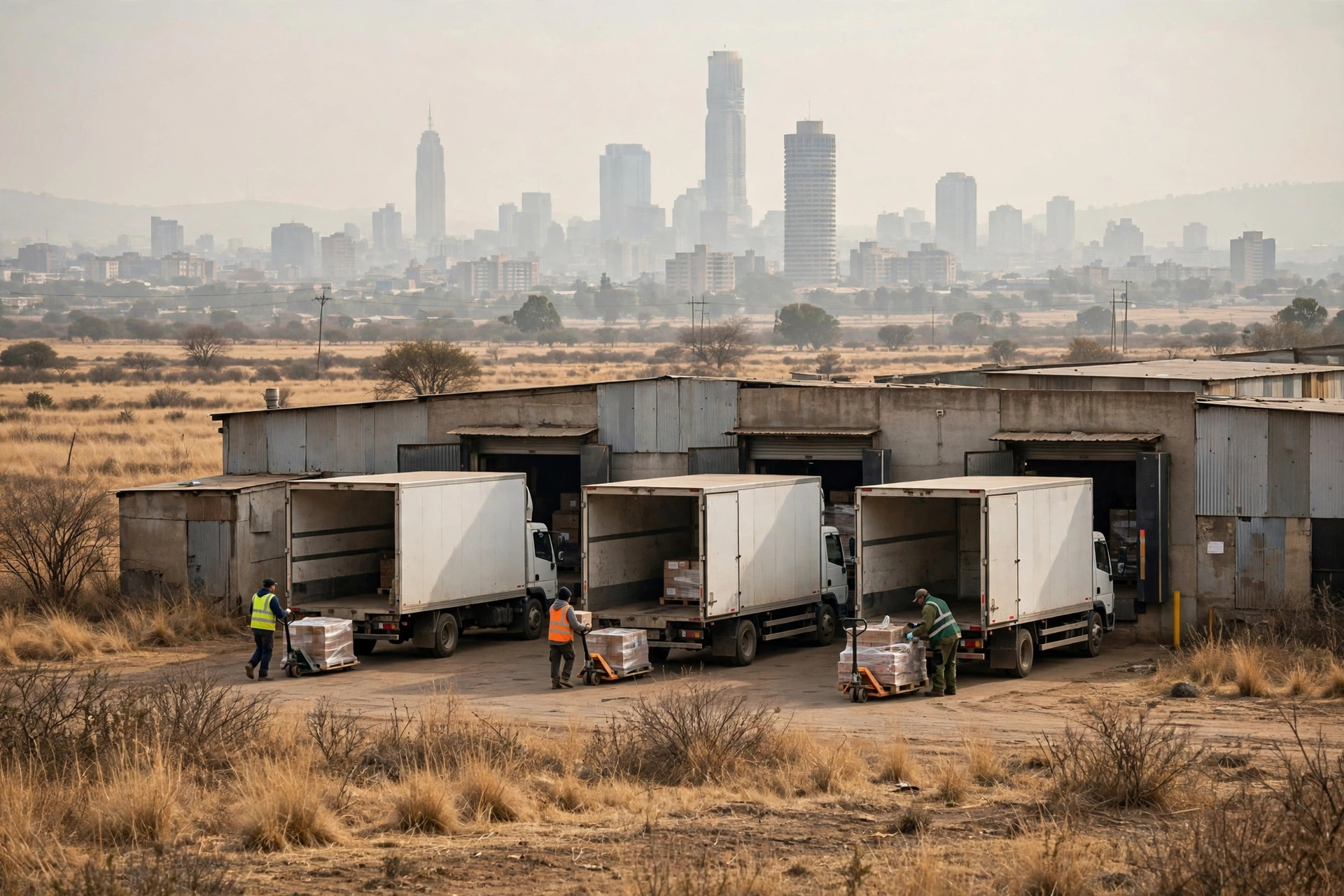
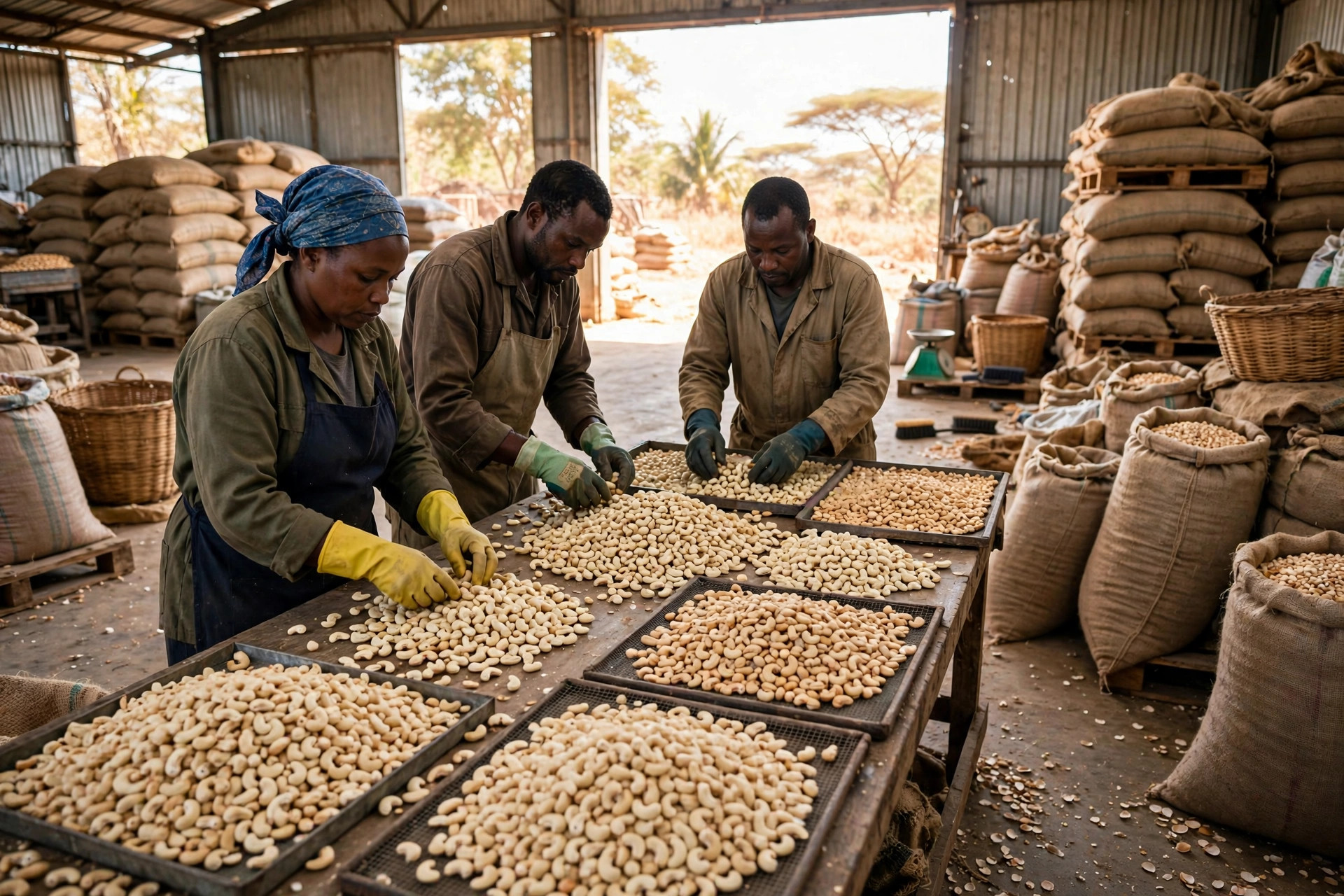
It is 6 a.m. outside the port of Izmir, and the first truck is already at our gate. Let me be straight: Turkey dried fig export warehouse storage looks simple from the outside. Receive it, stack it, load it. Anyone who has actually done the job knows the real fight happens in two places: insects and grading. The truck came in from the Aegean drying yards, figs stacked neat on pallets, paperwork complete. Then Hasan, our old hand, lifted two cartons and his face changed. Fine insect frass in the corner of the box. Tiny holes in a few figs. That morning taught me a lesson that is still a rule here: trouble with dried figs never starts on arrival day.
The Bugs Don't Start in the Warehouse
A lot of people think insect control means spraying the warehouse after the goods come in. That is only half true. The figs lie out in the sun on drying trays, and moths visit them right there. Eggs hide in the fig eye and the folds of the skin, invisible to the naked eye. Once the figs are in the warehouse and the temperature is right, the eggs hatch weeks later. So we moved insect control forward to the moment of receiving.
Here is what we did with that truck. The load stayed in the receiving shed and did not enter the storage area. Hasan took two new hires and sampled by pallet, not by truck: one carton per pallet, three layers deep. The pallet with frass went straight to a separate quarantine bay, red tag on it, locked in the system so nobody could quietly move it later. That pallet ended up going back to the supplier for treatment. We lost half a day of labor. We saved a whole warehouse from contamination. Half a day versus a whole warehouse — you do the math.
Our insect routine now has four lines, none skipped. One, every receiving gets sampled, and the result goes on the lot card: who checked, how many cartons, what they found. Two, the warehouse gets swept every week, corners, pallet gaps, under the packing tables, everywhere insects hide, and the cleaning log gets signed. Three, stock turns fast, first in, first out. Figs do not sit in our warehouse across seasons. A lot held into the next season is a much bigger insect risk. Four, when treatment is really needed, a licensed contractor does it, using methods and products that comply with the latest official rules. We do not spray on our own authority. Rules change, so we check the latest official guidance before acting rather than guessing.
Here is the counterintuitive part: the best insect control is not chemicals. It is turnover and cleaning. Chemicals are the last resort. If the first three lines are not done, all the spraying in the world is just paying rent to the insects.
One people detail: new hires love to toss a bad fig into the regular trash bin. Insect eggs ride along with the trash, and the bin stands right next to the warehouse. That is inviting the insects back in. Our rule now: bad figs and sweepings from sampling go into sealed bags and leave the site the same day. Hasan teaches this on a new hire's first day. He has taught it for three years and never relaxed it once.
Grading Dried Figs: Three Grades Are Enough, Six Will Kill You
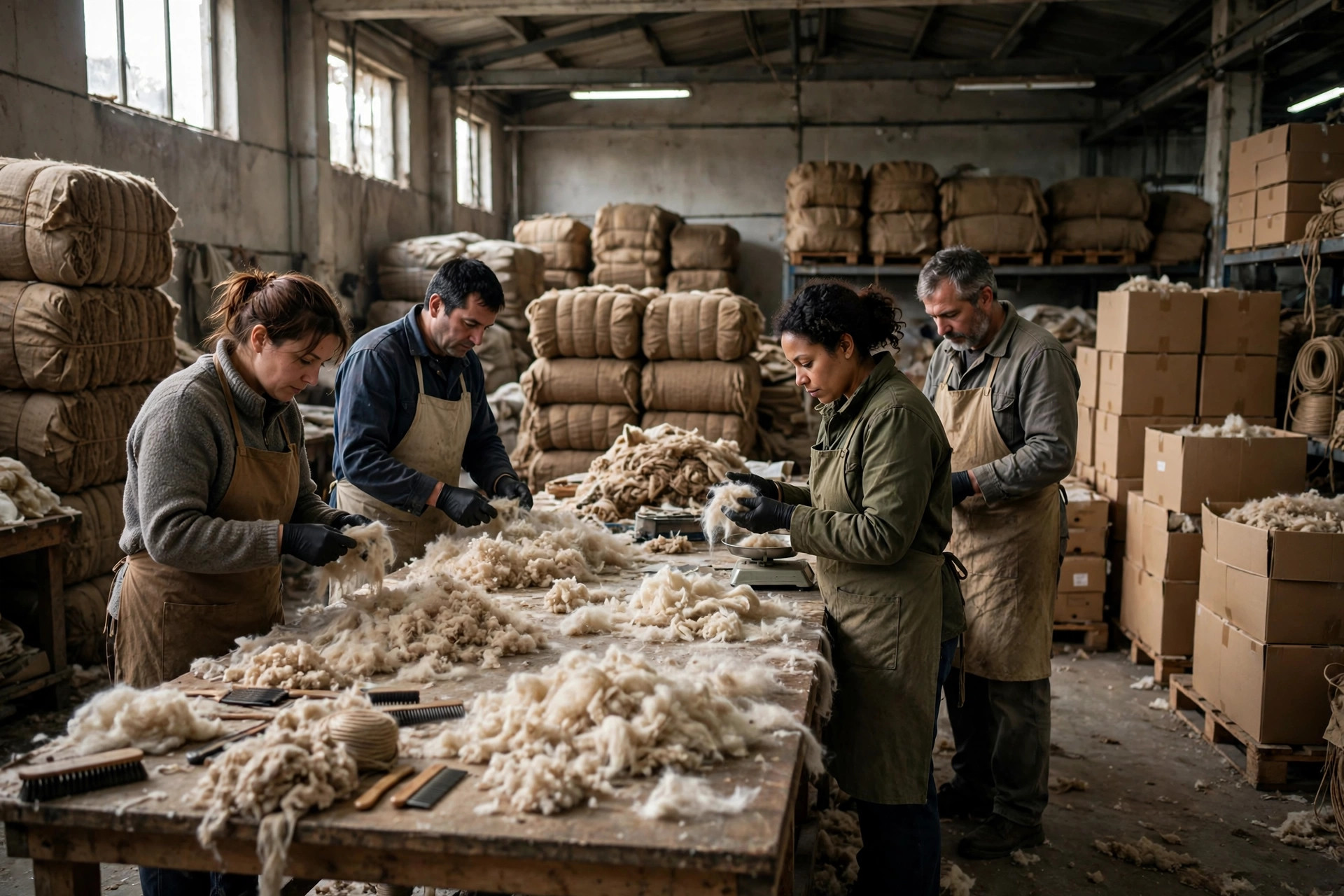
Grading cost us real money once, so let me tell you that story. A buyer opened a container at destination and complained the sizes were mixed. We traced it back: on our grading line, workers rushing to keep up had packed big and small figs together, and the grade on the carton did not match what was inside. Rework took the whole team two extra days of picking and sorting. A driver waited at our gate for two days and nearly got into a shouting match with me. After that, the grading standard went up on the wall, with sample figs on the table for comparison.
We grade into three now: whole large figs, whole small figs, and broken figs plus processing grade. Let me be straight: three is enough. We tried six grades once. The more grades we had, the more confused the workers were, and the buyers were confused too. Sorting slowed down, and misgrades went up. Grading finer does not mean earning more. Grades nobody can execute consistently are just a way to lose money.
Here is the ledger for one ton of figs in our warehouse — our own example numbers, not industry statistics:
| Step | Our warehouse, per ton | Notes |
|---|---|---|
| Receiving inspection | 2 people, half a day | Sampled by pallet, lot card written up |
| Grading and sorting | 4 people, one day | Three grades, samples compared |
| Rework after one bad grade | Whole team, two extra days | A misgrade costs far more than grading right |
| Quarantine and treatment | Half a day plus contractor fee | Fee per actual quote |
| Packing and palletizing | 1 person, one day | Grade and lot number marked on every carton |
That is the ledger line in Turkey dried fig export warehouse storage: labor saved on grading comes back twice as expensive in rework and buyer deductions. One more counterintuitive point: drier is not better. Figs dried too hard turn tough and crack, and they lose weight on the scale. Buyers deduct for that too. Moisture has to sit in a reasonable range. The exact range comes from the buyer contract and the latest official guidance. We follow the contract and the lab slip, not anyone's gut feeling.
Loading: Where Dried Fig Storage Gets Won or Lost
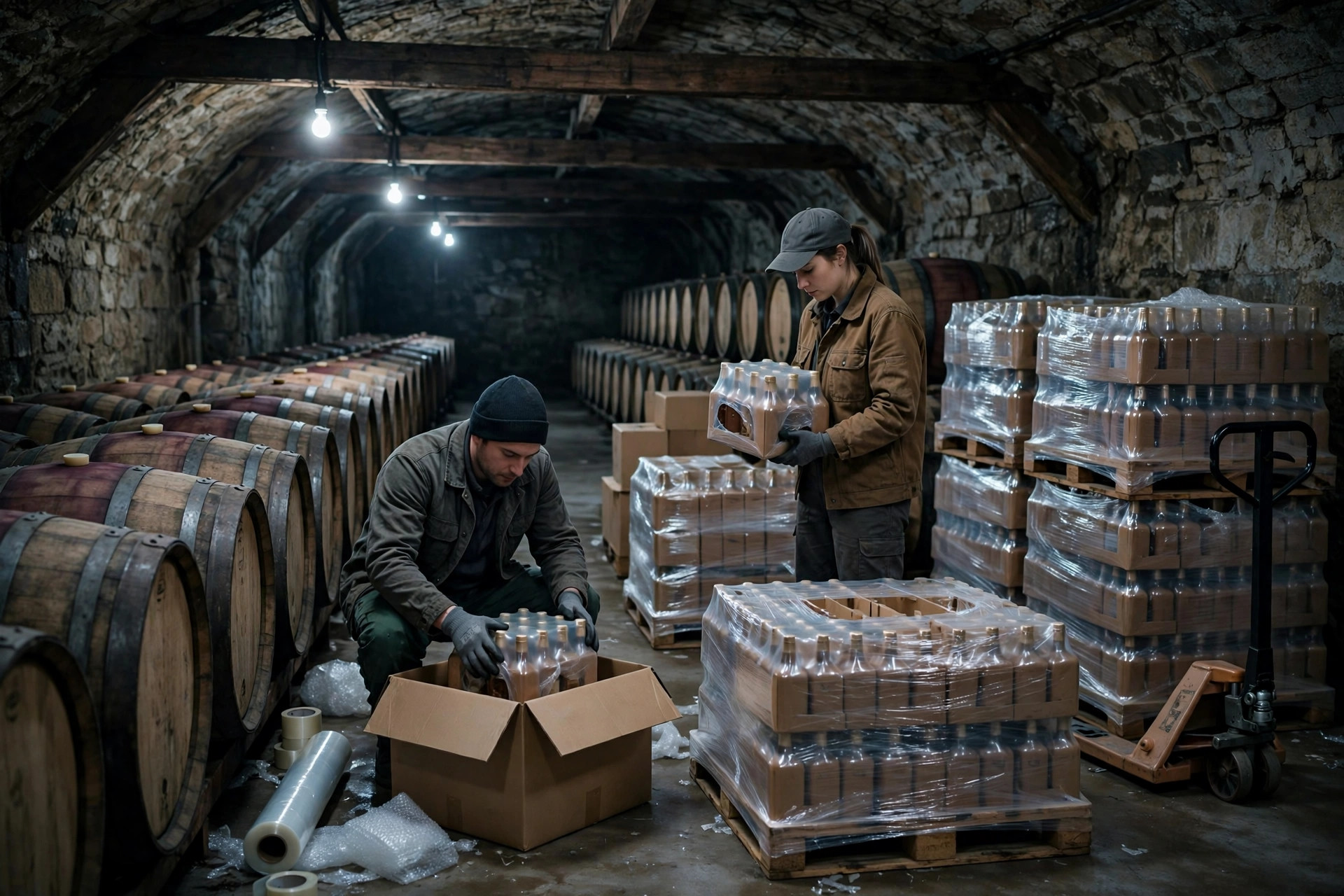
Loading the container is where a good lot can still go wrong. One loading day, the driver was in a hurry and pushed us to seal the boxes fast. I said no. That lot had sat in storage three weeks, and before loading we recheck one carton for moisture and insects. The driver got angry. He had a port slot booked, and a missed slot meant rebooking. I told him rebooking costs half a day, while a rejected container at destination costs the whole shipment. Which one do you want? We did the recheck. Fifteen minutes, nothing wrong, truck left on time. Since then our rule is simple: pre-loading recheck happens no matter who is in a hurry.
Turkey dried fig export warehouse storage comes down to patience at this exact step. A few more concrete things. First, inspect the container before loading: smell, leftover debris from the previous cargo. A dirty container gets swapped, no argument. Second, leave air channels between pallets. Figs hate stuffiness more than cool air. Seal them in with no airflow and moisture builds up, and the buyer opens a musty container. Third, before the doors close, lot number, grade, and carton count get checked three ways and the loading sheet gets photographed and filed. When the buyer asks, we can show the whole chain: received when, checked by whom, loaded when, which container. That chain is the real ledger.
The Checklist We Actually Use Now
Let me close with the list as it stands in our warehouse today — the working end of Turkey dried fig export warehouse storage. Steal it if you run figs:
- Sample by pallet at receiving. Write insect findings on the lot card. Red-tag problem pallets and lock them in the system.
- Sweep every week and sign for it. Bad figs go in sealed bags out the same day, never in the regular trash.
- Three grades only, samples on the grading table, carton grade matching what is actually inside.
- First in, first out, no lot held across seasons. Turnover itself is insect control.
- Recheck before loading, swap dirty containers, photograph the loading sheet and file it.
- Export inspection and treatment rules per the latest official guidance. When in doubt, ask first, do not improvise.
Figs are fussy goods, but the rules are not complicated. The hard part is doing them every single day. On a busy receiving morning, with new hires on the floor and a driver shouting about his slot, sampling and the pre-loading recheck are the two steps most likely to get skipped. And those two are exactly the ones you cannot skip. If you run dried fig exports too, check your own sampling log from last week. Whether those records are complete tells you more than anything else.
By Chen Feng, Warehouse Operations Manager