The Johannesburg warehouse market taught me its lessons the expensive way, through my own small warehouse, not through a brochure. When I first arrived in Gauteng, I had one idea in my head: find the biggest, cheapest shed I could, because more floor space had to mean more money. My very first job cured me of that. A shipment coming up from Durban took an extra day on the road, my two customer-service staff spent the day apologising on the phone, and every cent I had saved on rent went straight into overtime and apologies. We small warehouses cannot afford to burn money like that, so I flipped my whole way of costing a job: location and corridor come first, rent comes after, and floor space comes last.
The Johannesburg Warehouse Market: Why Gauteng Works as a Hub
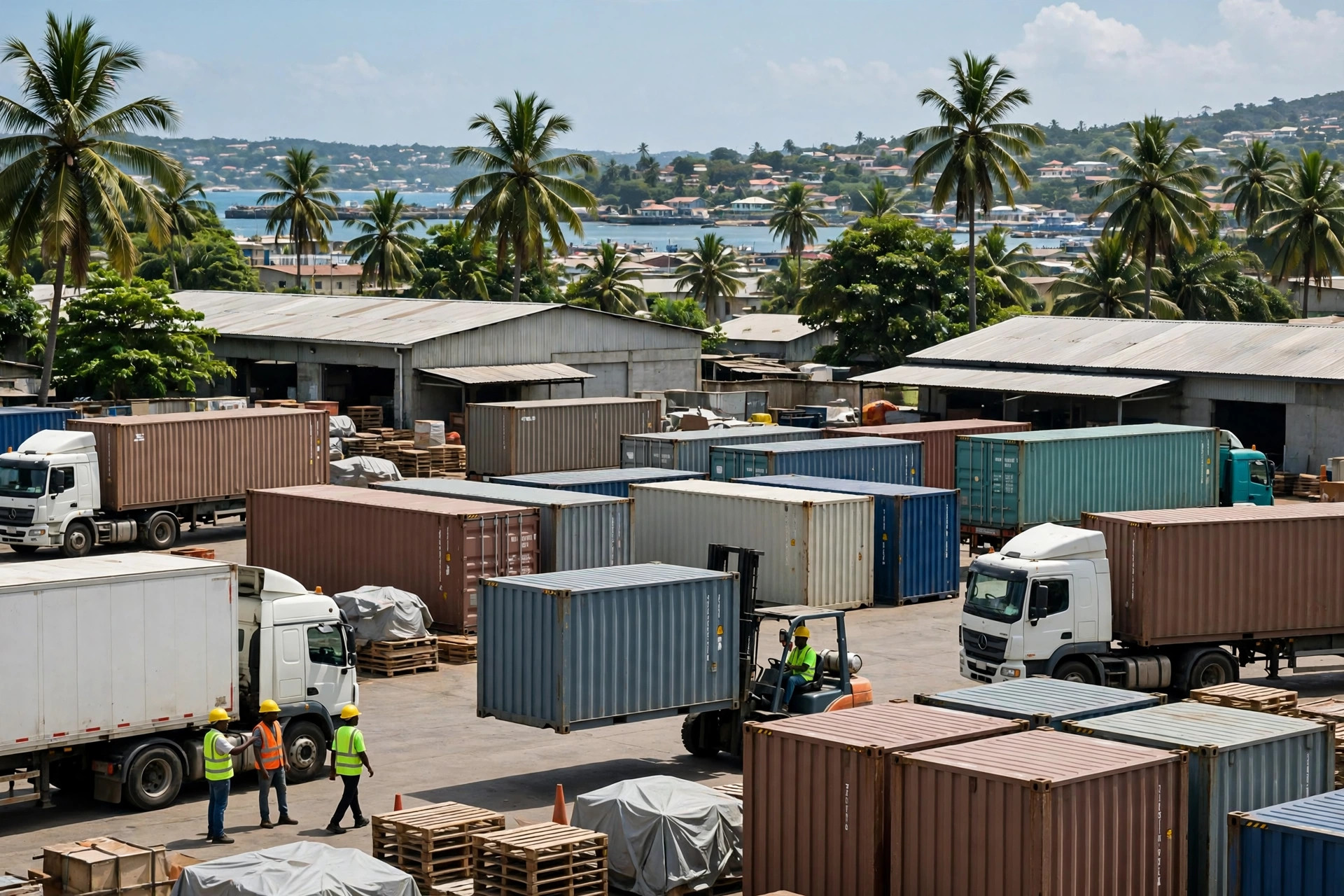
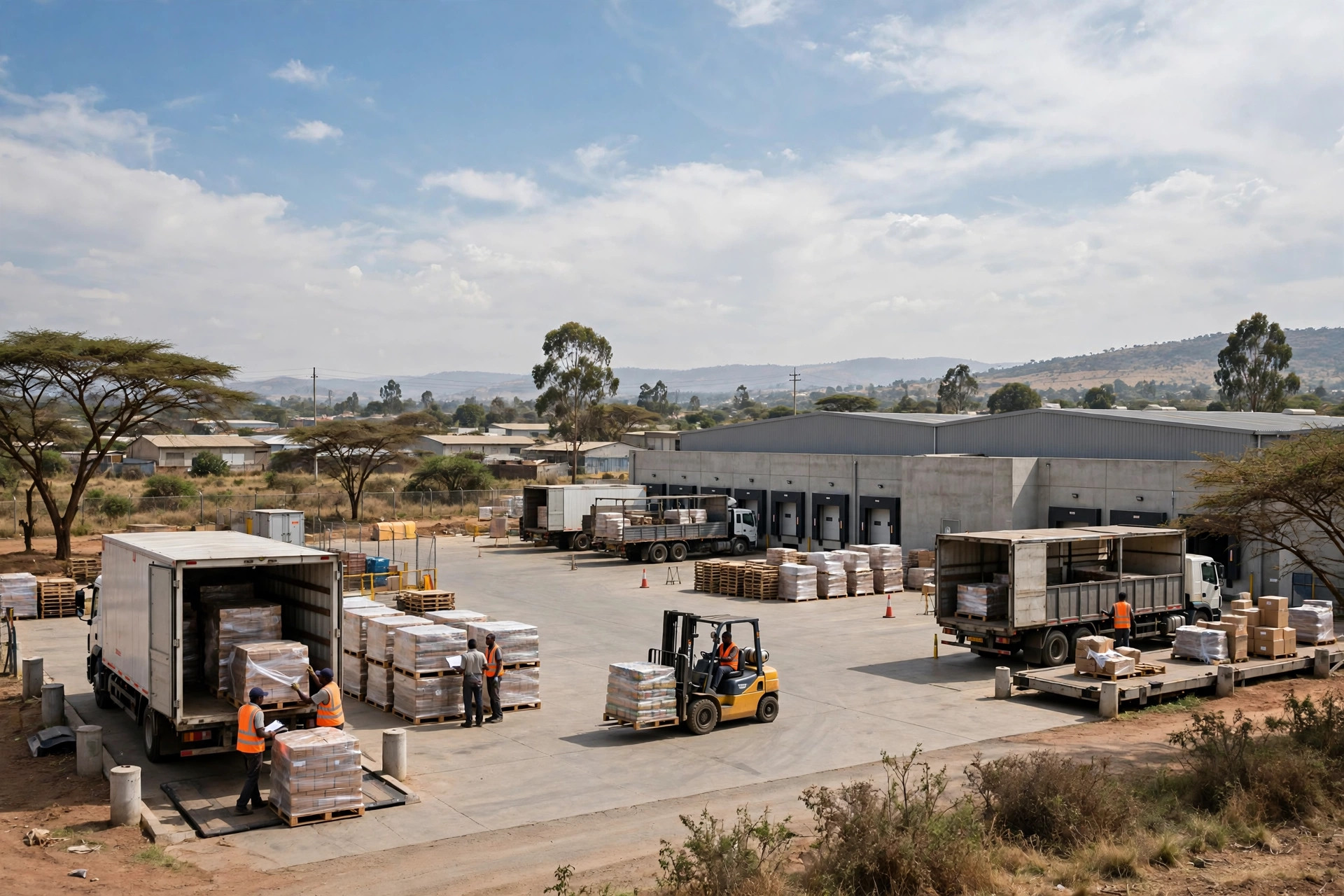
Gauteng is South Africa's economic heart, and the industrial nodes around Johannesburg and neighbouring Ekurhuleni are packed with customers, drivers, repair technicians, and packaging suppliers. For a small operator, that word "available" matters more than the rent per square metre. In my little 3,000-square-metre warehouse, a broken forklift can usually be fixed the same day. Put your warehouse somewhere remote and the rent looks lovely, right up until something goes wrong and everyone you need is an hour's drive away, charging you for the trip.
A friend of mine learned this the hard way. He moved his warehouse to a park a long way from the main roads because the rent was tempting. For three months the rent line on his spreadsheet looked beautiful. In the fourth month, a customer needed an urgent outbound load, he could not get a truck at short notice, and the customer cancelled the next two orders. He told me later, with a very tired laugh, that cheap rent is the visible bill, while no drivers and no help are the hidden bill, and the hidden bill always arrives eventually. Gauteng works as a hub not because it has the most land, but because people, trucks, and suppliers are concentrated there, so a small warehouse in trouble has someone to call.
The Johannesburg Warehouse Market: Durban Corridor or the Cape Town Route?
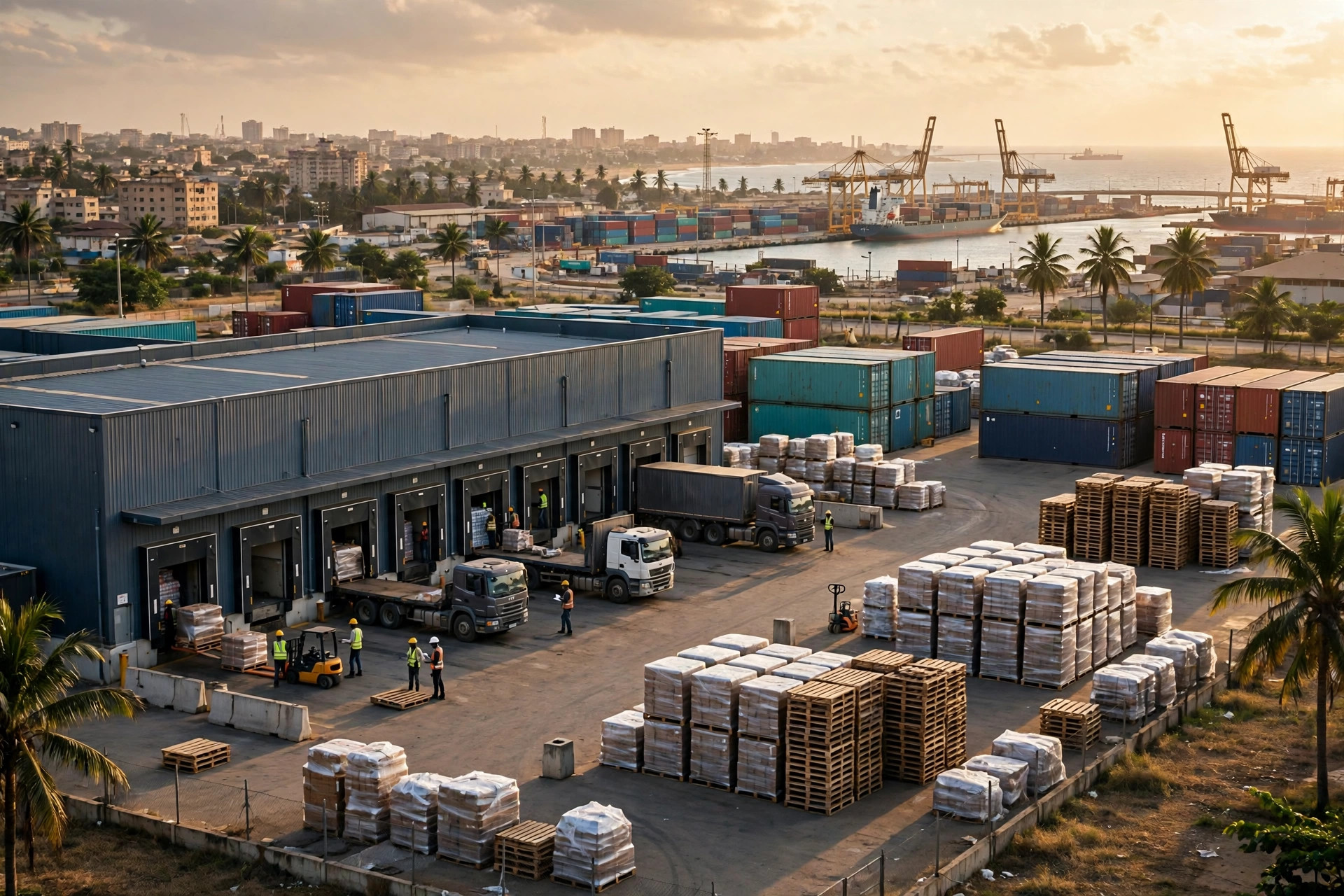
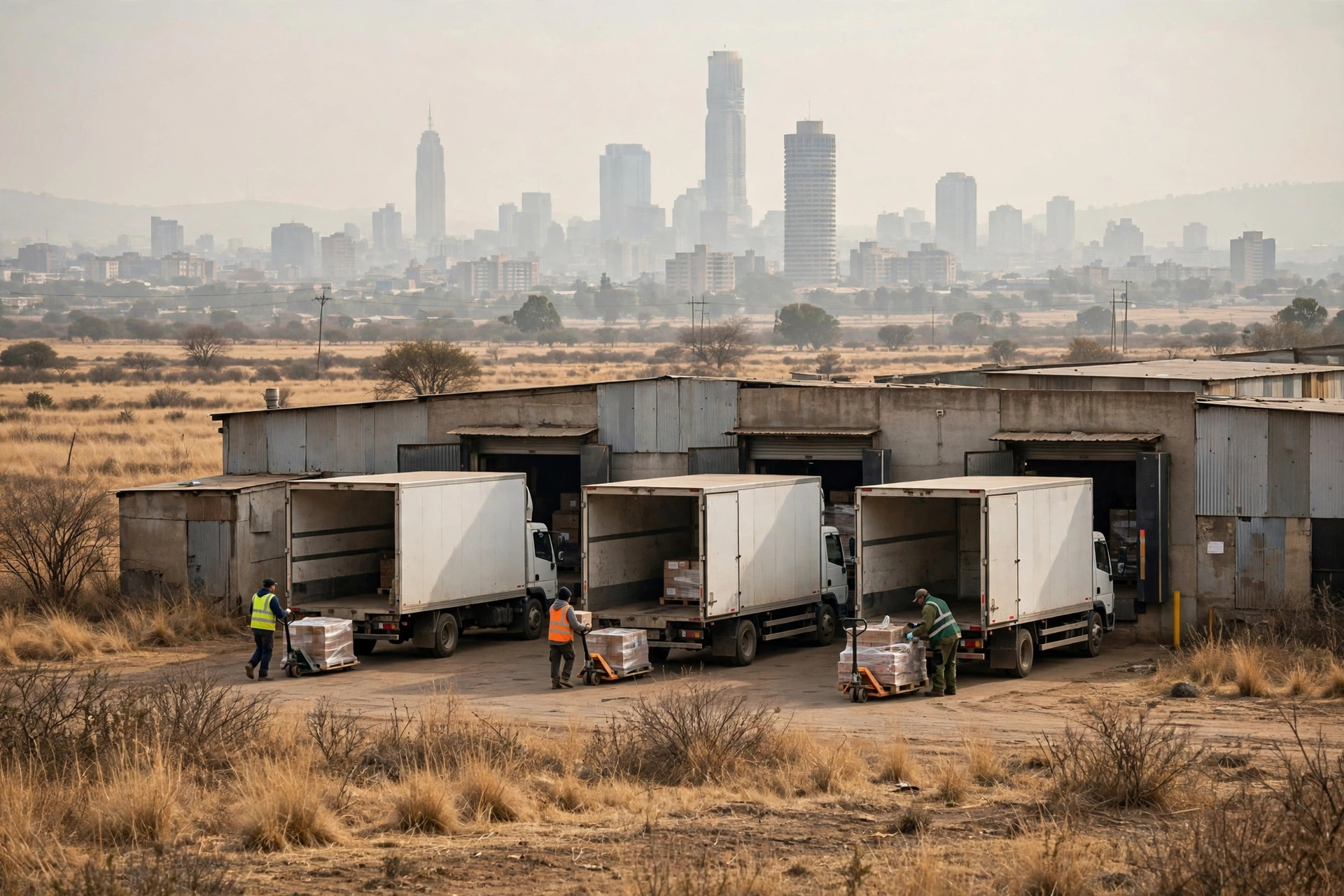
Cargo arriving by sea leaves a small operator with the same dilemma again and again: bring it up through the port of Durban, or send it around via Cape Town. Durban is the closer big port to Gauteng, so the inland leg is shorter and freight normally arrives faster, which suits urgent cargo and fast-moving stock. The Cape Town route is a much longer road journey, so it takes more time, but when Durban gets congested and berthing and container collection start slipping, Cape Town becomes a useful backup that can rescue a shipment.
I got caught out once on a load of about forty pallets for a customer in a hurry. I had put everything on the Durban route and never discussed a backup, so when the port queue built up, the cargo reached my warehouse three days late. For three days I phoned that customer every morning, and every call felt worse than the one before. Since then, for any important customer, I talk to the freight forwarder about a backup route before the cargo even sails. One extra conversation beats three days of grovelling.
| Route | Suits what kind of cargo | What a small warehouse should watch | | Durban port corridor | Urgent cargo and fast-moving stock | When the port congests, collection and inland transport all slip together | | Cape Town route | Cargo that is not time-critical, or backup loads | The road leg is longer, so freight cost and in-transit risk must be counted together | | Both routes combined | Important customers and pre-peak stock | Agree the backup in advance, not when the queue has already formed |
I run through it with every new customer before choosing a route. Pick the wrong route and it hardly matters how efficient your warehouse is, because the stock never arrived at the door on time.
Security and Backup Power: Two Budget Lines to Set Aside First
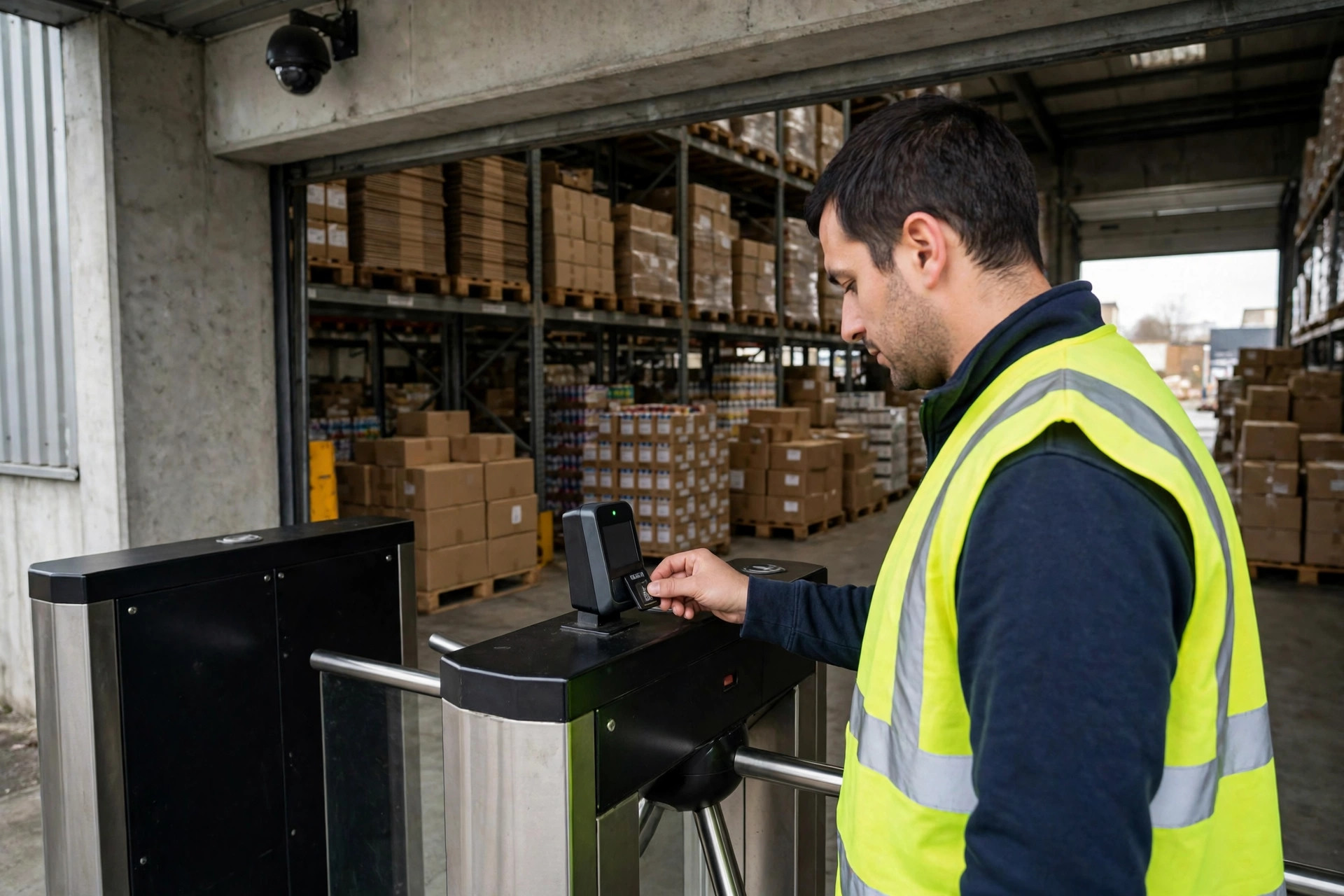
Many newcomers to this market build a budget from rent, labour, and transport, and treat security and backup power as things to sort out later. Please do not do that. Around Johannesburg, a warehouse fence, gate control, night cover, and cameras are not decoration; they are the conditions for opening the doors every morning. A neighbouring warehouse tried to save money by leaving a single guard on night duty when it first opened, and lost a full load of accessories. The loss was bigger than a whole year of proper security spending. Since then I would rather set the security money aside first and sleep properly.
Backup power follows the same logic. When the grid is unstable, the lights go out, picking stops, the system goes down, and any temperature-sensitive stock becomes a gamble. I did not buy the biggest system on the market. I bought a setup that keeps the lights, the warehouse system, and the critical equipment running, and we test it regularly so it works when it matters. It hurt to pay for it, but one dark afternoon with idle staff would have cost more. Big companies cost these things as return on investment. Small warehouses cost them differently: will one bad incident break us?
There is a small trick with security that has nothing to do with buying equipment: watch the people, not just the cameras. My night roster now pairs two guards, one on the gate and one on patrol, checking in on our group chat every hour. One night at about two in the morning, the patrolling guard found a side-door lock working loose and changed the cylinder on the spot. I paid him an extra day's wages the next morning, and it was the cheapest insurance I have ever bought. A small warehouse cannot afford a big security firm, so simple routines and attentive people have to do the job.
Here is the counterintuitive part, and it took me a while to believe it myself: security and backup power look like costs, but they are really how a small warehouse wins orders. When a customer visits to inspect the site, the first things they notice are whether the gate is serious, whether the warehouse is lit, and whether the system has ever gone dark on them. One customer was nearly signed up and, on his way out, asked me what happens when the power fails. I walked him through the backup setup, and he signed on the spot. Small warehouses cannot beat big ones on price or scale, so we have to beat them on being dependable, and dependability has to be paid for in advance.
Small Warehouses Have Their Own Way of Surviving
Life for a small warehouse in the Johannesburg warehouse market is nothing like life for a big one. Big warehouses compete on scale and automation; we compete on flexibility and relationships. My own rough rules are only three, and none of them sounds impressive, but each one has been paid for in real money. Keep the warehouse where people and trucks can actually reach it, even if that means a smaller shed, because the trouble you avoid is worth more than the rent you save. Never bet a shipment on a single route; use Durban as the main road and keep Cape Town as a discussed backup for the cargo that matters. And set the security and backup power money aside before anything goes wrong, because fixing things after an incident is always the most expensive way to buy them.
I will not pretend to quote you firm market figures, because rents and service quotes vary by park and by season, so check the latest local quotes before you sign anything, and check the official source for the latest policy on any compliance question rather than taking a small warehouse owner's word for it. What my experience can answer is narrower and, I hope, more useful: how does a small warehouse survive in Gauteng without pretending to be a big one? A warehouse does not need to be huge. It needs orders, a reputation, and nights when you can sleep. Small warehouses have their own way of surviving, and knowing your own size, then spending your limited money exactly where it hurts most, beats copying a big company every time.
By Xiao Ma, Small Warehouse Owner