The Accra Ghana warehouse market has produced a curious pattern in recent years: warehouses near the port are the hardest to secure, while warehouses in the suburbs keep multiplying. According to public discussion in port and logistics industry reports, demand along the Tema port corridor has stayed strong, yet the operators making the most of it are not always the ones closest to the quay. The puzzle is not simply about location. It is about time, transport, and the shape of the inventory itself, and it only makes sense once the city's three submarkets are taken apart.
Accra Ghana Warehouse Market: Why the Tema Port Corridor Heated Up First
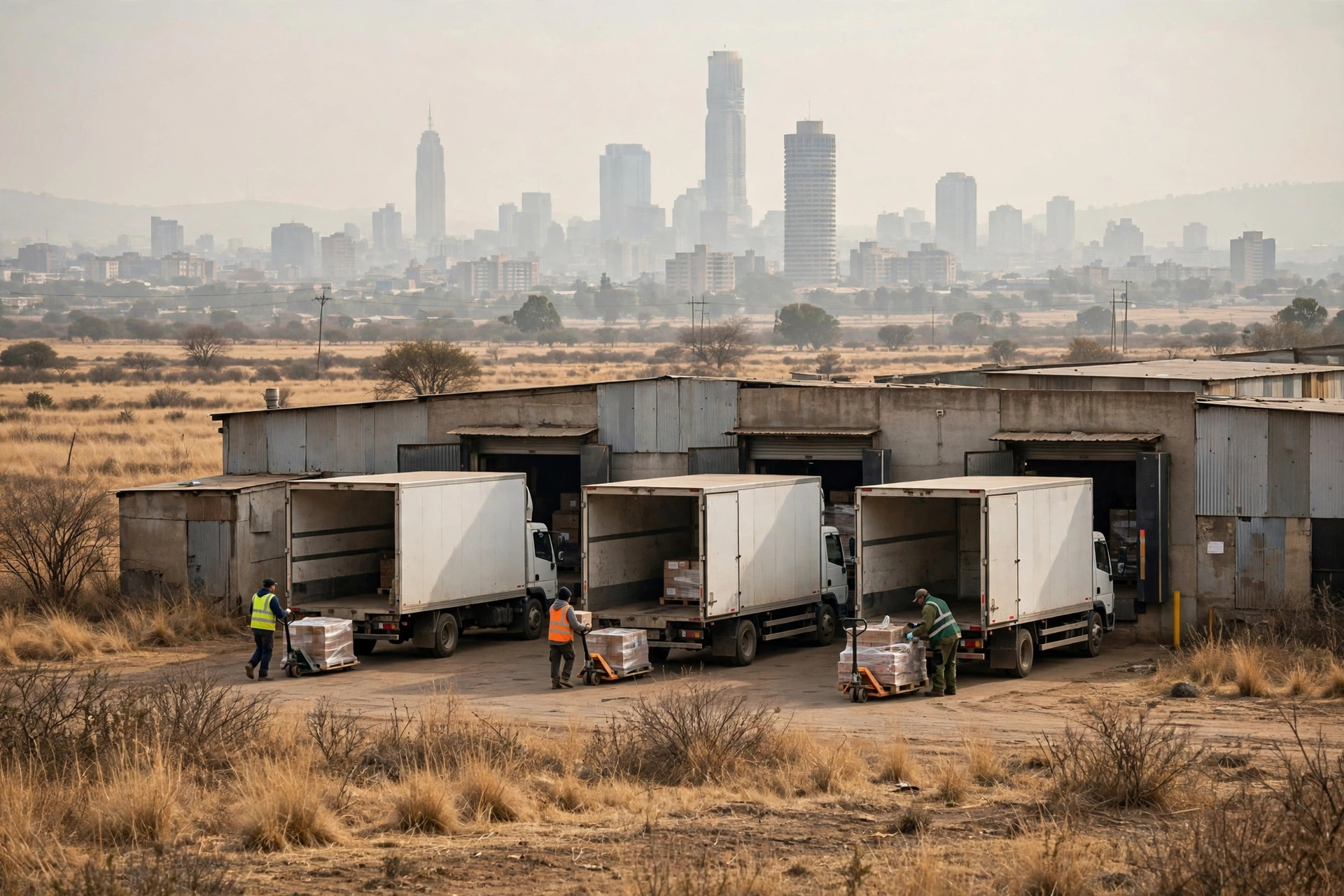
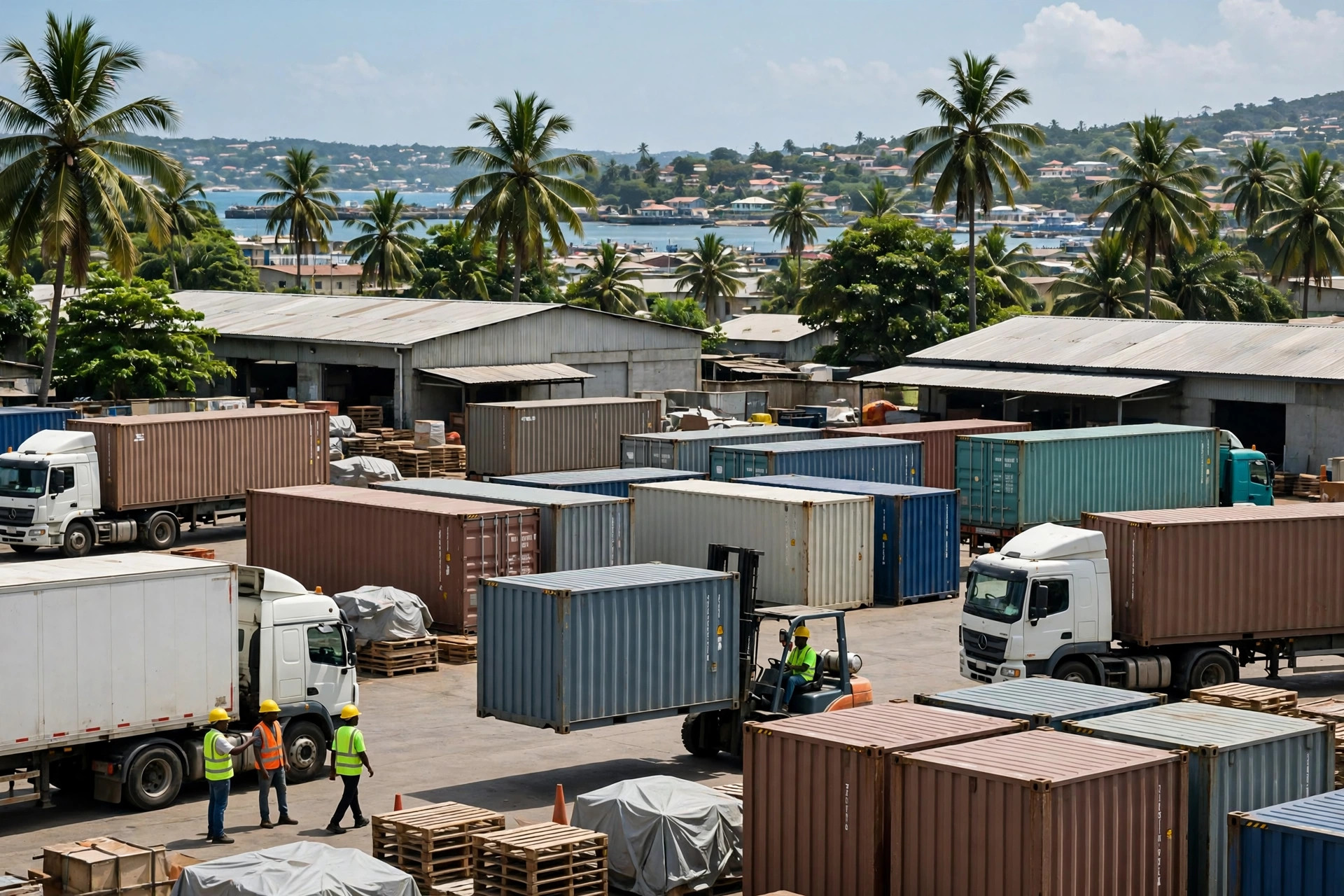
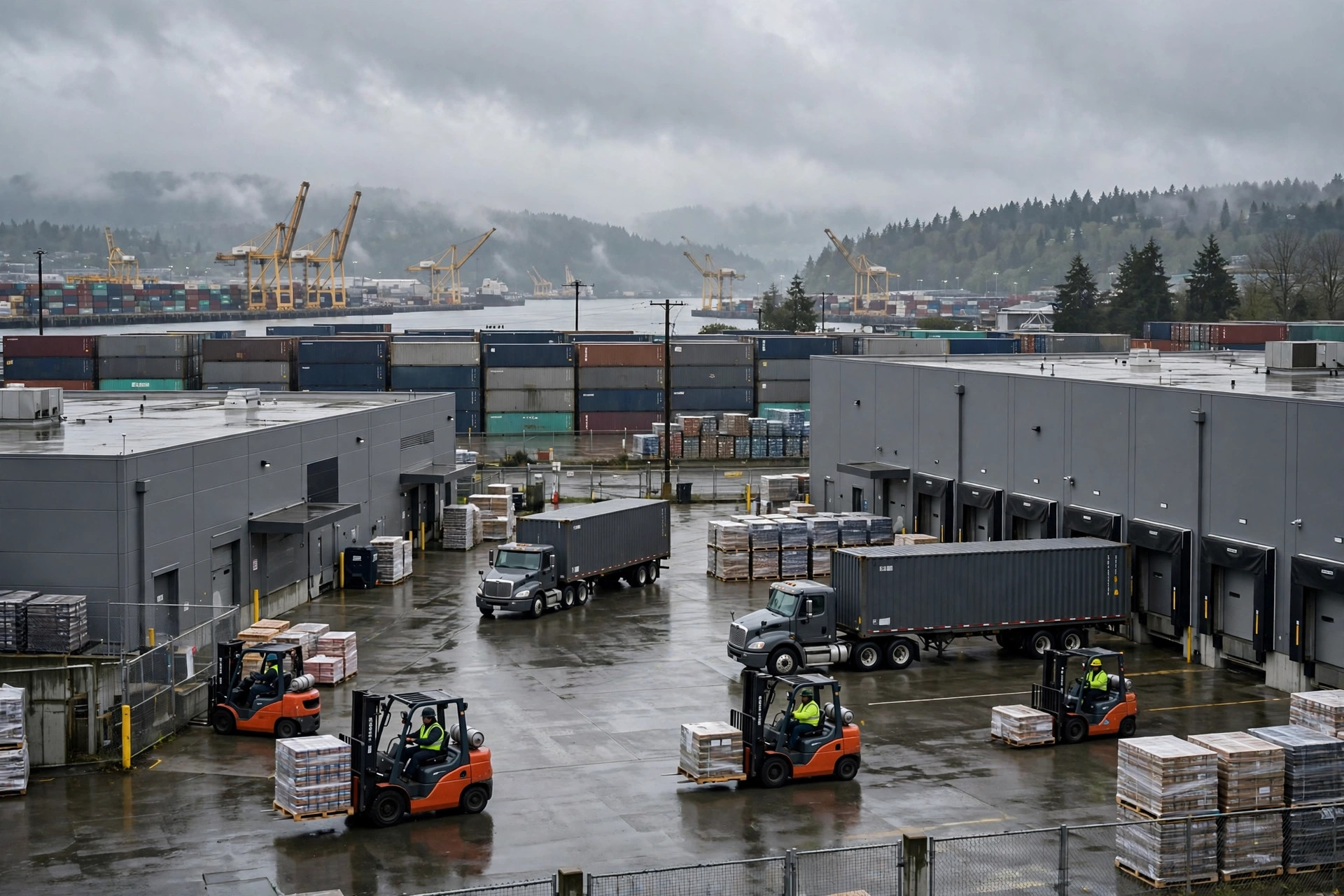
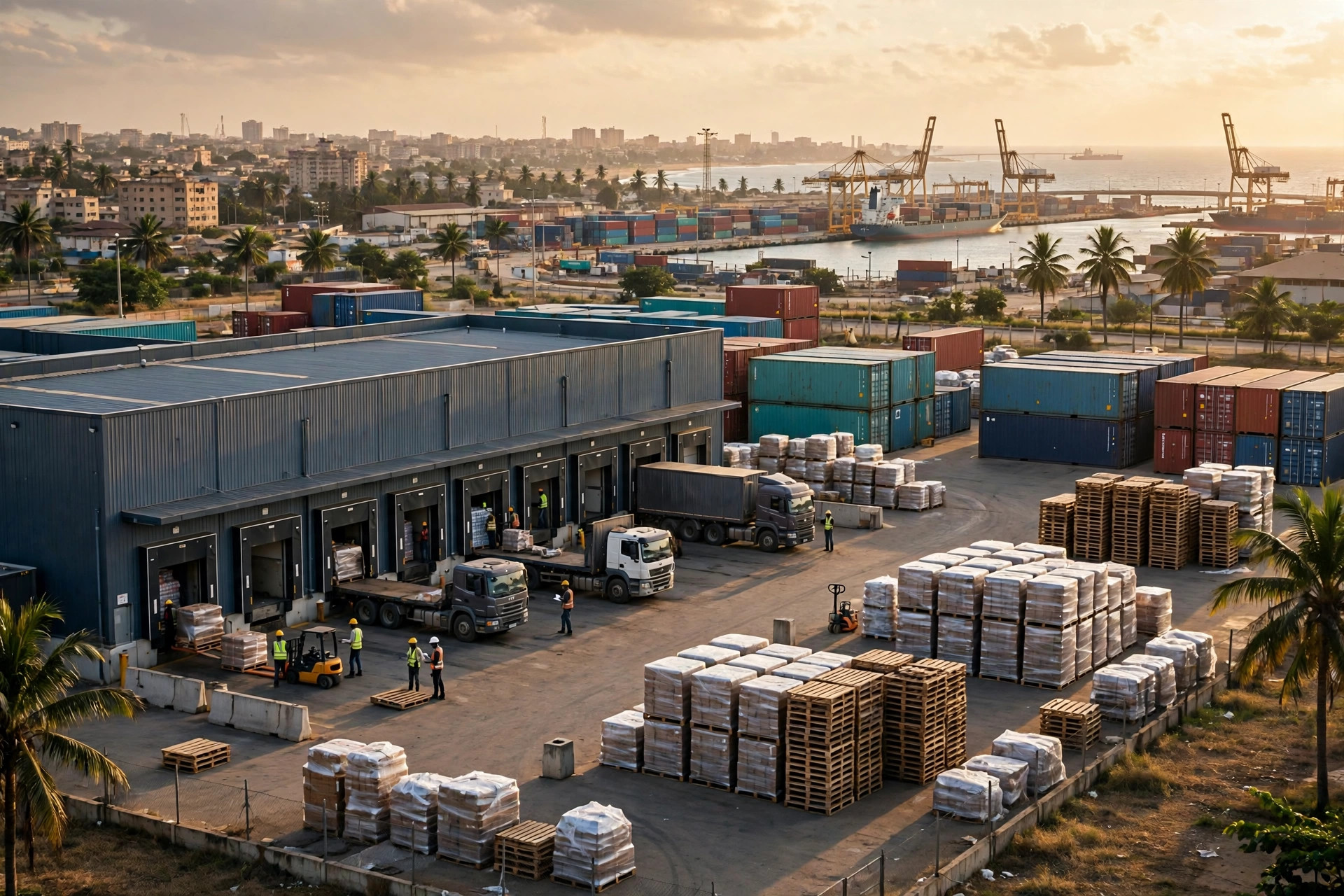
Tema is Ghana's principal seaport gateway. A large share of imports lands here, clears customs, is broken down, and then moves on to shops in Accra and cities further inland. The closer a warehouse sits to the port, the shorter the wait for cargo release and the easier it is to contain demurrage risk. For fast-moving consumer goods and distributors who replenish frequently, that distance decides whether shelves can be stocked on schedule. Before a peak season, the advantage sharpens: when vessel arrivals bunch together, a nearby warehouse can pull cargo, sort it, and dispatch vehicles while a distant one is still waiting for trucks.
That advantage has limits. Developable land along the corridor is comparatively concentrated, and the warehouses there lean toward transit and distribution rather than long-term storage. A common misjudgement is to treat a port warehouse as an all-purpose warehouse. Once cargo sits still for weeks, the premium paid for speed is spent on slow inventory, and the unit cost rises instead of falling. Specific rent levels and vacancy rates vary sharply by year and by stretch of road, so check current local market reports before treating any single figure as representative of the corridor.
Consider an import distributor operating near Tema in the run-up to a peak season, handling several vessel arrivals each week. His discipline is strict: the port warehouse is a cross-dock, not a stockroom. Cargo is broken down and sorted on arrival, built into store orders, and dispatched the same cycle. Anything that lingers beyond an agreed number of days moves to a suburban warehouse. The port site therefore stays fluid even at peak, because slow-moving stock never gets the chance to block it. Scale is not the story here. Rhythm is.
The Accra Ghana Warehouse Market Trade-Off: Suburban Versus Port Warehouses
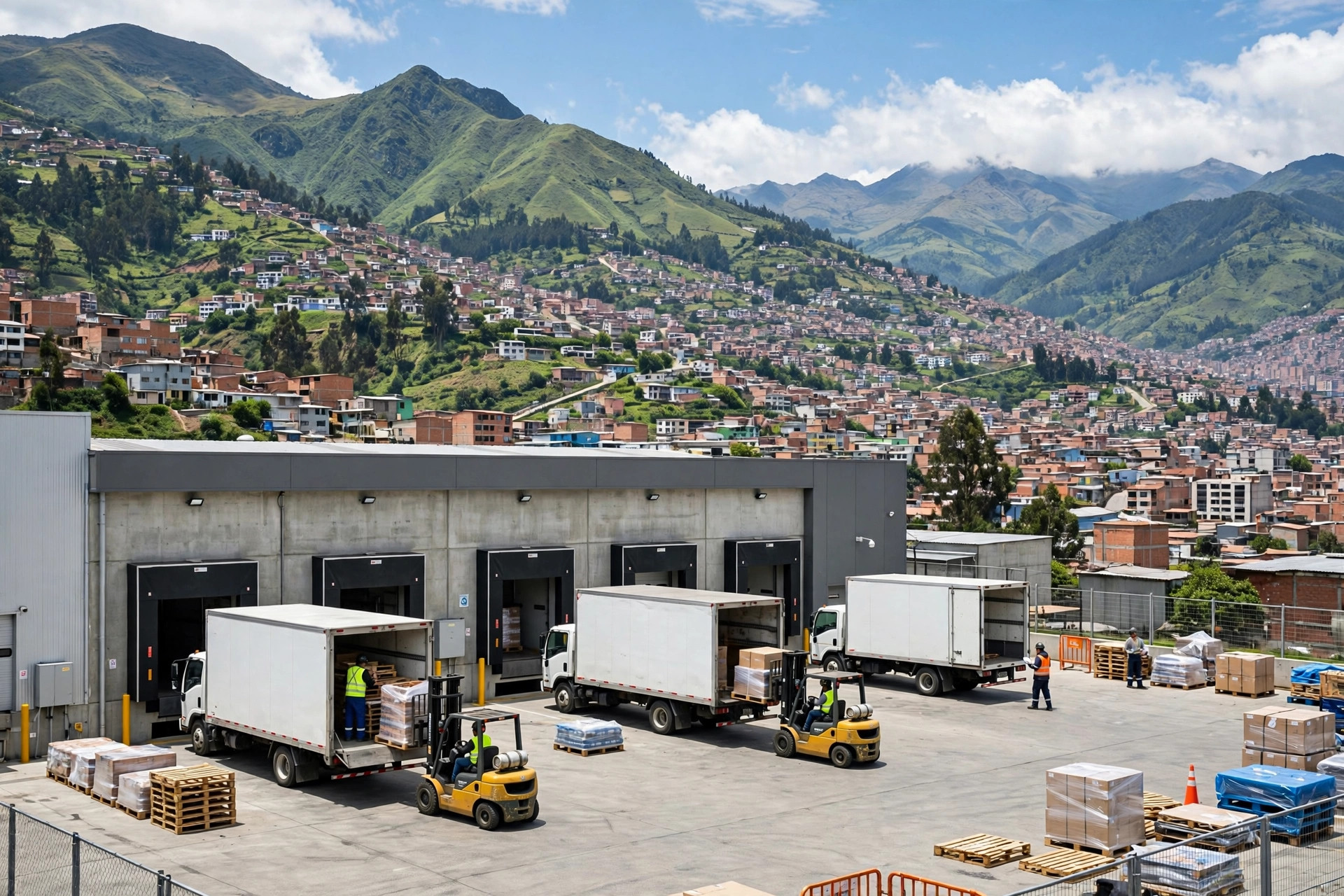
Suburban warehouses work on the opposite logic. They sit further from the port but offer more space, and they suit slower-moving, bulkier goods that ship out in batches. For a distributor, their value lies in recovering storage capacity and working room, then covering the extra distance with planned linehaul. As long as replenishment is scheduled properly, a suburban warehouse can serve city stores perfectly well. It simply cannot promise same-day availability for cargo that has only just landed.
The comparison below is worth running against your own product mix before signing anything:
| Submarket | Better suited to | Relative cost shape | Time and risk profile |
|---|---|---|---|
| Tema port corridor | Fast-turnover importers, brands replenishing frequently | Clear location premium; built for transit, not stockholding | Fast cargo release, lower demurrage risk; slow stock inflates cost |
| Accra suburbs | Slow-moving, bulky, seasonal buffer stock | More forgiving on space; transport must be planned | Replenishment needs lead time; depends on linehaul reliability |
| Regional distribution nodes | Traders serving inland and cross-border routes | Success turns on consolidation and dispatch efficiency | More legs, more handoffs; documentation and connections matter most |
The counter-intuitive judgement sits right here: the warehouse nearest the port is not necessarily the cheapest warehouse in total. For slow-moving lines, the location premium buys speed that is never used, while inventory keeps paying the higher price. A suburban warehouse adds transport time, but if safety stock and a fixed departure schedule absorb that time, the total bill can come out lower. The right test is not distance from the port. It is how many days a typical batch rests in the warehouse, how often it ships out each week, and what a single stockout costs. Answer those three questions honestly, and the choice between port and suburb largely answers itself.
Working flexibility points the same way. Suburban sites often make it easier to receive large vehicles, set aside sorting space, and expand temporarily, with more room to add labour at peak. Port warehouses run on tighter operating windows and suit standardised, fast in-and-out flows rather than repeated break-bulk, labelling, or assembly work. Before committing, it is worth laying out one peak week of work in detail rather than comparing floor areas alone.
Contract terms deserve a separate line in the same calculation. Lease length, expansion options, early-exit conditions, and arrangements for temporary peak space all change what a headline price really means. A cheaper long lease that locks in unneeded space can cost more than a slightly dearer flexible one. For traders whose volumes swing sharply, flexibility is itself a cost item, and it belongs in the same comparison table as area and location, not as an afterthought.
From Accra to West African Distribution: The Next Stop for Ghana Warehouse Logistics
The Accra market has a second layer of value beyond the city itself. Tema serves not only Ghana's domestic market but also onward movement toward landlocked neighbours. Cargo consolidates in Accra, is built into full loads, documented, and then sent north and west by road. For these traders, an Accra warehouse acts as a regional distribution platform rather than a final delivery depot. Site selection then turns on consolidation efficiency, documentation handover, and the reliability of cross-border routes, not only on distance to city stores.
Take a regional trader who uses Accra as a consolidation point. Goods from different suppliers meet in his warehouse, are grouped by destination, and leave as full vehicles. His site is not chosen for maximum proximity to the port but for easy access and flexible loading. In peak periods, a missed departure slot feeds directly into delivery dates downstream. In this model, the warehouse earns its keep through connections, not through sheer storage area.
There is also an information cost that is easy to underestimate in regional distribution. Once cargo passes through several legs, the shipper's greatest fear is not that one leg runs slowly, but that nobody can say where the cargo is or when the next leg departs. An operator who provides steady node-by-node updates is often worth more as a long-term partner than one who merely quotes lower, because a single information gap can trigger downstream claims and emergency replenishment that dwarf the saving on a few trips. Transparency should be negotiated alongside price.
Before a final decision, some checks resist remote verification: how the site and its access roads cope in the rainy season, lighting and security for night work, the real condition of racking and fire protection, and congestion on surrounding roads at peak hours. None of this appears in marketing material, yet all of it tends to surface in the first week of peak season. A checklist carried onto the site, ticked off in person, is more useful than another round of comparing quotations in a meeting room.
Looking ahead, the Accra Ghana warehouse market appears to be moving from single reliance on the port toward a three-way split: the port corridor for fast turnover, the suburbs for buffer and slow-moving stock, and distribution nodes for more distant markets. That split will not complete in a single year. Land supply, road improvement, and clearance efficiency will all shape its pace. The questions worth watching are whether the port corridor's premium survives as suburban linehaul becomes more reliable, and whether Accra gradually shifts from an import city into a routine transit point for inland West African trade. How those two questions resolve will decide where the next round of warehouse investment should land.
By Dr. Chen, Supply Chain Researcher