For tunisia olive oil export warehouse storage, my verdict is blunt: a container of oil is mostly won or lost before it ever reaches the ship. Pressing decides part of the margin. Storage and loading decide the rest. Freight and duties get all the attention in most costings, while the quiet losses happen earlier: oil dulled in a tank, bottles damaged by heat in a container, or a loading day derailed by a mismatch between cargo, container, and paperwork. None of those items looks large on its own. Added across one container, they can run into several thousand dollars.
The warehouse is a cost centre with a quality consequence. Every decision below can be priced, and every price can be checked against an alternative.
Tunisia Olive Oil Export Warehouse Storage in One Ledger: Bulk Tank, Bottled, and Flexitank
Consider a mid-sized mill near Sfax during the November 2025 pressing season. It received roughly 60 tonnes of olives a day and moved its extra virgin oil straight into stainless steel tanks. The plan was to ship everything in bulk and save the cost of bottles, caps, and cartons. In January 2026, a buyer switched part of the order to bottled packs. The mill had to book a filling line at short notice, order caps and cartons, and wait about three weeks for a slot. Storage ran about 20 days longer than planned, working capital stayed tied up for about three weeks longer, and the rush filling premium ate most of the saving the bulk plan was supposed to deliver. The oil itself had not deteriorated. The plan had.
That case carries the central lesson of this trade: the storage format is not a loading-day choice. It should be fixed before pressing starts, because it determines tank space, filling capacity, packaging stock, and cash flow. The table below is the framework I use with small and mid-sized exporters. Figures are approximate, based on 2025-2026 season indications, and contract terms and official requirements should be checked against the latest official policy before signing.
| Route | Typical volume | Where the money goes | Main quality risk | Best fit |
|---|---|---|---|---|
| Bulk tank, then load at port | From about 20 tonnes | Tank rental, nitrogen blanketing, loading labour | Oxygen exposure, flavour carry-over, temperature swings | Steady large orders where the destination can fill |
| Bottled, then carton storage | A few thousand to tens of thousands of bottles | Bottles, cartons, pallets, handling | Light, crushing under stacking, heat | Retail brands and small multi-size orders |
| Flexitank inside a dry container | About 20 tonnes per container | Flexitank, loading and discharge, container rental | Loading damage, residue, weak temperature control | One-off large orders without destination filling capacity |
Bulk looks cheapest and is the hardest to do well. Tanks must be food-grade stainless steel, clean, and free of flavour from the previous batch. The headspace needs nitrogen blanketing to push oxygen out. The tank farm needs shade. Skip any one of those and the saving on tank rental tends to return as a quality claim. Bottled stock looks expensive, but title and traceability are clean, sizes are flexible, and a problem can be traced to specific cartons. Flexitank sits between the two: fast to load, no empty tank to return, but a failure during loading or discharge can threaten a whole container, so the loading crew and insurance terms matter as much as the tank price.
Light and Temperature in the Mill Warehouse: Where the Money Goes Quietly
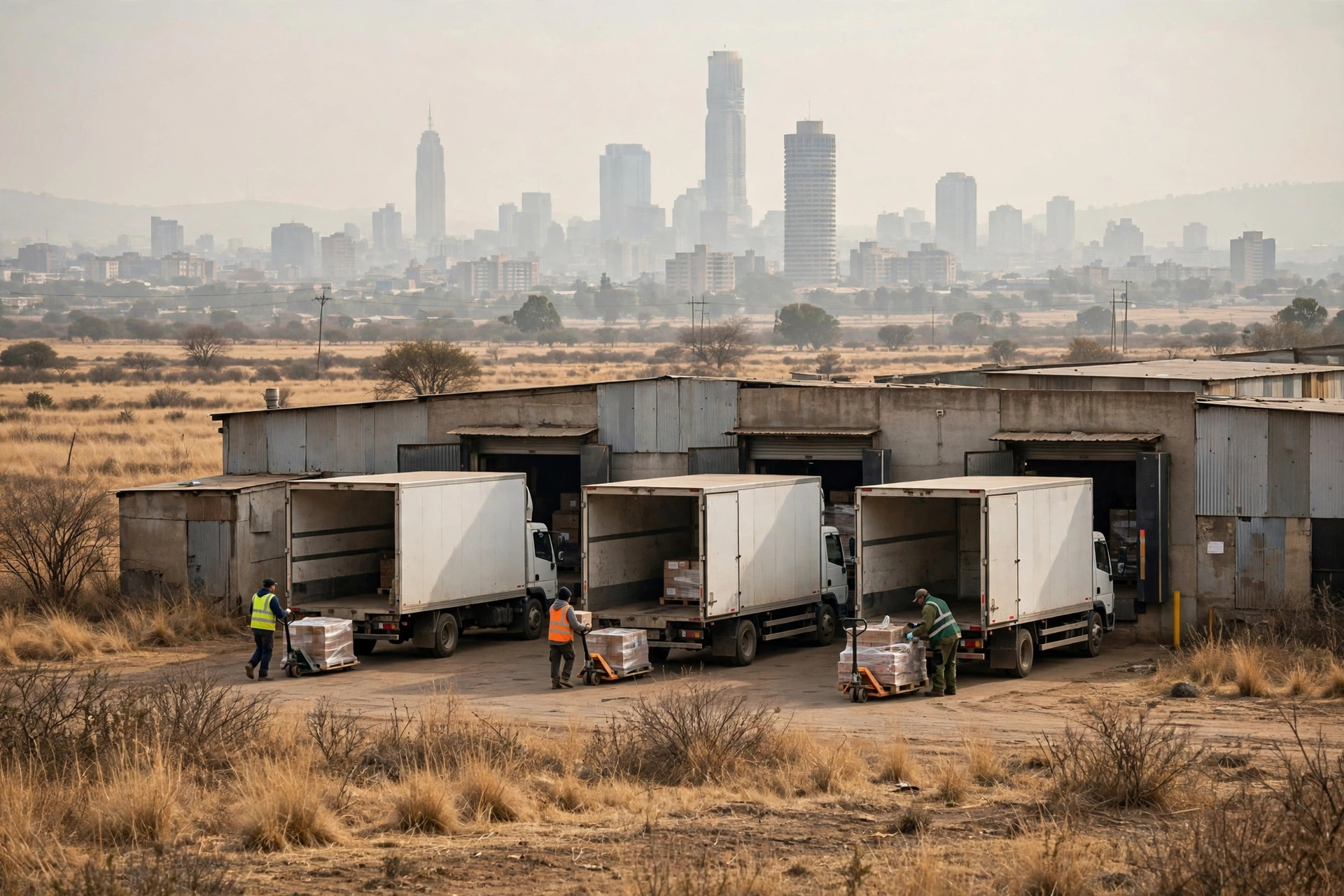
A second case comes from a mill warehouse in northern Tunisia in December 2025. An exporter rented a covered but open-sided store. Afternoon sun struck the tanks on one side, and the warehouse ran roughly 5 to 8 degrees Celsius hotter than a shaded store at midday. Nothing failed overnight. Laboratory indicators drifted slowly over about two months, and when the buyer retested, acidity and peroxide values were close to the contract limit. The shipment still moved, but at a price cut of about 3 percent. A small percentage on a full container is not small money.
Here is the counterintuitive judgement most mill owners resist: many will pay heavily to push temperature very low, yet hesitate over shade and nitrogen blanketing. In practice, light and oxygen often do more damage to olive oil quality than a difference of two or three degrees. Excess cold brings its own trouble, too. Oil can throw a cloudy sediment at low temperature, and a buyer who sees it may suspect adulteration. Explaining that away costs time and trust. A sensible working range is cool and steady, roughly 15 to 20 degrees Celsius, with no direct sun, no half-shaded tanks, and no sharp swings.
Break the warehouse cost into visible and invisible parts. Shade is mostly a one-off cost: curtains, tank insulation, and lighting changes that last for years. Nitrogen blanketing is a recurring monthly cost per tank, and it maps directly onto oxidation risk. Temperature control sits between the two: equipment plus power, where the real value is a continuous temperature record. In a claim, an unbroken record beats a verbal assurance. Without one, nobody can prove whether temperature actually failed, and the exporter starts the negotiation at a disadvantage.
Four clauses deserve attention in any storage contract. First, who keeps temperature records, how often they are shared, and what happens after a power cut. Second, who cleans the tanks and how residue is checked. Third, whether different batches may share a tank and who bears the risk if they do. Fourth, who pays for pre-shipment retesting and whether a failed result allows a tank change or a new date. If those four points are vague, a low rental rate is not a bargain. It is an unpriced risk.
Tunisia Olive Oil Export Warehouse Storage at Loading: The Day at the Port That Breaks the Budget
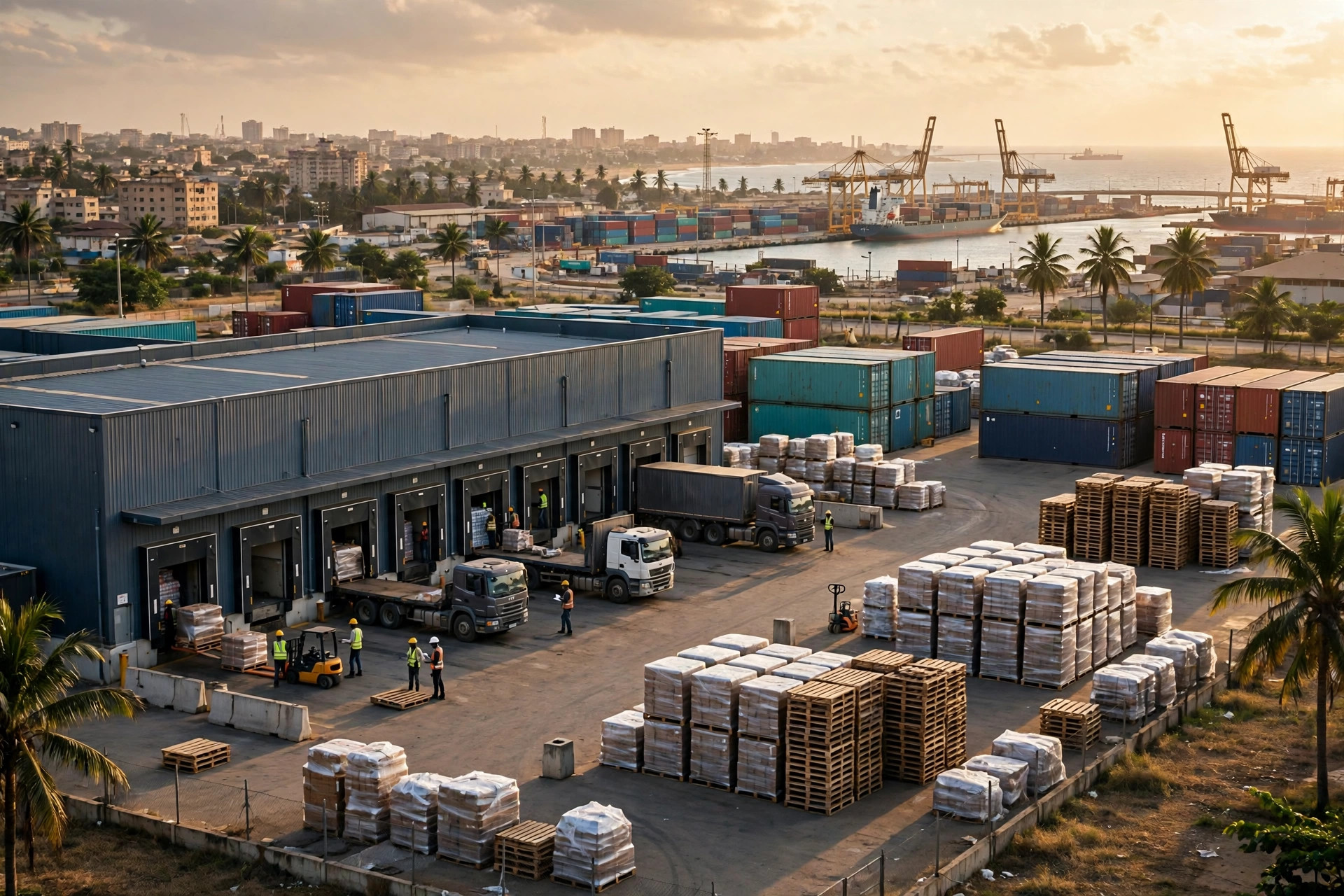
A third case took place at the Port of Tunis in February 2026. A bottled shipment arrived for loading, and the pallet size did not match the container securing plan. The crew improvised bracing with timber, losing about half a day. By early afternoon, heat inside the container had risen, outer cartons were warm, and the buyer asked for an inspection. That added another day. Container rental, port charges, and labour added more than about one thousand dollars, and the sailing window nearly slipped.
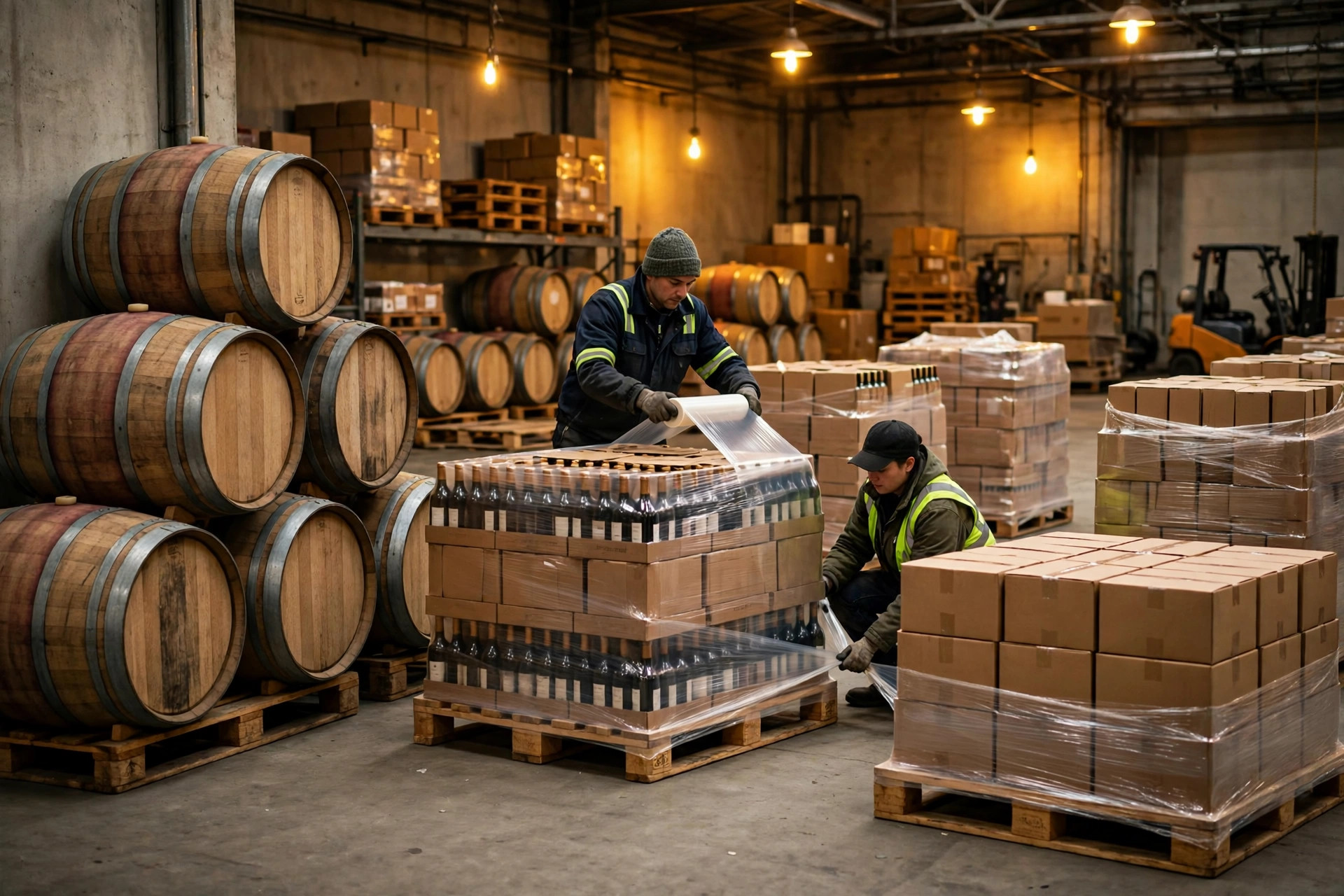
Loading week should be planned at least a week ahead. Bottled cargo needs carton strength, pallet wrapping, moisture protection, and sun protection inside the container confirmed in advance. Bulk cargo needs clean pumps and lines, a controlled loading rate, and a retained sample taken before sealing. Flexitank cargo needs the crew on site on time, valves checked, and the container door seal verified. Each item is cheap to confirm. Each omission can turn into demurrage, a changed sailing, or a dispute.
Paperwork belongs in the loading budget as well. Export documents, test reports, and origin-related papers must be checked before the truck leaves the warehouse, with requirements confirmed against the latest official policy. One wrong product name or unit on a document can hold cargo at the port. My working rule is a four-way check the day before loading: warehouse, freight forwarder, and exporter agree on cargo, container, documents, and temperature records. That check takes under an hour and can save days of argument later.
A Three-Number Check Before You Sign a Storage Contract
Before signing, work out three numbers. The first is unit storage cost: tank or warehouse rental, nitrogen, power, labour, and insurance, divided by tonnes or bottles. That gives a storage cost per tonne or per bottle. The second is expected quality cost: the price-cut or claim rate seen over the past two or three seasons, multiplied by the value of this container. That gives an expected loss, not a worst case. The third is time cost: days of working capital tied up, multiplied by the cost of that capital, plus any likely container rental or port charge if loading slips.
Add the three numbers together for each route. The lowest total wins. If bulk storage shows a quality cost larger than the packaging saving, switch to bottled. If flexitank shows the lowest time cost but the loading crew is inexperienced, put loading standards and damage liability in the contract before signing. If a shaded warehouse costs slightly more per month but removes a recurring price cut, that extra rent is not an expense. It is the cheapest insurance in the chain.
Olive oil export profit is not only the difference between pressing cost and selling price. It is the value that survives the journey from the mill to the port intact. Price the warehouse properly, and more of that value stays with the exporter.
By Lao Zhou, Logistics Cost Analyst