Let me say the unpopular thing first: when it comes to the cold storage defrost cycle, a lot of warehouses manage it more obsessively than I manage my own store, and the goods end up worse off while the power bill climbs. A friend of mine sells frozen snacks and keeps his stock in a third-party cold store near Los Angeles. Through the hottest weeks of last July, he watched the temperature graphs every day and called for a defrost every time he saw a bit of frost on the coils. The more often they defrosted, the safer he felt. Then two things landed in the same month: a power bill noticeably higher than the month before, and a batch of goods with damp, softened outer packaging. Customers sent photos. Returns followed. All that diligence, and it backfired.
I am not a refrigeration engineer. I am a seller. And what sellers fear most is goods quietly going bad somewhere nobody is watching. Cold storage works the same way running a store does: more action is not better action. The right action at the right time is. Defrosting is the same deal. Frost needs clearing, sure. But every defrost cycle heats the coils, so the temperature around them climbs, and then the system has to drag it all back down again. Up, down, up, down. The meter spins, and your goods ride every swing.
Cold Storage Defrost Cycle: Diligent Doesn't Mean Clean
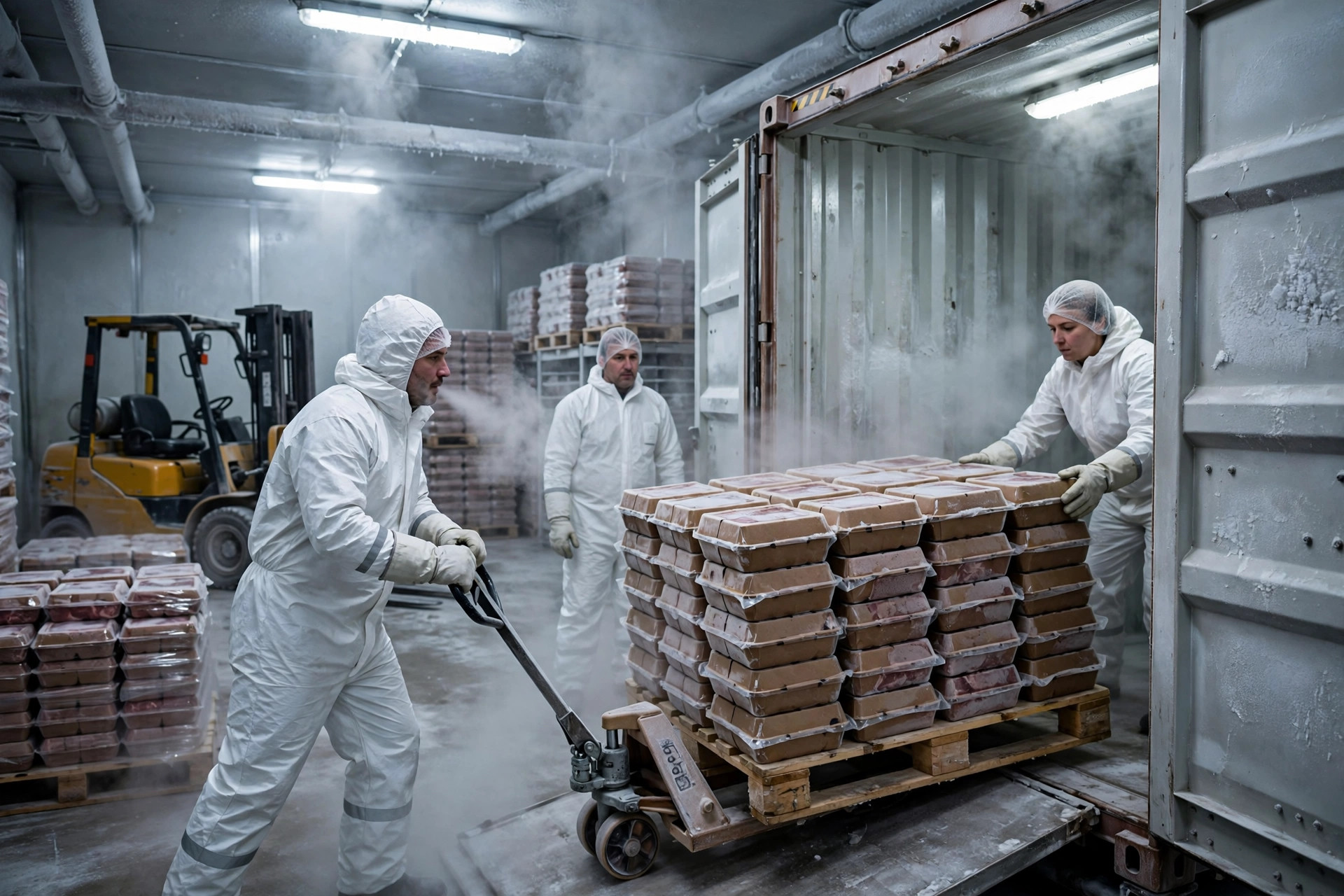
Let me show you the two scenes I actually saw. The first is my friend's warehouse. Last July, that cold room defrosted four times a day, on a fixed schedule, no exceptions. I had my own temperature logger sitting next to his pallets, and during each defrost window the temperature beside the goods climbed from around minus eighteen degrees to roughly minus twelve, then slowly crawled back. Four times a day, his goods took that ride. Worse, the moisture from defrosting never fully cleared out, so overnight it froze right back onto the coils, and the next morning the frost looked thicker than the day before. All that effort, for nothing.
The second scene is my own stock, in a different cold room in the same facility. The warehouse manager there changed the approach: no more rigid timetable. Instead, they checked how thick the frost actually was and how the temperature trend looked before deciding. Thin frost? Leave it alone. Frost thick enough to choke the airflow? Then defrost. Most days that meant twice, not four times. After a month, my packaging came out dry and clean, and the damp-packaging returns disappeared from my feedback. I cannot audit the warehouse's total power bill for you, but the manager told me the refrigeration units spent far less of the night chasing the temperature back down.
Put those two scenes side by side and the lesson is plain. Frost itself is not the enemy. Frost thick enough to hurt cooling is. A thin layer of frost still lets the system run fine, and the goods sit undisturbed. Treat every speck of frost as an emergency and every punch you throw lands on your own stock.
The Temperature Rebound Costs More Than the Power
Most people cost out defrosting by looking at the electricity bill. That is the small version of the bill. Electricity is visible. Product damage shows up late. When the temperature rebounds during defrost, the surface of your goods warms, condensation forms on the packaging, cartons soften, labels smudge, and by the time the buyer opens the box you have a return on your hands. A return costs more than return shipping. It costs your store rating, your repeat purchases, and the half-day you burn handling the complaint. Any seller knows what a dented rating costs to repair in ad spend. It dwarfs the power bill.
So I changed how I judge it: first, how much does my product hate temperature swings? Then, how thick is the frost? The schedule comes last. Temperature-sensitive frozen food gets fewer, steadier defrosts, not more aggressive ones. Hardier frozen goods can live with a wider cycle. Here is the counterintuitive part: skipping a defrost is sometimes not laziness. It is sparing your goods one more round of abuse. The real cost of defrosting is not on the meter. It is on the shelf.
| Approach | Power feel | Temperature swings | Frost risk | Who it suits |
|---|---|---|---|---|
| Four defrosts a day, fixed schedule | Highest, units constantly chasing temperature | Goods swung four times a day | Moisture never fully clears, frost can build back thicker | Only rooms with extremely frequent door openings and throughput |
| Two defrosts a day, judged on frost | Noticeably lighter | Two swings a day, goods cope fine | Frost cleared when thick enough to matter | Most frozen food storage; this is what my own stock uses |
| Leave thin frost, defrost when thick | Lowest | Fewest swings | Needs someone actually checking, or it can turn to solid ice | Rooms with regular inspections and goods that tolerate short swings |
That table is not a standard. It is field practice I argued out with a warehouse manager. Before you copy it, check what your own goods can tolerate. Different goods, different answer.
One more thing sellers should demand before signing with a cold store: the actual defrost log. Not a roster that says "four times daily," but the real record of when each defrost happened and how long the temperature took to recover afterward. I ask for it before I sign anything now. If a warehouse cannot show it, that tells me something. Also ask where the temperature logger sits. If it hangs right under the coils, it reads the wildest swings in the room, which look terrifying but say little about the temperature beside your pallets. You want data from where your goods sit, not from where the machine sits. With a real log in hand, you can talk to the manager like an adult: can we adjust the cycle and validate it against a month of data?
My Cold Storage Defrost Cycle Checklist, Ready to Copy
Here is the routine I use with cold stores now. Before any defrost, check three things: how thick the frost on the coils is, whether airflow has weakened, and whether the temperature trend has started drifting upward. If two of the three look off, then go ahead. Schedule defrosts for the quietest part of the day, not in the middle of heavy outbound picking when doors keep opening and the temperature is hardest to pull back down. After a defrost, do not walk away; watch until the room is back in its normal range before you call it done. Leaving halfway through is the same as not defrosting at all. And keep a notebook: date, frost thickness before, recovery time after. A month of notes reveals your own room's pattern, and that beats any generic timetable.
A few traps I have personally stepped in, so you do not have to. Do not panic at thin frost; check the airflow first. Do not bring in a big batch of new stock right after a defrost while the room is still warm; the new goods walk straight into the worst moment. And if you switch cold stores or switch rooms, do not carry the old cycle over with you. Room size, door frequency, and product mix all changed, so the cycle has to be relearned.
At the end of the day, a cold storage defrost cycle works like running a store: do not let busyness fool you into thinking you are doing a good job. Fewer moves, better timed, and your goods stay steady while the power bill calms down. I have tested this one myself, and the next monthly statement will tell you the same thing.
By Ah K, E-commerce Seller (5 yrs)