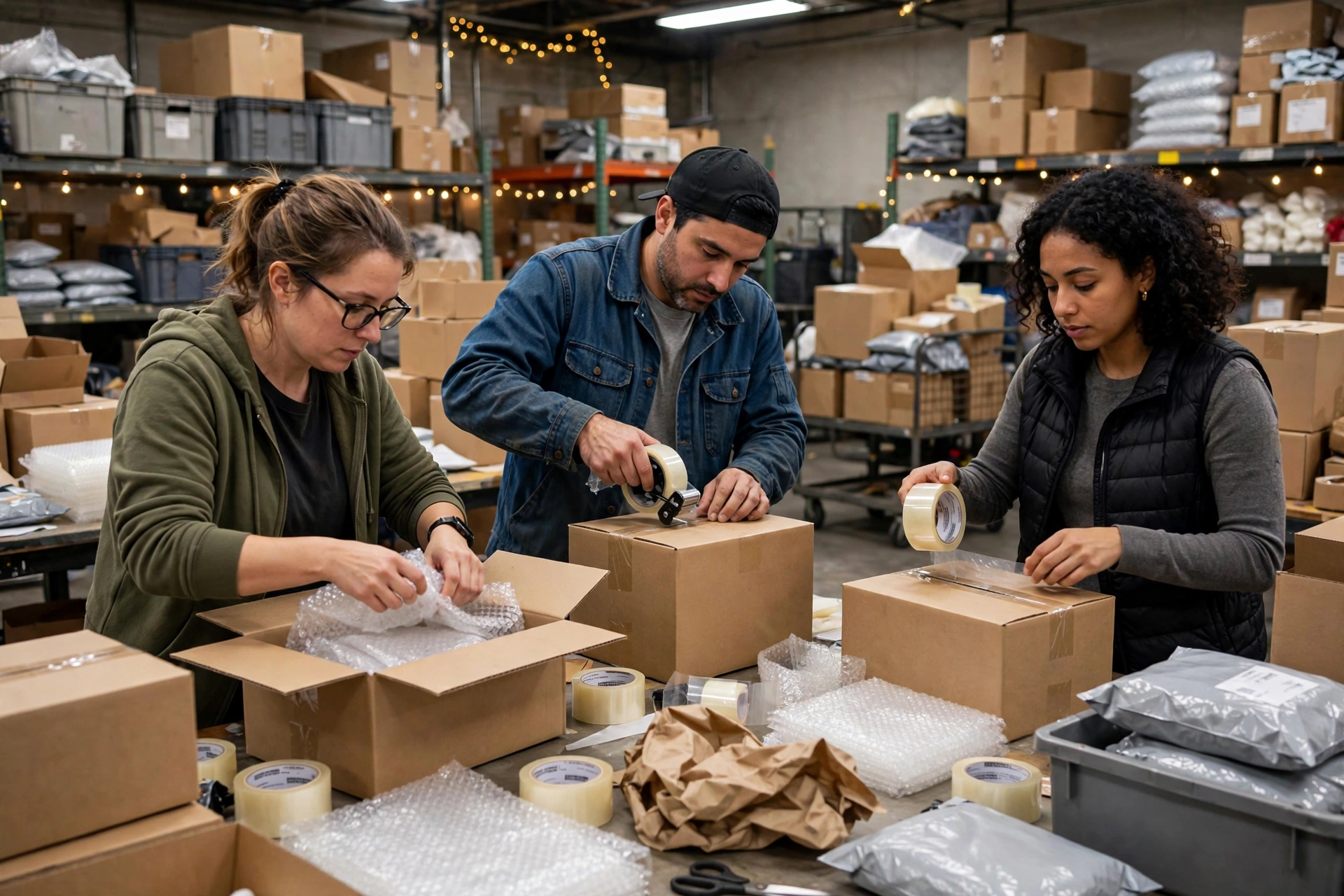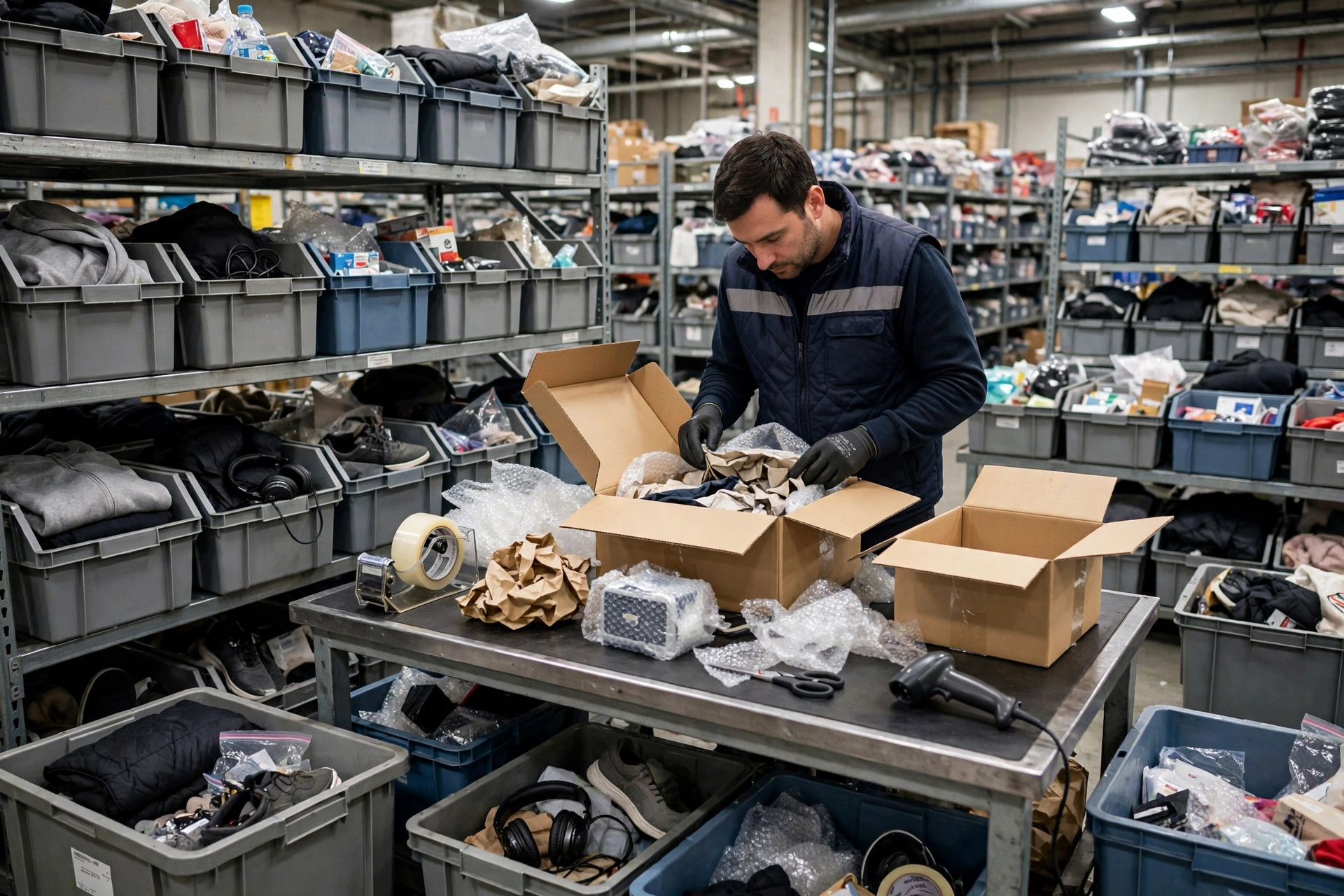
A friend selling beauty products on TikTok Shop US showed me her numbers last year: an 18% monthly return rate, and the returned goods sat in a corner of her 3PL's warehouse for three months until the whole lot was written off as waste. I asked what the batch was worth. About $40,000. This is not an outlier — impulse buying is baked into short-video commerce, so return rates run structurally higher than traditional e-commerce. Handle returns badly and every dollar of profit you made up front gets handed right back.
From the warehouse side, returns come down to three questions: where does the product go back to, how do you sort what comes back, and what do you do with the units that cannot be resold as new. Let me take them one at a time.
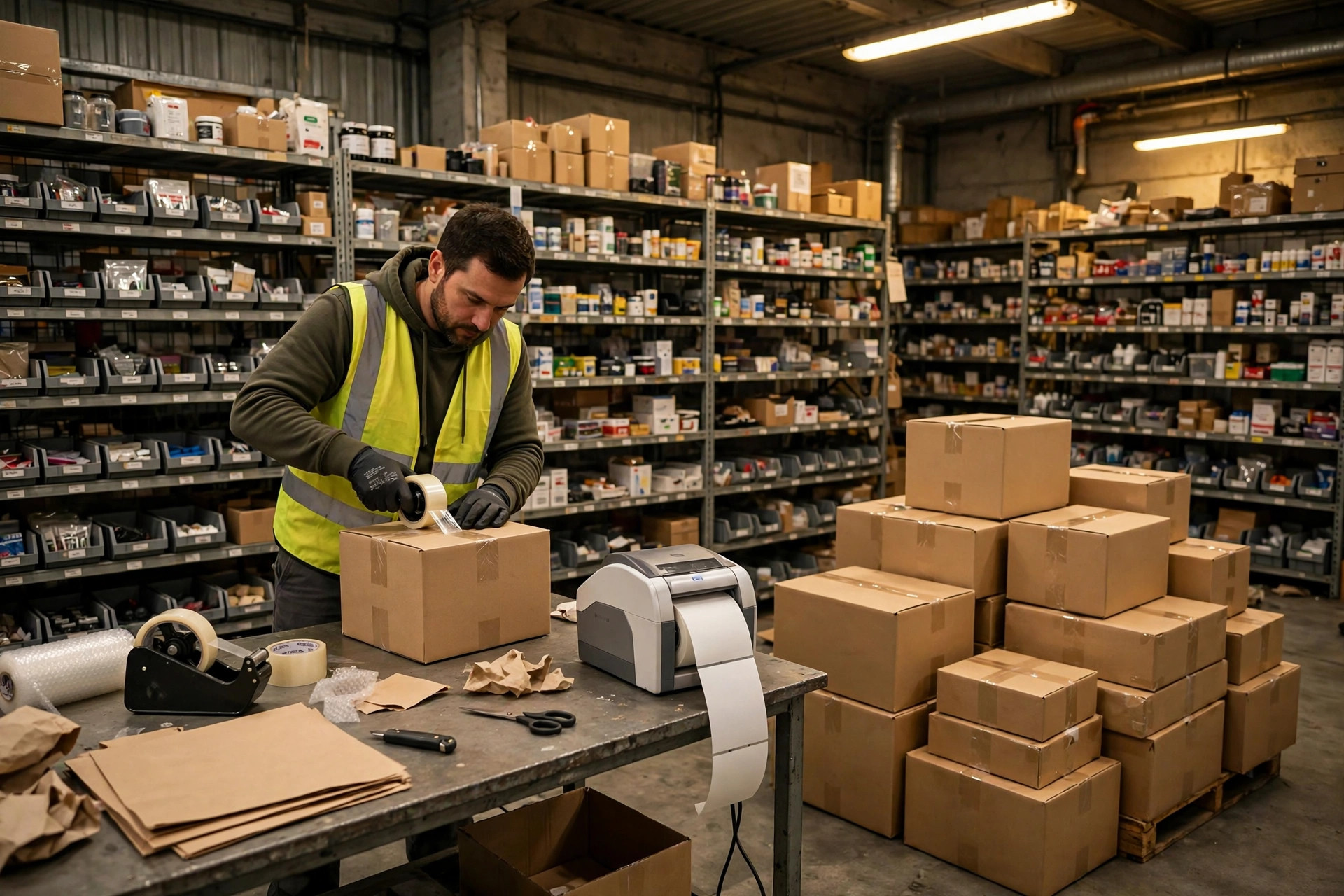
Start with the returns facility layout. A lot of sellers begin by pointing the return address at their fulfillment warehouse, and returns pile up in receiving for weeks mixed in with inbound freight. My recommendation: carve out a physically separate returns processing area — even 200 square feet, walled off from normal operations. Lay out the stations in a single-direction flow: unbox-and-inspect, clean-and-refurbish, grade-and-restock, quarantine hold. Product enters at one end and graded goods exit at the other; nothing flows backward. Inspection benches need good lighting and a camera — photograph every return at unboxing, tie the photos to the original order number. Those photos are your only evidence when deciding "did the buyer damage this or was it already like that," and they are ammunition in refund disputes with the platform.
Location first, though: rent a dedicated returns warehouse, or let the 3PL handle it in a corner? My rule is return volume. Under 2,000 returns a month, a standalone returns facility does not amortize — give your existing 3PL a carved-out area and write the returns SLA into an addendum (inspect and grade within 48 hours of receipt). Over 5,000 a month, a dedicated facility starts to pay: the process, the people, and the system can all be optimized for reverse flow instead of competing with outbound for resources. I watched a beauty seller doing 8,000 returns a month out of a corner of her fulfillment warehouse; inspection backlog stretched to three weeks, A-grade goods degraded into B-grade, and the loss dwarfed what a small dedicated space would have cost.
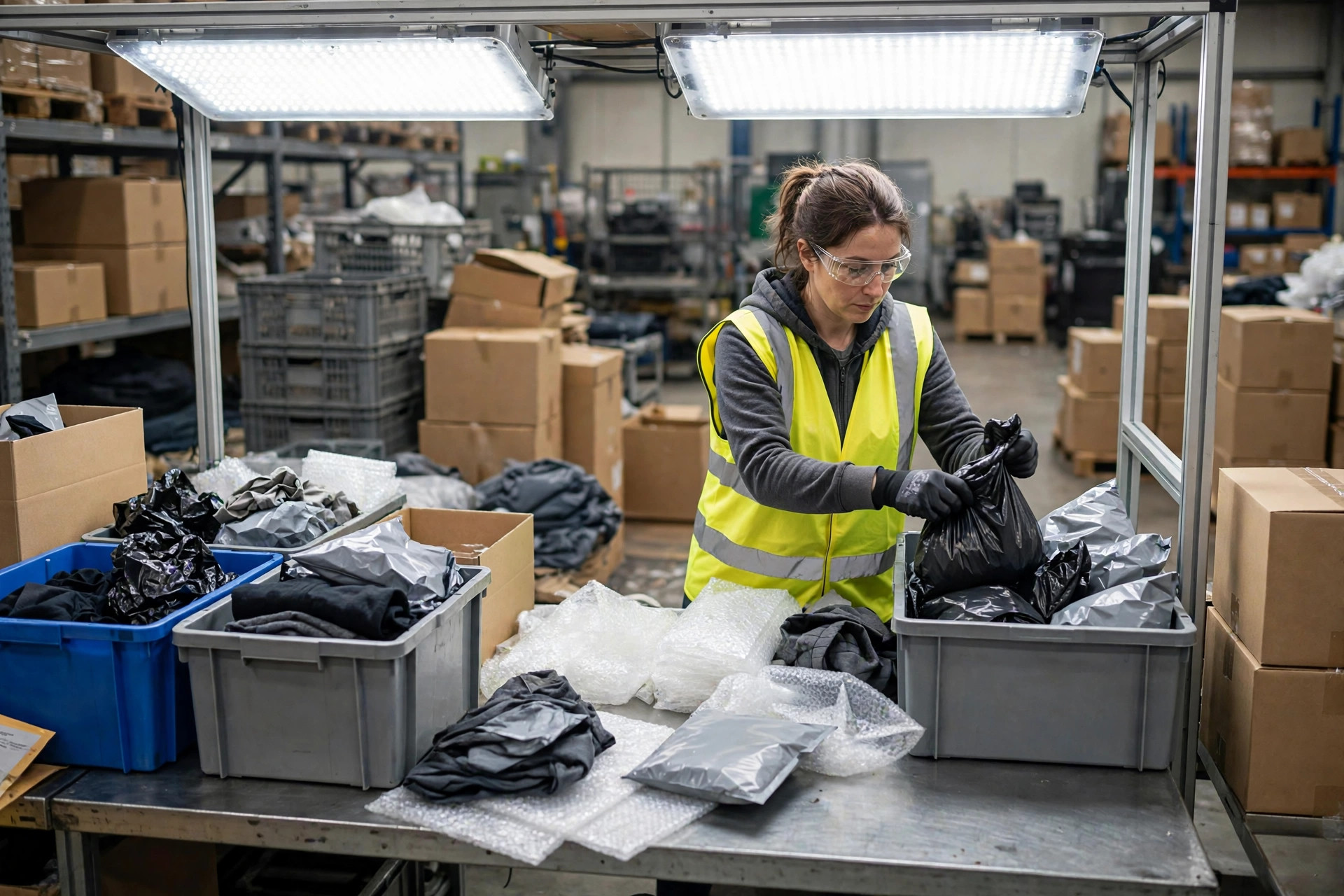
Grading is the highest-value link in the whole chain — it directly decides how much inventory comes back to life. I suggest three grades, with the standards printed and posted above every inspection bench. Grade A: packaging intact, tags attached, fully functional — clean it and relist at full price. Grade B: outer packaging damaged but product perfect — repackage, relabel, and resell at a discount. Grade C: visible use or light damage — refurbish into clearance channels if fixable, part out or scrap if not. The make-or-break detail is who decides: the standard must be SKU-specific. In beauty, a lipstick tested once is automatically Grade C, no discussion. Vague standards mean inspectors grade by gut feel, and the system collapses within a week.
For resale outlets, ranked by recovery rate: first, relist in the original store — Grade A units go back up at full price, nearly zero loss. Second, discount channels — Grade B goes to dedicated clearance stores, clearance livestreams, or bundled mystery boxes. Clearance livestreams in the TikTok ecosystem carry very low traffic cost, and Grade B product actually performs well there. Third, wholesale to liquidators — what is still usable in Grade C gets palletized and sold to jobbers who specialize in tail-end inventory. Floor price, but better than scrap. My verdict is explicit: the goal of returns processing is not "zero waste," it is "maximum Grade A recovery." Forcing B-grade goods back into A-grade channels just to avoid waste earns you bad reviews — a losing trade.
A few operational details on the warehouse side. First, processing speed: target inspection and grading within 48 hours of receipt. Past a week, the goods start losing value — seasonal product goes without saying. Second, returns need their own inventory statuses in the system, never mixed with sellable stock, or customer service will sell a B-grade unit as A-grade. Third, review return reasons monthly: code every return (wrong size, quality issue, not as described, shipping damage, buyer's remorse) and pull the report. The top three SKUs by return rate deserve a hard look — most return problems start in product selection and listing pages, not in the warehouse.
That last point deserves emphasis. My beauty-seller friend's review showed 40% of her returns came from "shade does not match listing" — the short videos were shot with heavy filters. She changed the filming approach and the return rate dropped from 18% to 12%. That single fix beat every warehouse optimization. Return data is free customer feedback; use it.
Do the math monthly: recovery rate equals resale plus wholesale revenue divided by the cost of returned goods. Below 40%, your grading and resale channels have a serious problem. Above 60%, returns stop being a cost center and become a small profit center. Returns are not scary. Returns that nobody processes are.
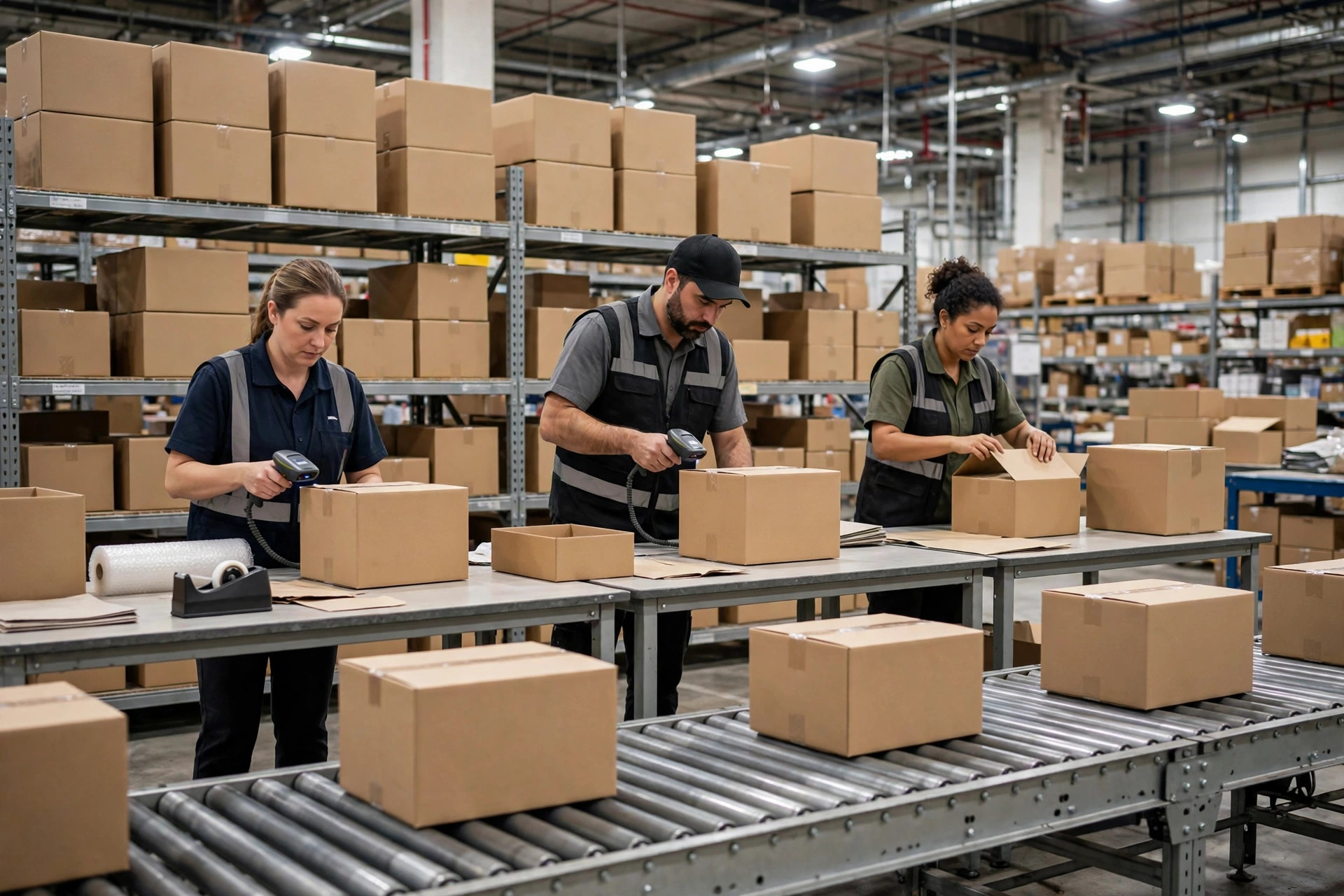
Staffing reference for one returns line: two people on unbox-and-inspect, one or two on clean-and-refurbish depending on category, one on grade-and-restock, plus a part-time data entry hand. That crew processes roughly 800 to 1,200 units a day depending on product complexity. The inspector is the key hire — product-knowledgeable, detail-oriented, ideally with QC background. Misgrading is expensive in both directions: an A graded as B is direct profit lost, a B graded as A is future bad reviews and second returns. Piece-rate pay does not fit here; quality beats speed. I recommend base pay plus a grading-accuracy bonus.
Seasonal SKUs need their own fast lane. Apparel, holiday decor — the resale window is brutally short, and two weeks of delay means the season is over. My practice: seasonal returns get a 24-hour grading deadline from receipt, and Grade A units relist the same day. You can even pre-triage: while the return parcel is still in transit, pre-assign a likely grade from the buyer's stated reason so it hits the right station the moment it arrives. It sounds fussy, but seasonal goods depreciate faster than you think.