Fall of 2019. I'm sitting in my cab outside a warehouse in Foshan, third in line waiting to load, two trucks ahead of me. That was the first time I ever watched an order intercept up close — the freight was already palletized and sitting on the dock when the customer called to cancel a few cartons out of the shipment. The warehouse kid was sweating through his shirt, tearing through pallets for forty minutes before he found them, and every driver in line was cursing. That day I learned something: an order, once released, is like water thrown out the door. Whether you can get it back depends entirely on how far it's flowed.
Fifteen years on the road, let me tell you something: nine times out of ten, an order intercept turns into a fire drill. Why? Because everybody spends all their energy figuring out how to ship faster, and nobody thinks about how to pull one back halfway out.
The Three Lines of Defense for Order Intercepts: First Ask How Far the Order Got
Talk to enough warehouse people and you pick up the pattern: whether you can stop an order, and how painful it is, depends on which stage it's in. I call them the three lines of defense.
First line: the wave hasn't dropped yet. The order is still sitting in the OMS; no pick tasks have gone out. Intercepting here costs almost nothing — cancel it in the system, inventory unfreezes in place, everybody moves on. It's the best case and, wouldn't you know it, the rarest — because customers always remember to cancel right when the freight is about to roll.
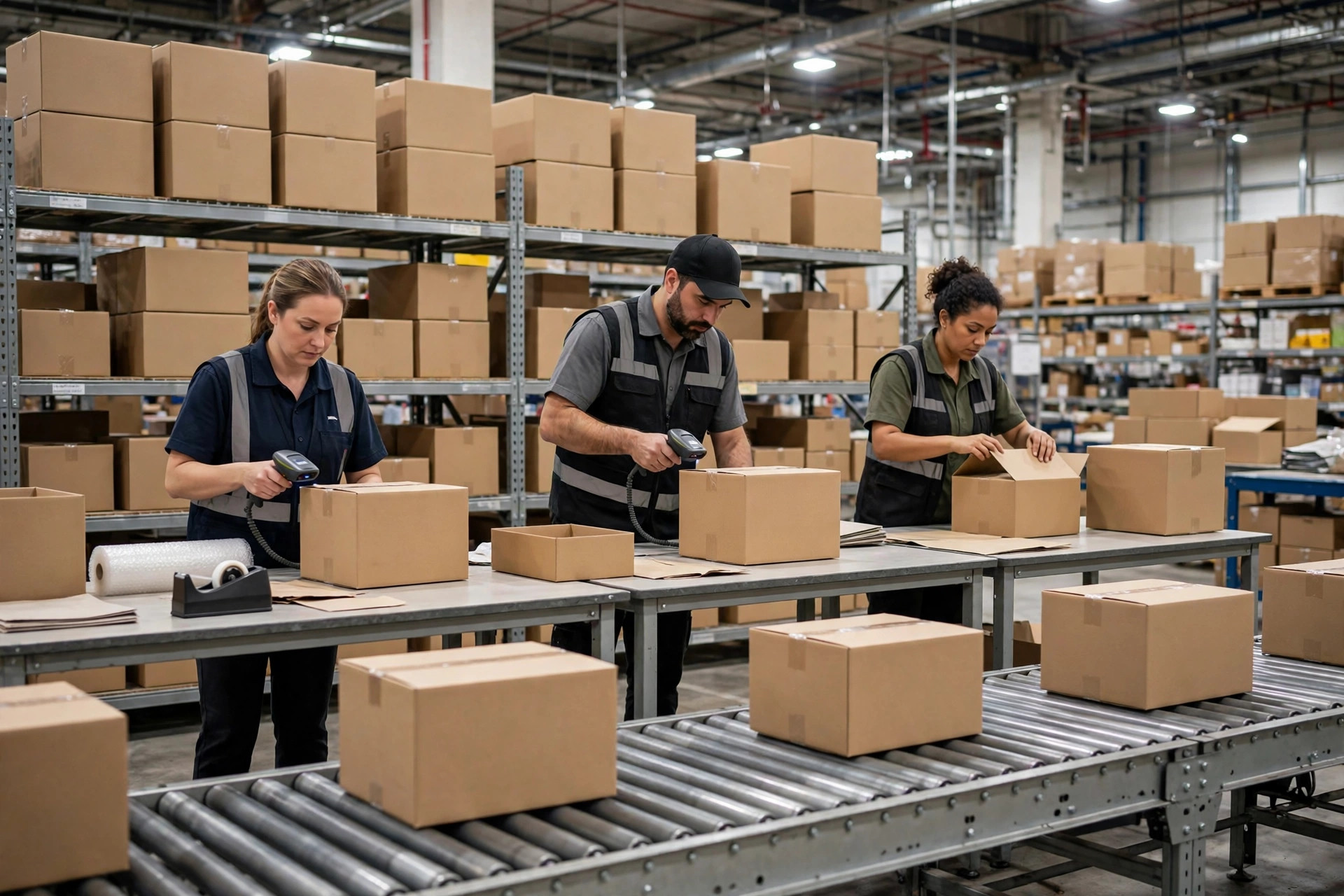
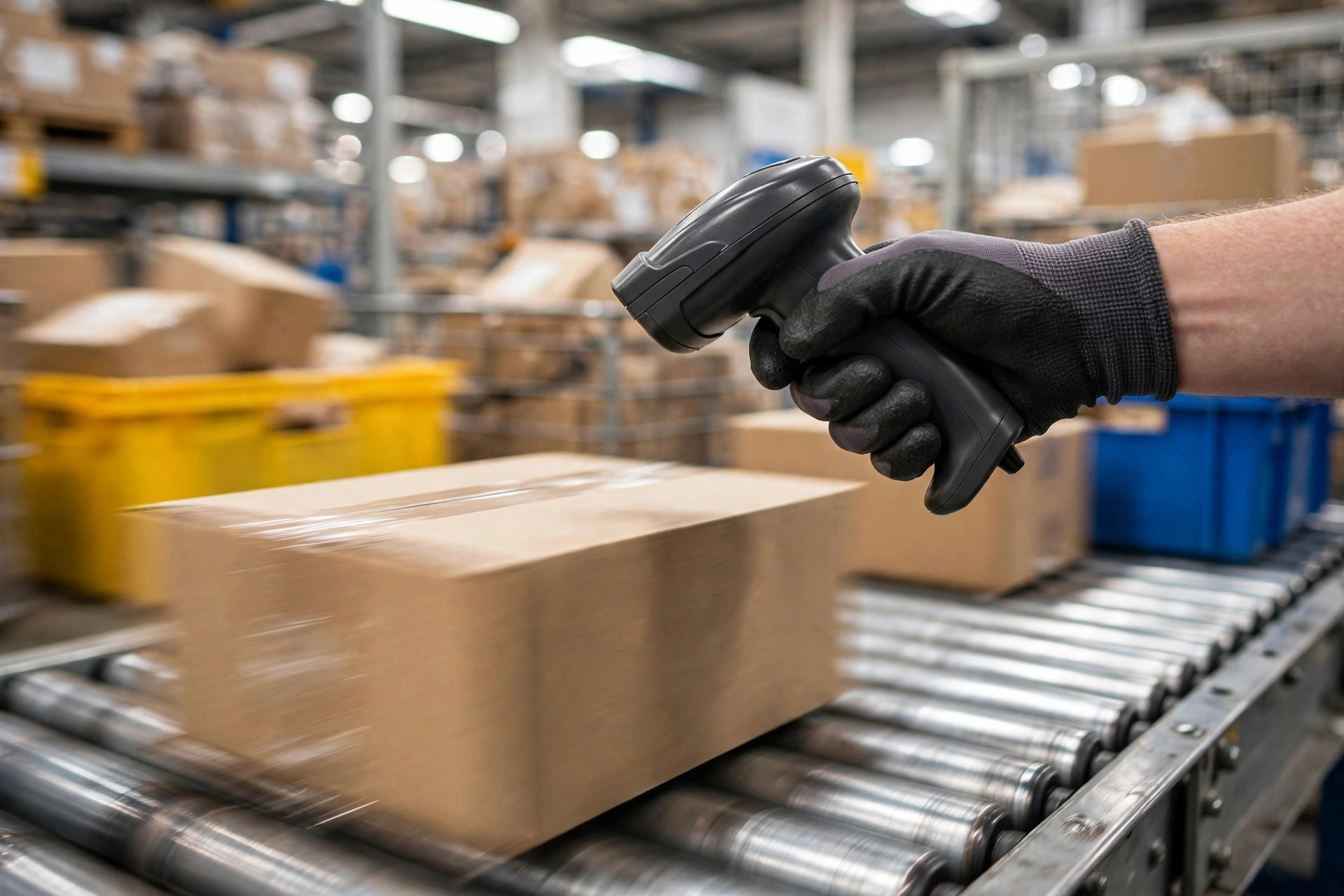
Second line: picking is underway. Pickers are rolling carts between the racks, or the task is already accepted on the handheld. To stop it now you push an intercept instruction to the terminal: set aside what's already picked, or finish the wave and break the order out after. Cost is a few minutes of labor plus a little floor chaos. In 2023 I saw it done beautifully at a cloud warehouse in Shanghai: their conveyor sort line took the intercept straight to the sort chute, and the cancelled parcel diverted itself into the exception lane — nobody touched a thing, and we drivers at the gate never noticed a ripple. The Shanghai crew told me their intercept success rate jumped the moment the instruction went machine-to-machine instead of human-to-human — no radio calls, no running across the floor. Their words, not mine: "the system intercepts faster than a picker can walk to the next slot." That is the gap between a warehouse that planned for cancellations and one that didn't.
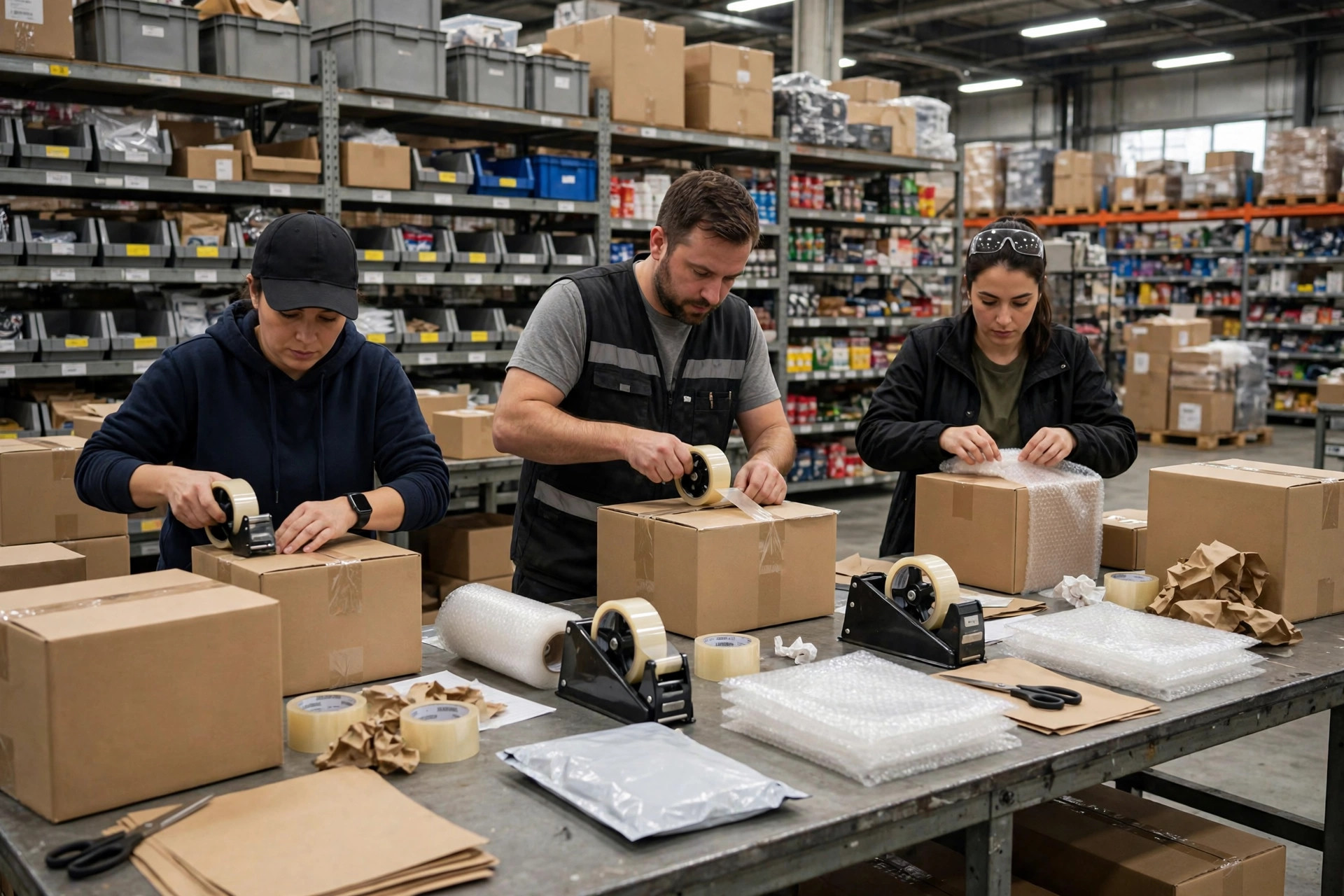
Third line: packed, maybe already loaded. This is the painful one. Cartons sealed, labels on, pallet wrapped, forklift already at the dock — exactly my Foshan morning in 2019. Forcing an intercept here costs the most: break the pallet, hunt the cartons, repack, while half the dock crew stands around one shipment and the trucks stack up behind.
The Interception Cost Curve: Pricier the Later You Catch It — With One Exception
| How far the order got | What the intercept takes | Cost scale |
|---|---|---|
| Wave not released | Cancel directly in the OMS | Near zero |
| Mid-pick | Push intercept to terminals, stage picked goods separately | A few minutes of labor |
| Packed, not loaded | Open cartons, find goods, repack | Roughly half an hour of labor, plus voided labels |
| Loaded or departed | Don't force it — reverse it back | One freight leg plus return processing |
See the pattern: the later you catch it, the more it costs. But here's my counter-intuitive call: at the third line, sometimes not intercepting saves more money. The freight's on the truck, seals are on — if you insist on tearing the pallet apart on the dock to find those few cartons, you're burning a whole truck's worth of everyone's time. The line of trucks behind the dock keeps growing: detention fees, driver tempers, delayed orders behind you. Add it up and it costs more than letting the freight ride out and bringing it back in reverse. Riding it out and reversing is one freight leg plus return handling; forcing the intercept stops the rhythm of the entire warehouse. That's how the math really works.
Straight Talk for Shippers and Warehouses
For shippers:
- Double-check before you order — especially during peak season, when most cancellations are impulse buys with instant regret.
- If you must cancel, say so early. Don't wait until the truck is at the gate.
- Negotiate intercept charges with the warehouse up front and put them in the contract. Saves a fight later.
For warehouses:
- Give cancelled orders their own status in the OMS. Don't mix them with normal orders or pickers will pick them by mistake.
- Intercept instructions must reach the terminals and the sort equipment — not somebody's shouting. The shouting method, back in Foshan, took forty minutes.
- Keep an "intercept staging area" on the dock. Intercepted freight needs somewhere to sit that isn't the middle of the aisle.
- Time-stamp every intercept: when the instruction went out, when the freight was stopped. When the customer disputes the charge, you want a log — not somebody's memory of shouting across the dock.
Fifteen years out here, and I believe one thing: anybody can get freight out the door — bringing it back halfway is the real skill. You won't need an order intercept most days. The day you do, it's the thing that saves you. System or process, keep that road open ahead of time. Don't start figuring it out when the customer's already on the phone.
By Shifu Zhao, Trucking Veteran (15 yrs)