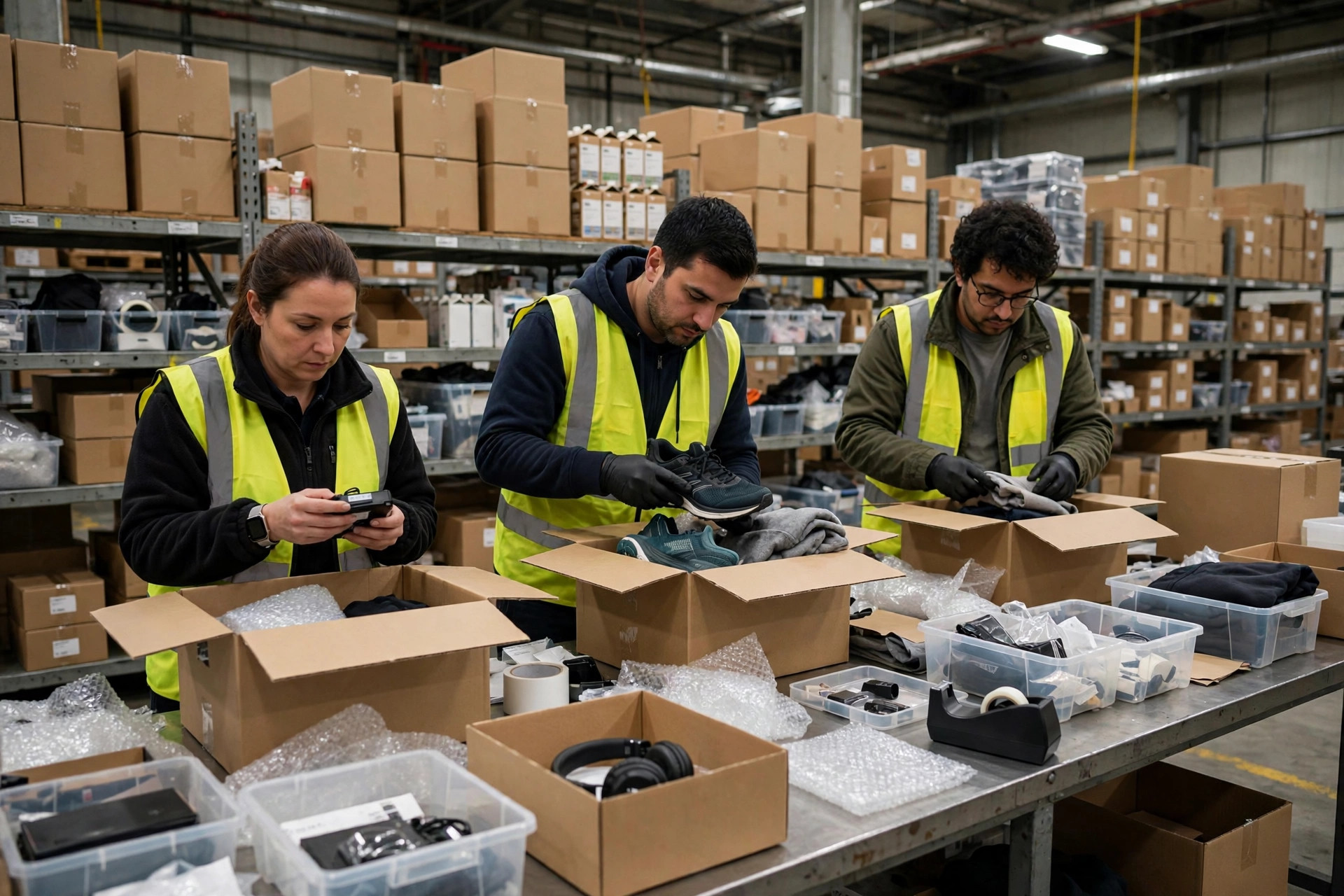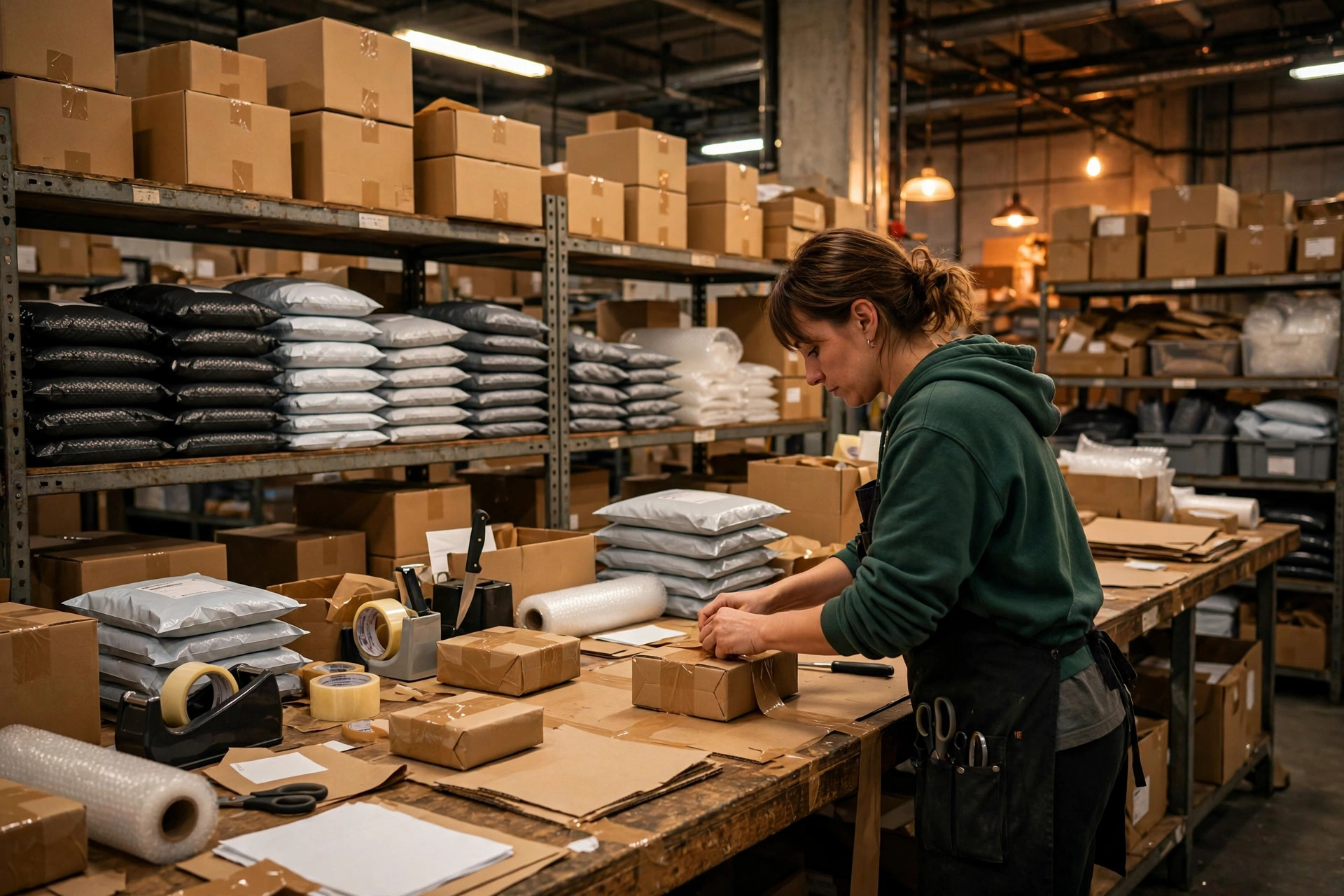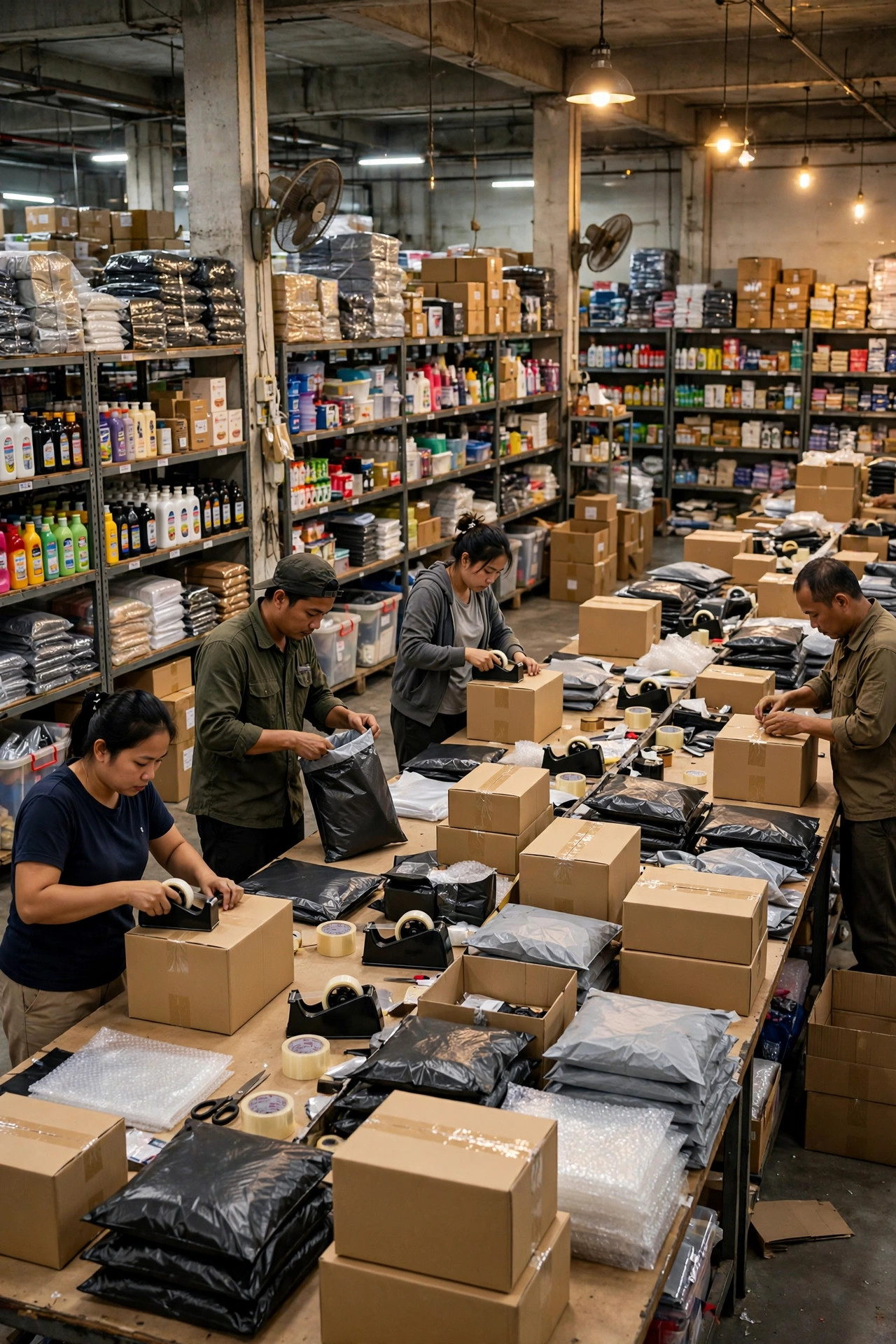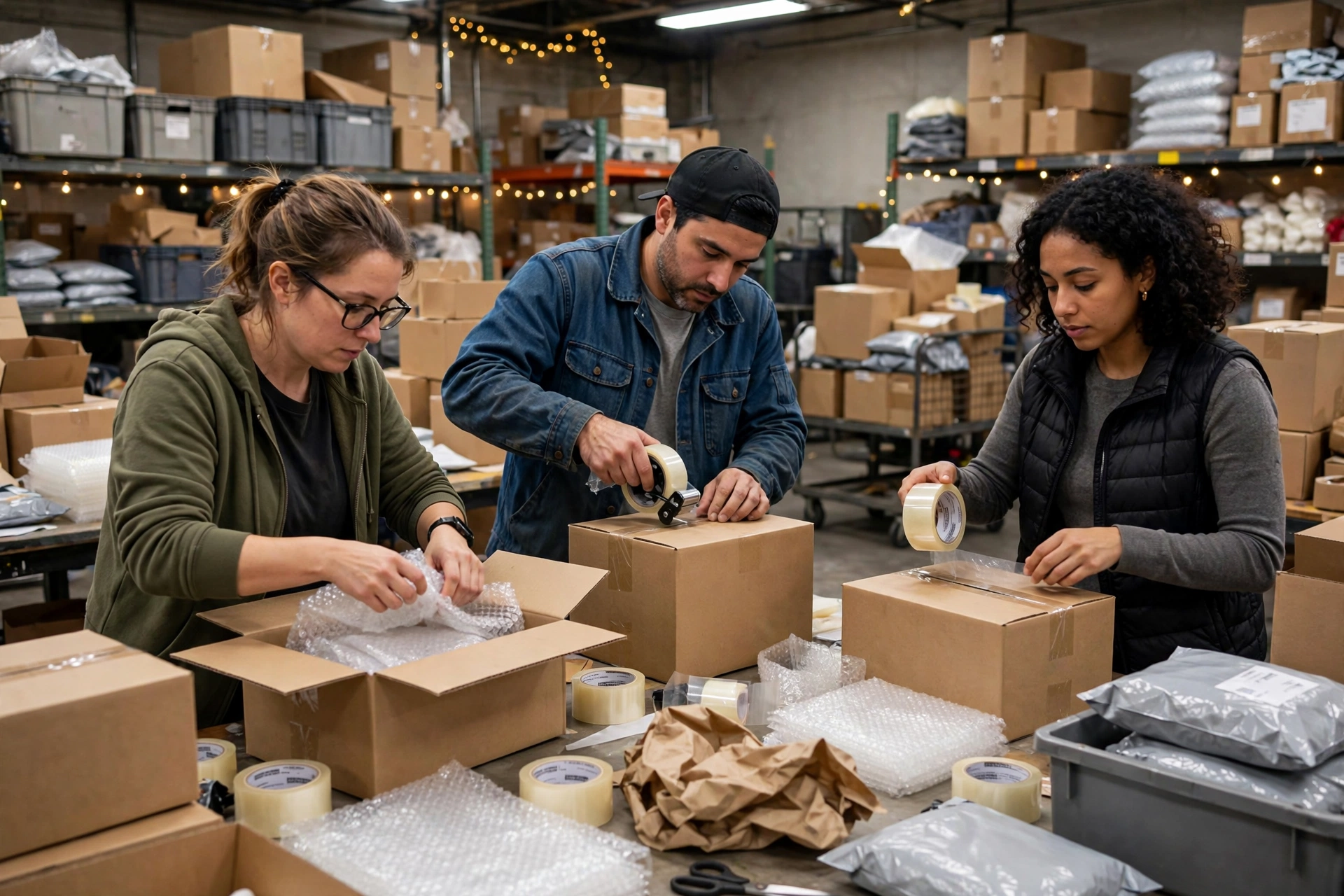
Let me start with our embarrassment. Last fall, a beauty seller we work with got featured by a big TikTok creator, and 3,000 orders slammed in overnight. Our little warehouse normally does 300 orders a day — two packing stations, four packers. That night, the label printer literally started smoking (burnt ribbon, real smoke), the carrier driver waited at our door for three hours, and we didn't finish shipping until 3 a.m. The next day, late-shipment penalties and one-star reviews arrived together.
That's when it clicked for me: when TikTok Shop orders explode, the winner isn't the loudest seller — it's the warehouse that prepared first. Big companies have their playbooks. We small warehouses can't afford that kind of money, so we make do with street-smart tricks. They're ugly. They work.
Oh, and the worst part of that night wasn't packing — it was customer service. The seller's one support rep couldn't keep up, and "has my order shipped yet?" messages piled up by the hundreds. Lesson learned: before a spike, have the seller set up auto-replies — "shipping delayed 1–2 days due to high volume, order with that in mind." Set expectations early, cut bad reviews in half. Costs nothing, pure hustle.
The 30-day countdown: our wall chart
This timeline was paid for in blood. It's taped to our warehouse wall:
| When | What | Why |
|---|---|---|
| D-30 | Get the seller's livestream schedule + volume forecast; line up temp labor | Creator schedules are the only demand forecast we get |
| D-21 | Order supplies: cartons, labels, tape, bubble mailers at 1.5× forecast | Carton factories need 7–10 days lead time; rush orders cost extra |
| D-14 | First inbound arrives and gets put away; extra packing stations ready | Claim your space for freight and people early |
| D-7 | Stress test: run one shift at peak volume, find the bottleneck | Better to jam now than on spike day |
| D-3 | Second replenishment arrives; test every carrier account | One dead carrier account = total failure |
| D-Day | Everyone on site, seller on standby by phone | Decisions on the spot, no process |
Before a spike, time is the most expensive thing you have. Remembering to order cartons at D-7? Nothing can save you.
Inbound rhythm: three waves, never one big pile
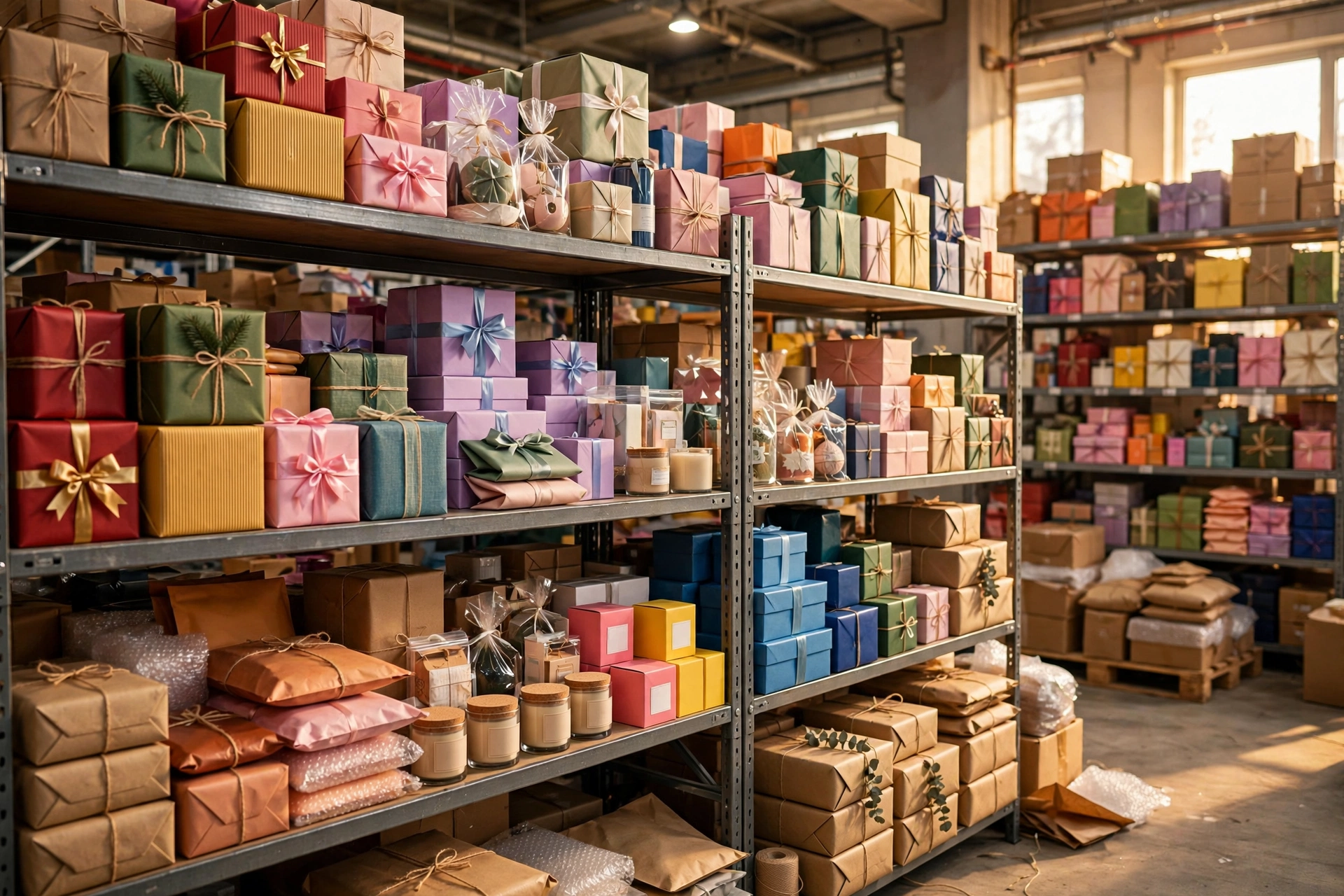
What scares a small warehouse most? Running out of the hot SKU — and getting buried in the dud. We've got 3,000 square feet. One overstocked inbound clogs every aisle, and then there's nowhere to put the winner when it arrives. Floor space is our lifeline; one bad pile-up and we're hurting for weeks.
Our street-smart method is three-wave inbound:
Wave one lands at D-14, at 50% of forecast. This is the safety net — if it doesn't sell through, we can digest it slowly.
Wave two lands at D-3, sized by the warm-up data. Early 2025, a home-goods seller did 40% of forecast in the first two hours of the premiere stream. We called the factory that same night and maxed out wave two. The hot SKU never stocked out.
Wave three is the flex: negotiate a 48-hour rush channel with the supplier in advance, even at 10–15% premium. That premium is pocket change next to losing search ranking from a stockout.
We also have a back-of-napkin formula for quantities: take the seller's average daily orders over the past 7 days, multiply by promo days, multiply by 1.3 for volatility. Say 200 orders/day over a 3-day push: 200 × 3 × 1.3 ≈ 800 units minimum. Creator-driven spikes go higher — for a creator with 100K followers, divide their average GMV per stream by average order value and you'll land within spitting distance.
And the freebie: ask the seller for the creator schedule — who streams when, follower counts, historical conversion. That's our "demand forecasting system." Free, and embarrassingly accurate. We can't afford the enterprise version, but the schedule is sitting in the seller's inbox.
Fulfillment prep: the four places it blows up
1. Not enough packing stations. Two stations on a normal day, six on spike day. Buy new ones? We small warehouses can't burn that kind of money. Street trick: secondhand folding tables, a few dozen dollars each, plus our one-page packing cheat sheet — a temp worker is productive in ten minutes. When the spike's over, fold the tables up and it's a warehouse again.
2. Not enough people. Lock in gig workers two weeks out, daily pay, one hot meal included. Never hire on spike day — a day-of hire packs one order in five minutes and slows everyone down. Our ratio: one veteran to two temps, one order packed in 2–3 minutes.
3. Carrier accounts. TikTok Shop is brutal on ship time — late shipments mean demerits and throttled traffic. Our rule: at least two carrier channels, primary plus backup, and at D-3 we print one real label on each to test. Last year a seller ran on a single carrier; its system went down for maintenance on spike night, and 2,000 orders slept in our warehouse. I still remember that penalty bill.
4. A returns plan. Here's the counterintuitive one: the scariest part of a spike isn't shipping — it's what comes back. Beauty and apparel return rates of 20–30% are normal. After a 3,000-order spike, 600–900 units come home. The returns corner, QC, and restocking crew need to be carved out by D-7. Returns piled in the packing zone means day two is a shutdown.
The small-warehouse survival kit
"We small warehouses can't afford that kind of money" isn't a slogan — it's our finance policy. A few tricks from the bottom drawer:
Group-buy supplies. Cartons and bubble mailers, pooled with two neighboring small warehouses — one order of 20,000 units knocks 20% off the unit price. Cardboard doesn't expire. Group buying is free money.
Borrow people, not equipment. Folding tables can fake a packing station, but veterans can't be faked. Our trick is shift-swapping with the warehouse next door: I lend them two people for their spike, they return the favor for mine. We're all small warehouses; everybody has a hard week sometime. Mutual aid beats day-of hiring ten to one.
Ship off-peak. Carrier pickup times are fixed, so we move our packing earlier: the night before the spike, pre-pack 30% of forecast volume in generic packaging (no labels), then slap labels on the moment they drop. The pickup truck waits for no one — every hour saved is an hour earned.
Reserve golden slots. When wave one lands at D-14, it goes straight to the slots nearest the packing zone — forget standard ABC slotting. During spike days, every step a picker doesn't walk is money. Re-slot after the spike; half a day's work.
Big companies would sneer at these — they have systems and budgets. But we small warehouses survive spike after spike on exactly these unglamorous tricks.
Running the numbers, small-warehouse style
For a 3,000-order spike: 1.5× supplies cost a few hundred extra dollars; six temps for three days at daily rates runs one to two thousand; folding tables are a few hundred one-time and last for years. All in: two to three thousand dollars.
Compare the cost of blowing it: late shipments get the listing deprioritized, traffic falls off a cliff, and the seller loses tens of thousands in sales — some of that blame lands on us. Two or three grand for peace of mind is arithmetic a kid could do. And it's mostly variable cost — if the spike never comes, the cartons keep for next time and the temps cost nothing. That's the small-warehouse rhythm: small money, big outcomes, no hangover.
So don't think of prep as a cost. No prep is the cost. Every dollar in a small warehouse has to land on the blade's edge — and pre-spike prep is the edge.
Small warehouses have their own way of living
Big companies prep for spikes with systems, models, and automation. We prep with four "earlies": get the schedule early, order cartons early, lock people early, test carriers early. Four earlies, plus a countdown chart taped to the wall.
Since that disastrous fall night, we've run this playbook through three spikes with sellers — the biggest hit 5,000 orders in one night, we clocked out at 1 a.m., zero late shipments. The seller now tells everyone our warehouse is reliable. In the small-warehouse game, "reliable" is worth more than any ad.
Small warehouses have their own way of living: can't burn money, so we burn brainpower. Thirty days before the next spike, tape that countdown chart to the wall and check things off one by one — checks done, spike incoming, no panic.
By Xiao Ma, Small Warehouse Owner