I'll give you my conclusion first: don't go all-in on an overseas warehouse when you start selling on Jumia Africa. The biggest variable in the African market isn't traffic. It's cash-on-delivery returns and refunds. In plain terms: can your goods actually arrive, can the money actually come back, and where do returned goods go? If you haven't thought those three things through, whichever fulfillment option you pick is a gamble.
I've seen too many sellers who had a winning playbook at home and assumed Africa was just the same game on a different platform. Then the first order tripped them up on logistics. In the second half of 2023, a friend of mine in Shenzhen who sells small home appliances saw momentum in the phone accessories category on Jumia's Nigeria site and shipped 500 units via self-fulfillment. Orders came in — more than 80 in the first week — and he was thrilled. Then the problems started: delivery in Lagos was much slower than he expected, buyers got tired of waiting, and the refusal rate shot up. Refused parcels piled up in the local warehouse. The shipping was already paid for, and not a cent of payment had been collected. He told me that month looked like "good sales" on paper, but in reality the more he sold, the more he lost.
This cuts both ways. Self-fulfillment is light: the goods stay in your hands, and little capital is tied up. The price is slower delivery and more refusals. Delivery in many African cities is nothing like next-day service back home. Road conditions, addresses, contact details — any link in the chain can cost you days. With cash on delivery, the buyer hasn't paid anything yet. If they wait too long and change their mind, the refusal cost lands entirely on the seller. Overseas warehouses are the mirror image: faster delivery and fewer refusals, but your stock sits overseas. If it doesn't sell, it becomes inventory, and returns need someone on the ground to handle them. Neither model is right or wrong. The question is whether your product can bear the cost that comes with it.
Jumia Africa Fulfillment Warehouse vs. Self-Ship: Run the Full Math First
The same product under two fulfillment models means two different sets of books. The overseas warehouse ledger is: first-leg shipping, storage, local delivery, and returns handling, in exchange for speed and experience. The self-ship ledger is: international logistics, platform delivery, and high refusal losses, in exchange for low investment and flexibility. When you run the numbers, don't just count per-parcel shipping. Put refusals, returns, and capital tied up in stock on the same page.
| Factor | Jumia Africa fulfillment warehouse | Self-ship |
|---|---|---|
| Delivery speed | Ships locally, clearly faster | International leg plus local delivery, long chain |
| Refusal risk | Short wait, relatively low refusals | Long wait, noticeably higher refusals |
| Capital tied up | Stocked inventory, cash locked in goods | Goods in your hands, low capital pressure |
| Returns handling | Back to local warehouse, can be resold or repaired | Long return chain, expensive to process |
| Best for | Proven sellers, repeat-order SKUs | Testing products, new listings, small batches |
My advice is blunt: test new products with self-ship first. Once you find out which SKU actually moves, shift the proven sellers into the overseas warehouse. Do it the other way around — stock a warehouse before testing the market — and you pay all your tuition at once. One more detail: before shifting to an overseas warehouse, ask the platform and the warehouse provider exactly how returns are handled. Are returns destroyed locally, shipped back home, or relisted? How are the fees charged? Get it in writing before the goods leave. Plenty of sellers lose money on the one question they never asked — "what happens to returns?" — and only discover that nobody is handling their returned parcels once the goods are already in Africa.
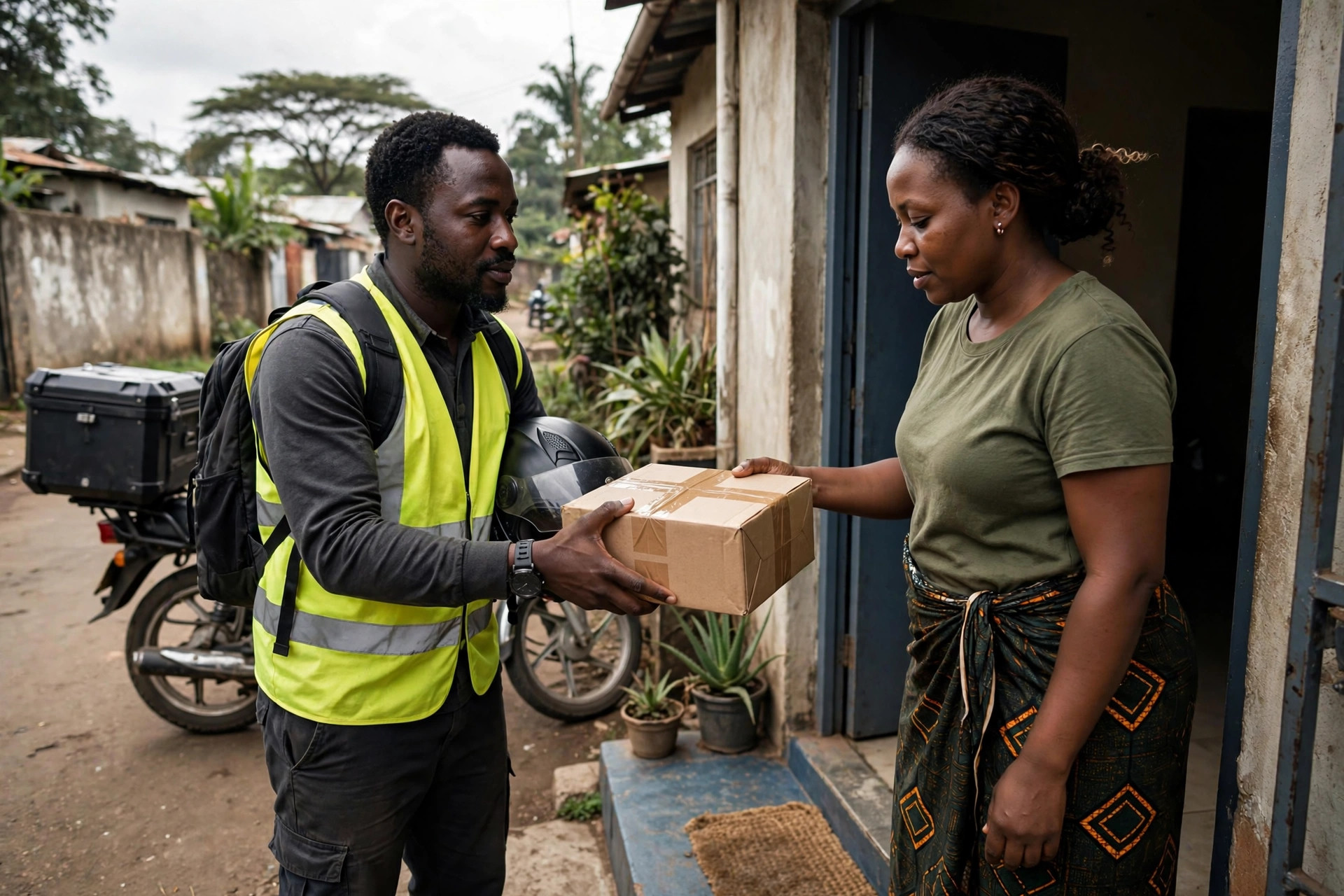
COD Collection: Where Jumia Africa Fulfillment Breaks Down Most Often
Here's the reality of African e-commerce: a large share of buyers still prefer cash on delivery. That means your goods go out before the money comes in. Under COD, the number to watch isn't "how much did I sell." It's "how much was signed for, and how much cash actually came back." Sign-off rate, collection cycle, and the platform's settlement rules — those three decide your cash flow.
In early 2024, another seller I know, selling household goods, walked me through his lesson. He was using an overseas warehouse for the Kenya site, and order volume looked good. But two months in, cash was always tight. When we dug in, two causes surfaced. First, some orders were refused on delivery, the goods came back to the warehouse, and the shipping was wasted. Second, the collection cycle was longer than he had planned, and the next round of stocking needed cash up front — his cash flow was being squeezed from both ends. His fix was practical. First, make the listing honest: clear dimensions, materials, and real photos, to cut "not as described" refusals. Second, reconcile three reports every week — signed, refused, and collected — and pull any SKU with a high refusal rate to fix its description instead of toughing it out. Third, plan stocking backwards from the collection cycle, always keeping enough cash on hand for the next first-leg shipment. Three months later his refusal rate was down, and his cash flow stopped living day to day.
The counterintuitive point is this: in a COD market, cutting refusals makes you more money than chasing more orders. One refused order costs you two-way shipping plus storage. One signed order earns you the payment minus cost. Move some of the energy you spend on "how do I get more orders" into "how do I make sure the orders I get actually get signed for," and your P&L will look much better.
Returns and Delivery Times: Don't Import Your Home-Market Playbook
Returns are the most underestimated cost in Jumia Africa fulfillment. Back home, returns are routine — the process is mature and cheap. In Africa, the return chain is long, communication is hard, and handling is expensive. My approach is to treat returns as part of the fulfillment plan, not something you think about only when after-sales blows up. Decide the returns grading before you stock: cosmetically perfect items go back on sale; damaged packaging gets cleared at a discount; broken items get handled locally instead of being shipped home at great expense. Agree the grading standard with your warehouse partner in advance, so returned goods follow the standard without every parcel coming back to you for a decision.
Delivery times work the same way. Don't promise buyers a speed you can't deliver. State a realistic delivery window on the listing, and keep your customer service wording consistent. African consumers tolerate "a bit slow but exactly as promised" far better than "promised fast, delayed again and again." On delivery promises, it is better to be conservative than to inflate the promise for conversion. Orders won by exaggeration end up as refusals and bad reviews.
One last piece of advice: Jumia Africa is not a dumping ground for cheap goods. It is a market where fulfillment capability decides who wins. Get the three-piece set right — fulfillment model, COD collection, and returns handling — and even a small seller can make steady money. Get it wrong, and the bigger your order volume, the faster you lose. So here's my question: does your current fulfillment setup survive an honest look at your refusal and collection reports?
By Lao Mi, Supply Chain Veteran (20 yrs)