Here is my verdict up front: third-country assembly in Mexico and Southeast Asia can work, but it is not a shortcut around tariffs. It is a trade, and the price includes inspection costs, extra lead time, and the cost of getting it wrong. Most people I meet only look at the landed-cost difference. They never price in what happens if customs decides the origin did not actually change — back duties, demurrage, paperwork rework, weeks stuck at the border. I have watched that bill eat the entire saving.
Let me be blunt about how origin is actually judged. It is not judged by what you call the work, or by what your supplier promises in an email. It is judged by what physically happened to the goods in that third country. A new box, a new label, and a few screws do not change origin. What holds up is visible transformation: real labor, real equipment, real time, a product that comes out different in form or function — and records that prove each step. There are two sides to this decision, and people usually only do the math on one of them. The first side is cost. The second side is evidence. Skip the second, and the first does not matter.
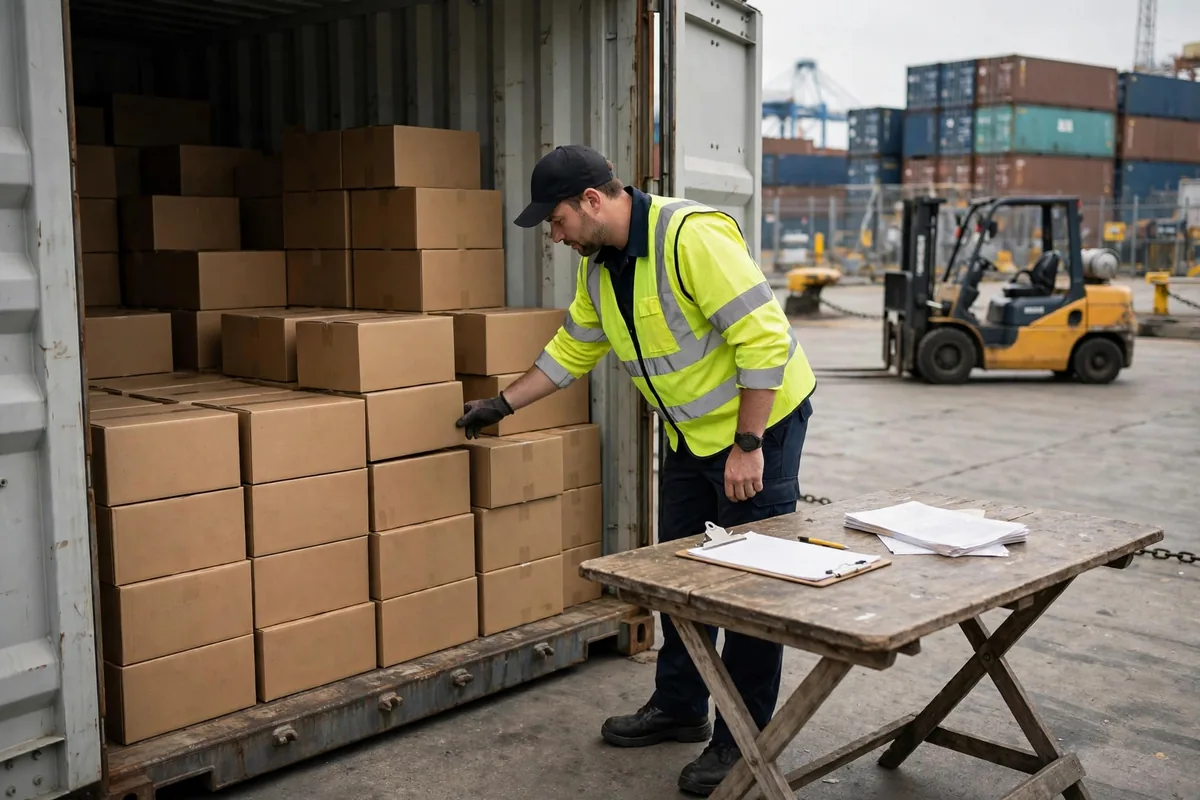
I learned this the hard way through a client, not a textbook. In the fall of 2023, I was in a California importer's warehouse when a shipment of small appliances came back to bite them. The goods had gone from China to a plant in Monterrey, Mexico, for final assembly before entering the United States. The plan looked fine on paper; the plant was real, with dozens of workers. The problem was in the detail. The core units arrived nearly complete. In Mexico, the crew fitted the outer housing and applied labels — about fifteen minutes per unit — with no testing step and no time records kept. When customs asked for production records and proof of what that step actually changed, the importer had almost nothing: a letter from the assembler and a handful of site photos.
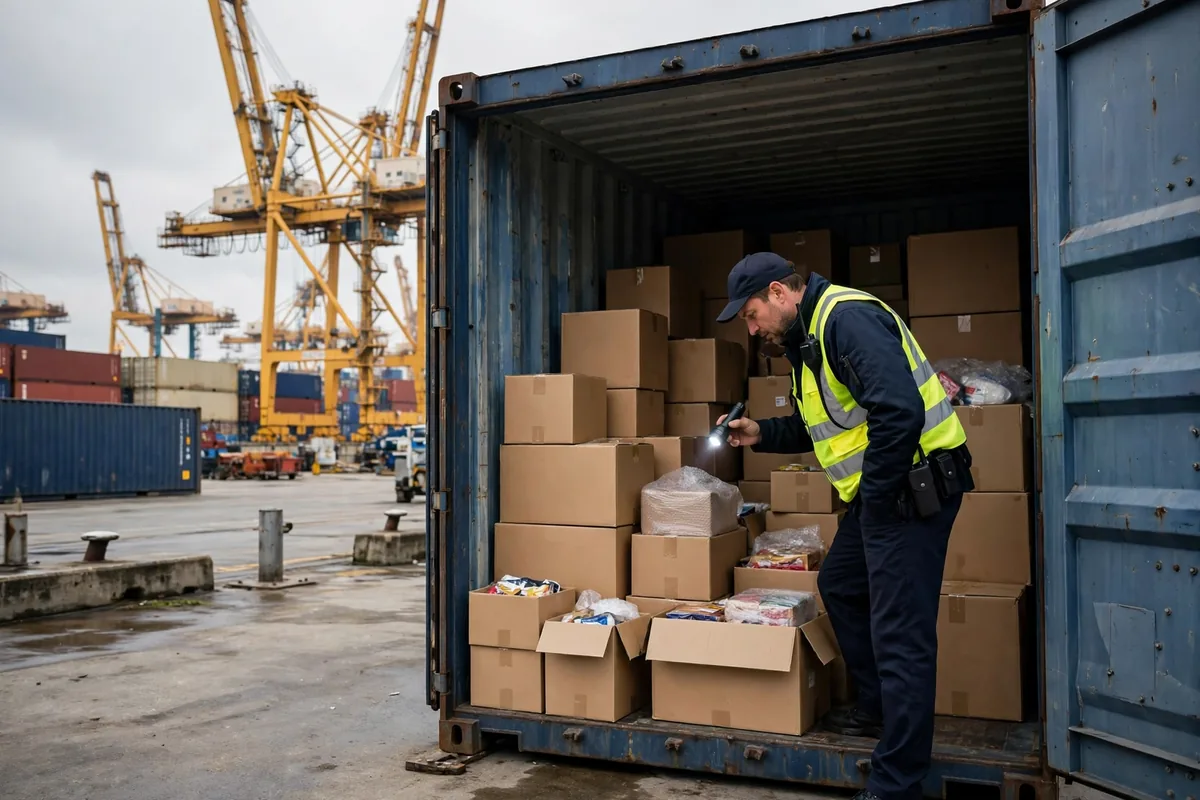
That shipment sat at the border close to three weeks while storage and demurrage climbed, and the back duties and penalties wiped out most of the margin the route was supposed to create. The owner told me afterward that he had not lost because he picked the wrong country. He had lost because he thought hiring a plant was the same thing as being compliant. Since then, my first question about any third-country assembly plan is never about savings. It is: can you explain the processing, step by step, and prove it? If the answer is vague, I tell the client to stop, no matter how good the price looks.
Mexico or Southeast Asia: Two Different Third-Country Assembly Bets
Mexico and Southeast Asia are not interchangeable. Mexico is close. A truck can reach the border in days, you can fly down and see the operation yourself, and when something goes wrong you can fix it in person. That matters for high-value goods and for anything where delivery dates are tight. The trade-off is cost. Labor and factory space are not cheap, small runs are hard to spread across fixed costs, and shallow assembly carries just as much inspection risk there as anywhere else.
Southeast Asia runs on a different rhythm. Labor costs are lower, the supplier base is deep, and the region suits larger volumes and multi-step work. But the ocean leg is long, there are more hands in the chain, and if one document in that chain does not line up with the rest, tracing the problem takes far longer. The choice is about which rhythm your product can live in.
When I cost one of these plans, I never use a single landed-cost comparison. I break it into four buckets. The first is the visible money: processing fees and freight. The second is time — extra transit, extra handling, extra buffer stock you have to carry. The third is compliance cost: the broker, the origin documentation, and any third-party review. The fourth is the reserve, the money you need if you get inspected and the origin claim fails. Plenty of plans win the first bucket and lose the other three. If the saving is only a few points, one bad inspection erases it. Run the numbers with the worst case included: a saving that only works when nothing goes wrong is not a saving.
| Factor | Direct import | Mexico assembly | Southeast Asia assembly |
|---|---|---|---|
| Speed to market | Fastest | Faster, by truck | Slower, mostly ocean |
| Depth of processing needed | Not applicable | Real steps, with records | Real steps, with records |
| Evidence burden at inspection | Low | Medium, site can be checked | Higher, longer chain |
| Best fit | Tight deadlines, simple work | High value, time-sensitive | High volume, multi-step work |
That table is not a scorecard for picking a winner. It is a reminder that each route charges you in a different place. Mexico charges you in cost, Southeast Asia charges you in time and chain complexity, and direct import charges you in price. There is no free option here.
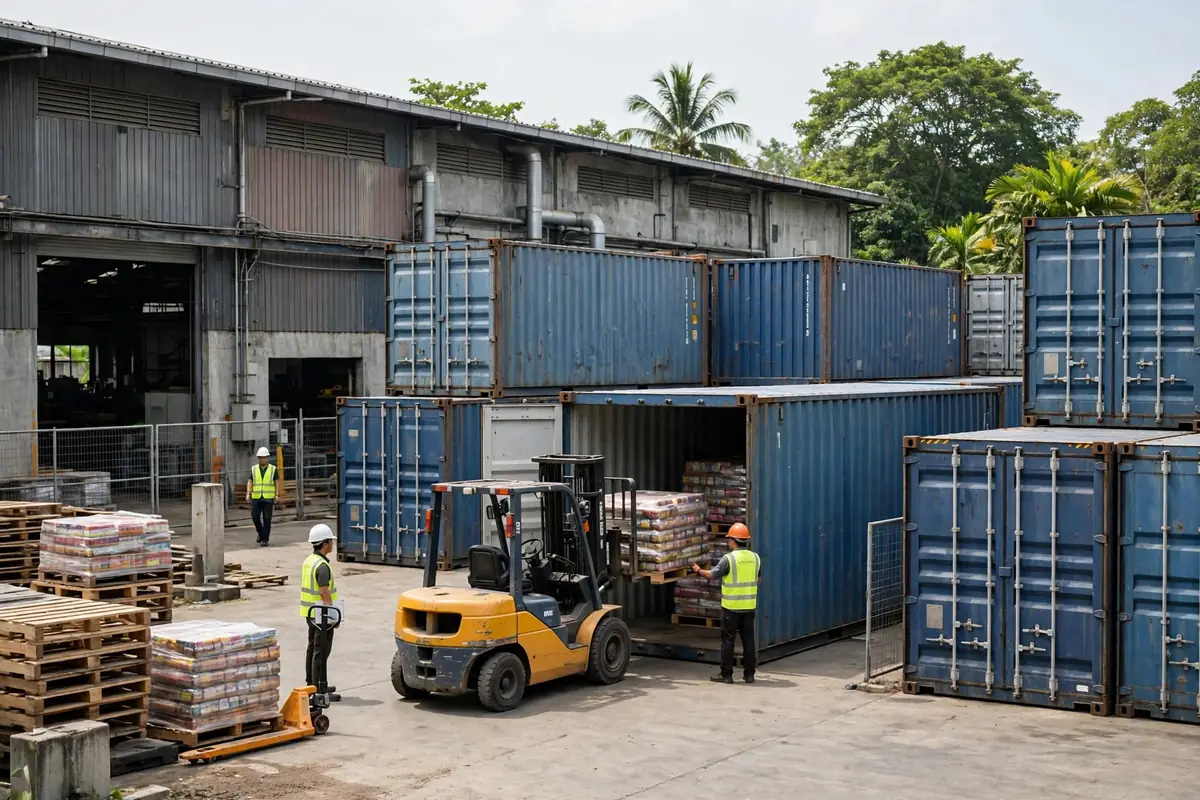
In the summer of 2024, another client — an outdoor-gear importer — ran a Southeast Asia route, and the contrast with the Mexico case was striking. Their Vietnam plant did real work: cutting, stitching, assembly, and quality checks, all on site, with more than a hundred workers and batch-level records for labor, materials, and inspection results. They were inspected too, but handed over the full file within half a day — bills of material, production schedules, input-output records by batch, shop photos, an equipment list — and the goods cleared on schedule.
Same policy environment, two opposite outcomes. The difference was not luck. It was whether the company could produce evidence on demand. That is the part people underestimate. An inspection does not care how clever your route design is. It cares what you can show.
The Counterintuitive Part of Third-Country Assembly: Simpler and Real Beats Complex and Vague
Here is the judgment that surprises most people: more processing steps do not make you safer. Inspectors are not impressed by complexity. They are impressed by reality. One simple, genuine step with complete records holds up better than ten steps nobody can explain. And the more steps you stack, the longer your document chain gets, and the more places it can break. I have seen too many plans where all the energy went into designing the route, and nobody was assigned to keep the daily production records. A beautiful route with a broken evidence chain fails just the same.
So my approach is plain, and it works. Before anything moves, settle three things: exactly what processing counts, who will judge whether it is enough, and who keeps each record, where, and for how long. Bring the broker and the compliance adviser in before production starts, not when the goods are already at the border. Put the assembler's obligations in the contract: time records, cooperation with site checks, document retention periods. Those are not courtesies. They are what lets you defend yourself when it matters.
Automation helps here more than people expect. When production data, inventory movement, and batch traceability live in a system, pulling the record for an inspection takes minutes. Digging through paper files can take days, and by then the clock — and the demurrage — is already running against you. That is one more reason I push clients to treat record-keeping as part of the operation, not as paperwork to do later.
One more thing people get wrong: origin rules are not one fixed standard. They vary by product and by process, and they change. What applies to your product and your process has to be checked against the latest official policy and professional advice for your specific case. Do not copy another company's outcome and paste it onto yours. A route that worked for them may not work for you, and a route that failed for them may still be viable for you. The difference is your processing substance and your evidence.
If you are weighing this route now, my advice is simple. Before you ask how much you can save, get someone who knows this field to walk your full process end to end. If you can explain it clearly and produce the records, then talk about the savings. If you cannot, that saving is only a number on paper. Are you willing to bet your margin on it?
By Lao Mi, Supply Chain Veteran (20 yrs)