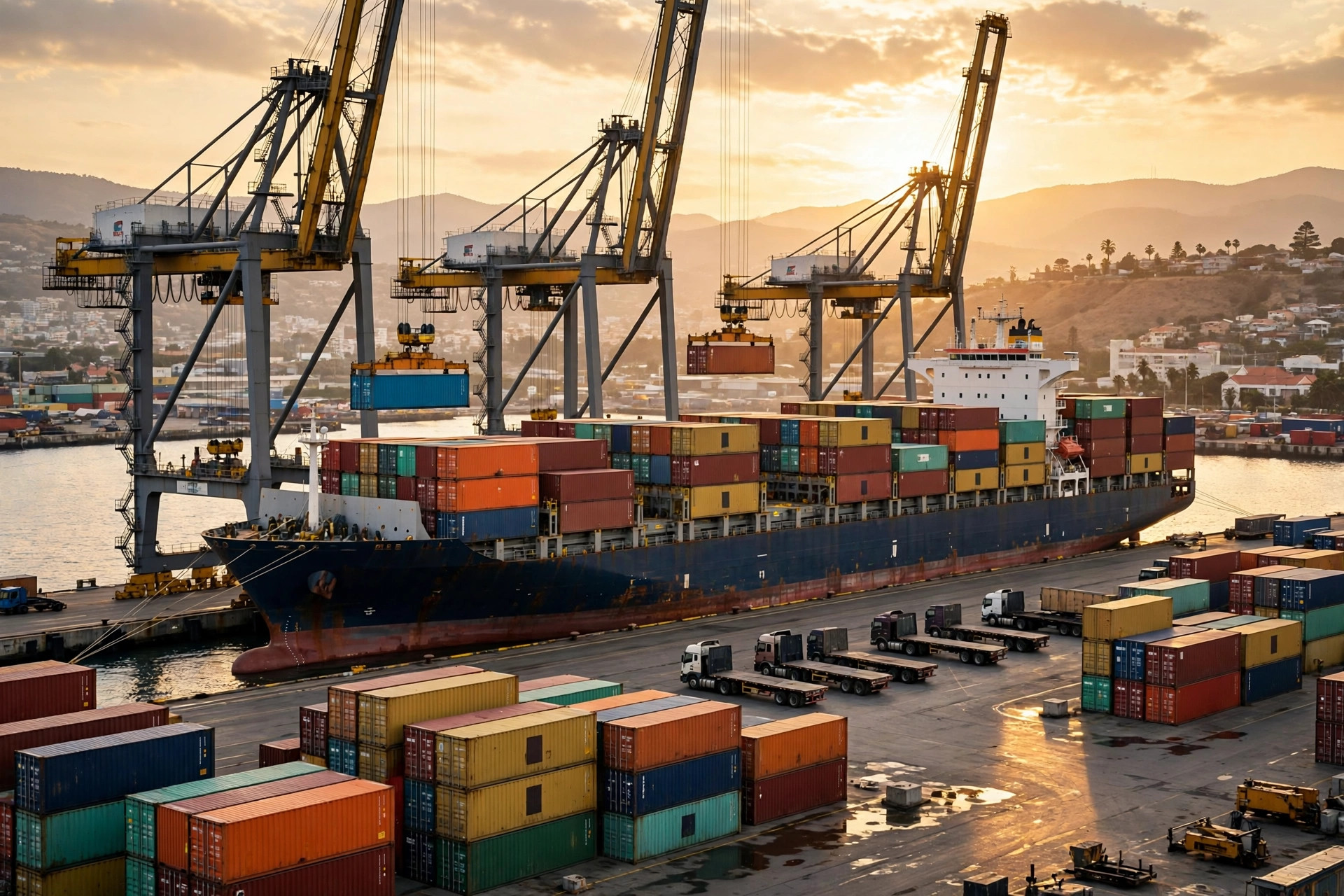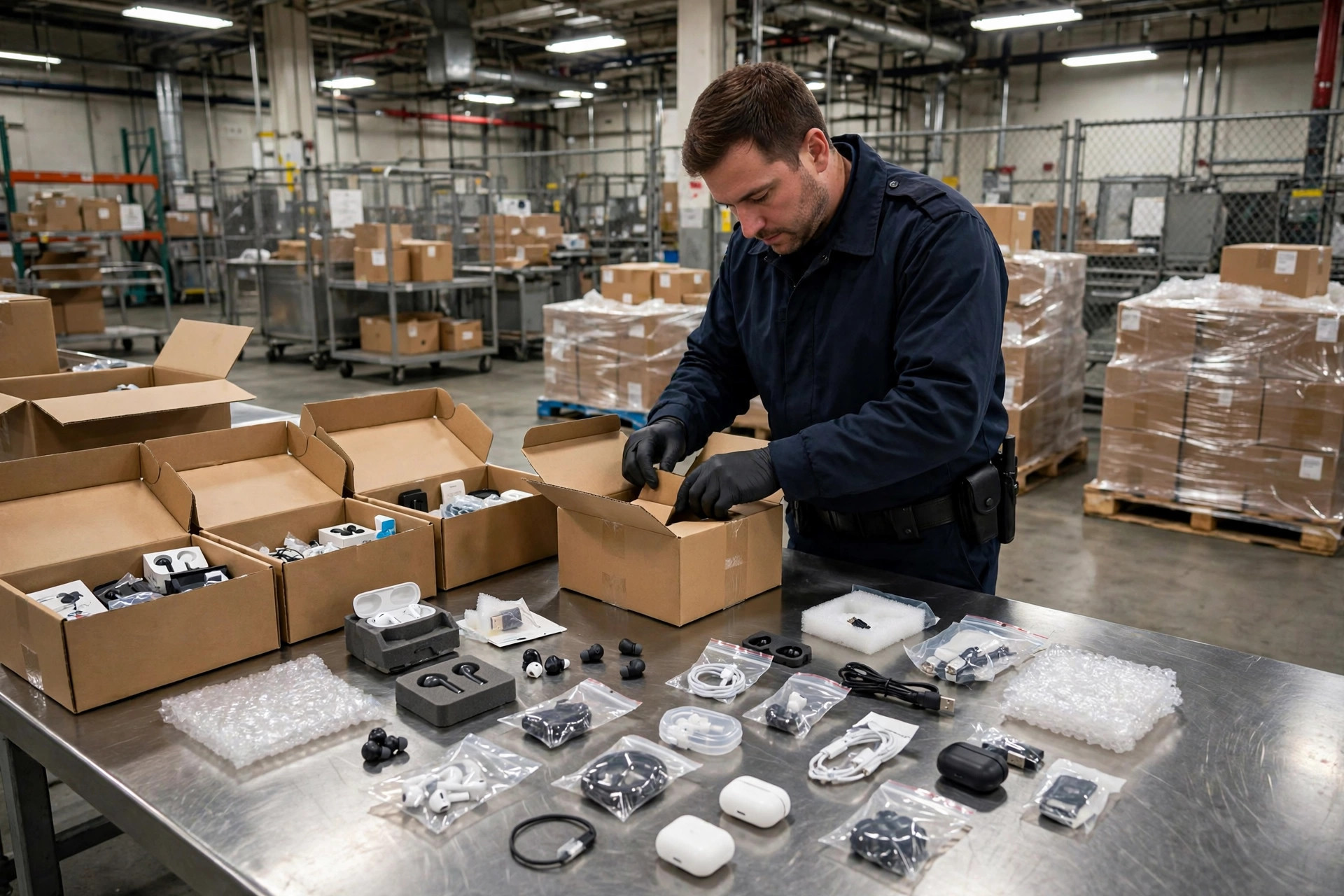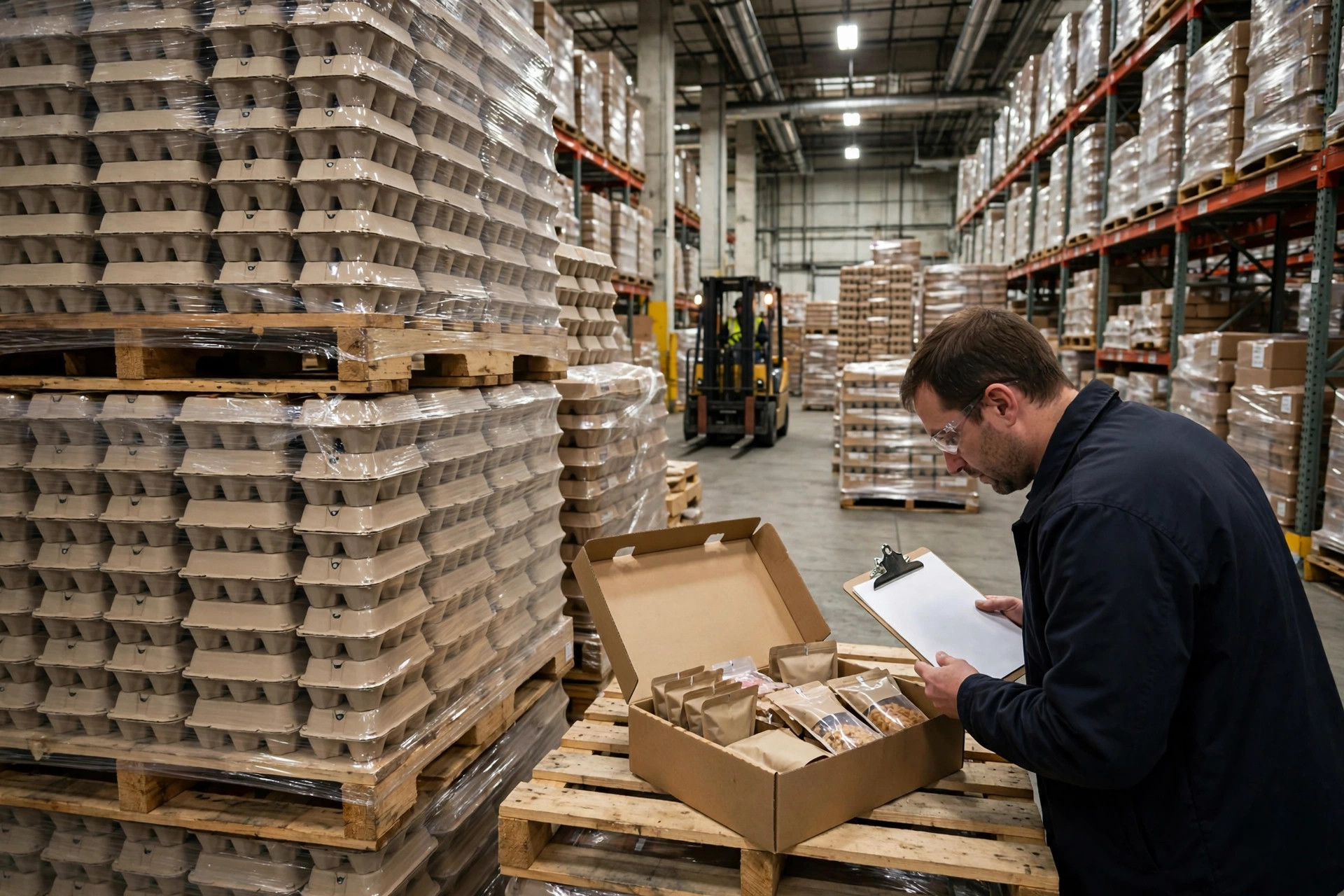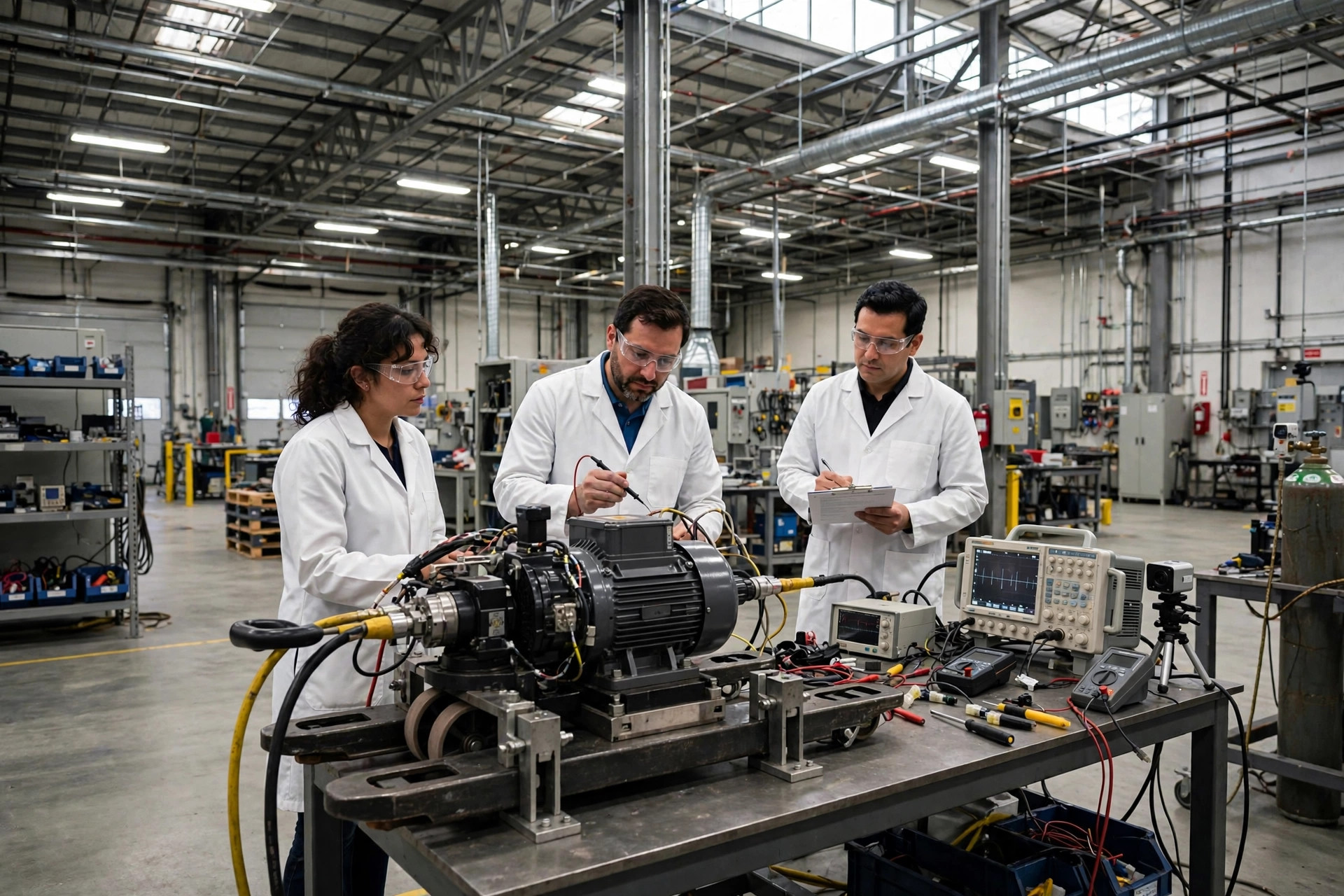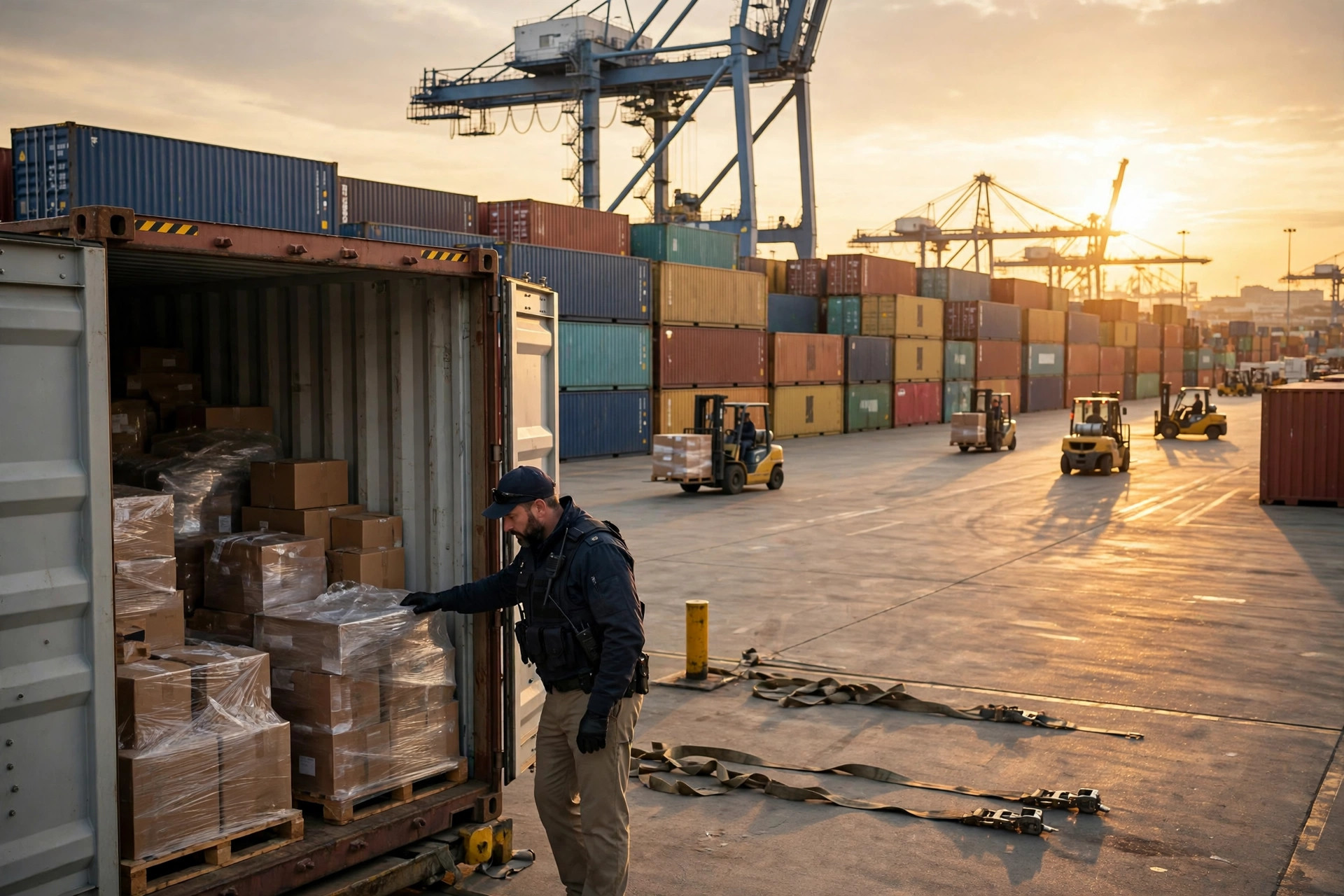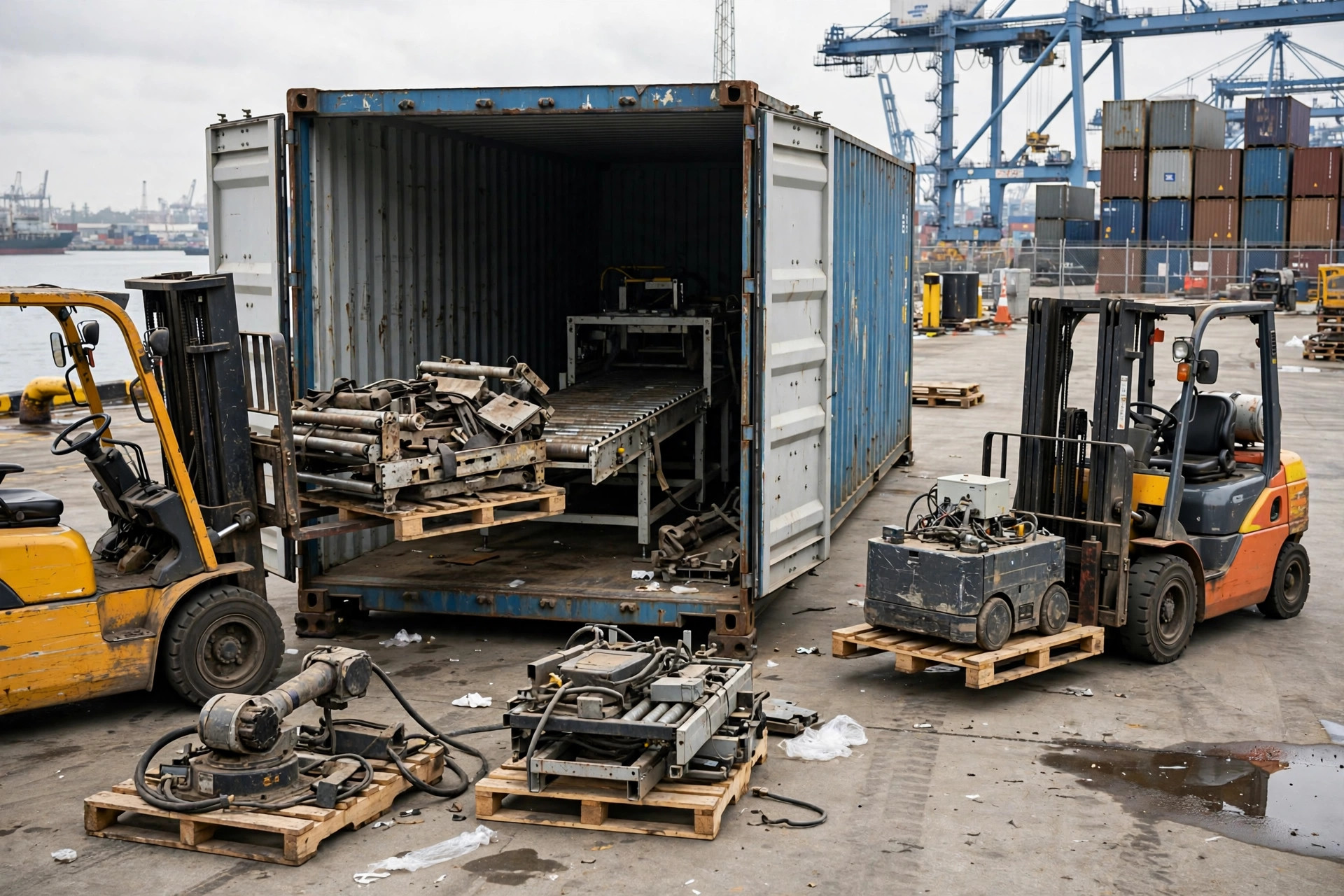
Here is the short version: shipping a Chinese-built automated forklift to Mexico, tightening a few bolts, and trucking it into the U.S. saves you exactly zero in Section 301 duties — and it can put the entire value of the shipment at risk. This piece walks through how U.S. Customs actually decides origin, what the USMCA zero-duty bar really demands, what happens when transshipment gets caught, and the legal ways to pay less.
Last fall, a friend running a 3PL outside Houston called me. He needed six automated forklifts for his 100,000-square-foot warehouse, and his Chinese supplier quoted $140,000 per unit, ex-works. Shipped straight to the U.S., automated forklifts fall under List 3 of the Section 301 tariffs — an extra 25% as of October 2026. A July 2026 USTR determination reportedly stacked yet another layer of Section 301 duties on Chinese products (trade counsel read the aggregate at 37.5%). Rates move faster than quotations these days, so verify the live schedule before you buy. At 25%, the duty alone added $35,000 per unit — $210,000 for the lot.
Then the supplier's sales rep offered a "solution": ship the units to Mexico, do final assembly at a partner plant, declare Mexican origin, and truck them across the border at zero duty under USMCA. The detour — assembly plus the extra freight leg — added $18,000 per unit, $108,000 total. On paper it looked great: spend $108k, save $210k, pocket roughly $100k. He asked me whether to sign. I told him to hold the pen. The money you'd save is small. The money you'd risk is not.
A Few Bolts Don't Make It "Made in Mexico"
The U.S. origin test lives in 19 CFR 134.1(b), and it is one sentence at heart: origin changes only when a manufacturing process creates a new and different article with a new name, character, or use. Repackaging, relabeling, screwdriver assembly — CBP counts none of it as substantial transformation. A fully built forklift shipped from China and merely bolted together in Mexico changes in name, character, and use not at all.
USMCA zero duty is a second, entirely separate gate. To claim the preference, the goods must also satisfy USMCA rules of origin. For passenger vehicles that means 75% regional value content under the net-cost method; 70% for heavy trucks; 75% for core parts; plus 40 to 45% labor value content (work performed by workers earning at least $16 an hour) and 70% North American steel and aluminum purchasing. Automated forklifts are not vehicles, so they fall under product-specific origin rules — tariff shift or regional value content, with the exact threshold depending on the 10-digit HTS classification. Either way, the conclusion is the same: "assembly" without genuine manufacturing content clears neither gate.
When CBP questions origin, it does not read the country printed on your invoice. It reads your bill of materials, your purchasing records, and your production time logs. No paper trail, no Mexican origin — the declaration is just words on paper. My read is blunt: third-country assembly without real manufacturing behind it doesn't save duties. It just parks someone else's money in your account until the bill comes due, with interest.
Get Caught, and the Penalty Is the Cargo — Not the Duty
The penalty statute is 19 USC 1592, and the dollar tiers sit in 19 CFR 162.73, in three levels. Negligence: the lesser of the merchandise's domestic value or twice the lost duties, taxes, and fees (20% of dutiable value if no revenue was lost). Gross negligence: the lesser of domestic value or four times the lost duties (40% if no loss). Fraud: the full domestic value of the merchandise, no discount. And 1592(d) adds the kicker: the lost duties themselves are recoverable regardless of how the penalty lands — even a fully mitigated penalty doesn't erase the back duties.
Back to the six forklifts: $840,000 in merchandise value. If CBP calls it fraudulent transshipment, the penalty ceiling is $840,000 — effectively handing the government a free fleet — plus the $210,000 in back duties. The "savings" that started all of this were $210,000. That is the bet in plain math: you risk the cargo to win the duty. The odds were upside-down from day one.
And consider the enforcement weather. CBP issued a dedicated illegal-transshipment alert in July 2025. In May 2025 it caught Chinese-origin mattresses routed through third countries with falsified origin declarations. EAPA investigations — the Enforce and Protect Act — are CBP's sharpest tool for exactly this kind of origin fraud. A June 2026 customs-enforcement executive order reportedly directs CBP to set a penalty-mitigation floor (no less than 50% of the assessed penalty, absent exceptional circumstances) and to end mitigation for repeat offenders. Running a transshipment play today means walking a tightrope under a spotlight.
The law does leave one legitimate exit: prior disclosure under 19 CFR 162.74. Come forward before CBP opens a formal investigation, and a fraud-tier penalty can drop to one times the lost duties; negligence-tier drops to interest only. If your past entries look shaky, the right move is a lawyer-led disclosure — not hoping nobody looks.
Legal Ways to Actually Pay Less
Start by getting the HTS classification right. Section 301 bites at the 8- and 10-digit level, and one wrong digit can cost tens of thousands of dollars. A written classification opinion from a licensed customs broker is the highest-ROI compliance spend there is. The lookup itself is four steps: pin down the 10-digit HTS, read the MFN rate, cross-check the 301 list, and do the math — plus MPF and other fees.
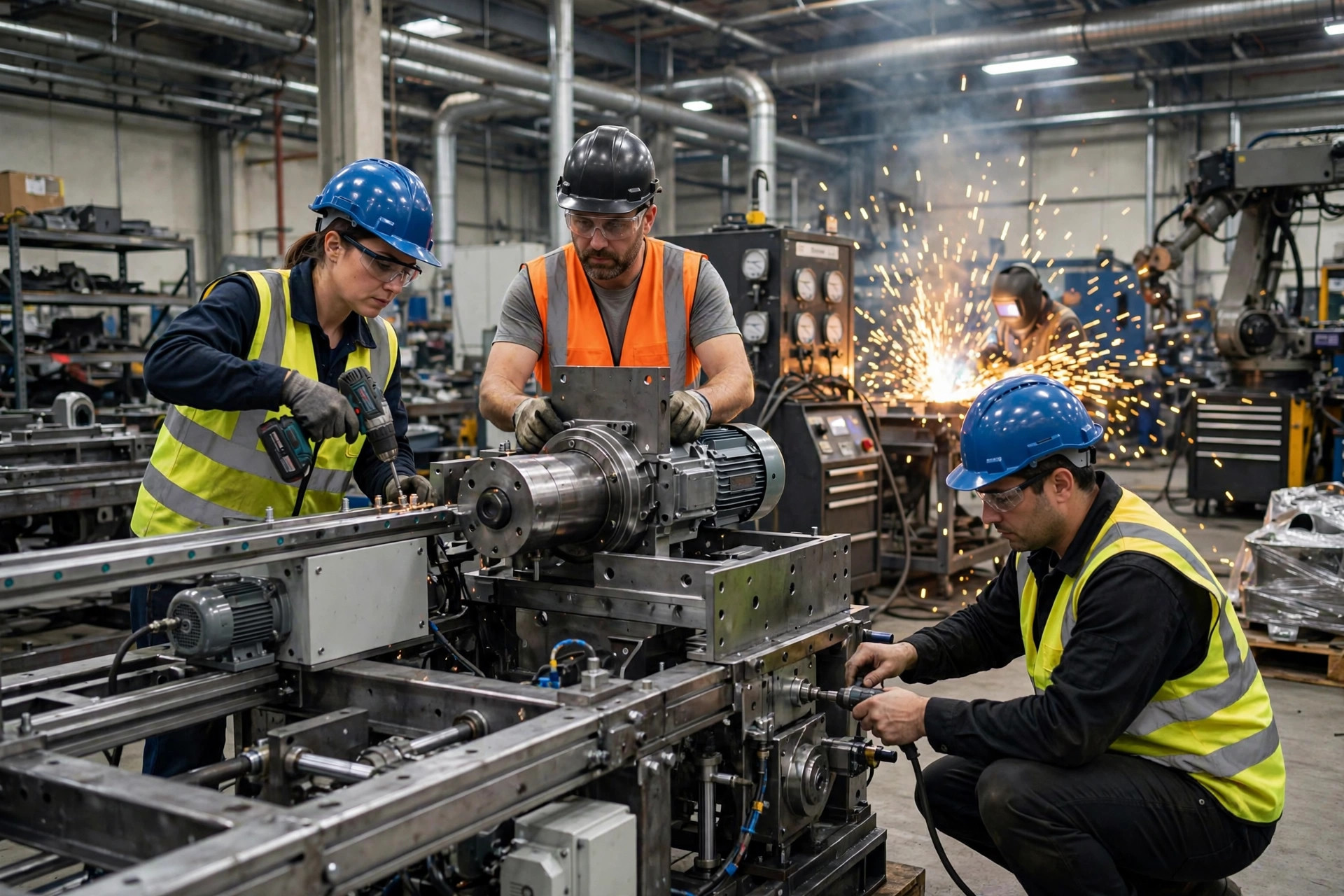
If you are going to manufacture in a third country, actually manufacture there. Pass both tests — substantial transformation and the USMCA origin rule — with real local sourcing ratios, genuine processing steps, and a complete BOM plus production records. All three, or no deal. If it can't survive a CBP audit, it isn't "Made in Mexico."
Tariff engineering is another legitimate path: design the product with classification in mind, up front. U.S. customs law recognizes this as lawful planning, not a loophole — but the design decisions have to be real, not a story written after the fact.
Watch USTR's Section 301 exclusion windows. Product exclusions have opened repeatedly over the years; qualifying goods can enter duty-free, entirely legally. Go by the official notices.
First sale: in a multi-tier supply chain, you may declare the first sale price if arm's-length conditions are met, lowering dutiable value. Legal, but evidence-heavy — structure it in advance.
Foreign Trade Zones: admit goods into an FTZ, defer the duties, and potentially claim inverted-tariff relief when finished goods leave the zone. U.S. companies have used this compliant tool for decades, and the process is well established.
Before you commit to anything, run through this checklist:
- Before you buy: 10-digit HTS confirmed in writing by a licensed customs broker.
- For any "change the origin" proposal: ask what the substantial-transformation evidence package looks like.
- Third-country assembly: BOM, local purchase invoices, production time records — all three or walk away.
- Shaky past entries: get a trade lawyer to assess prior disclosure before CBP comes knocking.
- Every duty number: recheck the official schedule before you commit; policy moves faster than quotations.
Between tariff planning and duty evasion stands a single wall: genuine manufacturing. Before signing any third-country proposal, ask yourself one question — if CBP audited tomorrow, would my evidence hold? If not, don't sign.