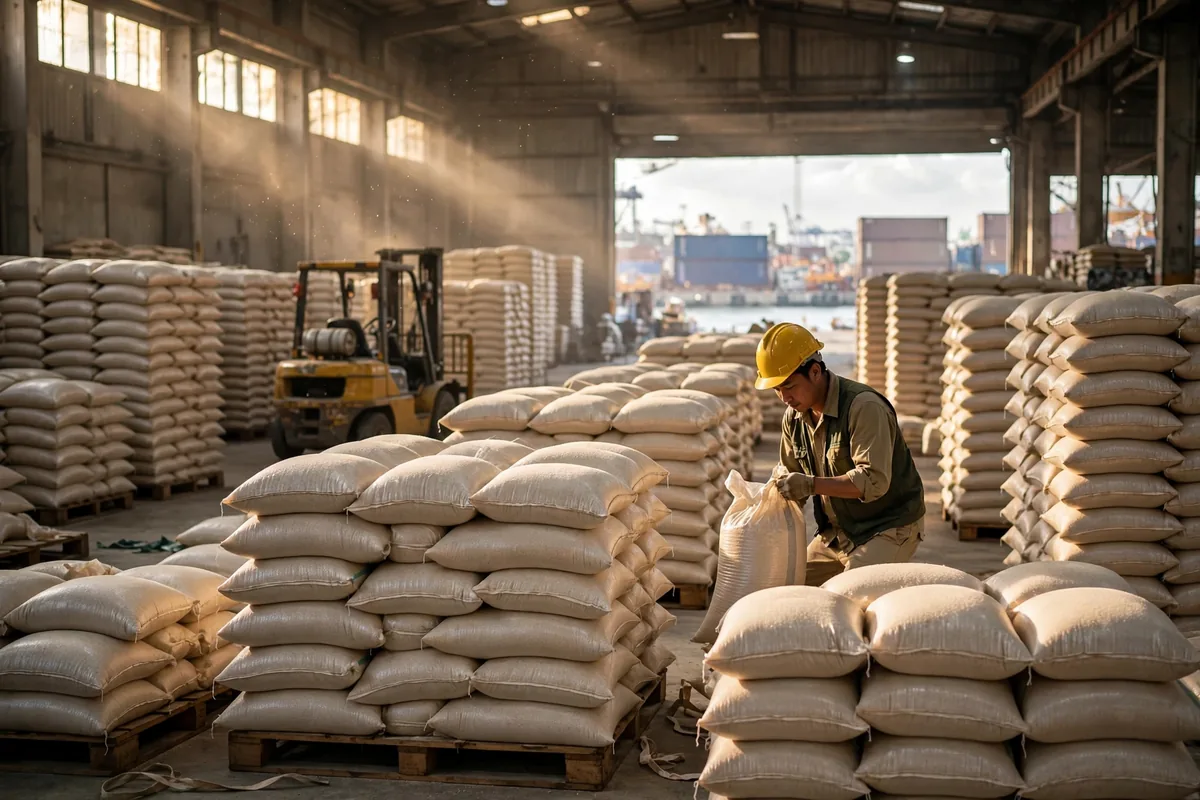
We had a client in Thailand rice export warehouse logistics — a jasmine rice exporter — who opened our first meeting with a single question: how much is your storage per tonne per month? I smiled. That is like asking a greengrocer the price of cabbage by the kilo. In Thailand rice export warehouse logistics, the storage rate is the least interesting line on the invoice.
This client worked with rice mills in the central plains. Paddy came in, was milled, bagged, and trucked to a port warehouse to wait for a vessel. Four steps on paper. Every expensive mistake in Thailand rice export warehouse logistics happens at the handover between those steps, not inside them.
Some scale first. According to the USDA Foreign Agricultural Service, Thailand exported about 7.5 million tonnes of rice in marketing year 2024-25, down roughly 24% from about 9.9 million tonnes the year before; 2025 shipments were projected to recover to about 7.9 million tonnes, worth roughly 148 billion baht. Thailand now ranks as the world's third-largest rice exporter, behind India and Vietnam, with Iraq, South Africa, the United States, China, and Senegal among its main buyers. Big volumes, brutal price competition. When your Vietnamese rival quotes lower, every tonne of warehousing cost has to be accounted for.
How Thailand rice export warehouse logistics actually works
The chain has three stages. First, the rice mill warehouse: paddy is dried, milled, graded, and bagged. Outsiders underestimate this stage. Freshly milled rice leaves the mill warm. Seal the bags and truck them straight to the port, and condensation forms inside during the journey. By the time the cartons open at the port warehouse, the bottom bags have already caked.
Second, the inland transit or port warehouse, where cargo waits for a vessel, for consolidation, and for fumigation. The wait runs a few days at best, three to four weeks at worst. This is the danger zone for mold and insects. Third, stuffing: bagged rice goes into containers at a yard near Laem Chabang, the box is sealed, weighed, and handed to the vessel.
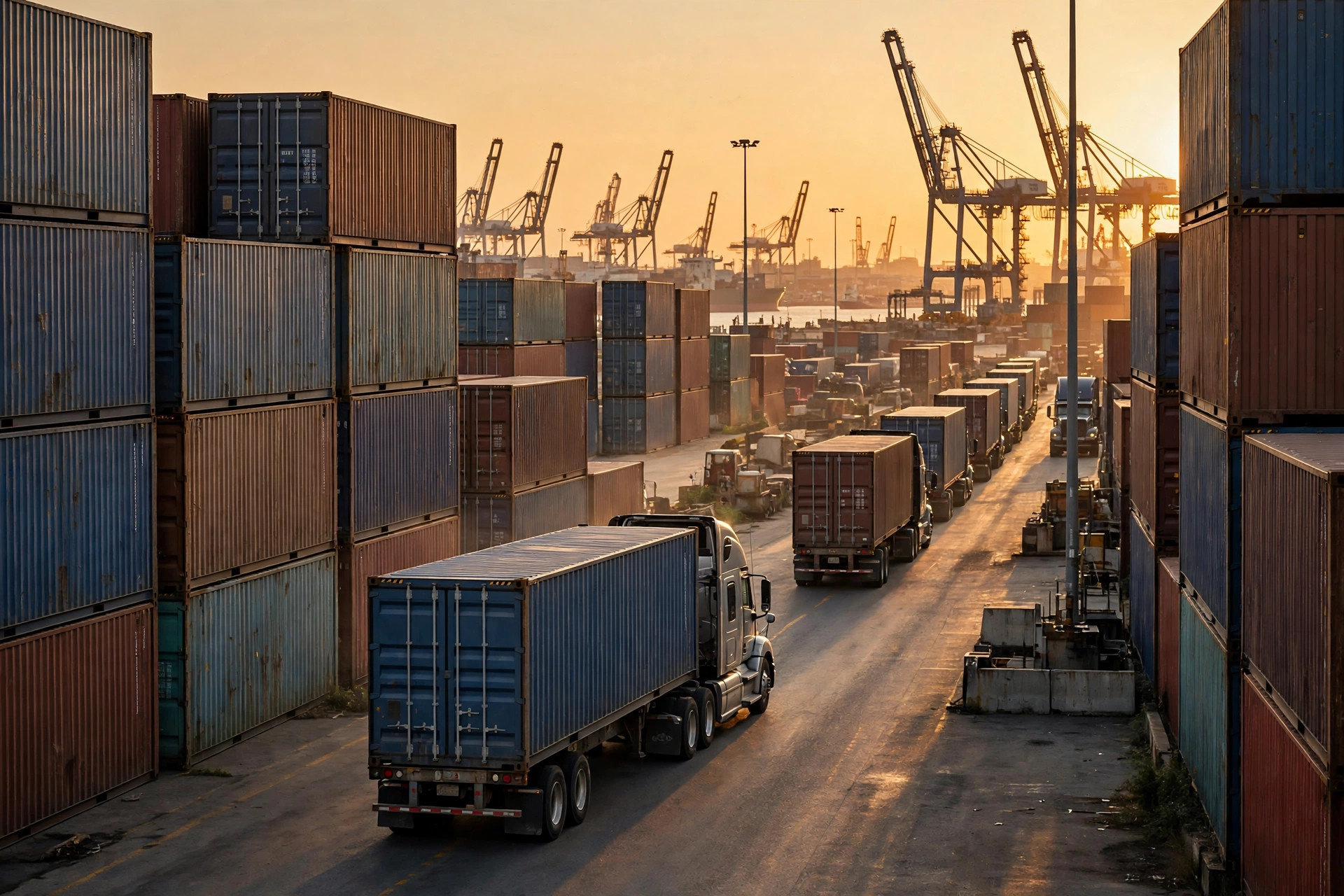
Laem Chabang is Thailand's largest deep-water port, handling about 9.1 million TEU in 2024. It sits in Chonburi Province, roughly 120 kilometres southeast of Bangkok, run by the Port Authority of Thailand as landlord, with private operators running the individual terminals. Nearly all containerized rice exports pass through it. A warehouse closer to the terminal saves trucking money and charges more rent. That trade-off is the whole negotiation.
Illustrative scenario: during the 2025 rainy season, an exporter had 200 tonnes of jasmine rice sitting in a port warehouse when the vessel slipped 11 days. Storage fees piled up, and the exporter swallowed them. At destination, the buyer opened the container and found about one bag in ten damp and caked at the bottom of the stacks, and demanded a discount. The investigation found no leak. The culprit was condensation from day-night temperature swings: hot days, cool nights, a fine film of moisture forming on the stack surfaces night after night. The storage bill was a rounding error next to the claim. Here is the counterintuitive part: in rice storage, the biggest moisture enemy is often not rain. It is condensation. A warehouse roof with no ventilation and stacks packed with no air gaps will do more damage than a storm.
The moisture bill in Thailand rice export warehouse logistics
Moisture and mold control is where Thailand rice export warehouse logistics separates professionals from amateurs. The International Rice Research Institute's storage guidance is blunt: keep milled rice at 14% moisture or below for longer storage, and at 12-13% if it must sit for 8 to 12 months. Testing moisture before the cargo enters the warehouse is the first gate. Accepting over-wet rice is inviting mold into your own building.
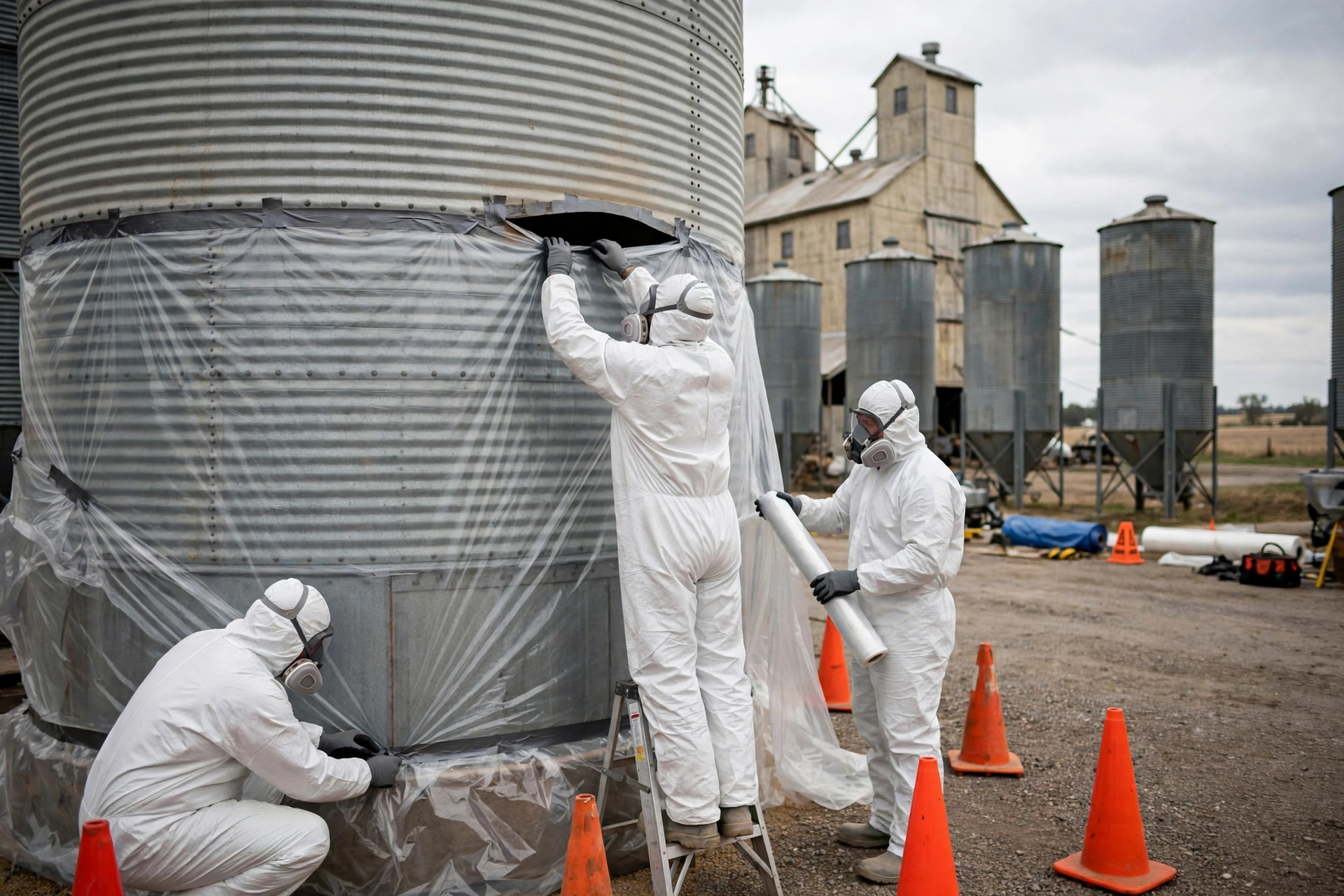
Fumigation is the main defense against insects, and phosphine fumigation is the standard treatment for stored grain. Dosage and residue limits follow the destination country's latest rules, so check the current official requirements rather than relying on last year's paperwork. The contract must say who fumigates, who issues the fumigation certificate, and who pays if the certificate fails.
Our client learned the pricing lesson the hard way. The first quote listed storage beautifully. Fumigation, moisture-proof pallets, restacking, and overtime storage were all "extra." I have seen a hundred quotes like that. They look cheap at signing and bleed you at settlement. The trick is simple: force every possible charge onto paper before you sign. Fumigation per treatment, overtime storage from which day and at what daily rate, restacking, sampling, tallying — what is included, what is extra. Anything not written down will become an argument at settlement.
Here is an insider detail sellers rarely volunteer: port warehouse rates often move with the season, rising when vessel schedules bunch up. If the contract does not lock the rate, the warehouse can raise it when you renew in peak season. Exporters have leverage too. Volume buyers can negotiate dedicated space, tiered pricing, and free storage days for vessel delays. At the negotiating table, whoever has done the arithmetic wins. Even the toughest buyer can be negotiated with, as long as you bring the numbers.
Stuffing day in Thailand rice export warehouse logistics: consolidation or bulk
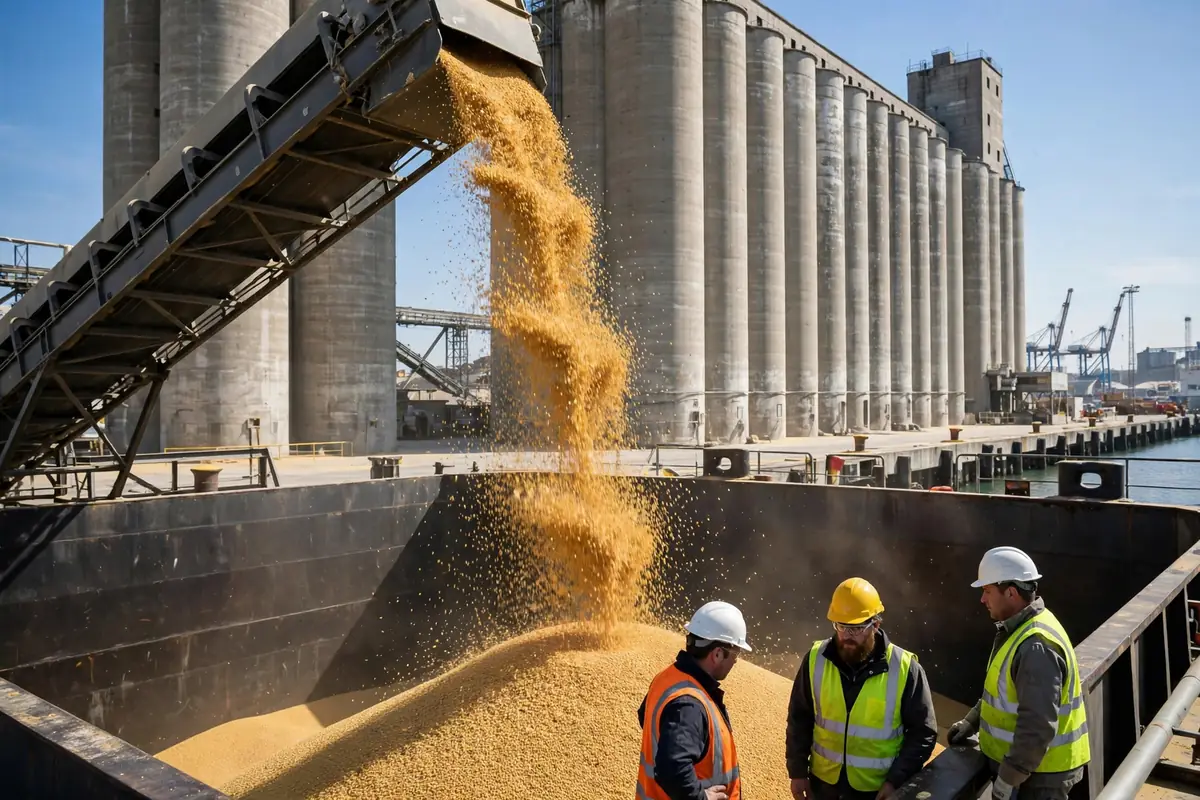
Stuffing is the last gate in Thailand rice export warehouse logistics. Bagged rice typically ships in 50 kg bags, with a commonly loaded 20-foot container holding about 24 tonnes, subject to the carrier's and port's weight limits. Consolidation versus a full container is less about freight than about liability. A full container holds one buyer's cargo, so blame is clear when something goes wrong. A consolidated box holds several shipments, and one bad fumigation certificate, one wrong mark, or one weight discrepancy can hold the whole container at destination. Bulk shipment is cheaper per tonne but involves more handling and more moisture exposure, so high-value jasmine rice usually travels in containers.
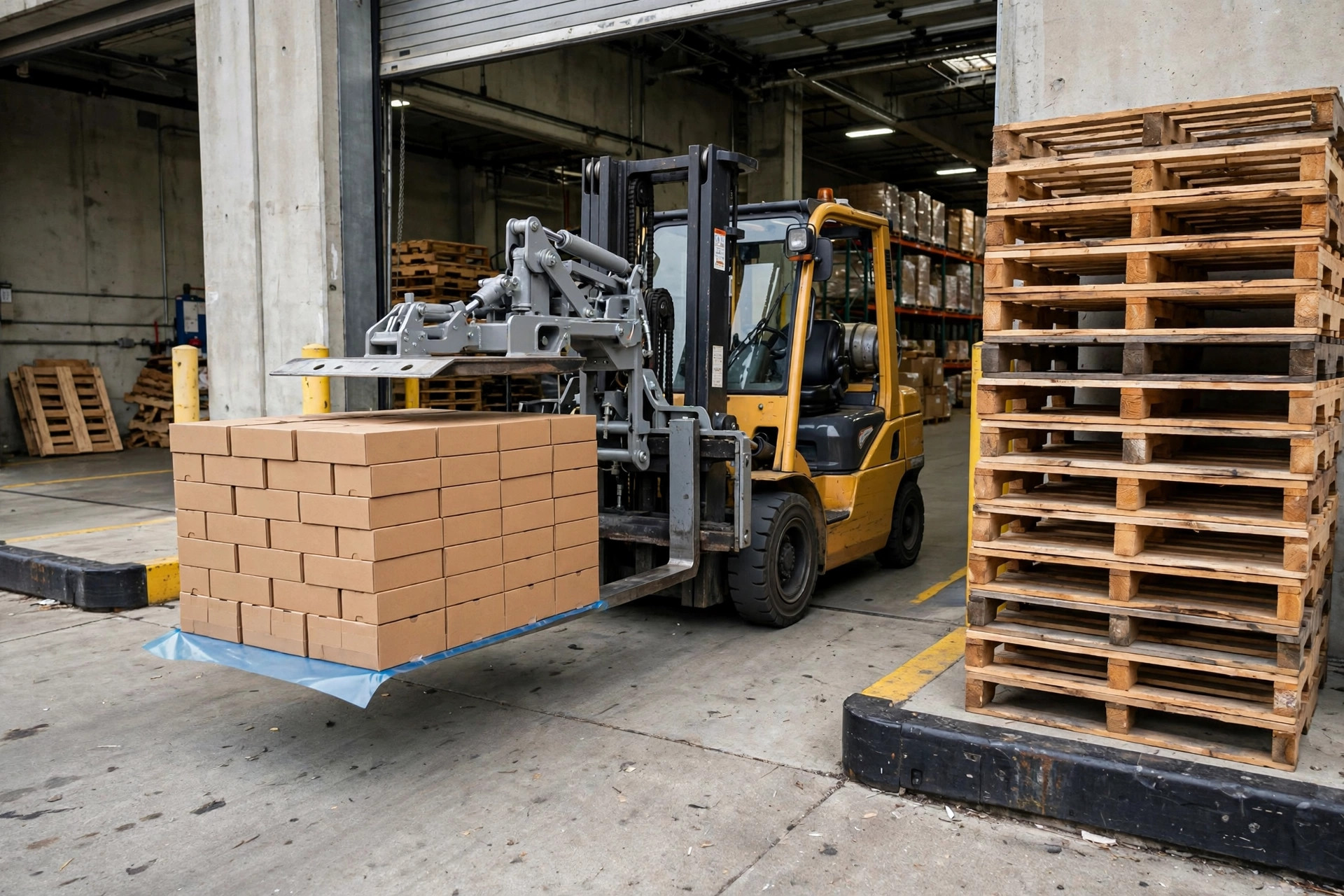
Stuffing day comes down to three things. First, inspect the bags before loading: torn bags, damp bags, and unclear marks get pulled out on the spot, not discovered after the seal goes on. Second, protect the inside of the box: floor pallets, desiccants, and moisture-proof paper are cheap insurance, and every baht saved here returns as a claim at destination. Third, keep evidence: photos of the stuffing, the weight ticket, the fumigation certificate, and the seal number. Many exporters lose claims because they cannot prove what the cargo looked like when the box was sealed. Without photos, the negotiation starts with you already losing.
Next time you negotiate, ask these three questions
First: beyond the storage rate, what else is "extra" — fumigation, moisture protection, restacking, overtime — item by item, in the contract, before signing. Second: if moisture is over the limit, fumigation fails, or the vessel is delayed, who bears the responsibility and the cost, and how many free days do I get? Third: stuffing, weighing, photography, and certificates — which of these does the warehouse handle, and which do I have to watch myself?
Thailand rice export warehouse logistics is, at heart, a business of keeping rice dry. Every link in the chain has someone who will do the arithmetic with you, and someone waiting to profit from your fuzzy arithmetic. The storage rate is only the first line of the quote. What decides whether you make money is all the lines that never made it onto the quote. Next time you negotiate a contract, remember to ask these three questions. Ask them first, then sign.
By Susan, 3PL Sales Director