Let me tell you something — the first time I saw a slip sheet, I thought the shipper had loaded the wrong freight.
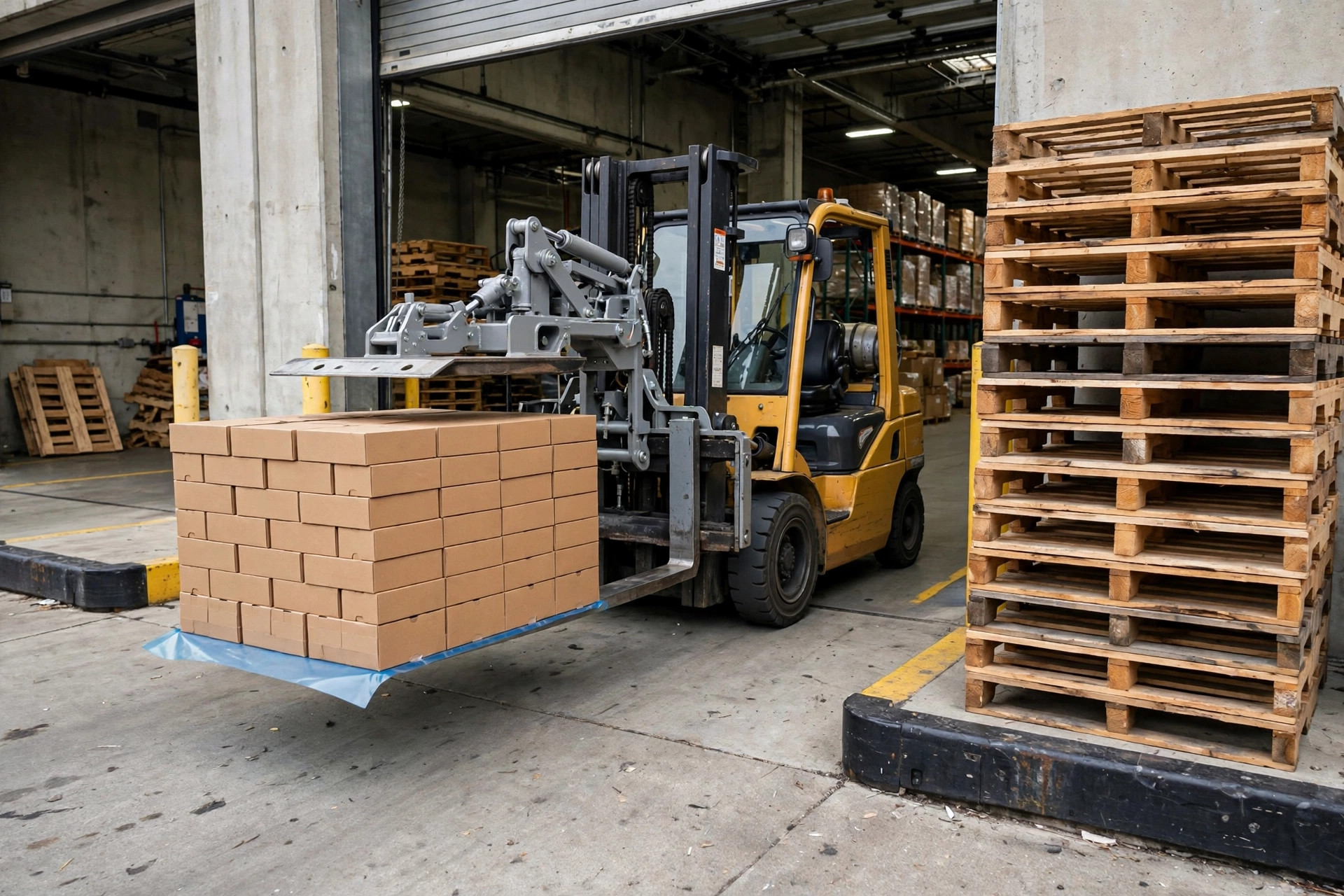
This was a few years back. I was hauling a load of bottled drinks to a food plant's warehouse down in the Yangtze Delta region. I backed into the dock, and the receiving kid waved me off: "Hold on, driver, don't start unloading — we don't use wood pallets here." Fifteen years behind the wheel, and that was the first time I'd ever heard a warehouse say no to pallets. Then a forklift rolled up with what looked like a giant spatula bolted to the front. It slid under the load, clamped the edge of a sheet, and whoosh — the whole stack of drinks slid right off my wood pallet onto one of theirs. Took less than a minute. My empty pallet rode back home with me.
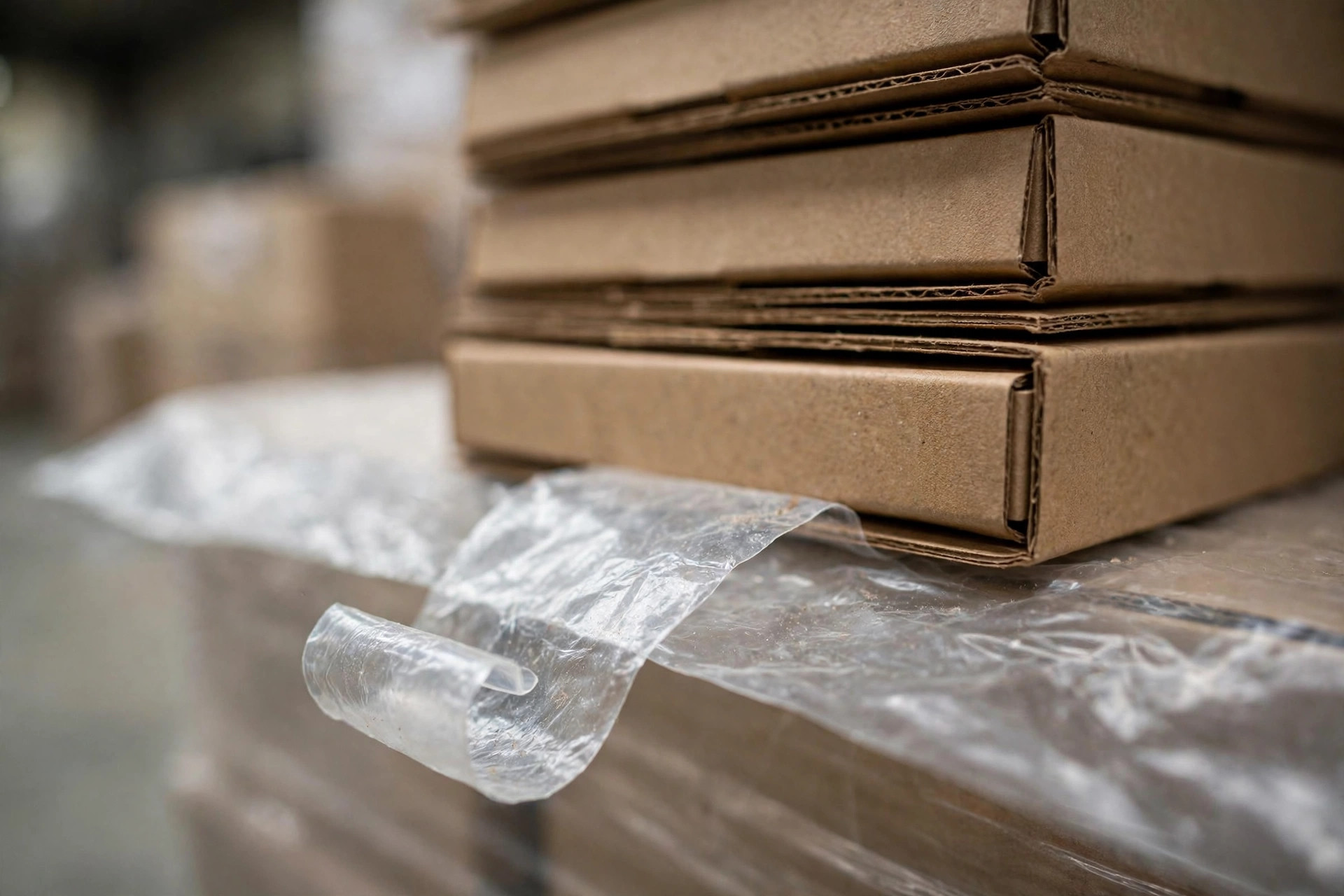
Turns out that thing is called a slip sheet — just a stiff plastic or heavy kraft-paper board that sits under the load instead of a wood pallet. And that "giant spatula" is a push-pull attachment, built for exactly this job.
The more miles I run these days, the more warehouses I see using them — especially the big food, beverage, and consumer-goods plants pushing serious volume. After all these years on the road, I've got the math figured out: slip sheets genuinely save money, but what they save is the visible money. The hidden costs are where people get burned. You have to count both sides before deciding whether this thing fits your operation.
Can a Slip Sheet That Costs a Few Bucks Really Replace a Wood Pallet?
Let's start with the obvious math — this is what gets most owners excited.
A new wood pallet runs about 45 yuan (roughly seven dollars) in China, and they break. Repair, replace, repeat — any driver will tell you pallets are a consumable. Over a year, buying and fixing pallets alone is serious money. A slip sheet? Kraft-paper ones cost a few yuan, plastic ones ten or twenty, and one sheet can handle multiple trips.
Here's the math for a mid-size food plant doing 300,000 pallet moves a year:
| Item | Wood pallets | Slip sheets |
|---|---|---|
| Unit cost | ~45 yuan each | ~8 yuan per sheet (kraft) |
| Annual purchase cost | ~13.5M yuan | ~2.4M yuan |
| Annual repair/replacement | ~1.5M yuan | near zero |
(Estimates based on new-pallet market pricing and one-way use; prices vary by region.)
That one line item alone saves over ten million yuan a year. I've watched a plant owner look at a table like this and sign off on the switch on the spot.
But I'm telling you — that table only tells half the story. And it's the smaller half.
The Real Win With Slip Sheets Isn't the Pallet Money — It's Fumigation and Weight
Here's the part that surprises people: most folks think slip sheets save "pallet money." The big savings are somewhere else entirely.
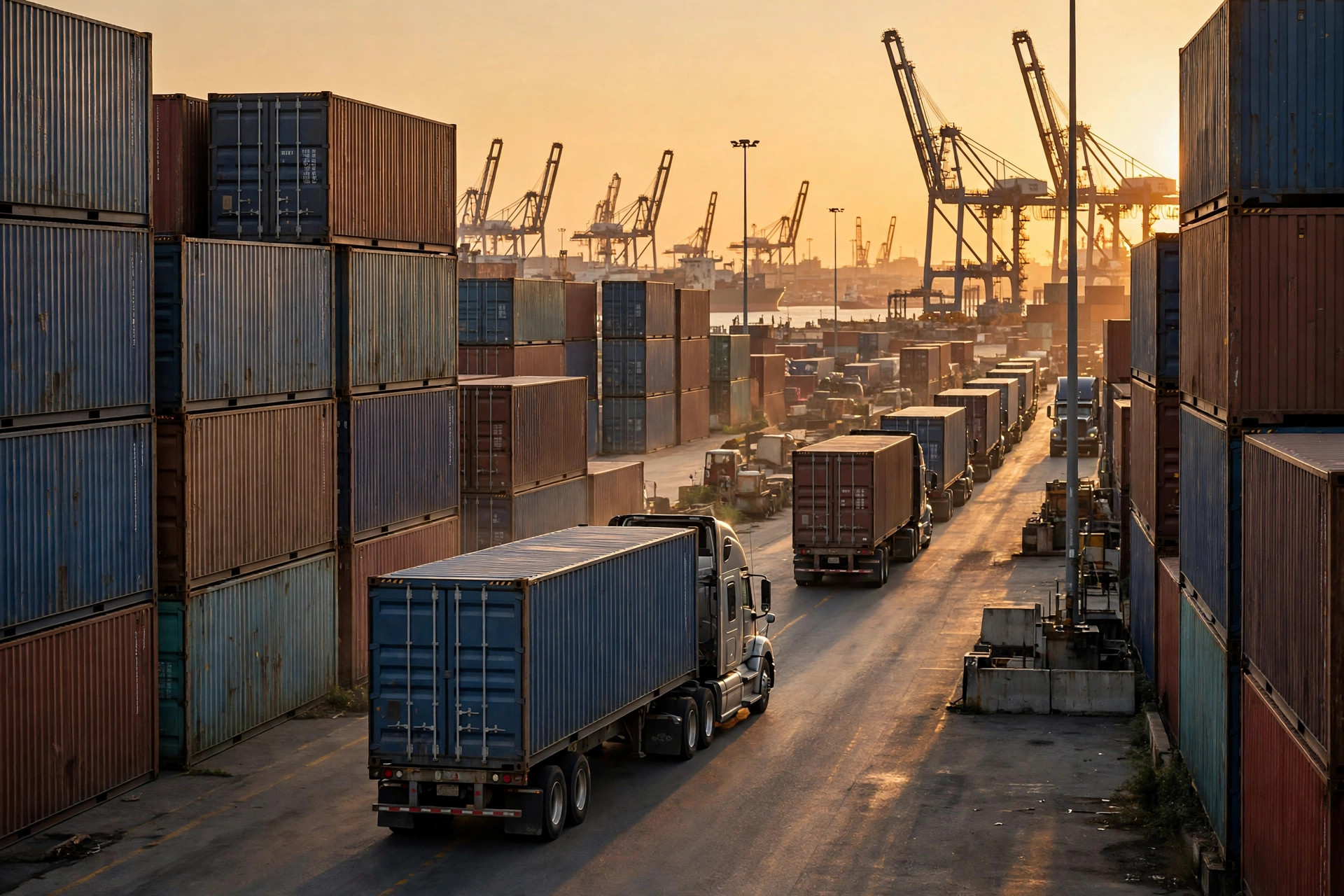
First: no fumigation for exports. Anyone shipping overseas knows wood pallets need heat treatment or fumigation under the ISPM 15 standard, or customs won't clear them. Fumigation is billed per container — a few hundred yuan for a 40-footer's worth of pallets — plus scheduling and waiting time, which hurts worst when you're racing a vessel cutoff. A couple of years back I hauled a load of seasoning exports to Yantian Port in Shenzhen. The shipper ran slip sheets end to end, and their customs broker told me that one change was saving them hundreds of thousands of yuan a year in fumigation fees alone, not to mention the missed sailings they'd avoided. Paper and plastic aren't wood packaging — no fumigation required. That's a real regulation, and real money.
Second: weight. A wood pallet weighs 20-plus kilos. A 40-foot container holding 20 pallets carries four or five hundred kilos of pure pallet. Ocean and air freight are billed by weight and volume — swap that dead weight for actual product and the freight savings are real. A slip sheet weighs a kilo or two. Basically nothing.
Third: height. A wood pallet is 12–15 cm thick; a slip sheet is a few millimeters. In the same container, slip sheets let you stack roughly one more layer per pallet position. I know a paper-towel exporter who switched and started fitting nearly 10% more product per container — and freight is billed by the container. An extra tenth of a box, container after container, adds up to serious money over a year.
So the pallet price is just the tip of the iceberg. Fumigation, freight weight, and cube utilization are where the real money hides. Anyone who only compares unit prices is doing small math.
But Slip Sheet Savings Aren't Free: Three Hidden Costs to Count First
Now, after all these years on the road, I've also watched people get burned by this.
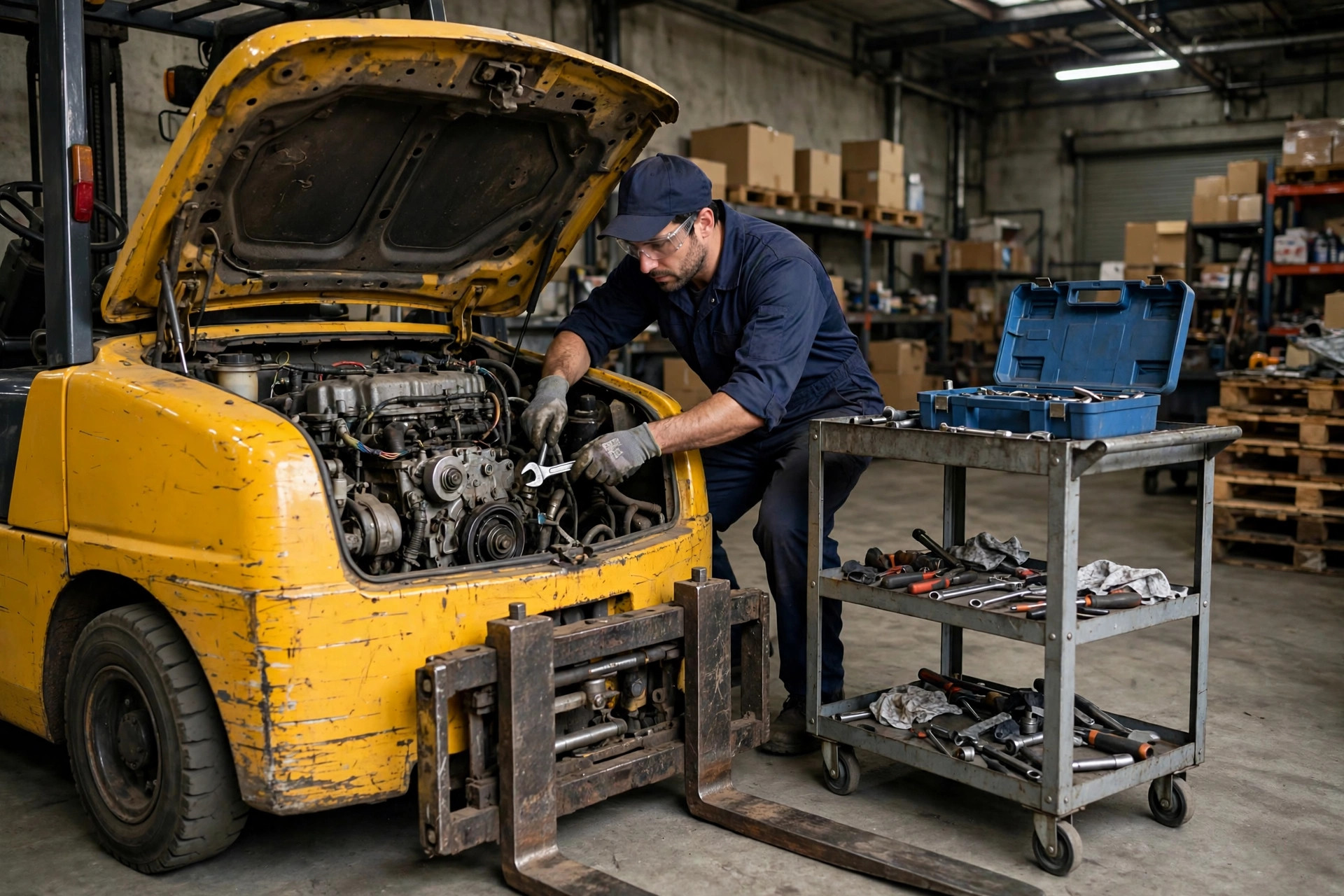
First hidden cost: your forklifts need new "hands." Regular forks can't handle slip sheets — every truck needs a push-pull attachment. One of those runs tens of thousands of yuan per forklift. A mid-size warehouse with a dozen trucks is looking at hundreds of thousands just for attachments. And the attachment itself has weight, which eats into your effective load capacity. Heavy lifts need more care.
Second: slower cycle times. A push-pull move goes "clamp the sheet edge, then push or pull" — an extra step or two versus "slide the forks in and lift." A skilled operator adds 20–30 seconds per pallet. Sounds like nothing, until you're doing hundreds of pallets a day and the dock starts backing up. I watched it happen at a beverage plant a couple of years ago: the first month on slip sheets, the dock was jammed every single day, drivers fuming in their cabs. They eventually added staff and reworked the workflow, but that labor and lost tempo has to be in your math up front — not discovered after the dock is gridlocked.
Third: not every product fits. Slip sheets work on friction between the sheet and a tight, well-wrapped load. Bagged goods, odd shapes, anything that shifts in transit — that's asking for trouble. I know a rice mill that tried it for a month to save a buck, had two loads collapse on the road, and lost more on claims than they'd ever saved. They went straight back to wood.
Which Freight Fits Slip Sheets — and Which Doesn't
Here's my advice for warehouse folks and shippers, boiled down from what I've seen on the road. Three rules you can use tomorrow:
Run the full math, not the unit price. Add up pallet purchasing, fumigation, freight weight savings, and better cube utilization — then subtract attachment costs, extra labor, and slower tempo. Only switch if the total is positive. Anyone quoting you just the unit price is selling you something.
Pilot first, then roll out. Take one high-volume fixed lane and run it for three months. Let the data talk before you convert the whole operation. Don't be like the plants that went all-in on day one and discovered there's no easy way back once the dock is jammed.
Screen your product types first. Boxed, film-wrapped, neatly stacked goods are the sweet spot — beverages, paper towels, seasonings, consumer packaged goods. Bagged, bulk, or odd-shaped freight: stay away for now. Export freight gets priority; for domestic runs it depends on volume, and small volumes aren't worth the hassle.
I'll leave you with an old saying from the road: the trick to saving money isn't in the saving — it's in the counting. Slip sheets used right are a money printer. Used wrong, they're a shredder. Only your own feet know if the shoe fits — pilot one lane before you bet the warehouse on it.
By Shifu Zhao, Trucking Veteran (15 yrs)