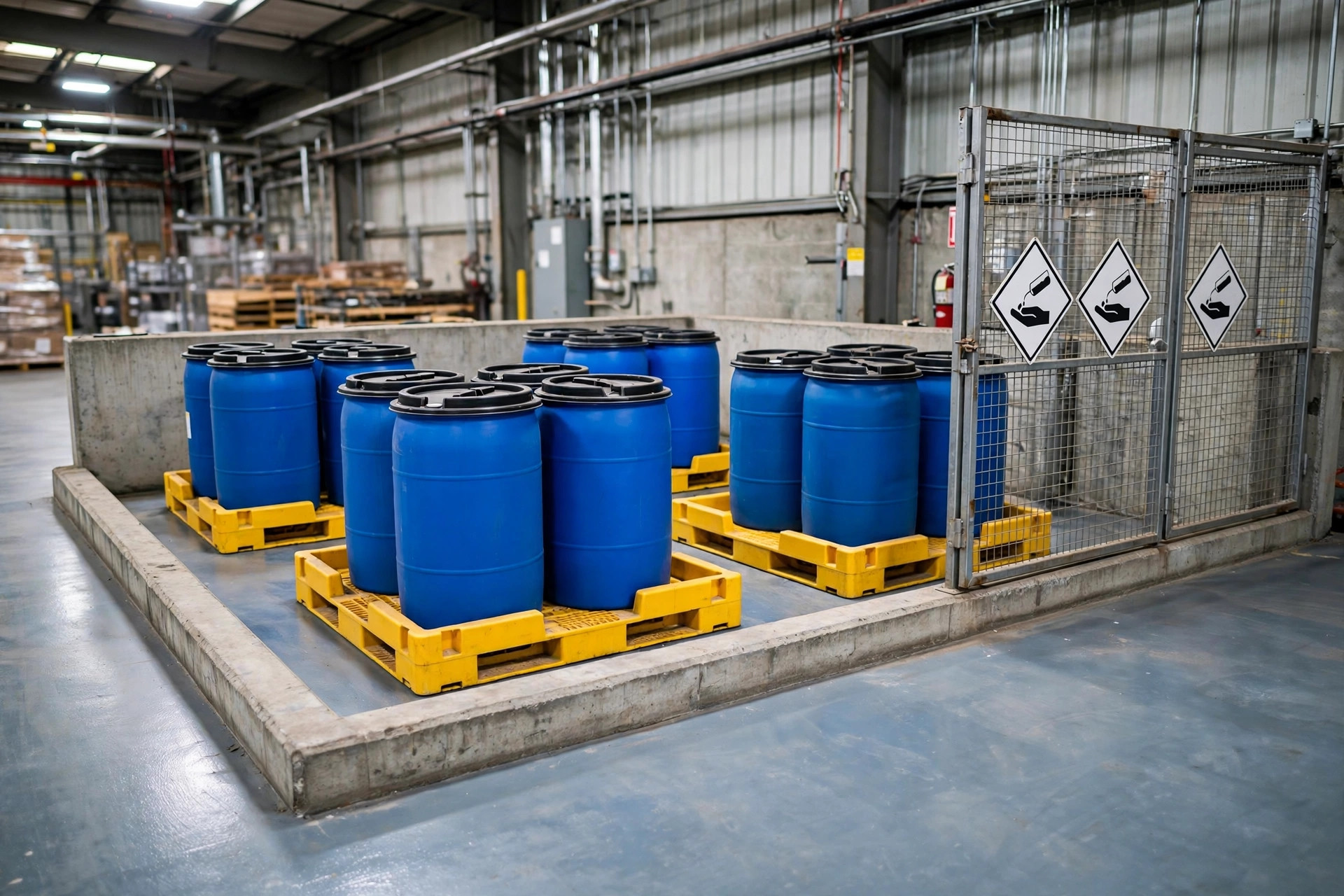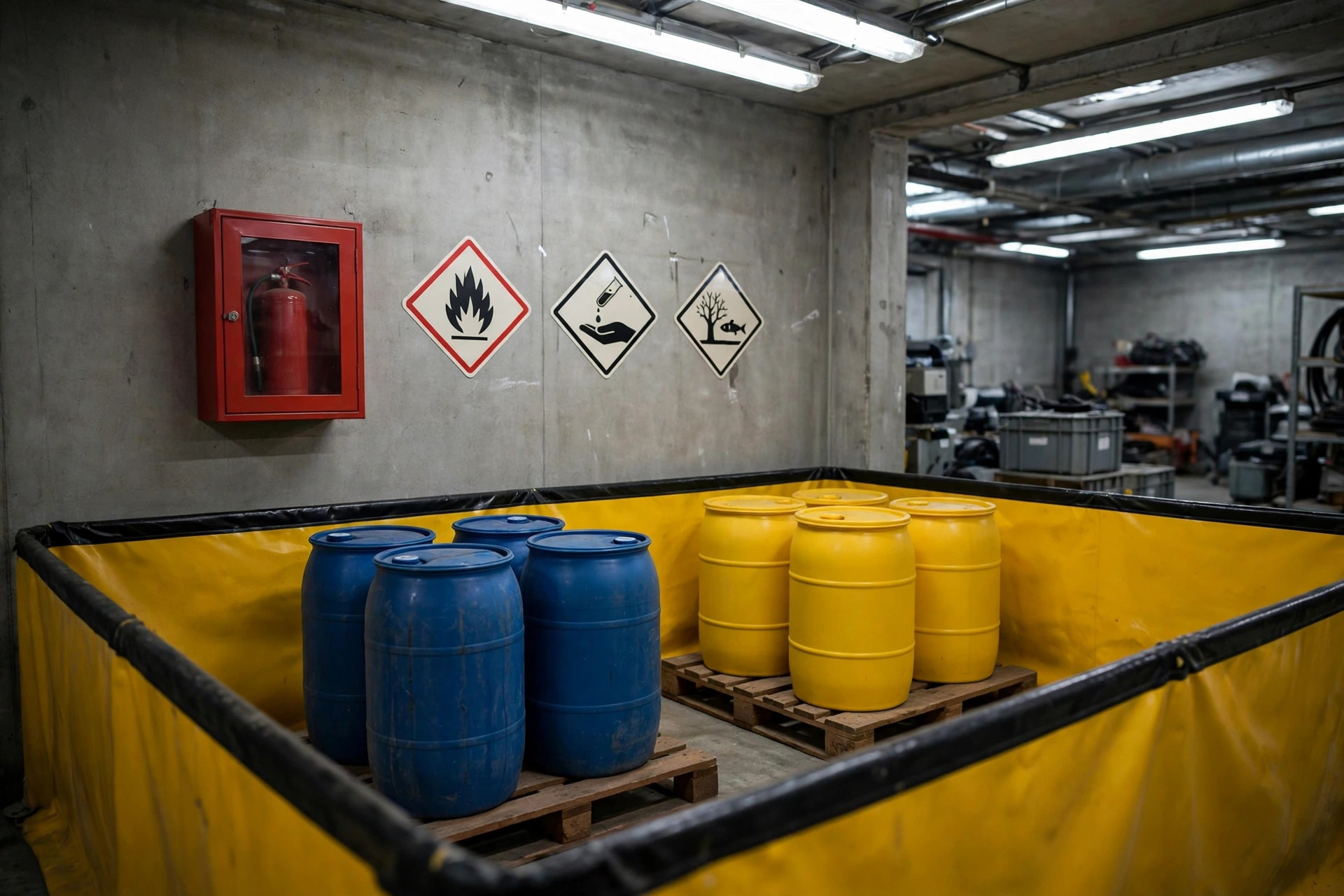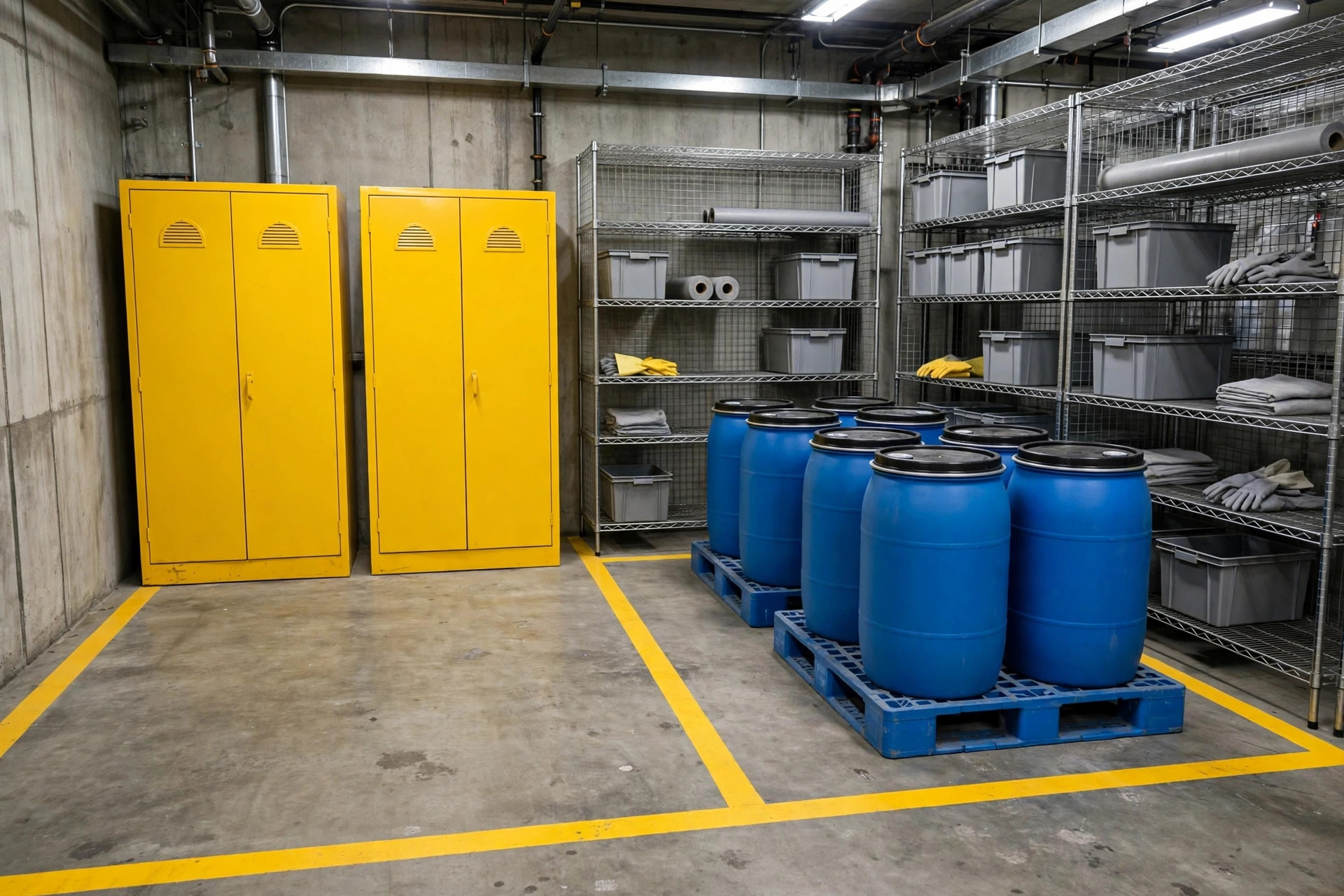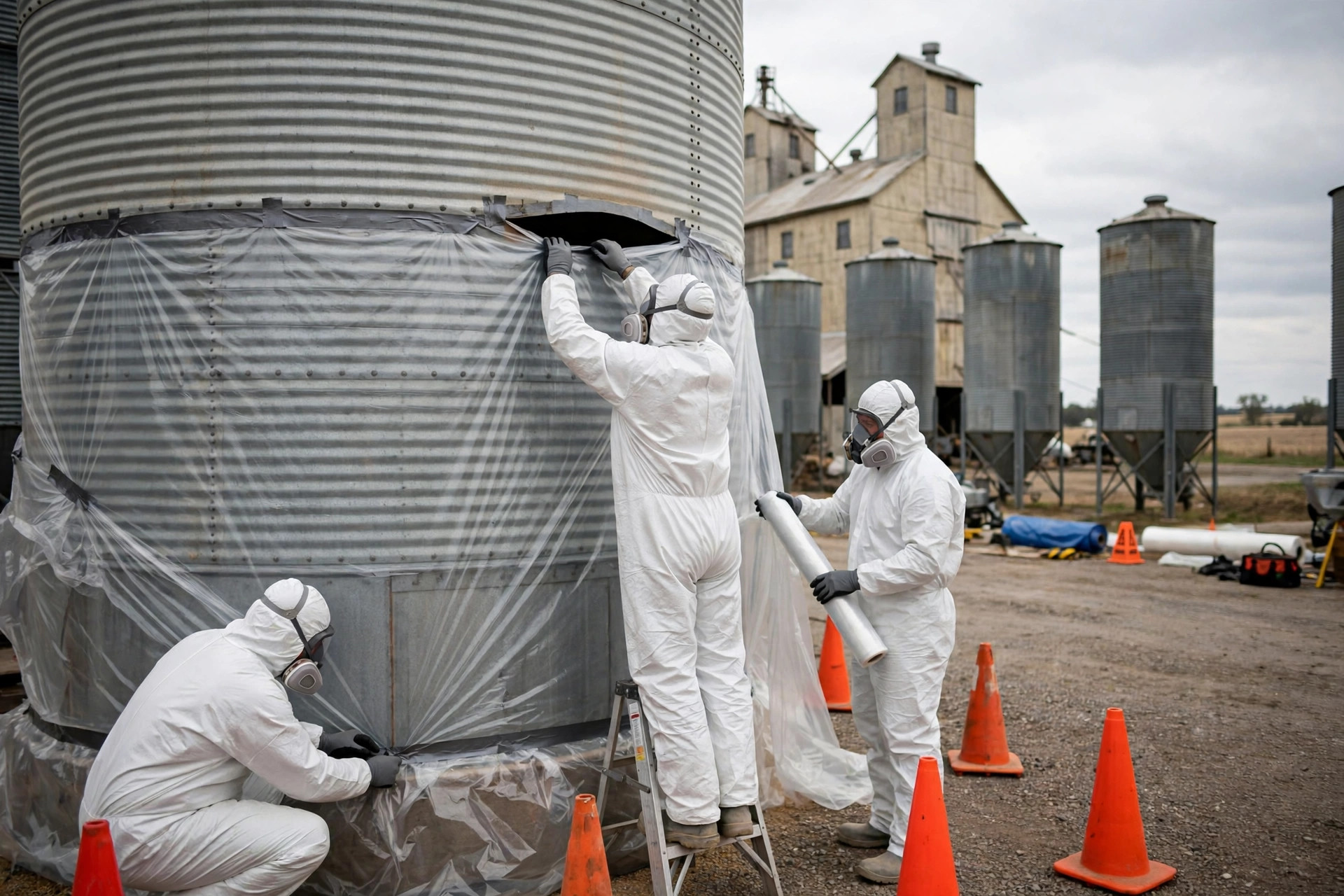
Let me tell you something about phosphine fumigation grain warehouse safety. After all these years on the road, the scariest thing I have seen at a grain warehouse was not the weevils. It was people cutting corners. I once pulled into a grain elevator in the Midwest right as they were wrapping up a fumigation. No warning signs on the doors, workers unloading next to a vent, and the manager told me ventilation was done. I asked whether they had re-tested. He paused and said it did not smell like anything anymore. Phosphine is colorless, and at low concentrations you cannot reliably smell it. By the time you can smell it, you are already in trouble. I did not unload that day. I drove out. Later I heard that warehouse got cited and shut down for a stretch. Ever since, I tell everyone the same thing: the safety math on fumigation is never about saving a few days. It is about not getting somebody killed.
Phosphine fumigation grain warehouse safety comes down to four steps: seal, dose, vent, and re-test. Skip one and the rest are wasted. Worse, every shortcut in those four steps looks cheap in the short run and costs double later.
Phosphine fumigation starts with the seal: if it leaks, the rest is wasted effort
The first step is not dosing. It is sealing the building tight. Doors, vents, conveyor openings, roof joints, every gap leaks gas and drops the concentration. When concentration falls, insects survive, and worse, the survivors build resistance, so the next fumigation gets harder. I knew a warehouse that sealed the main doors but left the roof vents open. After days of treatment, the re-test found live insects, and they had to do the whole job over again: twice the chemical, twice the downtime, all avoidable.
My plain-spoken method is this: before dosing, walk every seam you can reach, seal what can be sealed, and pay special attention to doors and vents. Sealing materials and methods must follow the product label and local regulations. I will not invent a recipe here, because the right approach depends on the building and the product. The leak check costs little time and prevents the biggest waste in the whole job. Dosing a leaky building is like pumping air into a flat tire. You can pump all day and still go nowhere.
Dosing is a licensed applicator's job, period
On dosing I have one hard rule: only a licensed applicator doses. Nobody else, not even to hand over the product. Phosphine is highly toxic, and the dose, placement, and protective equipment are set by the product label, not by an old hand's gut feeling. I am deliberately giving you no dose numbers here, because the right numbers vary by product, building, and grain, and copying somebody else's numbers is exactly how people get hurt.
There is a second rule: dosing is a two-person job. One person applies, one person stands watch outside. If something goes wrong, somebody is there to call for help and pull the other person out. Solo dosing is the practice I argue against hardest, because if a worker goes down inside, nobody may even hear them. During dosing, the building carries warning signs, the area is cleared, and unauthorized people stay away. There is no negotiation on this step. Convenience here is how accidents happen.
Phosphine fumigation venting and re-testing: no smell is not a clearance
Venting is the step everybody wants to rush. The shipper is pushing, trucks are waiting at the gate, and the warehouse wants the building back. But venting time is not decided by the schedule. It follows the product label and the actual conditions in the building. If it needs more time, it gets more time. Impatience does not change chemistry.
Re-test clearance is the line you never cross early. Before reopening, gas levels must be measured with instruments, and the readings must meet the release standard on the product label and under local regulations. Smelling nothing is not a clearance. Guessing is not a clearance. My experience is that testing one spot by the door is nowhere near enough, because residues can vary a lot across a building. If a re-test fails, keep venting and test again until it passes. The release gets signed off: who tested, when, and what the readings were, all on record. That record is not paperwork for the inspector. It is protection for you if anything ever goes wrong.
Here is the downtime math I want every warehouse manager to do for themselves. Downtime cost equals days shut down multiplied by daily losses, and daily losses include allocated rent, truck waiting time, contract penalties, and idle labor. Add up your own numbers. Then compare one rushed day saved against the cost of an accident or a repeat fumigation. They are not in the same league. Once you see that comparison in your own numbers, you stop pushing for an early opening.
The insects survived, so should we fumigate again
Re-fumigation is the hardest call in grain storage. The first reaction when insects survive is to dose again. Before you do, ask three questions. First, was the seal actually good? Second, was the dose and method right? Third, has this insect population developed resistance? If you re-fumigate without answering the first two, you are repeating the same mistake with fresh chemical. Resistance is real: repeated use of the same product in the same way breeds insects that are harder to kill each generation.
My advice is to find the cause first. Recheck the seal and the dosing, and bring in a licensed professional to assess whether the approach should change. Never just increase the dose on your own. More chemical is not more effective, and the first thing an overdose threatens is people. Also price the repeat job honestly: chemical, labor, another shutdown, and the risk of shipper claims. Sometimes two failed fumigations trace back to a sealing problem that a simple leak check would have caught the first time.
So here is the whole job in three sentences. Do not dose a building you have not sealed. Let only licensed people and instrument readings decide dosing and clearance, never noses and hunches. And when time runs short, wait, because a life is worth more than a schedule. I have spent years watching warehouses pay dearly to save a single day. The old saying holds here: slow is fast, and in fumigation, the slow step is the one that saves you money.
By Shifu Zhao, Trucking Veteran (15 yrs)