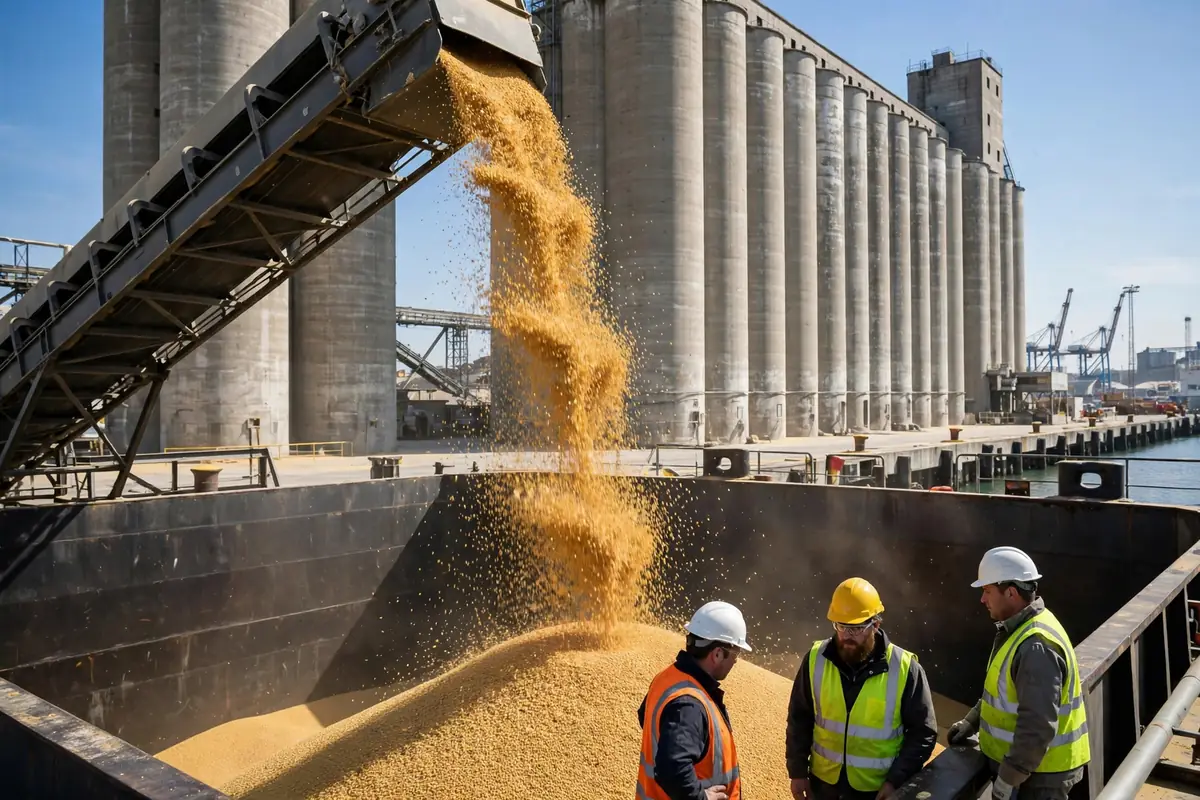
Let me tell you something. In all my years on the road, the fussiest cargo I ever hauled was not precision instruments. It was canola seed. The stuff looks harmless, little seeds like sesame, but it heats itself up, grows mould, and invites insects. Treat it like ordinary grain and the inspectors at the port will test the moisture and downgrade the whole load. Canada canola export warehouse storage starts at the bin on the prairie, and the bill is not settled until the ship sails.
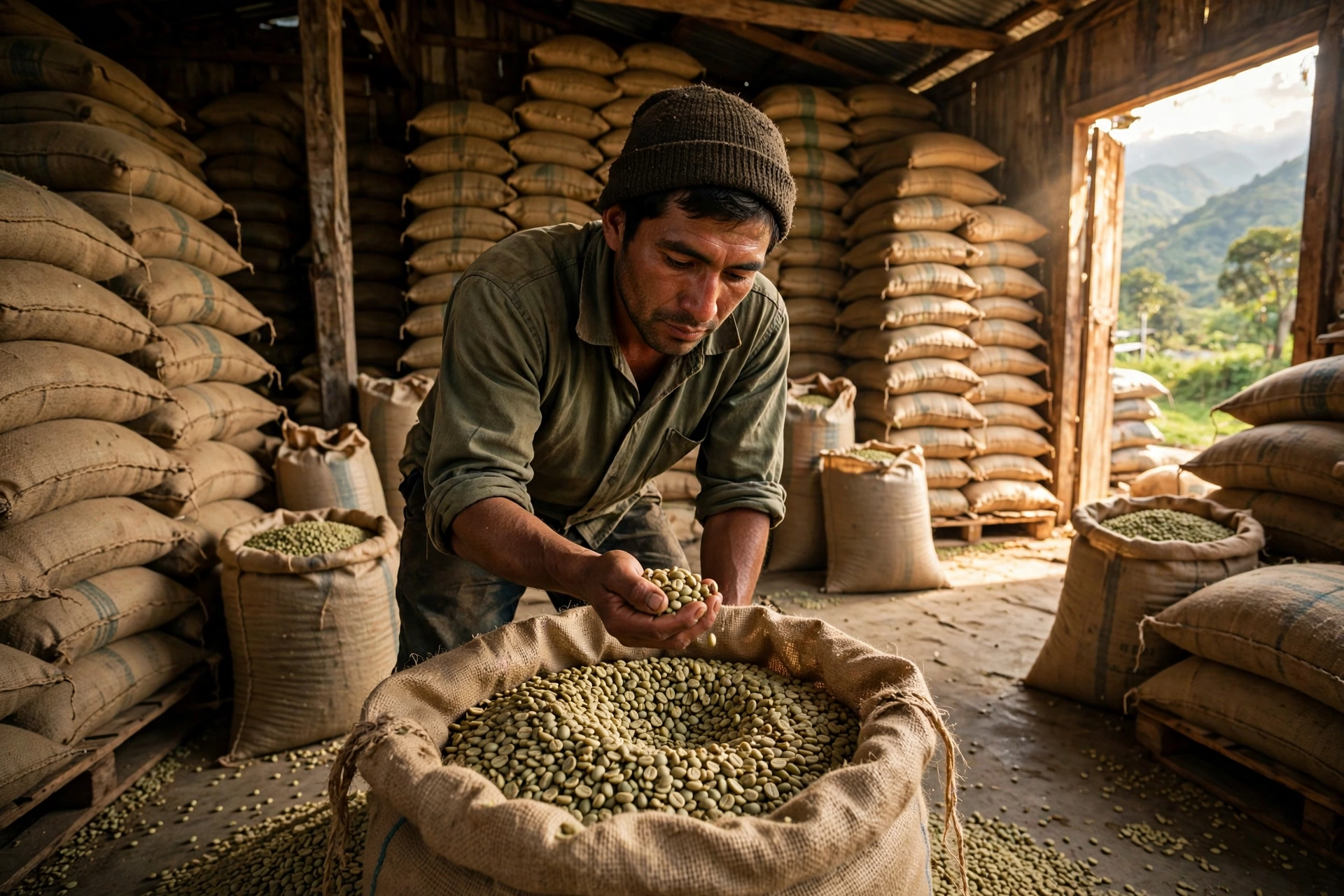
In the fall of 2024, I loaded a truck in Saskatchewan, and the farmer told me straight that his seed had come in at 10.6% moisture and he reckoned it was dry enough. I told him then what I will tell you now: 10% is dry enough to sell, but it is not dry enough to store. The Canola Council of Canada puts it plainly: safe long-term storage means moisture below 8% and grain temperature at or below 15°C. Lab tests have shown what happens otherwise. Seed at 10.6% moisture and 25°C clumped together after 11 days, and visible mould colonies appeared after 21 days. The farmer said nothing, went and switched on the aeration fan, and that load came through fine. But I know how many bins out on the prairie never get their temperature checked from one week to the next.
Canada Canola Export Warehouse Storage Starts at 8 Percent
Here are the numbers. Statistics Canada's revised figures put the 2024 Canadian canola crop at 19.2 million tonnes, and exports in the 2024/25 crop year reached 9.3 million tonnes, so close to half the crop leaves the country. Markets shifted that year, too: in 2025, China imposed 100% tariffs on Canadian canola oil and meal, and exporters had to send their cargo elsewhere. Markets can shift, but the storage rule does not change. Whoever buys the seed, the 8% line stays where it is.
The gap between 8% and 10% is where newcomers get hurt. Under Canadian grain standards, canola at 10% moisture counts as dry and can be sold as dry. Selling is one thing, storing is another. The safe line for long-term storage is below 8% moisture and below 15°C. Seed at 10% sells without a problem, but after three months in the bin, the centre of the pile heats up and the whole bin can follow. Worse, canola is an oilseed, and oil does not absorb water, so the moisture is squeezed into the rest of the seed and the meter reading looks safer than the real risk.
Pests travel on the same line. Once the pile heats up, insects arrive faster than anyone. My method is crude but it works: sweep the bin clean before filling so last season's residue is gone, then check grain temperature every week, because a rising temperature is the alarm. Do not wait until you can smell mould. By the time you smell it, the loss has already happened.
Three Things I Worry About Between the Bin and Vancouver
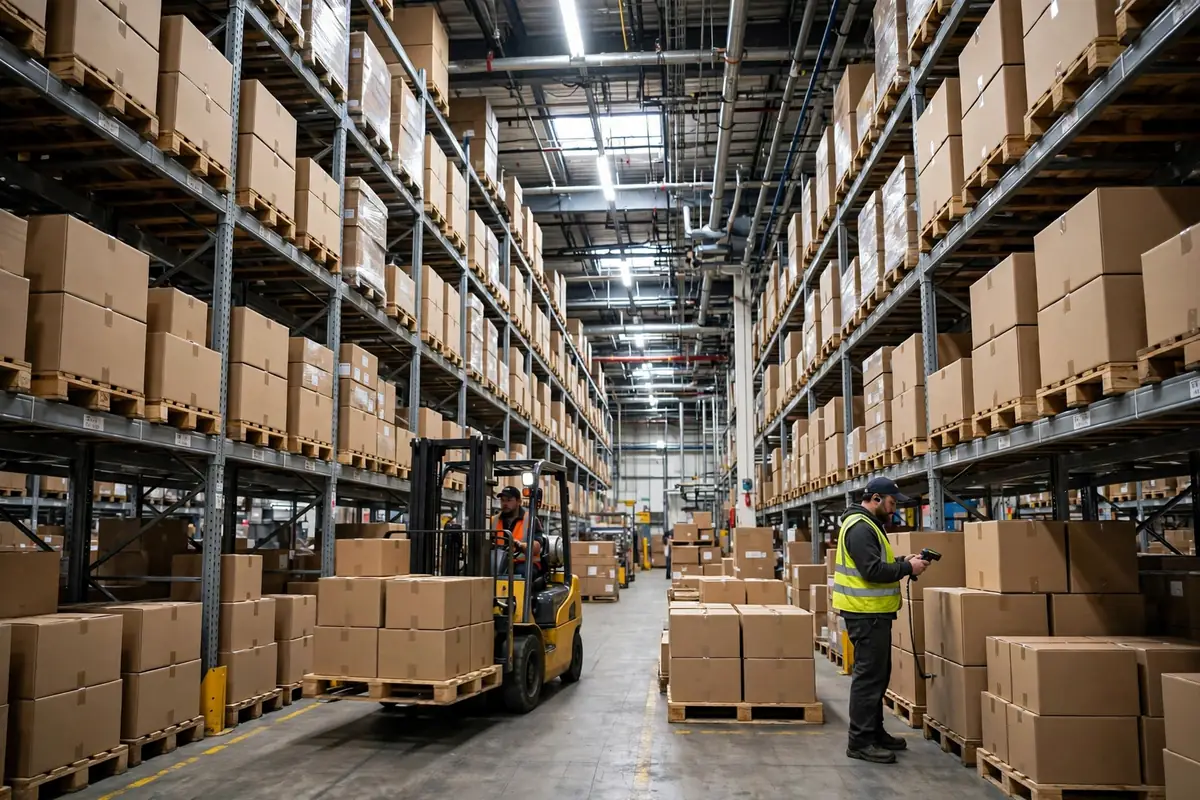
The first is waiting. The Port of Vancouver handled 158 million tonnes of cargo in 2024 and 3.47 million containers, up 11% on 2023, a record year. When the port is busy, a truck that arrives does not always unload right away, and a load that unloads does not always board the ship right away. I have sat in the queue outside the port for most of a day. Canola hates that kind of waiting: the trailer does not ventilate, the sun heats it, grain temperature climbs, and moisture rises with it.
The second is mixing. One truck, one grade. Mix them and the grade drops. Canadian grading is strict on heated seed: No. 1 canola allows no more than 0.1% heated seeds. Skip the moisture test before loading, mix two farms in one truck to save a trip, and the port inspectors will catch it. The load gets settled at the lower grade, and the loss is bigger than the freight bill. I have seen a driver held at the port for three days over a mixed load, and the truck earned nothing the whole time.
The third is rushing. The sailing date is fixed, so the truck has to hurry, and hurrying brings its own trouble: overloading, tired driving, paperwork that is not ready at the gate. After all these years, my experience is that the time you gain by hurrying on the road gets paid back in the queue at the port. The sailing date is fixed but the road is not, so leaving a day early beats pressing the accelerator.
The truck is only the last leg from the prairie to the Port of Vancouver, and rail does the long haul before it. The bins in Saskatchewan sit more than a thousand kilometres from the port, so bulk grain mostly travels by rail to the terminal silos and is then loaded into containers or bulk carriers. Rail runs on its own schedule, and a missed departure can mean waiting days for the next one. My job is to get the load to the rail yard on time, and the yard crew takes it from there. The longer the chain, the more handover points, and at every one of them the moisture gets tested and the load gets weighed again. If any point jams, everything behind it waits.
Canada Canola Export Warehouse Storage: Run the Numbers All the Way to the Ship
The same load of canola, three ways of handling it, three different bills. The figures below are a worked example with assumed numbers, shown only to compare the logic:
| Approach | What you do | Cost | Risk |
|---|---|---|---|
| Sell at once | Straight to port after harvest | Lowest freight, no storage | Price is whatever the market says that day |
| Dry, then store | Dry below 8% before binning | Drying runs tens of dollars a tonne, plus fan power | Stable in storage, can wait for a better price |
| Sit and wait | Bin it damp and hope | Cheapest right now | One hot spot can spoil the whole bin |
There is a counter-intuitive conclusion in that table: the approach that looks cheapest is often the most expensive. Sitting and waiting saves the drying fee, but one heating event can wipe out enough value to pay for years of drying. The drying fee is visible. The mould loss is invisible. Most people only count the visible one.
Read the moisture clause in the contract before you load, too. Export contracts usually state the delivery moisture and the penalty for going over it, so wet seed does not just lose a grade, it loses money. Test the load yourself before it leaves the farm, and if the reading does not match the contract, dry it first rather than arguing about it at the port. An argument at the port lasts days, and the ship does not wait.
Here is another point newcomers miss: cold weather is not a guarantee either. With minus temperatures outside, the centre of the pile can still heat itself. Canola keeps respiring for a month or two after binning, releasing moisture and heat, and the temperature in the middle creeps upward. The colder it is outside, the bigger the gap between the inside and the outside of the pile, and the easier it is for moisture to migrate and gather in one spot. Skipping temperature checks in winter is as dangerous as skipping them in summer.
Good grain is not afraid of waiting. It is afraid of waiting in the wrong place. Get the moisture below 8%, hold the grain temperature below 15°C, and confirm the sailing a day early. Do those three things, and the road from the prairie to the Port of Vancouver is a road you can trust.
By Shifu Zhao, Trucking Veteran (15 yrs)