Last year I ran the numbers for a Chinese AGV manufacturer: the same vehicle, imported as a complete unit under one tariff classification, landed with an all-in duty burden of 31%. Shipped unassembled — chassis and control system classified separately — the burden dropped to 13%. Same shipment, $120,000 difference on the duty bill.
That's not a loophole. It's tariff engineering: designing your product with the U.S. Harmonized Tariff Schedule (HTS) in mind from the start, so the product's legitimate form qualifies for a lower applicable rate. In the HTS, the same underlying thing can carry a completely different classification depending on its form, function, or condition — and a different classification can mean the difference between being on a Section 301 list or not.
The verdict up front: tariff engineering is compliant cost reduction, not duty evasion. It requires the product's form to be genuine and commercially real — something that survives a CBP examination. Anything that amounts to "renaming the goods on paper while the cargo stays the same" is misdeclaration, and the penalties are a subject I've covered in an earlier piece.
Why Classification Is "Form-Sensitive": Three Real Scenarios
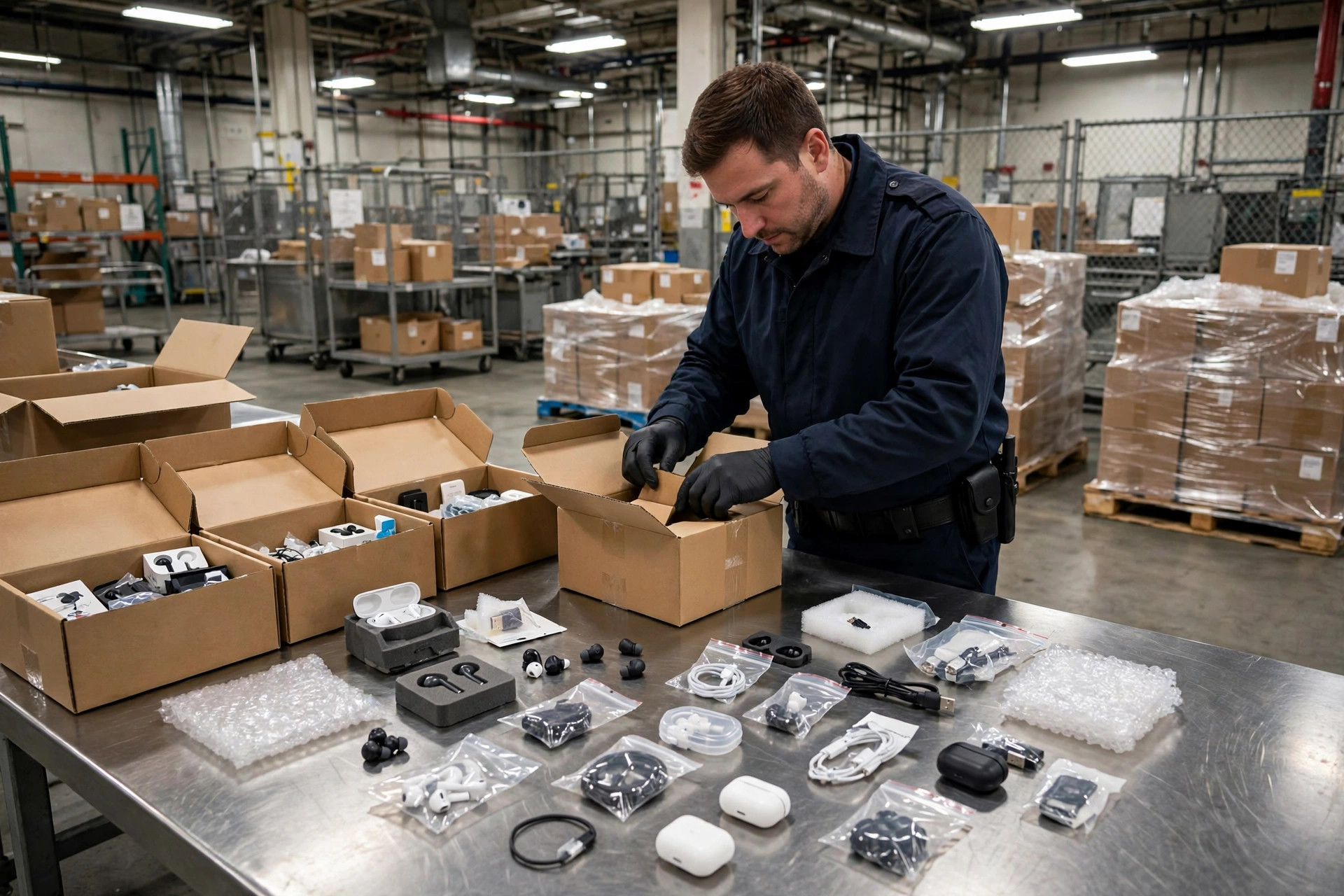
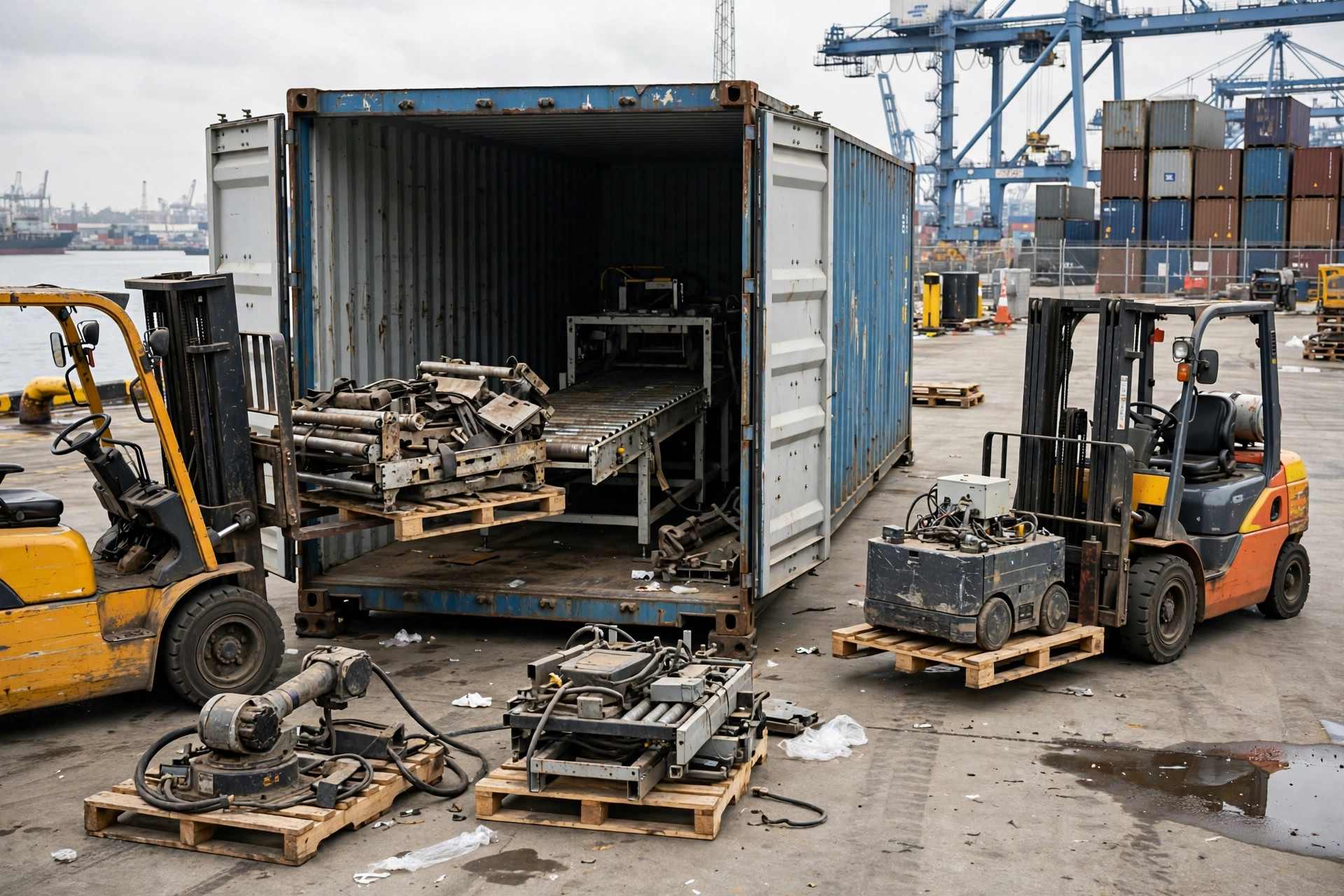
Scenario 1: Complete unit vs. knocked-down parts. An AGV imported fully assembled may classify as automated material-handling equipment — squarely on a Section 301 list. Imported unassembled, broken into chassis, drive modules, batteries, and control units, some components may classify as mechanical or electrical parts that aren't on any 301 list. Two preconditions: first, the knocked-down state must be real — the factory genuinely didn't assemble it, it ships in containers, and assembly happens at a U.S. facility. Second, the domestic assembly operation must be genuine, with labor records and time logs. CBP scrutinizes "fake knockdown" (assembled at the factory, disassembled for the container) aggressively — get caught and it's back duties plus penalties, standard package.
Scenario 2: Functional design drives classification. Many HTS headings classify by "essential character" or principal function. A mobile robot with a lifting function, declared as "material-handling equipment" versus "lifting platform," can land several duty points apart. If the product design makes one function the clear principal one — say, rated load and lift stroke engineered to meet a specific equipment class's technical thresholds — the classification stands on solid ground. The reverse is equally true: forcing goods into an unrelated heading just for the lower rate is misdeclaration.
Scenario 3: Split software from hardware. Half the value of modern automation equipment sits in software. Hardware travels under the equipment heading; the software license is a separate agreement and doesn't cross the border as merchandise. This isn't about dodging duty — software was never dutiable as goods — it's about keeping service value out of the dutiable value. Plenty of vendors bundle "equipment + software + implementation" into one invoice price for convenience, which means paying duty on the service fees too. Separate contracts and invoices, with arm's-length pricing, and the dutiable value covers only the goods. Fully legal; the paperwork just has to match reality.
Before You Start: Run This Checklist
- Classify first, design second. Get a licensed customs broker or trade attorney to give you classification opinions — ideally CBP binding rulings — for each product form, then decide how to design and split the product. Reverse the order and you'll pay double to re-engineer a finished design.
- Check Section 301 coverage. Once classifications are set, screen every component heading against all four Section 301 lists (Lists 1–4). The big savings are usually here, not in the base MFN rate.
- Run the full math. Duty saved by knocked-down shipping has to be net of U.S. assembly labor, floor space, and quality risk. On one engagement I worked: $120,000 saved in duty, $40,000 added in domestic assembly — net $80,000, worth it. Another case: $30,000 saved, $50,000 added — don't bother.
- Keep the evidence chain. Design drawings, BOMs, assembly time records, photos of the domestic assembly operation, binding ruling documents — the full classification file, archived. CBP can audit up to five years back. With documentation versus without is a different universe.
- Stay off the red lines. Don't claim a change in origin without genuine substantial transformation. Third-country "origin washing" is outside tariff engineering's scope — that's the red line I wrote about separately.
The Most Overlooked Tactic: Packaging and Accessories
One small win people miss: spare accessories (chargers, spare tires, tool kits) shipped with the host machine take the host's classification; line-itemed separately, they may qualify for lower rates. And packaging — reusable steel shipping racks can enter under a Temporary Importation Bond (TIB) and re-export afterward, duty-free. One custom steel rack for a four-way shuttle runs several thousand dollars; over a year, TIB savings on racks alone can cover your broker's fees.
One honest closing thought: the best time to do tariff engineering is at product kickoff; the worst is when the goods are already at the port. Most vendors call me after the duty bill arrives, and by then all I can offer is "do better next time." If you're planning your next-generation product for export, put the HTS classification opinion on the design-review checklist now — it may be the highest-ROI review your project ever holds.
Do this tomorrow: export your flagship product's BOM and ask your broker for a written "HTS classification + Section 301 coverage" opinion per component. That document is where your tariff engineering starts.
Appendix: How to Apply for a Binding Ruling
People often ask whether binding rulings are hard to get. The process is actually straightforward: submit an application to CBP's National Commodity Specialist Division with the product description, technical drawings, sample photos, your proposed classification, and your reasoning. The official response time is typically 30 to 90 days. There's no fee — the hard part is writing the materials well. Your reasoning should cite HTS provisions and Section/Chapter Notes, not "I think it should be this heading."
Once issued, a ruling applies nationwide — every port's examining officer must honor it. One ruling lasts five years and stays valid as long as the product's form doesn't change. I'd file it alongside the BOM classification opinion: the former is your internal basis, the latter is your shield at the port. With both on file, you'll face examinations with confidence.
One caution: rulings are publicly searchable in the CROSS database, so keep trade secrets out of the application — technical parameters only need to go far enough to support the classification.