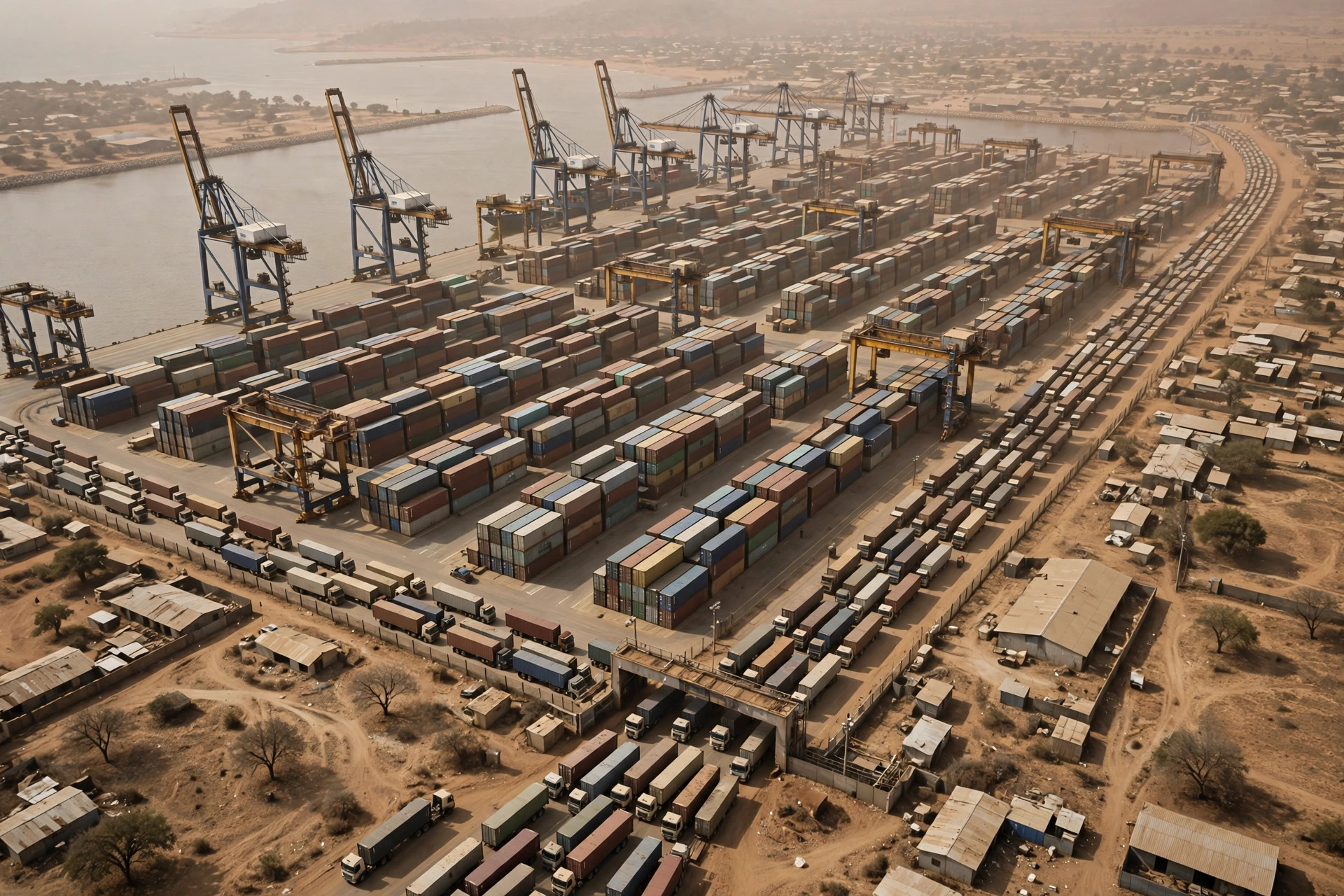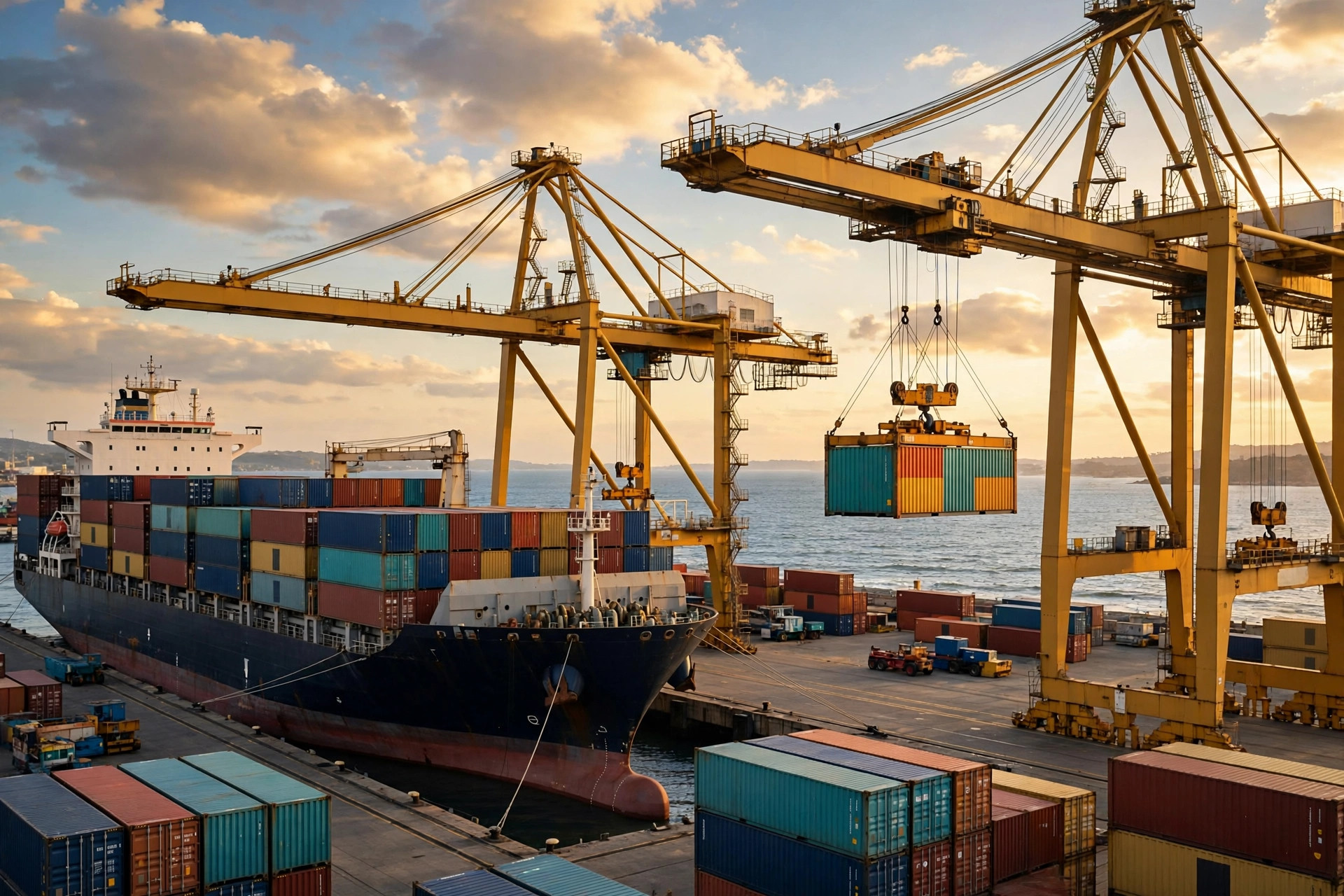
A few years ago, an importer asked me a question I hear at least once a year: "If we ship our machine in three cartons instead of one, can we declare it as parts and pay the lower rate?" My answer disappointed him. "Only if it actually is parts," I said. "If it's a machine that you took apart on Friday and bolt back together on Monday, customs has a rule for that — and the rule is not on your side."
That conversation is the whole subject of tariff engineering in one exchange. The legal version is real, and U.S. Customs recognizes it. The illegal version is also real, and it ends with penalties under 19 U.S.C. § 1592. The difference between them is never how clever the design is. It's whether the entry form tells the truth.
The line between engineering and fraud is the entry form
Here is what tariff engineering actually means: you design the product — its features, its structure, how and where it gets assembled — so that the article, exactly as imported, honestly falls under a lower-duty HTS heading. U.S. classification logic is built on "the condition of the article as imported." You didn't lie about anything. That's the entire legal foundation, and it's solid.
Fraud looks similar from a distance, which is why people get confused. The machine ships whole, but the entry says "parts." Or the goods are made in China, get routed through a third country for a new label and a new box, and enter as third-country origin. The first is a false declaration. The second is illegal transshipment. Both land under the same statute, 19 U.S.C. § 1592, where penalties scale with the value of the goods and fraud is the worst category — with criminal exposure on top. I'll leave the exact penalty mechanics to CBP's official publications. What I will say from experience: I have seen penalty notices that hurt more than the value of the shipment.
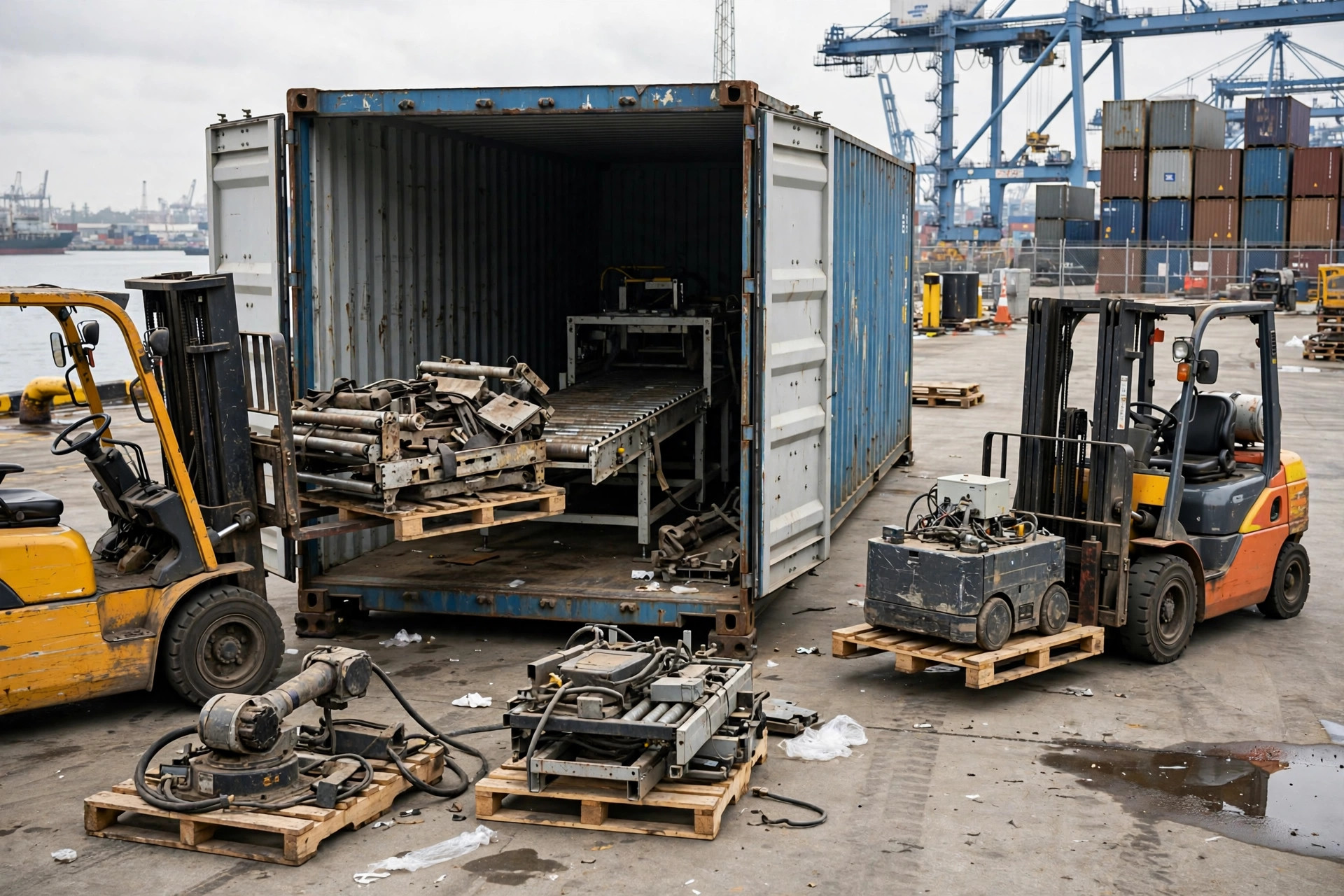
There is one more trap people walk into: the fake knockdown. You disassemble a complete machine, ship it in pieces under separate entries, and claim the parts rate. The HTS General Rules of Interpretation have an answer waiting for you — GRI 2(a), which classifies unassembled complete articles as the complete article. Customs officers are not confused by your disassembly. They are asking whether it is substantive. If stateside "assembly" means tightening four bolts, that is not substantive. That is evasion with extra steps.
Three moves that actually work
Move one: design the feature out. A lot of automation equipment sits on one side or the other of a duty line because of a single function. If your U.S. customers do their own downstream integration anyway, that function module can be installed stateside. Design the product so the feature is a genuine optional module, import the base configuration without it, declare exactly what it is — and the lower heading applies on its own merits. The trade-off is real: you save duty, but you add a domestic production step and your spare-parts system has to split along the same lines. Run the total math before you celebrate.
Move two: go modular, but make it real. Good modular design — control cabinet, actuators, and cabling as genuinely independent units, each classified in its condition as imported — is both good engineering and good tariff planning. The keyword is substantive. The modules need real standalone function, and stateside assembly needs to be a genuine manufacturing step, not theater. I once talked a client out of the "ship the AMR in three entries" idea — GRI 2(a) was sitting right there, and the duty savings wouldn't have covered the penalty. We redesigned into true modular supply instead: chassis, navigation module, and battery system designed separately and tested independently. The entries were boring. Boring is the goal.
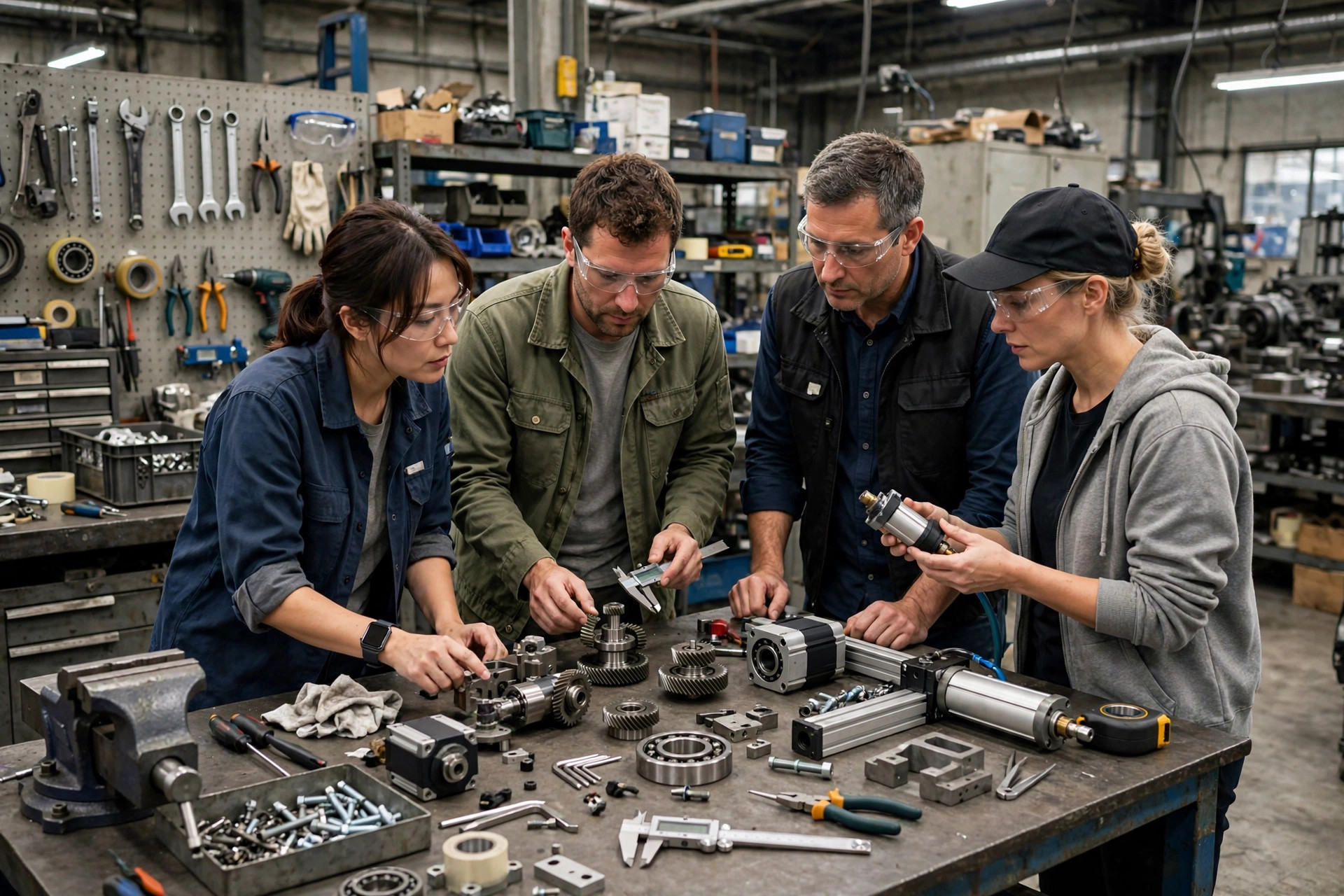
Move three: move final assembly, but only with real substantial transformation. Whether third-country assembly changes origin — and therefore the duty treatment — depends on substantial transformation: the new product must have a new name, character, and use. Repackaging and simple assembly don't count. This is the deepest water of the three moves, and it's where most transshipment fraud lives. My verdict is blunt: unless your third-country site is a real factory with complete production records, don't touch this. When customs questions origin, they want production records, time sheets, and bills of material — not your word for it.
Get the ruling before you move the product
Whichever of the three moves you pick, do one thing before you spend a dollar on redesign: search CBP's CROSS database — the public rulings archive — for how customs has classified similar products and why. If nothing matches closely enough, file for a binding ruling on your own product through the eRuling program. Once customs gives you a written ruling and you enter accordingly, a classification dispute turns from "who's right" into "follow the paper." Completely different game.
Don't skip this step to save money. The most expensive "savings" I ever watched was an importer who ran the same HTS number for three years on "industry practice," got audited, and paid back duties plus penalties in one shot. A binding ruling in hand is the cheapest insurance in international trade.
One deliberate omission: I am not quoting a single duty rate in this article. Section 301 additional rates, heading-specific ad valorem rates — check the official current HTS and CBP publications. A stale number in print does more damage than no number at all.
Here's something you can do this week: pull the HTS number on your main product, search CROSS for three rulings on similar goods, and ask yourself whether your classification would survive scrutiny.
And one honest question to close: was your product's tariff number ever seriously reasoned through — or did a broker pick it years ago and you've been rolling with it ever since? If it's the latter, your first step in "tariff optimization" isn't redesigning the product. It's getting the declaration right.